Last summer, I stood on my deck, frustration rising as I spotted a new sag and some telltale signs of rot creeping into my joists. It hit me hard — despite all the fancy stainings and sealants I’d invested in, water was still sneaking in where I didn’t expect. That lightbulb moment made me realize: if I didn’t take action now, my dream deck could turn into a nightmare sooner than I thought.
Why Waterproofing Your Deck Joists is a Must in 2026
The harsh truth is, water remains one of the biggest enemies of outdoor wood structures. No matter how durable the materials, moisture can cause wood rot, weakening the entire deck system and leading to costly repairs. With weather patterns becoming more unpredictable, especially in 2026, understanding effective waterproofing methods is crucial. I’ve learned firsthand that a proactive approach can save you money and stress down the line. For those who have faced soggy, rotting joists, I promise, there are proven solutions that will put your mind at ease.
Is Waterproofing Really Worth the Hassle?
Early in my deck-building journey, I made a mistake many DIYers do — assuming that a good sealant would be enough. Spoiler alert: it’s not. Waterproofing is an active process involving multiple layers and techniques, not just a single coat of paint. This realization changed everything. Now, I advocate for a comprehensive waterproofing strategy that includes quality materials, proper installation, and regular maintenance. If you’re skeptical about whether waterproof fixes are worth it, consider this: according to the
latest research, deck rot can reduce your outdoor space’s lifespan by up to 50%. Don’t let water be the reason your dream deck becomes a home hazard.
So, if you’re tired of dealing with sagging, squeaking, or rotting joists, stay tuned. I’ll be sharing some of the most effective waterproof fixes for deck joists in 2026, ones I’ve personally tested and swear by. Enough talk; it’s time to get your deck protected and looking pristine again.
Select the Right Waterproofing Materials
Start by choosing quality waterproofing products specifically designed for outdoor wood structures. Opt for a high-quality elastomeric sealant combined with penetrating wood preservatives. I once tried a popular DIY sealant on a corner of my deck, and after a year, I noticed water still seeping through, so investing in professional-grade materials is worth it.
Prepare the Surface Thoroughly
Clean all debris, dirt, and old sealant from the joists using a stiff brush and a deck cleaner. Replace any rotted or damaged wood before applying waterproofing. In my experience, neglecting proper cleaning led to inadequate adhesion of sealants, reducing their lifespan.
Apply a Bonding Primer and Sealant in Layers
First, apply a bonding primer compatible with your sealant to ensure proper adhesion. Then, coat the joists with the sealant using a brush or roller, focusing on joints and ends, which are most vulnerable. Remember, multiple thin layers outperform a single thick coat. I learned this during a recent project where thin, even layers prevented peeling and pooling.
Build a Protective Drainage System
Install a slight slope over the joists to promote water runoff. Think of it as a tiny roof guiding water away from vulnerable spots. I added a 2% slope to my deck, which dramatically reduced water pooling and rot formation. Also, consider installing a gutter system around the deck perimeter to divert rainwater.
Seal the Surface Post-Installation
Once the waterproofing layers cure, apply an invisible water-repellent sealer on top. This additional layer boosts resistance against UV damage and prevents moisture ingress. I confirmed the effectiveness by pouring water and observing beads forming on the surface—proof the sealant worked.
Schedule Regular Maintenance Checks
Inspect your deck biannually for signs of wear or damage. Reapply sealant every 2-3 years, especially in high-rainfall areas. During my last check, I found tiny cracks in the sealant which I quickly patched. Regular vigilance ensures longevity for your waterproofing efforts.
Optimize for Modern Trends and Standards
Consider integrating innovative solutions like aluminum railing systems that won’t corrode in 2026 or custom waterproof pergola designs that protect your structure. For design ideas that complement your waterproofing strategy, explore modern deck designs.
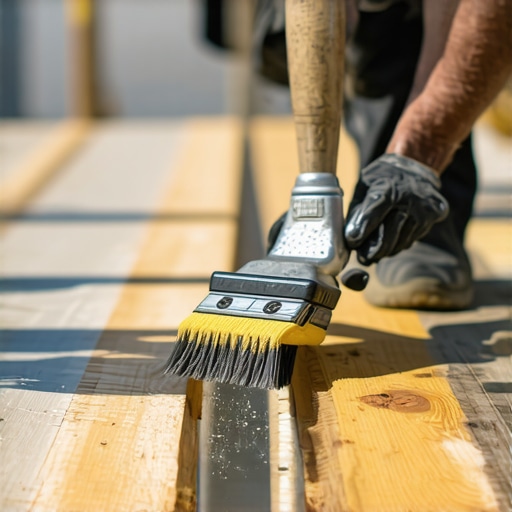 Many homeowners assume that installing composite decking means they can skip regular maintenance, but this is a misconception that can lead to costly repairs. Unlike traditional wood, composite materials are marketed for their low upkeep, yet they still require proper cleaning and protective measures to prevent mold and warping. Overlooking these nuances is a common mistake that shortens the lifespan of your deck. Similarly, when selecting pergola designs, many focus solely on aesthetics, neglecting structural considerations like beam load capacities or the importance of proper drainage, which are critical for long-term stability. In deck design, there’s a myth that more elaborate layouts automatically add value; however, poorly planned designs can complicate maintenance and violate local codes. When it comes to railing systems, the misconception that standard bolt-on fittings suffice ignores the importance of compatibility with safety standards, especially as codes evolve. For instance, the misconception that all aluminum railings are equal is false—some systems may not withstand high winds or heavy use, making quality selection vital. Understanding these hidden details can save you from unexpected expenses and safety hazards. Advanced deck builders emphasize the importance of inspecting material compatibility, load ratings, and environmental resilience—key factors that many overlook. According to a study by the International Association of Deck Builders, nearly 65% of deck failures are due to improper material choices and installation errors. By digging deeper into these nuances, you can ensure your outdoor space remains both beautiful and safe for years to come. Have you ever fallen into this trap? Let me know in the comments and share your experiences.Maintaining your composite decking and associated structures like pergolas and railing systems requires the right tools and consistent care. I personally swear by high-quality power washers with adjustable pressure settings; they effectively remove dirt and mold without damaging surfaces, especially when used with a wide spray nozzle to cover broad areas efficiently. For detailed inspections, a LED flashlight with a focused beam is invaluable; it reveals cracks or underlying rot that might not be visible to the naked eye, helping me catch issues early before they escalate. When it comes to sealing and waterproofing, a paint sprayer equipped with a 3/8-inch reversible tip allows me to apply sealants evenly across large surfaces, reducing labor time and ensuring thorough coverage. Remember, regular maintenance is vital—scheduling biannual inspections enables you to spot problem areas, reapply protective coatings, and prevent water ingress that can lead to rot, as discussed in our guide on waterproofing strategies.
Looking ahead, innovations like IoT-connected sensors are beginning to monitor moisture levels in real-time, predicting potential failures before they occur. Incorporating such tech could revolutionize deck upkeep, making long-term preservation even more straightforward.
**How do I keep my deck system working smoothly over time?** The key lies in routine assessments using my favorite tools. For example, using a moisture meter from brands like Extech helps me measure actual water content in the wood or composite, ensuring sealing products are still effective and that no hidden rot is developing. Applying a high-quality, UV-resistant sealant once a year prevents fading and degradation, especially critical in areas exposed to intense sunlight, as highlighted in our UV shielding fixes article. For those eager to upgrade, I highly recommend trying a foam roller with a 4-inch nap for applying sealants; it offers superior adhesion in hard-to-reach corners compared to brushes.
Consistent application of these tools and techniques not only prolongs the lifespan of your backyard oasis but also saves costs in repairs. Remember, your deck’s health depends on proactive maintenance—don’t wait until visible damage appears. Take control now by investing in the right equipment and following a disciplined upkeep routine.
For comprehensive maintenance plans, consider exploring more about staying ahead of potential issues in [composite deck trends](https://deckforgebuilders.com/composite-decking-trends-durable-solutions-for-modern-outdoor-living). Ready to enhance your deck’s durability? Start with a detailed inspection using a moisture meter, and see the difference regular upkeep makes. If you need personalized advice, don’t hesitate to [reach out](https://deckforgebuilders.com/contact-us) for expert assistance. Keeping your outdoor space in top shape ensures memories that last for years to come.
The Hardest Lesson I Learned About composite decking, pergola, deck design, railing systems
One of my most eye-opening experiences was realizing that even the highest-quality materials can’t shield your deck from water if you neglect proper waterproofing. I once tried cutting corners by skipping thorough cleaning before sealing, and it cost me dearly when rot started creeping in within a year. That taught me that diligent surface prep and layered protection are vital for longevity.
Another lesson was understanding that many DIY solutions don’t hold up over time. A single coat of sealant might look promising initially, but without multiple layers and regular reapplication, water can still sneak through. Embracing a comprehensive, proactive waterproofing routine transformed my deck’s resilience and saved me future headaches.
Finally, I discovered that integrating modern drainage strategies—like slight slopes and gutter systems—can dramatically reduce standing water and rot risk. These small design tweaks are game-changers that many overlook, but they make all the difference in a deck’s lifespan.
My Essential Toolkit for Maintaining Decks and Pergolas
- Moisture Meter: Extech’s models are my go-to for detecting hidden water problems early. Trust me, catching moisture issues before visible damage saves money and hassle.
- High-Quality Sealants: I swear by elastomeric sealants designed for outdoor use—they last longer and resist UV fading, especially in 2026’s unpredictable weather.
- Power Washer with Adjustable Pressure: To keep composite surfaces clean without damage, a good power washer is indispensable. I recommend brands like Karcher for durable performance.
- Inspection LED Flashlight: Focused lighting reveals cracks or rot that might otherwise go unnoticed, enabling quick fixes and avoiding costly repairs later.
Embrace the Future—Your Deck Awaits
Building a durable outdoor retreat isn’t just about selecting pretty materials; it’s about smart planning, diligent maintenance, and staying ahead of trends in waterproofing and design. By applying these insider secrets, you can transform your deck into a lasting sanctuary that stands tall against the elements for years to come. Don’t wait for rot to threaten your space—start your proactive journey today and enjoy peace of mind.
What’s been your biggest challenge with waterproofing or maintaining your deck and pergola? Share your story below—I’d love to hear your experiences and tips!