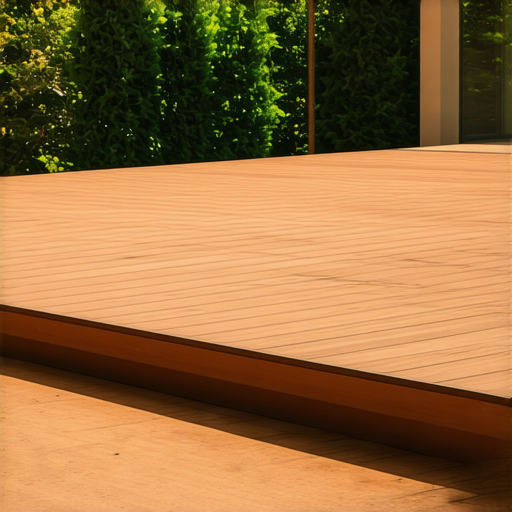
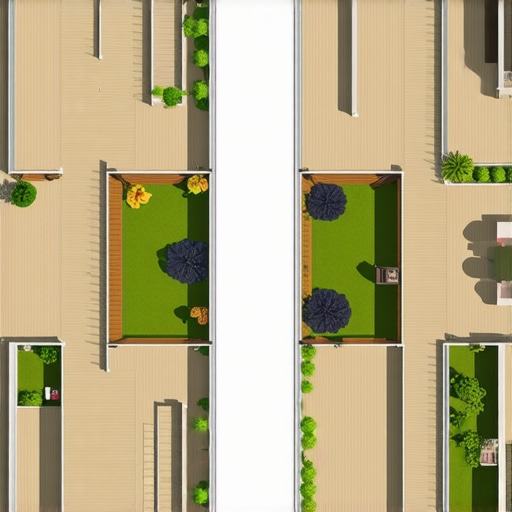
I’ll never forget the day I stood in my backyard, staring at a stubborn slope that made me want to give up on creating a functional outdoor space. My dream of a spacious deck was nearly dashed by uneven terrain and limited design options. It was a lightbulb moment—why settle for a flat, uninspiring yard when a thoughtfully designed multi-level deck could turn my sloped landscape into a stunning, usable oasis? That realization sparked a journey into discovering the best ways to maximize complex yards, and now, I want to share what I’ve learned about four innovative deck layouts that can transform any sloped backyard into a beautiful, practical area for years to come.
Why Your Sloped Yard Deserves a Strategic Deck Design
Engaging with sloped terrain can seem daunting, but with the right layout, it becomes an opportunity rather than a limitation. Multi-level decks not only add visual interest, but they also help define spaces for dining, lounging, or gardening. Plus, a well-planned multi-tiered structure can elevate your home’s curb appeal significantly.
According to recent studies, innovative outdoor designs, especially those incorporating multiple levels, can increase property value and enhance daily living. Yet, I’ve seen homeowners fall into common traps, like neglecting proper grading or overlooking the importance of accessible pathways. My early misstep was underestimating how crucial proper planning and structural stability are—resulting in unintended wobbling or water pooling. This experience taught me a vital lesson: thoughtful execution can make or break your backyard upgrade.
Is a Complex Deck Worth the Effort?
This question haunted me initially because I feared the extra cost and maintenance. However, with the right materials, like durable composite decking, and strategic design, a multi-level deck pays dividends in beauty and function. For detailed insights on resilient decking options, check out these innovative composite solutions. If you’re hesitant, consider whether you’re ready to invest in lasting quality rather than quick fixes. The truth is, a carefully crafted multi-level layout can elegantly deal with slope challenges and provide endless opportunities for outdoor enjoyment.
Are you struggling to visualize how to approach your sloped yard? Don’t worry—this post will walk you through four proven deck configurations that maximize space and style while addressing common issues like water runoff, access, and safety. Ready to turn your tricky terrain into a backyard masterpiece? Let’s dive into the options that have worked for many homeowners like you.
Start with Precise Site Preparation
Begin by measuring your slope accurately using a laser level or transit to understand exact elevation changes. During my first attempt, I skipped this step and faced unexpected surprises during construction, leading to uneven deck levels. Mark the layout carefully with spray paint or stakes, noting higher and lower areas. This clarity guides your framing and supports, preventing costly errors later.
Design a Multi-Tier Layout for Functionality
Visualize how each deck level serves a purpose—dining, lounging, or gardening—much like layering a cake. I drew detailed plans on graph paper, considering how each platform connected with walkways. Use adjustable ledger boards attached to the house for stability; these act as the backbone, similar to a spine supporting a body. Anchoring ledger boards properly ensures the entire structure remains stable and level.
Choose Durable Composite Decking Material
Opt for composite decking to resist weather and wear. I selected a color that matched my home’s aesthetic from a range of trending options. Installing composite boards involves using specialized fasteners that prevent squeaking and promote even expansion. For example, using hidden fasteners like clip systems creates a sleek appearance and ensures consistent spacing—avoiding the warping and gaps I faced with traditional wood.
Implement Effective Railing and Safety Systems
Install railing systems that meet safety standards, like modular kits that can be customized for your layout. I used aluminum railings for durability, which resist corrosion and lend a modern look. To secure posts on steep slopes or uneven ground, use adjustable post bases, much like leveling a photo frame on an uneven table. For added safety, consider integrating glass panels with anti-glare coatings to prevent blinding sunlight, especially on west-facing decks.
Incorporate Pergolas for Shade and Style
Adding a pergola over your lounging area enhances comfort and aesthetic appeal. I designed mine with slats angled optimally to provide summer shade while allowing airflow. These can be constructed from wood or composite materials; choosing a durable, weather-resistant option prolongs your investment. Anchor it securely with steel brackets, akin to sturdy legs supporting a table, to withstand high winds and storms.
Focus on Water Management and Drainage
Design your deck with slopes or integrated drainage to prevent water pooling that can damage supports. During my project, I subtly sloped each level away from the house, ensuring runoff flowed into designated drainage areas. Installing a gap at deck joints and using sealants prevents water infiltration. Additionally, coated sheathing beneath the deck surface offers extra protection against moisture, similar to waterproofing a roof.
Finish with Aesthetic Touches
Use finishing elements like lighting and plants. I embedded LED strip lights into railings for ambiance and added built-in planters on some tiers. These elements transform a functional space into a cozy retreat, comparable to accessorizing a tailored outfit. Opt for low-maintenance, weatherproof fixtures to keep the look clean and enduring.
Throughout this process, unforeseen issues like subpar fasteners or misaligned posts occurred, emphasizing the importance of adherence to safety standards. Consulting experts or referencing detailed guides such as these comprehensive resources can ensure your project’s success. Proper planning, durable materials, and careful execution create a stunning, stable backyard oasis even on challenging slopes.
Myths That Can Cost You Big
Many believe that selecting the most popular material or style guarantees a successful project. However, overlooking the detailed nuances of each component can lead to costly mistakes. For instance, some assume that all composite decking is equally resilient, but as these innovative solutions show, choosing the right brands with proven durability is essential to prevent warping or fading. This highlights that quality varies significantly and must be matched to your climate and usage.
Think Beyond Aesthetics: Functional Details Matter
Visibility often skews homeowner focus towards looks rather than engineering specifics. For example, many underestimate the importance of proper railing systems that combine safety and longevity. A common mistake is installing fasteners or posts that are incompatible with environmental conditions, leading to wobbling or corrosion. Robust systems like modular railing kits, which meet 2026 standards, are designed with these considerations in mind. To master the art, see how expert designs implement these solutions.
Navigating Overcomplicated Designs
Another frequent mistake is overestimating what complex layouts can achieve without proper planning. Superficially appealing multi-tiered decks without considering drainage, support stability, or access points often result in failures over time. Advanced homeowners should prioritize detailed site assessments and structural calculations before executing intricate configurations. For those ready to push design boundaries but wary of pitfalls, consulting specialized resources like these innovative ideas or engaging experts can be a game changer.
Is Your Pergola Overbuilt or Underwhelming? A Deeper Look
Many perceive pergolas as purely decorative or only focusing on size. In reality, the structural integrity and environmental resilience are key to longevity and safety. Using subpar fasteners or neglecting proper support anchoring, especially in high-wind zones, can compromise stability. For example, steel brackets designed for storm conditions, as discussed here, are critical investments. Think beyond aesthetics—consider load calculations, wind bracing, and climate compatibility—to ensure your pergola remains a feature you can enjoy for years. Have you ever fallen into this trap? Let me know in the comments.
How do I keep my deck and pergola working safely and beautifully over time?
Maintenance is the backbone of ensuring your outdoor structures stand the test of time. I personally rely on a combination of high-quality tools and proven methods to keep everything functioning smoothly. For cleaning composite decking, I use a power washer fitted with a soft brush attachment, avoiding excessive pressure to prevent surface damage. This technique helps remove pollen, dirt, and streaks without compromising the surface integrity, especially important considering the advancements in low-maintenance materials shown here.
When it comes to inspecting railing systems, I recommend a monthly visual check for loose fasteners, corrosion, or wobbling posts. I prefer using a torque wrench to tighten bolts to manufacturer specifications, which helps prevent safety hazards. For corrosion-resistant rails, I select anodized aluminum systems, as they resist weathering better and need less regular upkeep, aligning with trends found here.
Tools like angle grinders with diamond blades are excellent for refurbishing or adjusting pergola supports and posts, allowing precise cuts and reshaping without extensive demolition. Regularly applying weatherproof sealants on wood pergolas, especially on joints and beams, materializes as a simple yet effective maintenance step that prolongs structural integrity and aesthetic appeal.
Predicting the future, I believe that smart tools integrated with IoT technology, such as sensor-enabled moisture meters or automated cleaning devices, will become standard. These advancements will simplify maintenance tasks and give homeowners real-time data to prevent issues before they escalate.
How can I extend the lifespan of my outdoor structures through consistent upkeep?
Consistent inspection and proactive repairs are the keys. For example, replacing worn fasteners promptly and ensuring drainage pathways remain clear prevents water pooling that can weaken supports. I like to schedule a thorough inspection before winter and after heavy storms to catch potential problems early. It’s also vital to use the right cleaning products—harsh chemicals can deteriorate composite surfaces—so choosing eco-friendly, non-abrasive cleaners aligns with sustainable practices and ensures longevity.
A best practice that I highly recommend is sealing all wooden components with a high-quality, weather-resistant sealant at least once a year. This step creates a barrier against moisture intrusion, which is crucial in the long-term health of your pergola or deck. You might also consider upgrading your railing fasteners and supports with these professional-grade fixes that meet future safety standards.
Trying out an advanced maintenance tip like installing automated drainage systems or humidity sensors can drastically reduce long-term repair costs. These systems alert you when moisture levels climb or when drainage becomes obstructed, providing a hands-off, preventative approach. For a more detailed guide on this, explore my recommended resources or contact experts directly here.
Incorporating precise, reliable tools into your maintenance routine ensures your outdoor retreat remains safe, functional, and beautiful. Make a habit of inspecting and addressing issues promptly, and you’ll enjoy your deck and pergola for many years to come—while potentially increasing your property’s value and curb appeal. Ready to master your maintenance game? Start with adding a moisture meter to your toolkit and see the difference it makes!
What Nobody Tells You About Decks and Pergolas on Sloped Land
Through my journey of transforming a challenging slope into a functional outdoor oasis, I realized that each project uncovers hidden lessons. One of the most profound was the importance of anticipating water runoff — neglecting drainage can turn a beautiful deck into a soggy disaster, just like I experienced when a simple miscalculation caused water pooling after heavy rain. Moreover, relying solely on aesthetics without considering structural support made me realize that durability trumps appearance, especially in areas prone to strong winds or storms. Lastly, I discovered that integrating smart safety features, like adjustable post bases and corrosion-resistant hardware, isn’t just a safety measure but a long-term investment that saves money and peace of mind.