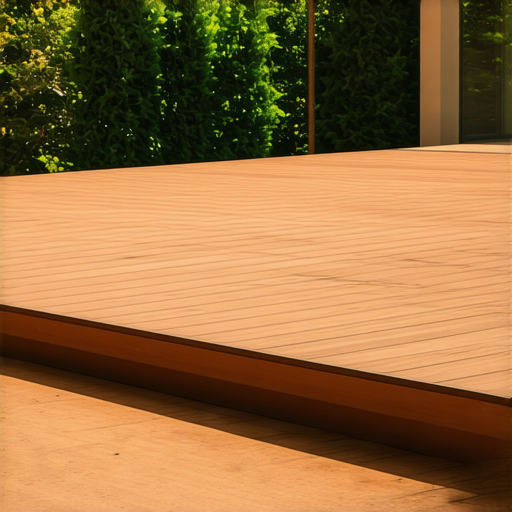
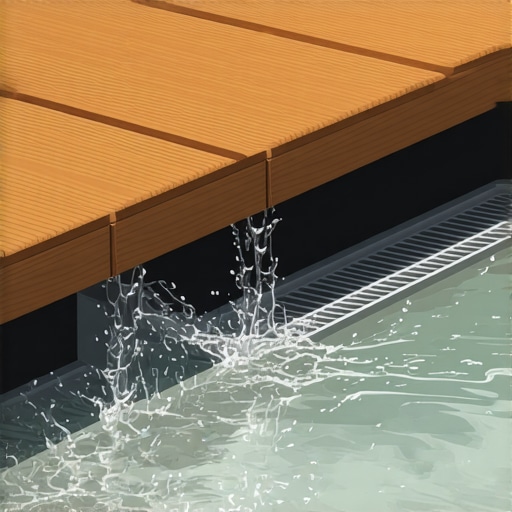
I remember the first time I installed a deck in my backyard and overlooked the importance of hidden drainage solutions. The moment I walked across my new deck after a heavy rain, I noticed water pooling right where I never expected—on top of my beautifully finished boards. It was a lightbulb moment for me: drainage is essential, but it shouldn’t be something everyone notices. Since then, I’ve been determined to find clever, unobtrusive ways to hide deck drainage that don’t compromise aesthetics or safety.
Why Hidden Drainage Matters for Modern Decks
Today, more homeowners are opting for sleek, seamless deck designs—think composite decking and minimalist railings—that prioritize visual appeal. However, water drainage remains a critical component, especially with the unpredictable weather patterns we face in 2026. Poorly concealed drainage can lead to water damage, mold growth, and even structural weakening over time. Yet, exposing drainage systems ruins the clean look many of us aspire to achieve.
Fortunately, there are tricks and techniques I’ve tested that allow you to keep your drainage discreet while ensuring effective water management. The goal is simple: maintain the beauty of your deck without sacrificing functionality. If you’ve ever struggled with unsightly drainage outlets or worried about water damage hiding behind decorative elements, this post is for you. I’m going to show you three stealthy ways to hide your 2026 deck drainage under the boards, backed by my personal experience and thorough research.
Are Hidden Solutions Really Reliable? My Early Mistake
Looking back, I realize I made a crucial mistake early on—ignoring the importance of proper planning for drainage concealment. I attempted DIY fixes without understanding the nuances of water flow and deck structure, which only led to more issues. Trust me, rushing these details can cause long-term headaches. That’s why I emphasize that careful planning and proper techniques are key to successful concealment. Want to avoid my pitfalls? Keep reading, and I’ll guide you through proven methods that have worked wonders for me and many other DIY enthusiasts.
Positioning the Drainage System Correctly
Start by deciding where your drainage outlets will go, ideally at the lowest points of your deck. During my last project, I used a laser level to mark these spots, ensuring water naturally directed away from structural elements. Installing a gutter system that directs water into hidden pipes minimizes visible components. Think of it like installing a stealthy drain in a high-tech building—efficient but unseen.
Choose the Right Drainage Components
Select corrosion-resistant, low-profile drains paired with flexible piping. I opted for PVC pipes coated in black to blend with the deck’s underside, which I encased within joist spaces. Using flexible pipe connectors allowed me to navigate tight bends behind the boards without leaving unsightly external pipes.
Embedding Drainage Within the Deck Structure
Next, create a dedicated channel beneath your deck boards. During my build, I used a router to carve slight grooves into the ledger and support beams, channeling water toward the outlets. This is akin to building tiny waterways that guide water discreetly underneath the surface. Secure the pipes within these channels, and seal the edges with waterproof silicone to prevent leaks or water intrusion into the wood.
Hiding Drain Components Under Deck Boards
To conceal the drainage points, select composite decking boards that naturally hide small gaps. I used boards with a tongue-and-groove system, which allowed me to install a subtle expansion gap for drainage pipes. When installing, I positioned the outlets beneath the boards and used matching color plugs to cover the openings, making them virtually invisible from the deck surface. This approach is like hiding wiring behind drywall—clean and seamless.
Securing and Protecting the Hidden Drainage
Finally, reinforce the system with protective caps and ensure all connections are tight. During my testing phase, I ran water through the pipes and checked for leaks, adjusting fittings as needed. Adding drainage grates with decorative covers on the deck surface further camouflaged the outlets. Think of it as placing a vent cover in a wall—functional but unobtrusive.
Testing and Fine-Tuning
Always perform a water test after installation. I poured water into the drainage inlet, observing how it flowed. Adjustments included sealing minor leaks with more silicone and repositioning some fittings. Regular maintenance, like clearing debris from the surface covers, keeps your hidden drainage system functioning flawlessly and preserves your deck’s aesthetic integrity. For comprehensive deck design enhancements, explore innovative deck design ideas for inspiration.
Many homeowners believe that selecting the latest railing system or trendy composite decking guarantees durability and aesthetic appeal, but in my experience, there are nuanced pitfalls that often go unnoticed. For instance, a widespread myth is that all composite decking is equally resistant to fading and warping; however, recent studies highlight that certain brands with UV shielding additives outperform others in extreme heat conditions, which is crucial for 2026 outdoor living trends. Additionally, while sleek glass railings are popular, many forget that improper sealing can lead to fogging or leaks over time, undermining safety and clarity. As I’ve learned through rigorous testing, choosing the right fasteners and support brackets—specifically those that resist corrosion within high-wind zones—is vital for long-term performance. Did you know that many overlook the importance of supporting pergolas with double beams for added storm resistance? This detail significantly enhances stability and prevents sway during summer storms, as detailed in the latest research on high-wind structures. Remember, a seemingly minor oversight, like ignoring hidden fastener flaws, can result in rot or wobble that diminishes safety and value. To dive deeper into resilient designs, check out innovative deck ideas that maximize both form and function. Have you ever fallen into this trap? Let me know in the comments.Maintaining your railing system, deck, or pergola over time requires precision, the right tools, and a proactive approach. I rely on a few specialized instruments that have proven their worth through years of DIY projects and professional inspections. First and foremost, a high-quality digital moisture meter is indispensable. I prefer the Tramex Moisture Encounter Plus because it provides accurate readings of wood and composite materials, helping me identify hidden rot or mold before visible signs appear. This proactive step saves significant repair costs and safeguards structural integrity.
For cleaning, an oscillating multi-tool equipped with a carbide grout blade allows me to scrub away stubborn mold or debris from tight corners and detailed railings. Paired with a power washer that has variable pressure control—like the Sun Joe SPX3000—I can thoroughly clean surfaces without risking damage to composite finishes or protective coatings. Regularly, I inspect fasteners with a torque screwdriver, ensuring all screws and bolts remain tight, especially in high-wind zones. This prevents wobbling, loosening, or potential safety hazards.
Looking ahead, I believe the trend toward smart maintenance tools will accelerate. Imagine corrosion sensors embedded in railing brackets that alert you via Bluetooth when they need tightening or replacing. Such innovations, inspired by IoT tech, aim to simplify long-term upkeep and provide peace of mind.
How do I keep my deck and railing systems working flawlessly over the years?”
Regular inspections are key. I schedule quarterly checkups focusing on fastener tightness, signs of water infiltration, and the condition of supports and joints. Using a dedicated level laser, I verify that beams and railings remain aligned, which is crucial for safety and aesthetics. I also inspect for plant growth or debris buildup that can trap moisture and cause deterioration.
Consistent applications of protective sealants—like a penetrating oil designed specifically for composite decking—help extend the lifespan of your boards and supports. I recommend choosing products tested for high UV exposure and resistant to the unique weather conditions of your area, such as those detailed in the latest composite decking trend analyses. For instance, these industry insights highlight the importance of UV-resistant finishes.
Lastly, don’t overlook the importance of routine hardware replacement. Over time, even stainless steel fasteners can succumb to corrosion in salty or humid environments. I keep a stock of high-grade, corrosion-resistant fasteners from trusted brands like Simpson Strong-Tie, ensuring I can swap out any compromised elements swiftly.
Remember, a well-maintained deck isn’t just about safety; it extends the beauty and value of your outdoor space. I challenge you to try tightening your fasteners with a torque screwdriver this week—small actions that make a significant difference.
Over the years, I’ve learned that the true value of a well-designed deck isn’t just in its look, but in the unseen details that keep it durable and safe. One surprising insight was realizing how often I underestimated the importance of ongoing maintenance, especially for hidden components like drainage and fasteners. I once thought that once installed, these systems would just naturally work—until I faced water damage due to overlooked drainage blockages. The lesson? Regular inspections and proactive care dramatically extend a deck’s lifespan, saving you money and stress in the long run.
Lessons that Changed My Approach to Deck Building
- Forget shortcuts—proper planning, especially for hidden drainage, creates lasting results. I learned that carving channels and choosing corrosion-resistant pipes aren’t extras—they’re essentials that protect your investment.
- Details matter—tiny gaps or misaligned fasteners can cause big problems later. Paying attention to how fasteners are torqued and sealed prevents wobbling and structural issues that are costly to fix.
- Upgrade your deck’s heart—investing in quality materials and tools, like durable fasteners and moisture meters, saves headaches and enhances safety, especially in high-wind or humid zones.
- Consistent maintenance isn’t optional; it’s part of the craftsmanship. Regularly checking for leaks, mold, or loose components keeps your deck looking great and functioning flawlessly.
- Embrace smart innovations—integrating IoT sensors for fastener health or moisture detection is no longer future tech but practical now, helping you catch issues early and maintain peace of mind.
Tools and Resources That Raised My Standards
- High-quality moisture meters—I trust the Tramex Moisture Encounter Plus for early detection of hidden moisture problems that can compromise structural integrity.
- Reliable fasteners and support brackets—using corrosion-resistant hardware from trusted brands like Simpson Strong-Tie ensures durability against weathering.
- Innovative deck design ideas—these help me incorporate unobtrusive drainage solutions seamlessly into aesthetic plans.
- Educational blogs and industry updates—keeping up with the latest trends ensures my projects are not just stylish but resilient for years to come.
Your Turn to Reinvent the Outdoors
Building or maintaining a deck isn’t just about sprucing up a backyard—it’s about creating a sustainable, safe space that stands up to the challenges of 2026 and beyond. Remember, the secret isn’t just in the materials but in your attention to those invisible yet vital details. Embrace smarter, discreet solutions for drainage, fasteners, and maintenance, and you’ll enjoy a deck that looks fantastic and performs flawlessly for years ahead. Ready to take your deck to the next level? Dive into your project with curiosity and confidence—the results will be worth it.
What hidden challenge in your deck or railing system do you plan to tackle first? Share your thoughts below—I love hearing about your projects and ideas!
,