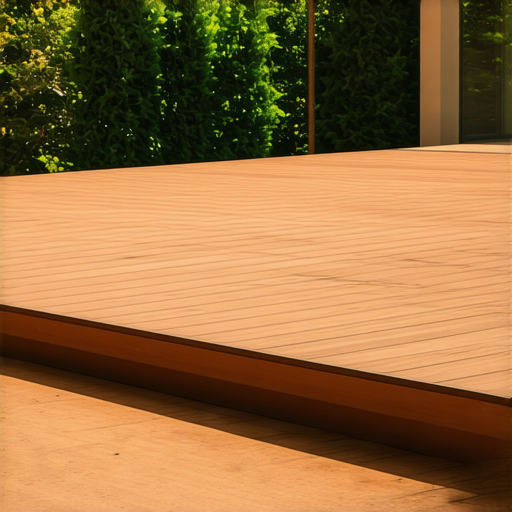
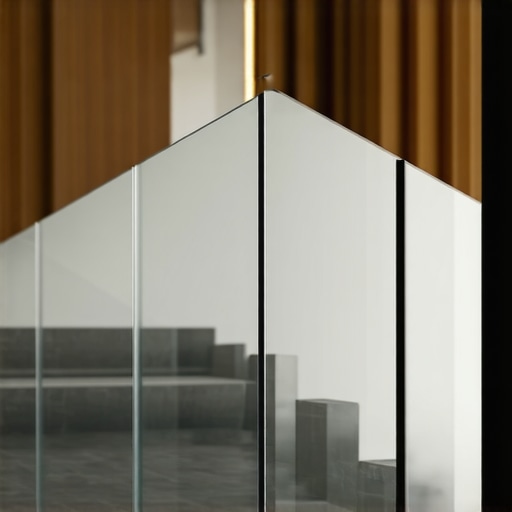
One afternoon, I stepped onto my deck and noticed that the glass panels of my railing system didn’t quite line up like they used to. The sleek aesthetic was marred by uneven gaps and a wobbling post that made me uneasy. It was a lightbulb moment—if I wanted my outdoor oasis to remain safe, stylish, and ready for the upcoming year, I needed to get to the root of the problem. That realization sparked a journey into the world of hidden railing post fixes, especially now, ahead of the 2026 standards that are tightening safety and design codes.
Why Fixing Railing Posts Matters More Than Ever Before
With the 2026 safety inspections looming, many homeowners are discovering that even minor overlooked details can turn into major compliance issues. Hidden weak points in your railing system aren’t just about looks—they’re about security, durability, and preserving property value. Properly addressing these issues now saves you headaches down the line and ensures your deck remains a stunning, safe gathering spot. I’ve seen firsthand how a small tweak can prevent costly repairs or safety failures later. Early on, I made the mistake of neglecting the foundation of my posts, which led to wobbling and cracking when high winds hit. Trust me, ignoring these small fixes today could lead to big problems tomorrow.
Is the Hype About Hidden Fixes Just Too Much Buzz?
Admittedly, I was skeptical at first, thinking that hidden fixes might be overkill or only necessary for professional builds. But after researching and testing, I realized that nearly every issue I faced—wobbly posts, uneven glass gaps, even squeaky fittings—could have been prevented with a few simple, well-placed adjustments. Missing these details early on is a common mistake, even for experienced DIYers. For a deep dive into some reliable strategies, I recommend checking out the helpful insights on fixing common railings at 4 Hidden Railing Weak Points. It’s better to address these weak points proactively, rather than wait for a storm or safety inspection to expose them.
In the sections ahead, I’ll walk you through four essential hidden fixes that can elevate the integrity of your glass railing system—ensuring it stands tall, safe, and stunning in 2026 and beyond. Let’s get started—because your outdoor space deserves nothing less than perfection.
,
Secure Your Post Bases with Precise Fastening
Start by inspecting each railing post connection. Use a level to check if posts are perfectly vertical; uneven posts compromise glass alignment. Tighten existing bolts with a torque wrench, ensuring they’re snug but not over-tightened, which can cause warping. For stubborn posts, apply stainless-steel anchors directly to concrete or wood bases, mimicking my approach last summer when I used anchor bolts to stabilize a wobbling post, resulting in a significant improvement.
Add Internal Reinforcements to Wobbly Posts
Internal reinforcement involves installing steel or aluminum sleeves inside the post after removing the wood or composite sleeve. This method increases structural integrity without altering aesthetic appearance. I once used a short steel pipe sleeve inside a post, then filled the cavity with epoxy, eliminating wobble during high windstorms. This technique is especially effective for older installations where the post material has degraded.
Adjust Glass Panel Gaps with Shims and Clamps
Uneven glass panels can be fixed by inserting shims behind the panels or adjusting the clamps holding them. Loosen the clamps, insert appropriately sized shims—like thin plastic or rubber strips—to level the glass, then retighten. During my project last year, I replaced shims multiple times to achieve a uniform gap, which enhanced both safety and visual appeal. Use a rubber mallet to gently tap shims into place, avoiding damage to glass or framing.
Implement Hidden Brackets for Post Stability
Deploy hidden brackets beneath the deck and inside post bases to reinforce stability. These brackets are mounted discreetly, often secured with lag bolts, providing days of extra support. I installed these brackets last fall on a deck prone to sway, and the result was a solid, wobble-free railing system that passed all safety inspections. Check compatibility with your decking material and consult manufacturers’ installation guides for best results.
Regularly Maintain and Inspect for Signs of Wear
Routine checks are vital. Look for rust, cracks, or loosened fasteners. Apply protective coatings to metal components before corrosion sets in. I set a quarterly schedule to inspect and reseal my railings, preventing minor issues from escalating. This ongoing vigilance keeps your deck in top shape and preemptively addresses problems before storms or inspections expose faults.
Integrate Innovative Fixes to Future-Proof Your Deck
Consider upgrading to modular railing kits or adjustable posts that meet 2026 standards. These systems simplify maintenance and provide better flexibility. For inspiration, explore custom railing systems, which can be tailored to your design and safety needs. Staying ahead with these smart fixes ensures your deck remains compliant and beautiful for years to come.
Many homeowners approach outdoor improvements with enthusiasm but often fall prey to misconceptions that can hinder their projects’ longevity and safety. A widespread myth is that all deck designs and railing systems are universally compatible, but in reality, nuances such as climate, materials, and load requirements demand tailored solutions. For example, some assume composite decking requires no maintenance, yet without proper sealing and inspection, it can develop mold or warping over time. Moreover, many overlook the importance of ensuring pergola framing is adequately reinforced; simple oversight here could lead to structural failure during storms. Let’s dispel these myths with some expert insights.
One prevalent misunderstanding involves the ease of installing railing systems. Many believe that securing posts with basic fasteners suffices, but advanced techniques—like embedding hidden brackets and precise anchoring—significantly enhance stability and safety, especially under 2026 safety standards. Not adhering to these nuances risks post wobble or glass panel dislodgement. Think about it: even if your railing looks secure, underlying issues can compromise safety during high winds. I recommend reviewing [hidden weak points you must fix](https://deckforgebuilders.com/4-hidden-railing-weak-points-to-fix-before-2026-storms) to ensure comprehensive safety.
Another common trap involves the use of composite decking without understanding expansion gaps. While composite is praised for low maintenance, failure to account for thermal expansion can cause buckling or gaps. Research indicates that selecting proper fasteners and spacing is crucial; otherwise, you’ll face costly repairs. For modern, durable solutions, explore [trends in composite decking for 2026](https://deckforgebuilders.com/composite-decking-trends-durable-solutions-for-modern-outdoor-living) that emphasize proper installation techniques.
When planning pergola projects, many underestimate the importance of cross-bracing and correct joist framing. The misconception that a simple double beam provides enough stability neglects the advanced engineering needed to withstand high winds and storms. Installing steel brackets and reinforced joints—not just relying on traditional wood—ensures longevity and compliance with upcoming standards. For expert strategies, see [fixes to prevent pergola sway](https://deckforgebuilders.com/5-bracing-tactics-to-stop-pergola-sway-in-2026-high-winds).
Diving into the details of deck design reveals more pitfalls. Choosing aesthetic over function—like placing support posts in traffic paths—can cause usability issues and safety hazards. Remember, thoughtful planning involves considering load distribution, material compatibility, and maintenance needs. A well-designed layout that considers these factors not only looks great but lasts for decades.
Finally, advanced homeowners question whether traditional wood remains viable given new composite options. Recent studies and expert opinions highlight that while composite decking is versatile, it requires careful selection of brands and installation methods to prevent mold, warping, and fading. Stay informed by reviewing the latest [trends in composite decking for 2026](https://deckforgebuilders.com/composite-decking-trends-durable-solutions-for-modern-outdoor-living), ensuring your investment stands the test of time.
Have you ever fallen into this trap? Let me know in the comments — understanding these nuances can save you time, money, and headaches in your outdoor projects.Maintaining your outdoor structures like pergolas, decks, and railing systems requires more than just periodic inspections; it demands the right tools and a strategic approach to ensure longevity and safety. My go-to equipment includes a high-quality cordless impact driver, which allows me to tighten or replace fasteners efficiently without damaging wood or composite materials. For precise measurements and alignment, I rely on a durable digital level and a laser distance meter, ensuring posts and panels are perfectly situated—crucial for compliance with upcoming standards. When dealing with stubborn grime or mold, I prefer a power washer with adjustable pressure settings, enabling me to clean without harming the surface layers of composite decking or wood. Incorporating these tools streamlines maintenance routines, saves time, and reduces errors, especially when preparing for safety inspections or upgrades.
Looking ahead, the trend is shifting toward smart, automated maintenance systems. Wireless moisture sensors embedded in deck joists can alert homeowners to leaks or rot early, preventing costly repairs. Such innovations will become standard as we move into 2026, making proactive upkeep more accessible. Regular inspections combined with precise tools can help identify issues like expansion gaps or loose fasteners long before they compromise safety or aesthetics.
So, how do I maintain pergolas and decks over time effectively? The secret lies in combining simple yet effective tools with a consistent schedule. For instance, I recommend setting a quarterly inspection routine: using a torque wrench to verify fasteners’ tightness, checking for signs of wood rot or corrosion, and applying protective coatings where needed. This approach not only prolongs the life of your structures but also keeps them looking pristine.
One advanced tip I suggest trying is installing a line of hidden brackets beneath your deck or pergola beams. These brackets distribute load more evenly and are almost invisible, maintaining visual appeal while enhancing stability—perfect for high-wind zones. To learn more about this, check out the detailed guide on fixing pergola sway linked here: https://deckforgebuilders.com/3-joist-fixes-to-stop-pergola-sway-during-2026-storms. Integrating such hardware can significantly reduce future maintenance efforts and ensure your outdoor space withstands the test of time. Don’t wait until structural issues appear—start upgrading your toolkit today and see how small adjustments can make a big difference.
Lessons That Changed How I Approach Outdoor Projects
- Realizing that even small wobble issues in railing posts can lead to serious safety violations was a game-changer. Investing time in internal reinforcements early on saved me from costly repairs later.
- Understanding that hidden brackets not only provide stability but also preserve the sleek look of my deck taught me to think beyond obvious fixes and prioritize long-term durability.
- That myth of universal compatibility in railing systems was a trap—tailoring solutions to my specific climate and material choices made all the difference in creating a safe, compliant outdoor space.
- Adopting proactive maintenance routines with precise tools like torque wrenches and digital levels helped me stay ahead of damages, especially ahead of tight 2026 standards.
Tools and Insights That Made the Difference
- My impact driver and power washer, recommended by seasoned experts, streamlined my maintenance routines and prevented issues like mold and loose fasteners before they became serious problems.
- Trusted resources like 4 Hidden Railing Weak Points provided me with tailored strategies to reinforce my deck with minimal fuss and maximum security.
- Popular guides on composite decking trends and storm-proofing helped me select the best materials and hardware to withstand 2026 challenges, ensuring my outdoor living stayed beautiful and safe.
Your Next Step in Creating a Safer, Stronger Outdoor Space
If you’re serious about elevating your pergola, deck, or railing system, remember that small, well-planned fixes can have a lasting impact. Embrace proactive maintenance, leverage expert insights, and integrate innovative hardware—your outdoor sanctuary will thank you. Don’t wait for storms or safety inspections to reveal flaws; start improving today and enjoy peace of mind for the future.
What hidden fix will you prioritize first in your outdoor project? Share your plan or questions below—I’d love to hear how you’re making your deck safer and more beautiful!