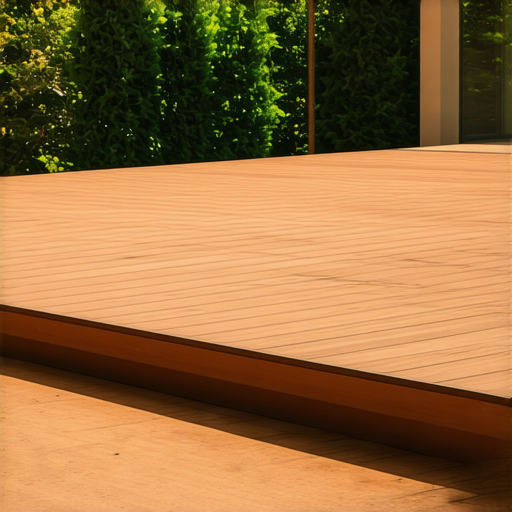
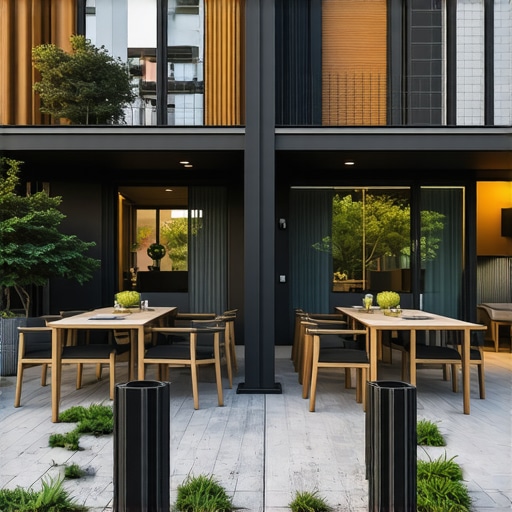
It was a sunny Saturday afternoon when I finally decided to host my first outdoor dinner on my tiny 2026 townhome deck. I envisioned a cozy setting with friends gathered around a small dining table, laughter filling the air. But as I unfolded the chairs and tried to fit my dining set onto the limited space, I realized I had underestimated just how challenging tiny decks can be. The chairs barely fit, and the table was so close to the railing I feared it might topple over with the slightest nudge. That lightbulb moment made me wonder: how do others cope with these space constraints?
Why Fitting a Dining Set on a Tiny Deck Is More Than Just Space
Living in a compact townhome means every inch counts—especially when it comes to outdoor living. You want a functional, inviting space where you can relax or entertain without feeling cramped. But surprisingly, many homeowners face the same frustration I did: how to squeeze in furniture without sacrificing comfort or style. The challenge is real, and it requires clever solutions. I remember making the mistake early on of assuming that bigger furniture would make the space feel more complete. Instead, it just highlighted how small my deck truly was. This common error can be avoided with the right planning and knowledge. According to recent trends in composite decking, utilizing space efficiently can elevate the look and functionality of your outdoor oasis.
Is Compact Furniture Really the Best Option to Maximize Your Space?
Many skeptics doubt that small furniture can create a comfortable dining area. They worry about sacrificing style, comfort, or permanence. I admit, I was the same—until I discovered how strategic choices and layout tricks could make all the difference. My early mistake was choosing mismatched pieces that cluttered the deck, which ironically made the space feel even smaller. Learning from that, I’ve come to appreciate the importance of integrated design and proper anchoring, like using custom railing systems that help define the space without crowding it. If you’re facing similar doubts, rest assured that with the right tweaks, your tiny deck can become the perfect outdoor dining retreat.
Prioritize Compact, Multi-Functional Furniture
When space is limited, choose furniture that serves multiple purposes, like a bench with storage or foldable chairs. I once bought a collapsible bistro set for my deck, which I stored in an outdoor corner when not in use. This kept the deck uncluttered and allowed easy rearrangement. Think of it like a Swiss Army knife—maximize utility in a small package.
Use Vertical Space Effectively
Install wall-mounted planters, hanging baskets, or vertical fold-down tables to free up floor space. I attached a foldable table to my railing, which I could unfold when dining and fold away afterward. This approach is akin to adding an extra layer of square footage through height, turning your deck into a versatile outdoor room.
Implement Smart Layouts with Focused Zones
Divide your deck into distinct areas—dining, lounging, and greenery—using low-profile rugs or planters. I placed a small outdoor rug under my dining table to define that zone, making it feel cozy despite limited space. Think of your deck as a micro-neighborhood: clear boundaries make each zone functional without crowding.
Opt for Custom Railing Systems that Enhance Safety and Style
Choose railing systems that are slim yet sturdy, such as custom designs that blend seamlessly with your aesthetic. I upgraded my deck with sleek metal rails, which added modern flair and didn’t obstruct sightlines. Visualize your railing as the frame of a picture—functionality and style should go hand in hand.
Incorporate Composite Decking for Durability and Low Maintenance
Selecting the right decking material matters. Modern composite decking offers durability and style without the hassle of wood. I opted for a high-quality composite that resists scratches and fades—keeping my deck looking fresh for years, much like choosing the right footwear for a long hike: it’s about resilience and comfort.
Pay Attention to Details that Maximize Space
Small touches like under-deck storage or built-in seating can make a big difference. I added a bench with hidden compartments to stash cushions and grilling tools, effectively doubling my usable space. Consider your deck as a stage—small props, like smart storage, can dramatically enhance performance.
Secure Stabilization for Safe Enjoyment
Ensure your pergola and railing systems are securely anchored, especially in windy zones. I used heavy-duty anchors to stabilize my pergola, preventing wobbling during storms. Think of your outdoor setup as a ship—sturdy foundations keep everything steady amidst the elements.
Refine and Adapt Your Layout with Ongoing Adjustments
Stay flexible; small tweaks can improve your space. I experimented with adjusting my seating arrangement after hosting a few dinners, moving chairs closer or further to optimize comfort. Visualize your deck as a living organism—constant small adjustments keep it thriving.
While most homeowners focus on choosing the right decking materials or stylish railing systems, many overlook the nuanced pitfalls that can compromise their outdoor spaces. A common misconception is that a pergola’s primary role is aesthetic; in reality, its design intricacies—like beam spacing and rafter angles—directly impact durability and climate resilience. For example, some believe that increasing the number of beams adds strength, but excessive weight can strain the structure, especially in wind-prone areas. Experts emphasize that structural load calculations, considering local weather patterns, are crucial to avoid costly repairs down the line. Additionally, there’s a widespread myth that composite decking requires no maintenance, leading homeowners to neglect inspections, which can result in hidden issues like collar rot or expansion gaps—problems documented by industry studies and DIY forums alike. When selecting railing systems, many focus solely on style, neglecting compatibility with climate conditions; for instance, metal rails may corrode if not properly coated, an oversight that could lead to safety hazards. Advanced outdoor design involves understanding how these elements interact, from lightweight, high-strength materials in modern custom railing systems to smart structural solutions for pergolas that withstand high winds, such as heavy-duty anchors and steel brackets. Beware the common trap of underestimating the importance of proper spacing and fastening techniques, which can cause long-term sway or loosening—seen often in DIY setups and discussed in professional guides. An advanced understanding of these nuances ensures that your investment not only looks good but also remains safe and resilient over time. This deeper knowledge also prevents costly mistakes during the planning and construction phases, saving you both time and money. Do you ever fall into the trap of oversimplifying outdoor design? Share your experiences or questions in the comments, and let’s keep this conversation going.Maintaining your outdoor structures is crucial for their longevity and continued aesthetic appeal. I personally recommend investing in high-quality, durable tools that make routine upkeep both efficient and effective. For example, a precision electric drill with variable speed settings allows you to tighten or loosen fasteners, ensuring your railing and pergola remain secure over time. I use a cordless impact wrench for larger bolts, which saves time and reduces hand fatigue during maintenance projects. To monitor the structural integrity regularly, a digital level and moisture meter are invaluable—they help identify early signs of warping or rot before they become serious problems. When working with composite decking, I rely on specialized cleaning brushes and low-pressure sprayers; high-pressure washers can damage the surface and reduce lifespan, so I opt for gentle cleaning techniques recommended by industry experts. Staying proactive with maintenance extends your outdoor investment, keeps safety top-notch, and maintains your home’s curb appeal.I predict that as technology advances, we’re headed toward smart tools that can diagnose issues and even suggest solutions in real-time. Incorporating sensors into your railing or pergola posts, connected to a smartphone app, could soon alert you to structural weaknesses or material degradation, taking prevention to the next level. How do I maintain pergola and deck systems to ensure they withstand the elements? A key step is regular inspection—visually check for loose fasteners, signs of rust, or decay. Applying protective coatings annually, especially on metal components, can prevent corrosion, while periodic tightening of all bolts ensures stability. For composite decking, reducing build-up of dirt and mold with recommended cleaners prolongs surface integrity and appearance. Remember, a well-maintained deck isn’t just about looks; it’s about safety and functionality. To stay ahead with your maintenance routine, consider integrating smart sensors, which are becoming increasingly accessible and affordable. For detailed guidance, reach out through our contact page.
The Hardest Lesson I Learned About pergola,deck design,composite decking,railing systems
- Always prioritize mobility and multi-functionality; I underestimated the importance of foldable furniture, which made hosting more flexible and enjoyable.
- Vertical solutions can be game-changers—installing wall-mounted planters or fold-down tables opened up precious floor space and added charm.
- Detailed planning of layout zones turned my cluttered deck into an inviting outdoor retreat, proving that smart zoning beats size every time.
- Choosing slim, durable railing systems and corrosion-resistant materials is vital to long-term safety and aesthetics—don’t compromise on quality for looks alone.
- Regular upkeep, including proactive inspections and smart sensor integration, extends your deck’s lifespan and safety—technology can be your best ally here.
My Essential Toolkit for pergola,deck design,composite decking,railing systems
- Industry-leading drill and impact wrench: Trusted for their reliability and power during construction and maintenance, ensuring structural integrity.
- Digital level and moisture meter: These tools help catch early signs of warping or rot, preventing costly repairs later.
- Eco-friendly cleaning supplies: Specifically tested for composite surfaces—keeping my deck clean without damage.
- Smart sensors and monitoring devices: Promising technology that can alert you to structural issues, making maintenance proactive rather than reactive.
Your Turn to Try
Designing a cozy, safe, and functional tiny deck is a rewarding challenge that pays off with countless memories and stress-free gatherings. Keep experimenting with innovative ideas, and don’t shy away from investing in quality materials and tools—your outdoor space is worth every effort. Remember, each tweak and upgrade brings you closer to that perfect outdoor sanctuary you’ve envisioned. Ready to transform your tiny deck into an outdoor masterpiece? Share your questions or success stories below, and let’s grow together in this journey!
,