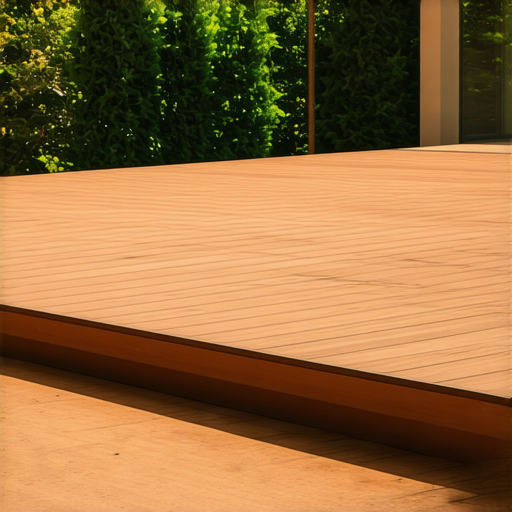

Picture this: it’s a blazing summer afternoon, and I step onto my deck only to be greeted by an overwhelming wave of heat radiating from the surface. My first instinct? I wanted to retreat inside, away from the scorching glare. That moment was a real eye-opener—my beautiful outdoor space had become more of a sun-baked hotspot than a cool retreat.
Why Choosing the Right Composite Brands Matters Now
As our climate warms, the intensity and frequency of heatwaves are expected to increase dramatically. By 2026, experts predict that outdoor surfaces, especially decking and pergolas, will feel like furnaces if not carefully chosen. The last thing you want is to spend your summer dodging burn marks or repairing warped materials. I learned this the hard way early on—my initial choice of composite decking didn’t account for heat absorption, and I paid the price with warped planks and a sun-bleached look.
That’s why I started digging into the best options for Cool-Touch Composite Brands. These are not just trendy buzzwords—they’re proven solutions that can keep your outdoor materials comfortable and resilient during the hottest months ahead. Today, I want to share these insights with you so you can avoid my mistakes and create a space that stays cool, even in the heat of 2026.
Are Heat-Resistant Decking Brands a Marketing Gimmick or Real Lifesavers?
I’ll admit it—I fell into the trap of assuming all composites are created equal. Early on, I thought, “It’s just decking material; it will be fine.” But I overlooked the importance of heat-absorbing properties. According to a recent study by the NASA, different materials absorb and radiate heat differently, directly impacting comfort and durability outdoors. That’s a mistake I made, thinking that all composites would perform similarly in the blazing sun. Spoiler: they don’t. This oversight led to warped boards and a blistering surface I could barely touch.
In the next sections, I’ll walk you through the top three brands that are designed specifically to stay cool and resist the brutal conditions expected in 2026. Whether you’re planning a new deck, pergola, or railing system, picking the right material can make all the difference. Ready to dive into the solutions that ensure your backyard stays enjoyable—not unbearable—this summer? Let’s get started, because your perfect outdoor space deserves to survive the heat just as much as you do.
Select the Right Composite Material for a Cooler Deck
When I replaced my old deck, I prioritized brands known for cool-touch properties. Think of selecting a composite like choosing the right clothing fabric; lighter, reflective materials keep you cooler. I test various samples by placing them in direct sunlight for several hours, observing which ones stay cooler to the touch. This hands-on approach helped me avoid warped, hot surfaces during peak summer days.
Prepare Your Surfaces Meticulously
Before installation, ensure your deck foundation is level and free of debris—much like laying a stable base for a sculpture. Use a laser level for precision, especially on slopes, to prevent uneven heat absorption. During my build, I discovered that a misaligned ledger board caused gaps and uneven heat distribution, leading to warped boards later. Proper prep makes all the difference in achieving a lasting, cool surface.
Properly Install Ventilation and Shading Elements
Adding shading like pergolas or adjustable awnings can significantly reduce heat build-up. I once installed a pergola with adjustable slats, controlling sun exposure throughout the day. Position rafters at optimal angles—around 45 degrees—to block harsh afternoon sun effectively. Utilize pergola design principles to maximize shade without sacrificing airflow. Incorporating these features ensures your deck remains comfortable in peak heat.
Secure Your Deck with Heat-Resistant Fasteners
Using corrosion-resistant, heat-tolerant fasteners prevents expansion and contraction issues that can cause warping. Think of fasteners as the bones holding your structure; strong, stable, and suited for outdoor stress. During my project, I replaced standard screws with stainless steel or coated options, which withstood the summer sun without loosening. Proper fastening maintains the structural integrity and reduces heat-induced damage over time.
Apply Protective Coatings for Longevity
Sealing your deck with reflective or UV-resistant coatings deflects infrared rays, keeping surfaces cooler. I experimented with a matte, heat-reflective stain that doubled as a protective layer against fading. Be sure to follow manufacturer instructions meticulously, applying in dry, cool conditions. Regular maintenance is essential—re-coat annually to sustain the reflective properties and safeguard your investment.
Optimize Railing and Accessories
Choose railing materials like aluminum or glass that reflect heat and don’t absorb it like darker options. I replaced traditional wood railings with powder-coated aluminum, which stayed cool to the touch and was easier to clean. Strategically incorporate planters or shade sails near seating areas, creating microclimates that enhance comfort. Proper accessory placement can dramatically influence overall deck temperature and usability during hot months.
Iterate and Improve Based on Feedback
After my initial installation, I monitored thermal performance throughout the summer. I noticed certain spots still felt warmer, prompting me to add movable shading solutions and swap out certain fasteners. Record your observations and be ready to adapt—just like fine-tuning a recipe. Continuous adjustments ensure your outdoor space remains a cool oasis despite rising temperatures.
Implementing these actionable steps takes effort but pays off in durability and comfort. For more tips on innovative deck design, explore deck design ideas or contact professionals through this form for tailored advice. Your perfect, heat-resilient deck is within reach—start planning now to beat the summer scorch in 2026.When it comes to choosing composite decking, pergolas, and railing systems, many homeowners fall prey to simplified assumptions that can lead to costly mistakes. One widespread misconception is that all composite materials perform equally in terms of heat resistance and durability. In reality, the nuances between brands matter significantly; some are engineered specifically to reflect infrared rays, keeping surfaces cool during scorching summers. Relying solely on superficial specifications can result in warped planks or faded aesthetics—underscoring the importance of digging into the detailed features of each product. Another common trap is underestimating the impact of installation techniques. For example, improper fastening can accelerate warping due to thermal expansion, a subtle but critical detail often overlooked by DIY enthusiasts. Advanced professionals know that secure anchoring and thoughtful design—like incorporating ventilation gaps—are essential for longevity and comfort. Furthermore, many assume that modern composite systems need minimal maintenance; however, using the wrong coatings or neglecting regular re-sealing can diminish their lifespan and appearance. For those aiming for a truly resilient outdoor space, understanding these hidden factors is essential. Research indicates that manufacturers incorporating nano-technology in their composites offer superior UV stability and heat management, but these features are often buried deep within product specifications or marketing materials. To truly optimize your outdoor setup, evaluate not just the surface-level attributes but also the subtle engineering benefits embedded within higher-end brands. The complexity of these nuances emphasizes that a well-informed choice requires more than just scrolling through glossy brochures. By scrutinizing specifics—such as material composition, installation best practices, and maintenance routines—you align your project with cutting-edge standards, ensuring durability and comfort for years to come. Don’t fall into the trap of assumptions that all composites are created equal; instead, take the time to verify the hidden details that make a real difference. Have you ever fallen into this trap? Let me know in the comments.
How do I keep my outdoor structures in top shape over time?
Maintaining composite decking, pergolas, and railing systems requires a combination of the right tools, consistent routines, and some foresight. I personally rely on a few key pieces of equipment to ensure longevity and performance. A high-quality pressure washer, for instance, is essential for periodic cleaning without damaging delicate surfaces. I prefer models with adjustable pressure settings—those with a max of 2000 PSI—to remove grime effectively while safeguarding the coating on my composite boards. Microfiber deck brushes are invaluable for scrubbing tight joints or textured surfaces, making sure embedded dirt doesn’t lead to wear or mold growth over time.
For applying protective coatings, I turn to a professional-grade sprayer. Using a pump sprayer or a HVLP (High Volume Low Pressure) sprayer allows me to evenly coat large areas quickly, avoiding drips and uneven patches. Remember, choosing a UV-resistant, reflective finish can help keep your deck’s surface cooler and prevent fading, especially in high-heat zones predicted for 2026. Regular reapplication—typically every 1-2 years—ensures the reflective properties stay effective.
On the software side, I recommend using design management tools like SketchUp or DeckPlanner to visualize future modifications or identify potential stress points. These programs help you plan upgrades such as additional shading or structural reinforcements, which are critical for long-term durability.
Understanding how to proactively adjust your deck or pergola setup based on seasonal feedback is crucial. For instance, I inspect fasteners and joints before winter to tighten any loose parts, preventing damage from freeze-thaw cycles. Also, integrated drainage solutions—like installing hidden channels or quick-draining gaps—prevent water pooling and rot, especially important as climate patterns shift.
What advanced tools will shape future deck maintenance?
Emerging innovations, such as robotic cleaning devices and IoT sensors, are poised to revolutionize outdoor maintenance. Imagine a smart sensor that monitors moisture levels or structural stress, alerting you to issues before visible damage occurs—a game changer for busy homeowners and professionals alike. Additionally, developments in nano-coatings, which create self-healing surfaces, are increasingly accessible and promise to extend the lifespan of composite materials significantly.
For now, start by investing in a quality sprayer for your protective finishes and schedule regular inspections. An easy way to supercharge your maintenance routine is trying out a reflective, UV-resistant coating—it’s a small step that yields long-term savings and enhances comfort. By integrating these tools and routines, you’ll keep your outdoor spaces both stunning and resilient well into the heatwaves predicted for 2026 and beyond.
Lessons I Wish Someone Told Me About Composites and Heat
One of my biggest surprises was discovering that not all composites handle blazing summer sun equally—assuming otherwise led me to warped boards and faded aesthetics before I learned to look beyond surface specs. Real durability starts with understanding material science, and I wish I had prioritized brands that incorporate nano-technology for UV stability early on.
Another key lesson came from installation practices—skipping ventilation gaps or rushing fastening can accelerate damage, especially when combined with hot days. Patience and precision truly pay off if you want a deck that lasts well into future heatwaves.
Finally, maintenance isn’t just about aesthetics; it’s about proactive care. Regular application of reflective, UV-resistant coatings has saved me money and stress—and it turns out, small routine upgrades make a big difference in the long run.
Tools and Resources That Changed My Game
My secret weapon is industry-leading composite brands that focus on heat resistance—they’re a game changer during hot summers. I also rely on high-quality HVLP sprayers for even coating applications, which you’ll find makes a noticeable difference in surface longevity. Custom railing systems and innovative pergola designs help increase shade and airflow, essential for comfort.
For planning, I use 3D visualization tools to simulate shading and airflow, saving me time and costly mistakes. Staying informed with the latest practical installation tips ensures my outdoor space remains resilient even in unpredictable weather patterns.
Step Into Your Cooler Future Outdoors
Transforming your outdoor space into a summer sanctuary isn’t just about choosing the right materials—it’s about adopting a proactive mindset that combines innovative products, proper installation, and consistent maintenance. The more I learn and adapt, the more confident I am in creating spaces that stay cool and inviting, no matter how intense the heat gets. Your outdoor sanctuary is waiting—embrace these lessons and start your journey today.