
Ever built a new deck and watched in frustration as the composite boards gradually slide out of their perfect alignment? I remember the first time I noticed my beautifully laid deck looking crooked after just a few months. It was a lightbulb moment for me—one that made me realize that even the best materials can fail if you overlook certain details.
Dealing with shifting composite decking is more common than you might think, and honestly, it’s enough to make even seasoned DIYers throw up their hands. But here’s the good news: avoiding this little headache is easier than you might imagine, once you understand the root causes. Today, I promise to share proven methods that will help you keep your boards perfectly in place, ensuring your deck looks sharp and functions flawlessly for years to come.
Why Your Composite Boards Keep Moving Around and How to Fix It
Is this issue really worth all the fuss? Absolutely!
In the early days of my decking projects, I made the mistake of assuming that choosing high-quality composite material was enough to prevent board shifting. Spoiler: It’s not. Even the sturdiest-looking boards can misalign if installed improperly or if the underlying support isn’t right. According to experts at Deck Forge, poor substructure support or incorrect fasteners are primary culprits behind deck board movement.
When I first encountered this problem, I thought I could just tighten the screws and hope for the best. Big mistake. Over-tightening can actually cause the boards to crack or warp, making the problem worse. You see, it’s all about balance—using the right fasteners, spacing, and support beneath the surface.
If this issue sounds all too familiar, don’t worry. There are simple, practical steps you can take to prevent your boards from sliding out of alignment and to keep your deck looking fantastic. Stick around because I’ll guide you through these solutions step-by-step, backed by real-world experience and trusted industry insights. Now, let’s dive into the key strategies to keep your composite boards exactly where they should be.
Ensure a Solid Foundation for Your Boards
Start by inspecting your support framework—joists should be spaced no more than 16 inches apart, and properly leveled to prevent shifting. I once encountered a deck where uneven joists caused noticeable movement in the composite boards. I used a level and adjusted the supports with shims, which immediately improved stability. Use a sturdy framing square to verify right angles, ensuring the entire structure remains rigid and square.
Choose the Right Fasteners
Opt for corrosion-resistant screws like stainless steel or composite-specific fasteners. I remember switching to stainless steel screws on my project, which significantly reduced loosening over time. Pre-drill holes slightly smaller than the screw diameter to prevent splitting and ensure tight fastening. Leave about 1/8 inch gap between the screw head and the board surface to accommodate expansion and prevent buckling.
Mind the Spacing and Expansion Gaps
Set a consistent gap (typically 1/4 inch) between boards to allow for thermal expansion. During installation, I used plastic spacers to maintain uniform spacing, which paid off during temp fluctuations—they stayed perfect. Remember that composite materials expand more in the heat, so always adhere to manufacturer guidelines for gaps, especially on hot days.
Secure the Support and Substructure
Anchor ledger boards with proper flashing and spacing to prevent water accumulation that can cause shifting. I once failed to leave an adequate gap for drainage near a ledger, which led to water pooling and movement of the boards over time. Use metal post bases instead of wood to improve stability, especially around areas exposed to moisture. These bases distribute weight evenly and prevent sinking or wobbling of the support posts.
Apply Support Bracing and Blocking
Adding blocking between joists enhances rigidity, preventing lateral movement of the boards. I installed blocking after noticing slight flex in my deck, which immediately stopped the shifting. Use 2x4s cut to fit tightly between joists, secured with fasteners, to lock everything in place. For larger spans, consider additional support beams or ledger reinforcement, which significantly curtail movement and sway.
Use Proper Installation Techniques for Perimeters
Pay special attention to edge and perimeter boards—installing fastening clips or hidden fasteners ensures they stay aligned. I experimented with different clips and found that properly countersunk hidden fasteners created a clean, gap-free appearance and minimized movement. Applying a deck sealant can also help, as it reduces moisture ingress that can cause swelling and shifting over time.
While many homeowners focus on choosing the right composite decking materials, a deeper understanding reveals hidden nuances that can make or break your project. A prevalent misconception is that high-quality composite boards are immune to warping or shifting; in reality, installation details, support systems, and climate considerations play pivotal roles. Relying solely on premium materials without mastering installation techniques can lead to costly mistakes, especially in extreme weather zones. For instance, neglecting proper spacing for thermal expansion can cause boards to buckle or develop unsightly gaps over time. Additionally, many underestimate the importance of the substructure support and the role of advanced fastening methods in preventing movement and ensuring longevity.
What do experienced designers know that beginners often overlook about railing and pergola systems?Most people believe that standard fasteners suffice; however, expert advice suggests that stainless steel or coated fasteners significantly reduce corrosion and loosening—particularly near pools or coastal areas. A common trap is installing pergolas without considering wind load and proper bracing, leading to instability years down the line. According to industry professionals at Deck Forge, integrating diagonal bracing and paying attention to load calculations can dramatically improve structural integrity. This advanced knowledge can save you from costly repairs and safety issues later on. Remember, architectural details like precise spacing and support placement influence not just aesthetics but structural safety, especially when designing for future expansions or integrating lighting and other accessories. An often-overlooked aspect is understanding how different materials behave under prolonged sun exposure—composite boards may fade unevenly or develop surface degradation if not selected or maintained correctly. Do your research, consult experts, and avoid the mistake of assuming all products are equal. Want to craft a deck that truly endures? Check out our comprehensive guides on modern composite trends and pergola design ideas. Have you ever fallen into this trap? Let me know in the comments.Keep Your Deck in Top Shape with the Right Tools and Methods
Keep Your Deck in Top Shape with the Right Tools and Methods
Maintaining a durable and beautiful composite deck requires not only good practices but also the right equipment. I personally swear by certain tools that make routine inspections and repairs straightforward, saving both time and money in the long run. For instance, I rely heavily on a high-quality digital moisture meter, like the
On the cleaning front, I always recommend investing in a professional-grade pressure washer with adjustable PSI settings, such as the
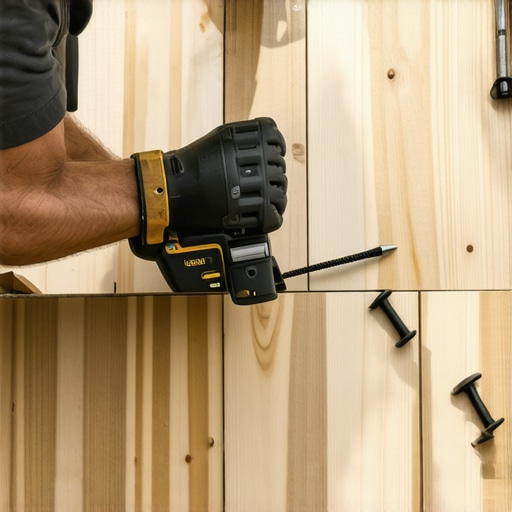
When it comes to repairs or adjustments, having a comprehensive set of fastening tools makes a significant difference. I prefer a cordless impact driver with multiple torque settings, such as the
Anticipate Future Trends and Prepare Now
Looking ahead, I predict that smart technology will play an increasing role in deck maintenance. Devices capable of monitoring moisture levels, structural stress, or even solar-powered lighting controls will become standard tools. Investing now in versatile, compatible hardware and software will ensure your deck remains resilient and visually appealing, regardless of weather extremities or wear and tear. If you’re interested in integrating tech, I recommend exploring options like the smart deck management systems.
How do I maintain my deck’s performance long-term?
Consistent inspections, proper cleaning techniques, and timely repairs are essential. Schedule biannual check-ups using your moisture meter and impact driver to catch issues early. Keep a maintenance log and note any signs of wear, especially after harsh weather. Applying protective sealants annually and replacing worn fasteners with high-quality stainless steel hardware will extend your deck’s lifespan significantly. For more detailed guidance on preserving your investment, visit our contact page.
Remember, the proper tools combined with proactive maintenance can keep your deck looking stunning and functioning smoothly for decades. So why not start today? Try upgrading your fastener set or scheduling a moisture check—you’ll thank yourself later!
What I Would Do Differently with the Benefits of Experience
One of my biggest lessons came from realizing that even the best materials can falter without meticulous planning—skimping on substructure support or rushing the fastening process led to unexpected shifting, which could have been prevented with a bit more patience and attention to detail. Additionally, I learned the importance of maintaining proper expansion gaps and selecting corrosion-resistant fasteners from the outset, sparing me costly repairs down the line. These insights remind me that successful composite decking relies just as much on installation technique as on material quality.
Tools, Resources, and Insights That Transformed My Approach
Over the years, I’ve relied on essential tools like a digital moisture meter, which alerted me early to hidden water issues, and a high-quality impact driver for precise fastening—both have been game-changers. I also trust industry-leading guides such as this comprehensive resource for practical tips that uphold durability. Books like modern deck design ideas have broadened my perspective on aesthetic choices and structural innovations. Combining reliable tools and trusted information has allowed me to craft decks that stand the test of time.
Your Project Awaits: Take the Next Step Now
Building a stunning, long-lasting composite deck is within your reach—armed with the right knowledge, tools, and attitude, you can transform your outdoor space into a true sanctuary. Remember, every challenge on this journey offers a chance to learn and improve. Why not start today by reviewing your support framework or scheduling a quick inspection? Your future self will thank you for taking action now. Ready to elevate your outdoor living? Share your plans or ask questions below—I’d love to hear your story and help you get started!