
There was a moment when I stepped onto a tiny backyard deck, and instead of feeling cramped, it seemed to breathe. The secret? A clever diagonal board technique that transformed the entire space. I remember thinking, “How did I not see this before?” Honestly, early in my DIY journey, I overlooked this simple trick, and it cost me in both time and frustration. But once I discovered the magic of diagonal layouts, everything changed.
Why Small Decks Feel Larger Than Life
Many homeowners struggle with limited space. They dream of an expansive outdoor retreat but are held back by narrow footprints. The solution isn’t always about knocking down walls or expanding; sometimes, it’s about perspective. I’ve found that our eyes and minds are easily tricked when clever design techniques are employed. One of my favorite tactics? Laying boards diagonally. It’s a visual game-changer that can make even the tiniest decks seem more spacious, inviting, and luxurious.
Research shows that diagonal patterns naturally guide the eye across a broader area, creating an illusion of depth and expansion. According to expert architects, such visual strategies have been used for centuries to enhance small spaces without structural modifications. But, here’s the kicker—many people shy away from this approach, fearing complexity or instability.
Now, I’ll be honest—my early attempts were full of mistakes. I once used standard square layouts and ended up with awkward cuts, uneven joints, and a feeling of unfinished chaos. I didn’t realize that the diagonal trick is much more forgiving when executed correctly—if you know what to watch out for. I want to share the practical steps that can help you master this technique and finally enjoy a deck that feels twice as big.
Preparing to Expand Your Deck’s Appeal
Before jumping into the project, I recommend reviewing your deck’s current layout and dimensions. Think of how a diagonal pattern can be integrated seamlessly. If you’re curious about design options that enhance curb appeal or passive backyard features, check out some of the popular [deck design ideas](https://deckforgebuilders.com/innovative-deck-design-ideas-that-elevate-your-homes-curb-appeal) to inspire your transformation. Once you’re ready, you’ll see how a simple change in board orientation can make a world of difference. Have you faced the challenge of making a small outdoor space feel grand? If so, stay tuned—I’m about to show you the step-by-step process to bring this trick to life.
Mark Your Deck Layout Precisely
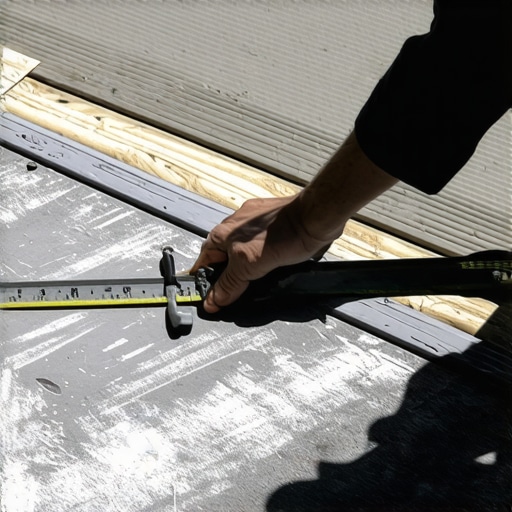
Start by measuring your deck’s dimensions accurately. Use a chalk line to mark the corners, then decide on the diagonal angle—typically 45 degrees—that will maximize visual expansion. I recall a time I mismeasured and had to redo my lines, but taking your time at this stage prevents costly mistakes later. Ensure your lines are crisp and clearly visible for the next step.
Cutting and Planning Boards Effectively
Next, plan the board layout. Since diagonal cuts are more complex than standard perpendicular ends, I recommend cutting a few test pieces first. Use a miter saw set to 45 degrees to trim the ends of your composite or wood boards. Remember, the goal is tight, continuous joints at the corners and edges. I had some initial gaps until I realized the importance of precise angle settings—small adjustments can make a significant difference.
Installation Tips for Seamless Results
Lay the boards along your chalk lines, working from one end to the other. Use clamps to hold each plank steady, and pre-drill holes to prevent splitting, especially on composite decking which can be brittle. When fastening, countersink screws just below the surface for a smooth finish. I once skipped this step and had to go back to fill and sand, which was tedious but worthwhile. For a neater look, you can hide fasteners with composite caps or install hidden fastener systems.
Handling Complex Angles and Corners
Corners where boards meet are critical; use a scrap piece to test the exact cut angle needed. When joining two boards at an inside or outside corner, cut matching miter angles to ensure tight fit and a clean joint. Visualize this as puzzle pieces locking together perfectly—any misalignment will be obvious. Keep spare cuts handy to replace any misfitted pieces.
Ensuring a Level and Stable Surface
Before laying the boards, double-check the underlying joists for levelness. Use a level or sightline to identify uneven spots, and shim as necessary to create a flat surface. Remember, even small dips will show prominently in a diagonal layout. To reinforce stability, consider additional blocking between joists—this distributes weight more evenly and prevents bounce, especially if you plan to add heavy furniture or planters. For extra guidance on durable deck structures, visit this resource.
Finish and Seal for Longevity
Once installation is complete, inspect all joints and fasteners. Fill any gaps with appropriate sealant or caulk to prevent water infiltration. Apply a high-quality deck sealant or stain suitable for diagonal layouts to ensure protection against weather and UV damage. A well-sealed surface not only prolongs the deck’s lifespan but also maintains the sleek diagonal appearance over time. Regular maintenance, such as cleaning with a vinegar-water solution, keeps the deck looking fresh and inviting, especially when using darker composite boards which can attract more dirt and grime.
Implementing this diagonal pattern might feel daunting at first, especially with complex angles and cuts, but the visual payoff is undeniable. The trick lies in meticulous measurements, precise cuts, and careful fastening. When done right, your small deck will surprisingly feel more expansive, inviting, and stylish—a transformation achieved through simple yet effective craftsmanship.
 Many homeowners and DIY enthusiasts often believe that selecting the latest composite material or the most stylish railing automatically guarantees a perfect, durable deck. However, what many overlook are the subtleties that can make or break the longevity and safety of outdoor structures. Let’s dig deeper into these little-known pitfalls and nuanced aspects that are frequently misunderstood.
One common myth is that all composite decking is created equal. In reality, not all composites have the same properties or performance. For instance, some lower-end options can warp, stain, or develop ghosting effects over time, especially under direct sunlight or water exposure. Experts recommend choosing capped composite boards, which offer superior UV resistance and less maintenance. To stay ahead, study the trends and select solutions that are proven for durability, as outlined in [this resource](https://deckforgebuilders.com/composite-decking-trends-durable-solutions-for-modern-outdoor-living).
When it comes to railing systems, a widespread misconception is that simple bolt-on models suffice for safety and aesthetic appeal. But the real finesse involves understanding the intricacies of tension and support—especially with cable railings. Many install these systems without accounting for tension loss caused by seasonal temperature variations or corrosion, leading to sagging and compromised safety. For advanced insight, see how tension issues are addressed in [this article](https://deckforgebuilders.com/why-cable-railings-lose-tension-and-how-to-fix-it).
Permitting and code compliance are often underestimated as well. Installing a pergola or fancy railing might look appealing, but overlooking local building codes can lead to costly rework or fines. A common oversight is failing to consider the overhead or clearance height, which can be crucial in some jurisdictions. To avoid this “trap,” consult local codes before finalizing the design or visit [this detailed guide](https://deckforgebuilders.com/why-your-pergola-canopy-is-sagging-and-how-to-tension-it) for best practices.
For those integrating pergolas, the misconception that standard beams suffice for support can be dangerous. The nuance lies in accounting for load distribution and wind bracing, especially in exposed areas. Using expert techniques, like the diagonal bracing or proper post anchoring, can prevent tipping or sagging over time. Find out more about these advanced strategies in [this post](https://deckforgebuilders.com/the-diagonal-bracing-move-that-stops-pergola-tipping).
A critical mistake recurring in deck design involves neglecting expansion gaps, especially with composite and PVC boards. Without proper gaps, materials can buckle, warp, or crack, leading to costly repairs. This detail is often overlooked during installation but plays a vital role in long-term performance. To make sure your deck adapts naturally to temperature changes, check out [this expert advice](https://deckforgebuilders.com/how-to-fix-deep-scratches-in-composite-without-sanding).
Make sure you consider the hidden nuances like these to elevate your deck project from average to outstanding. Each decision, from material choice to support support system, impacts safety, aesthetics, and lifespan. Do you feel confident avoiding these common pitfalls? If not, do your homework and consult trusted resources or professionals. Have you ever fallen into this trap? Let me know in the comments.
Tools I Recommend for Deck Maintenance and Enhancements
Maintaining a beautiful and durable deck requires the right set of tools that balance precision, efficiency, and longevity. Personally, I swear by a high-quality cordless impact driver, like the Milwaukee M18, because it offers the power needed to install fasteners quickly, especially when working with composite decking or railing brackets. Its brushless motor ensures longer battery life and sustained torque, which is essential when dealing with dense materials. Why I prefer impact drivers is their ability to drive screws flush or slightly recessed without stripping, saving time and ensuring a clean finish.
For cutting composite boards, a fine-tooth circular saw equipped with a blade designed specifically for composites minimizes chipping and provides cleaner cuts. I often choose the Diablo D1070CF, as its alternating tooth design is excellent at reducing heat buildup and preventing meltdowns during longer cuts. Proper blades are crucial because they prolong the lifespan of your saw and deliver precise cuts that fit perfectly, which is vital when creating custom angles or fitting unique joinery.
Beyond power tools, I rely heavily on a high-grade scoring knife for detailed shaping and chamfering of edges, especially when fitting boards around complicated corners or accessible electrical wiring enclosures. Precise scoring ensures tight joints and professional-looking finishes. Also, a quality cordless drill with adjustable torque settings is invaluable for pre-drilling holes and installing hardware without damaging composite or wood surfaces.
Long-Term Upkeep With the Right Equipment
Maintaining your deck’s appearance and structural integrity over time involves regular inspections, cleaning, and sealing. A commercial-grade pressure washer might seem tempting, but I recommend avoiding power washing new composite decks, as it can damage the surface. Instead, a dedicated garden hose with a soft brush attachment and eco-friendly cleaner allows for gentle cleaning, preserving the resin surface of capped composites. Look for products with biodegradable formulas to stay environmentally conscious, and consider tools like telescoping brushes to reach under the deck safely.
For ongoing protection, I opt for a quality sprayer with adjustable settings, such as the Chapin 20000 Series, which lets me apply deck sealant evenly across surfaces. Remember, applying a fresh coat of sealant every 2-3 years can dramatically prolong your deck’s lifespan and keep it resistant to weathering.
Embrace the Future of Deck Care
As technology advances, I predict smart maintenance tools will become more prevalent, like IoT-enabled sensors that monitor moisture and structural stress in real-time. These innovations could alert you early in case of potential issues, saving time and repair costs. Staying ahead with the latest tools not only simplifies maintenance but also upholds safety and aesthetic standards.
How do I maintain my railing system over time?
Regular inspections for loose fasteners, corrosion, and tension loss—especially in cable railings—are essential. Use a tension gauge to ensure cables remain taut; if they sag, follow expert methods like those discussed in this resource. Tightening or replacing worn components early prevents major failures and preserves your deck’s safety and style. Consider changing fasteners to corrosion-resistant stainless steel to handle weather challenges and avoid unnecessary replacements.
By investing in the right tools and committing to routine care, you’ll enjoy your outdoor space for years to come. For instance, try the clamping trick outlined here to achieve perfectly aligned boards or rails without hassle. Incorporating these techniques and tools into your routine will keep your deck looking pristine and functioning flawlessly.
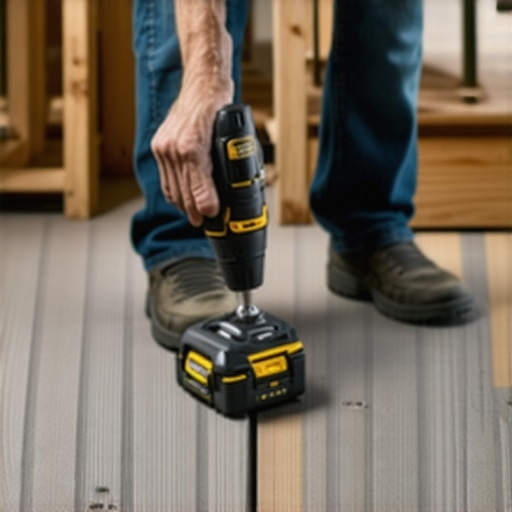
Imagine a sleek, cordless impact driver expertly driving fasteners into a composite deck with precision—this is the kind of tool that transforms maintenance from a chore into a breeze. Proper equipment empowers you to handle repairs, adjustments, and upgrades efficiently, ensuring your outdoor retreat remains both beautiful and safe over the years.
Through my hands-on experience transforming tiny decks, I discovered that the true magic isn’t just in the materials or tools but in the perspective shift. Embracing unconventional design tactics, like diagonal layouts, can unlock a newfound sense of space and elegance. It’s a reminder that sometimes, the smallest change—like angling a few boards—can redefine the entire outdoor atmosphere.
What I Wish I Knew When I Started Shaping Decks
- More than Material Matters: Selecting high-quality composites is vital, but understanding how installation nuances impact longevity is even more crucial. For instance, hidden fasteners might seem minor but play a significant role in durability, as explained in this resource.
- Design Details Make the Difference: A diagonal layout isn’t just aesthetic—it’s a strategic tool to make a space feel more expansive. I realized that paying close attention to precise measurements and angles turns a good project into a great one.
- Support Matters Behind the Scenes: Reinforcing joists and proper drainage are often overlooked. These hidden aspects prevent future issues like sagging or water damage, crucial in maintaining your deck’s beauty and safety over time.
- Tools Are Your Best Allies: Investing in quality impact drivers and saw blades designed for composites transforms what could be tedious into an enjoyable, efficient process. Trusting the right equipment speeds up work without sacrificing quality.
My Toolbox for Effortless Deck Success
- Impact Driver: The Milwaukee M18 impacts my workflow, offering power and precision that make fastener installation seamless, especially with composite materials.
- Diamond-Back Circular Saw: Its fine teeth and reliable cuts help achieve perfect angles when working with diagonally laid boards, minimizing chipping and rework.
- Sealing Gun and Eco-Friendly Sealants: Applying protective coatings with the right tools ensures longevity, transforming routine maintenance into moments of pride.
- Tension Gauge and Fastener Set: For cable railings and support systems, these keep safety standard without guesswork, prolonging their lifespan and your peace of mind.
Seize the Moment to Elevate Your Outdoor Space
Embarking on a deck project—whether expanding a small patio or redesigning an existing structure—is an empowering journey. Every thoughtful choice and technique learned bolsters your confidence and craftsmanship. Remember, every deck has the potential to become a personalized haven. Take those steps today, experiment with the tips shared, and transform your outdoor oasis into a space you’ll cherish for years to come.
What small change are you planning to make on your deck first? Drop your ideas below—I’d love to hear your plans!