
I remember the exact moment I stepped outside to enjoy my new backyard haven, only to be greeted by a soggy, muddy mess beneath my deck. The rain had stopped, but the area underneath stayed stubbornly wet—water pooling and seeping into my plans for a cozy patio. That lightbulb moment made me realize how frustrating it can be to have a beautiful deck and an inviting outdoor space, yet be thwarted by water issues below. I knew there had to be a solution—and I found it in the under-deck ceiling trick, which revolutionized my outdoor experience.
Why a Dry Patio Matters More Than Ever
In today’s outdoor living scene, having a space that’s protected from rain and moisture is essential. Not only does a dry patio extend your usable space, but it also safeguards your home’s structure and your investment. A wet, muddy area beneath a deck can lead to mold, rot, and an overall mess that’s tough to manage. Plus, it can kill your outdoor lounge vibe faster than a summer thunderstorm. Many homeowners don’t realize that the secret lies just above their heads.
Is the Under-Deck Ceiling Trick Worth the Hype?
Honestly, I was skeptical at first. I had visions of complicated, expensive projects that would involve tearing apart my existing deck. But early on, I made a mistake. I assumed that because my deck was built with composite decking, water would naturally run off and never cause trouble underneath. Wrong. Water found its way through gaps, causing damage I was unaware of until it was too late. That’s when I discovered the importance of properly sealing and channeling water—lessons I wish I’d learned sooner. For those considering this route, know that a good under-deck ceiling system can be a game-changer, keeping your outdoor space dry and inviting year-round.
If this problem sounds familiar, don’t worry. In the upcoming sections, I’ll walk you through how this simple yet effective trick can transform your backyard and save you from future headaches. Whether you’re dreaming of a cozy patio or contemplating a pergola upgrade, understanding how to keep water at bay is key. Want to learn the step-by-step process? Let’s move on to the practical side of things and get your space ready for any weather.
Start with a Solid Frame
My first step was to build a sturdy support structure underneath my existing deck, which acts as the foundation for the ceiling system. I used pressure-treated lumber, ensuring support beams were spaced correctly—typically 24 inches apart—to prevent sagging, much like a reliable skeleton for a building. I attached vertical posts to the existing joists using heavy-duty brackets, securing everything with corrosion-resistant fasteners. This framework needs to be level and robust, as it bears the weight of the ceiling and protects your outdoor space from water intrusion.
Secure the Support Posts Properly
I made sure to anchor the support posts into the ground or concrete footings using post foundations. This stabilizes the entire system against wind and weather. I used a post base that elevates the wood slightly above the ground, preventing moisture absorption—crucial for longevity. I also double-checked for plumbness with a level, ensuring your ceiling will be perfectly aligned and effective at channeling water.
Install the Drainage Layer
Next, I laid a drainage layer on top of the support structure, which is key to redirect water. Think of it like placing a grid beneath a bed of water—allowing it to flow freely rather than pool. I used a special under-deck drainage mat with built-in channels, designed for this purpose. These mats have a textured surface that creates air pockets and channels, facilitating quick water runoff. Proper installation meant overlapping the seams and sealing them with appropriate tape, so no water could seep into unintended areas.
Positioning the Drainage Surface
Aligning the drainage panels required precision; I cut them to fit the deck’s dimensions using a fine-tooth saw, avoiding splinters that could compromise integrity. When fitting the panels, I made sure the channels pointed towards the drainage outlet—usually at the edge of the deck—so water naturally flows out. I secured the panels to the support beams with weather-resistant staples or screws, following manufacturer instructions closely for a tight fit.
Attach the Roofing Material
With the drainage system in place, I installed the roofing panels to serve as the ceiling. Composite decking boards resemble huge, durable puzzle pieces, so I used a hidden fastener system to avoid visible screws. These clips snap into place beneath the boards, securing them neatly while allowing for expansion and contraction—an important consideration for composite materials. I made sure each board overhangs slightly at the edges, directing water toward the drainage outlets, mimicking a roof’s water-shedding design.
Seal the Joints Carefully
To prevent leaks, I applied a high-quality, weatherproof sealant along all the joints and seams. It’s similar to caulking around a bathtub—sealing gaps that could invite water intrusion. I also inspected the entire installation for gaps or loose fittings, fixing any imperfections immediately. This attention to detail ensures your under-deck ceiling remains water-tight even during heavy rainfall.
Finish with Aesthetics and Functionality
Finally, I added trim pieces and integrated lighting or fans if desired, turning my backyard into a functional, inviting space. The system isn’t just about dryness; it’s about creating a comfortable area to enjoy year-round—free from muddy puddles and moisture damage. Proper installation of each component ensures long-term performance, making your outdoor oasis sustainable and enjoyable.
If you’re considering similar projects, exploring [composite decking trends](https://deckforgebuilders.com/composite-decking-trends-durable-solutions-for-modern-outdoor-living) can inspire your design, while [custom railing systems](https://deckforgebuilders.com/transform-your-outdoor-space-custom-railing-systems-for-safety-and-style) add safety and style. Precise planning and execution are key to turning this technical process into a successful backyard upgrade.
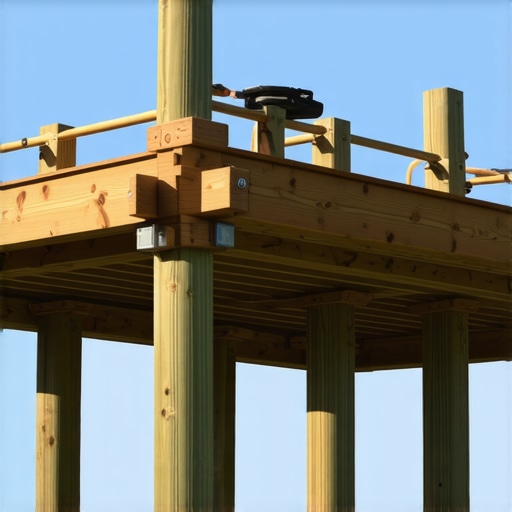
Many homeowners and DIY enthusiasts believe that choosing high-quality composite decking automatically guarantees a maintenance-free and durable outdoor space. However, this common misconception overlooks several nuanced aspects that can make or break the longevity and aesthetics of your deck. One of the most overlooked points is the importance of proper installation techniques, which are often underestimated. Incorrect fastening methods or failing to account for thermal expansion can lead to warping, buckling, or unsightly gaps over time.
Another prevalent myth revolves around deck design intuition. For example, some assume that placing heavy furniture or planters directly on composite boards won’t affect the material. In reality, improper weight distribution or failure to use appropriate support can cause flexing or premature sagging. Additionally, many overlook the critical role of ventilation in deck design. Without adequate airflow beneath the boards, moisture accumulates, accelerating mold growth and material degradation, even with sealed and composite materials. This subtle nuance is often missed in basic deck planning.
Advanced builders understand that the choice of railing systems isn’t just about aesthetics. The wrong pick can compromise safety or violate local codes, especially when it comes to cable or glass railings. For instance, some are unaware that certain cable tensioning systems gradually lose tension due to temperature fluctuations, necessitating regular upkeep. It’s essential to select hardware designed to accommodate these dynamic forces, otherwise, you risk safety hazards or additional costs for replacements. For a well-rounded approach, consider exploring custom railing systems that offer both style and reliability.
How can I optimize composite decking for extreme weather conditions?
Experts emphasize that understanding material properties and installation details is vital for weather resilience. For instance, composite boards expand and contract with temperature shifts, making the use of proper gap spacing and fastening critical. Additionally, selecting capped composite decking, which has a protective shell, can significantly improve resistance to UV rays, moisture, and pests. Proper sealing of joints and expansion gaps further prevents water infiltration that could lead to hidden rot beneath the surface—an issue many overlook when planning their projects. Incorporating proper support structure and ensuring adequate drainage are equally important to prevent water pooling and damage over time. Staying informed about current trends in composite decking can help you pick the best solutions for your regional climate and usage needs.
Many fall into the trap of neglecting these nuanced details, thinking that a straightforward installation suffices. But in my experience, paying close attention to the minutiae—like support spacing, ventilation, and material compatibility—ensures your deck remains beautiful and functional for years. Have you ever fallen into this trap? Let me know in the comments, and I’ll gladly share more insider tips to elevate your outdoor living space.
Keep Your Deck and Pergola in Top Shape with the Right Tools
Maintaining a beautiful and durable outdoor space requires more than just good intentions; it demands the right equipment. Over the years, I’ve refined my toolkit to include specific tools that ensure each maintenance task is efficient and effective. Investing in quality tools not only prolongs the lifespan of your structures but also makes routine care less of a chore. Let me share some of my personal favorites and why they matter.
The Power of a Good Pressure Washer
A high-quality, adjustable pressure washer is indispensable. I recommend models with variable pressure settings and interchangeable nozzles, such as the Kärcher K5 Premium. Its variable pressure allows me to clean composite boards without risking damage, following the advice from expert guidance. Proper pressure washing keeps your deck free of mold and grime, vital for long-term beauty.
Precision Cutting Tools for Composite Boards
Cutting composite decking requires a saw that offers clean, splinter-free cuts. I prefer a finely tungsten-tipped circular saw blade paired with a cordless reciprocating saw—this combo provides maneuverability and clean cuts, minimizing material wastage. A sharp blade reduces the risk of chipping, which is crucial when trimming boards for that perfect fit—like when hiding expansion gaps or aligning boards seamlessly.
Specialized Fasteners and Hidden Clips
Fastener quality directly impacts the finish and durability of your deck. I always use stainless steel or coated hidden fasteners designed explicitly for composite materials. These tools come with a hidden clip system which enables a sleek, gapless appearance and reduces the risk of corrosion over time. Remember, a fastener gun with adjustable torque settings ensures you avoid overtightening, which can crack composite boards.
Measuring and Leveling Equipment
Don’t underestimate the importance of precision. A laser level and a high-quality tape measure allow me to maintain consistent spacing and ensure your deck and pergola are perfectly square. For example, when installing custom railing systems, these tools help align posts accurately, preventing wobbliness and safety issues. Reliable measurements are central to achieving that professional look and long-term performance.
Tools for Long-Term Care and Upgrades
As your outdoor space evolves, so should your toolkit. A durable screwdriver set, hand pry bars, and quality sealant guns are essential for tasks like replacing old fixtures or sealing expansion gaps. For annual cleaning and minor repairs, a soft-bristle brush and a foam gun for applying cleaner solutions make maintenance easier and less abrasive to your surfaces.
The Future of Outdoor Maintenance Tools
Looking ahead, I predict smart tools—like app-controlled pressure washers or laser-guided leveling systems—will become the norm. These innovations promise greater precision and less manual effort, making maintenance more accessible for DIY enthusiasts and professionals alike. Incorporating such technology could be a game-changer for those aiming for perfection in their deck and pergola projects.
How do I keep my outdoor structures working over time?
The key to longevity is regular maintenance using these specialized tools. Don’t wait for noticeable damage; proactive care with proper equipment prevents minor issues from escalating. For instance, routinely inspecting and sealing expansion gaps helps prevent water infiltration, a mistake I’ve seen many make by neglecting this detail. For a professional upgrade, I recommend exploring custom railing systems that complement your maintenance routine.
Next, try applying a high-grade sealant with your sealant gun to protect your deck’s surface and joints. By investing in the right tools and performing regular upkeep, you prolong both the aesthetic appeal and structural integrity of your outdoor living area. Remember, an ounce of prevention is worth a pound of cure when maintaining your composite deck and pergola.

So, what are you waiting for? Grab that laser level or upgrade your fastener gun today, and take your outdoor maintenance to the next level. Doing so ensures your backyard oasis remains a place of relaxation and pride for years to come.
,
Lessons Only the Wrightest DIY Enthusiast Learns About Decks and Pergolas
- My biggest mistake was underestimating the importance of proper drainage; no matter how quality your composite decking is, neglecting water flow can lead to months of frustration and costly repairs.
- Choosing the right fasteners and support structure isn’t just about appearance—stability and longevity hinge on these small but crucial details I learned the hard way.
- Ventilation beneath the deck can’t be ignored; allowing air to circulate prevents moisture buildup, which is vital for avoiding mold and rot—something I didn’t realize until I faced the consequences.
- Overthinking aesthetic choices without considering maintenance impact might look good initially but can backfire, leading to more upkeep than expected; simple, functional design wins long-term.
- I discovered that integrating modern tools like laser levels and quality sealant guns makes the difference between a professional-looking deck and a DIY disaster; don’t skimp on your toolkit!
Tools and Tips That Changed How I Handle Outdoor Spaces
- The Kärcher K5 Premium pressure washer is a game-changer for cleaning composite decks effectively without damage, making routine upkeep much easier.
- A finely tungsten-tipped circular saw with a helpful jig ensures precise, splinter-free cuts—saving time and preventing costly mistakes during installation.
- Using stainless steel hidden fasteners and a quality, weatherproof sealant keeps your deck stylish and protected from water infiltration—literally, the backbone of durability.
- Laser levels, combined with expanded support brackets, guarantee your deck and pergola sit perfectly aligned, boosting both safety and visual appeal.
Ready to Embrace Your Outdoor Oasis
Transforming your backyard with a water-resistant deck isn’t just about renovation—it’s about creating a personal retreat that withstands the test of time and weather. Each step, from selecting the right materials to mastering essential tools, builds toward a space you’re proud of. Don’t shy away from starting your own upgrade journey; the rewards extend beyond the aesthetics, into everyday convenience and peace of mind. Your outdoor sanctuary awaits—are you ready to make it happen?
What part of outdoor deck or pergola planning has challenged you the most? Share your experiences below, and let’s grow together in this backyard adventure!