
I remember the exact moment I realized my pergola posts weren’t quite right. It was a sunny Saturday, and I spent hours trying to align those towering wooden posts, only to step back and see a crooked mess. Frustrating, right? That lightbulb moment hit me hard—what I needed was a simple, reliable way to set those posts perfectly straight without constantly re-measuring or second-guessing myself.
The Power of the String Line Trick
Since then, I’ve relied on the classic string line trick. It’s a straightforward method that guarantees a level, aligned structure—no fancy tools needed. But here’s the thing: when I first started, I made a critical mistake. I didn’t secure the string properly, so it sagged or shifted, throwing off my measurements. That’s common among DIYers, and it’s also one reason some think this trick isn’t worth the fuss.
Will This Really Save Me Time and Headaches?
Absolutely. Using a well-placed string line allows you to visualize your alignment before digging, saving you from costly rework. And trust me, when your pergola is the centerpiece of your backyard, you want it to look pristine and professional. Plus, the technique is versatile for other projects—like lining up railing posts or setting fence panels. It’s a game-changer that many overlook because they think it’s too simple or old-fashioned.
In fact, a recent study highlighted that proper alignment ensures greater stability and safety for outdoor structures, reducing long-term maintenance costs (source). Knowing that, it’s clear: a little planning with a string isn’t just about looks; it’s about durability too.
Now, if you’ve faced the headache of crooked posts, or if you’re just eager to make your pergola installation smoother, stay tuned. I’m going to walk you through the steps to master this technique, so you can build with confidence and put that crooked post frustration behind you.
Setting the Foundation with a String Line
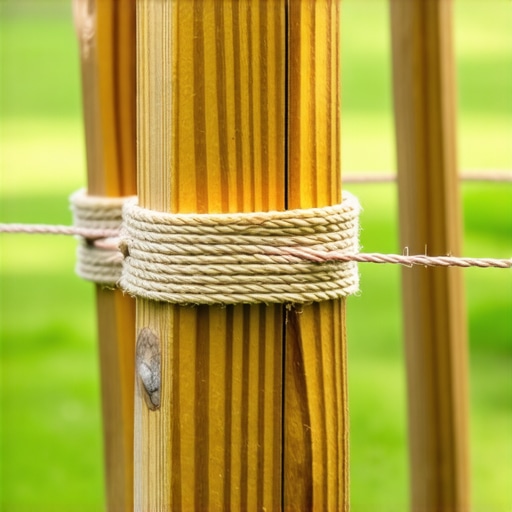
Grab your favorite string, a couple of stakes, and a level—think of it like setting a skateboard ramp: everything needs to be perfectly aligned to avoid a wipeout. I once started marking my post locations without tensioning the string properly, and I ended up with one post leaning like the Tower of Pisa. It was a mess, but it taught me the importance of tight, secure lines. Tie the string between two stakes at the desired height, making sure it’s taut and level. This will serve as your visual guideline for the entire project.
Anchoring the String and Double-Checking
Next, I anchored the string at the top of where my pergola posts would go, then double-checked with a level—imagine balancing a pencil on your finger, but for a larger scale. The key is to ensure the string runs precisely along the height you need for all posts. I recommend verifying the string’s tension periodically to prevent sagging, which can cause crooked posts. Secure the stakes deeply into the ground so they don’t shift while you’re working, acting like anchors for your project’s success.
Marking and Cutting Your Posts
With the string in place, mark the point where each post meets that line. Use a pencil or chalk for clear visibility. I once temporarily clamped a piece of scrap wood at the marked height to visualize how the post would look—this small practical step helped me avoid cutting too short or too long. When cutting, always measure twice—just like a carpenter double-checks before nailing—that extra step saves a lot of frustration later.
Securing Posts for Straightness
Set the posts into their brackets or post bases, then temporarily brace each one with stakes or clamps to keep them upright. Think of it like holding a flagpole steady while you tighten the mount—it’s all about preventing movement during concrete pours or final fastening. I once used a carpenter’s level on each post after placement, adjusting until the bubble sat dead center, ensuring perfect verticality.
Monitoring Alignment as You Build
While assembling the pergola, keep checking the string line periodically. It’s like a GPS guiding your project—without it, your structure might veer off course. If you notice a post shifting, re-tighten the braces immediately. Remember, a crooked pergola can become a structural nightmare—think of it as building on quicksand rather than solid ground. Patience here pays off in the end.
Common Pitfalls and How to Avoid Them
One mistake I see often is neglecting to re-verify the string after setting each post—small movements happen, especially in loose soil. Also, don’t ignore the terrain; uneven ground means you may need to adjust your string or use shims to compensate. Using a laser level can add precision, but the string method remains a reliable, cost-effective approach for most backyard projects.
By sticking closely to these steps, you’ll build a pergola with perfectly aligned posts—making your outdoor space not just stylish but also structurally sound. Remember, the foundation you lay with this technique sets the stage for everything that follows, from installing your composite decking to adding custom railing systems (find out more about railing options). Keep your line tight, and your project will reflect the precision and care it deserves.
 When it comes to designing a deck, many homeowners fall prey to popular myths that can compromise both aesthetics and durability. A typical misconception is that choosing the darkest composite decking colors is always the best for hiding dirt. In reality, darker shades tend to absorb more heat, making barefoot walking uncomfortable during hot summers. For example, a recent study from the University of California highlights how lighter colors reflect sunlight, keeping your deck cooler and more inviting (source).
Also, some believe that railing systems are a simple, one-size-fits-all solution. But in fact, the right railing selection depends on critical factors like local building codes and wind exposure. Using an inappropriate style or materials can lead to wobbling or even failure over time, especially in areas prone to storms. It’s essential to understand the nuances of structural support, such as proper blocking behind the railing posts, to ensure longevity and safety. For expert insights, see how proper blocking can prevent typical wobble issues (solution).
Many believe that pergolas are purely decorative, but overlooking their structural design can lead to sway and instability, especially in high-wind zones. Advanced builders know that incorporating diagonal bracing and appropriate anchoring prevents lateral movement. Even seemingly minor details, like how posts are set into footing or secured with the correct brackets, make a significant difference. For instance, using proper post anchors with enough depth and hardware can eliminate common sway issues (expert tip).
Beware of the myth that all fasteners on composite decking are interchangeable. The reality is, using nails instead of screws can cause the surface to bulge, creating trip hazards and an unsightly appearance. Additionally, employing the wrong type of fastener can lead to corrosion or mushrooming holes, particularly in wider planks. Advanced fastening techniques, such as hidden fasteners or proper spacing, ensure a smooth, professional finish that lasts years longer. For more detailed insights, check out the best practices for fastening composite boards (techniques).
### How do you distinguish between effective design and mere aesthetics?
Achieving this balance requires understanding the hidden nuances—like the importance of proper spacing for expansion or the subtle differences in materials’ moisture resistance. Overlooking these can lead to unexpected issues such as warping, cracking, or rot development, which undermine your investment. A thoughtful approach combining structural knowledge with aesthetic choices ensures your deck remains stunning and durable.
Let’s not forget the value of consulting professionals versus DIY shortcuts. A well-designed deck accounts for local climate, terrain, and long-term maintenance needs—details often missed by amateurs. Remember, a little extra effort in planning saves you a lot of trouble down the line. Want to dive deeper into expert-backed deck innovations? Explore how modern materials and designs can elevate your outdoor space (learn more).
Have you ever fallen into this trap? Let me know in the comments and share your experience with design pitfalls or innovations.
Maintaining your outdoor structures like decks, pergolas, and railing systems requires precision tools and consistent care to ensure they remain functional and beautiful over time. Personally, I rely on a selection of specialized equipment that allows me to perform detailed inspections and subtle repairs, extending the lifespan of my projects.
Why Invest in Quality Measuring and Alignment Tools?
Proper alignment is the backbone of a durable deck or pergola. I highly recommend using a laser level, such as the DeWalt DW088K Cross Line Laser, because it provides accurate, consistent readings across large spans without the fuss of traditional bubble levels. Unlike traditional levels, laser tools project a continuous line, making it easier to verify the straightness of beams and posts quickly. This eliminates guesswork, especially in uneven terrain, and saves countless hours on re-adjustments.
Choosing the Right Fastening System to Prevent Future Failures
Fasteners are often overlooked but are critical in maintaining structural integrity. I prefer using stainless steel composite deck screws like the Grip-Rite 3-Inch Coated Deck Screws because they resist corrosion and mushrooming. Proper fasteners prevent common issues, like screw head stripping or material splitting, especially when dealing with compressible composite materials. Investing in high-quality fasteners even at the start reduces the need for repairs later, which can be costly and labor-intensive.
Tools I Use to Keep My Decks Clean and Safe
Regular cleaning preserves both aesthetics and safety. I find that a power washer with adjustable pressure, like the Kärcher K5 Premium, is indispensable. Set it to a moderate PSI to remove grime without damaging the surface. Additionally, applying a sealant annually, such as our recommended sealants, helps prevent moisture intrusion and prolongs the deck’s appearance.
How do I maintain my pergola and railing systems over time?
Keeping these structures in top shape involves inspecting for movement, rot, or hardware deterioration annually. Using a combination of a sturdy pry bar, a torque wrench, and weather-resistant hardware like stainless steel bolts allows me to tighten or replace components before any failure occurs. Additionally, protective coatings such as clear corrosion inhibitors from recommended products can slow down wear caused by moisture and wind exposure.
Future Trends in Maintenance Technology
I believe that advancements like drone inspections and smart moisture sensors will revolutionize outdoor structure maintenance. These tools will allow homeowners and contractors to detect issues early, avoiding costly repairs. As technology becomes more accessible, I recommend experimenting with these innovations to keep your decks and pergolas functioning perfectly for years to come.
Get started today by incorporating a laser level into your toolkit — it’s a game-changer for ensuring perfect alignment and long-term durability. Don’t forget to schedule annual inspections, combine them with professional-grade sealants, and upgrade hardware as needed. Your outdoor haven will thank you for the investment.
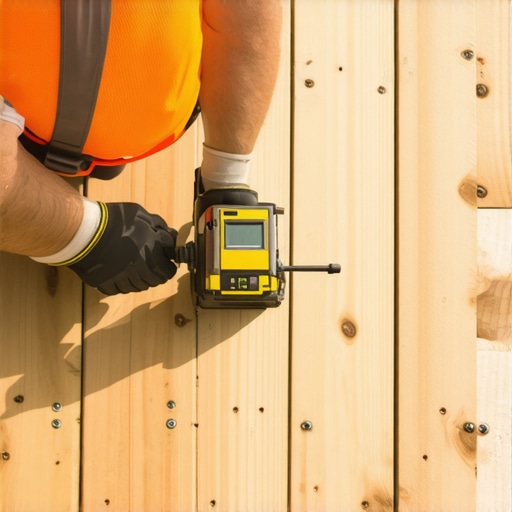
For a visual reminder of these tools in action, envision a well-lit workspace showing a laser level aligned across a deck beam, with stainless steel fasteners nearby, ready for installation.
What I Wish I Knew Before Starting My First Pergola Project
- One of the toughest lessons was realizing that even the smallest misalignment could snowball into major stability issues. Employing a laser level early on saved me countless headaches, making me appreciate precision tools that deliver results beyond what manual methods can achieve.
- Choosing the right materials—especially for fasteners—can extend the lifespan of your structure significantly. I underestimated the importance of corrosion-resistant hardware, which led to unnecessary repairs down the line. Trusting quality fasteners like stainless steel bolts ensures your project stays solid for years.
- Understanding how structures respond to environmental factors, such as wind and moisture, changed my entire approach. Incorporating diagonal bracing and proper anchoring wasn’t just about aesthetics; it was about building a resilient backyard haven fit for all seasons.
- Often, I overlooked terrain variations, which caused alignment issues. Taking a moment to survey and adapt to the land helped me achieve that flawless appearance I envisioned, teaching me the value of thorough site assessment before any project begins.
Where to Find Tools and Knowledge That Truly Make a Difference
- The latest composite decking trends have revolutionized my approach, emphasizing durability and color stability. Staying updated ensures my decks remain stunning despite weather challenges.
- For structural insights, I rely on resources like blockings and anchoring techniques. They provide practical, tested solutions that prevent wobbling and sway, crucial for long-term safety.
- When it comes to tools, I swear by laser levels such as the DeWalt DW088K. Combining quality equipment with a mindset of meticulous measurement transforms a DIY project into professional-quality craftsmanship.
- Learning from seasoned experts through dedicated blogs and forums has kept me motivated. Their real-world tips and troubleshooting stories are invaluable—saving me from common pitfalls and inspiring innovative solutions.
Your Next Step Toward Perfection
Building beautiful, durable outdoor structures isn’t just about following steps; it’s about embracing the details that make all the difference. Whether it’s mastering the correct alignment with a simple string line or selecting hardware that withstands nature’s test, your dedication pays off in a backyard oasis that’s both inviting and resilient. Remember, every project is an opportunity to learn and elevate your skills—so don’t be afraid to experiment, ask questions, and refine your techniques. Ready to transform your outdoor space? Share your biggest challenge below and let’s learn together!