
It was a bright Saturday afternoon when I finally took a close look at my deck’s glass railings—only to be greeted by a cloudy, foggy haze that seemed to obscure all the scenic views I had worked so hard to enjoy. Frustration sank in as I realized I wasn’t alone; countless homeowners face this very dilemma. The once-crystal-clear panels turn into hazy barriers, diminishing the beauty and safety of outdoor living spaces. If you’ve ever experienced that sudden disappointment every time you step onto your deck, you’re not alone—and more importantly, there’s a solution.
Understanding Why Your Glass Railings Turn Foggy
Foggy or cloudy glass railings aren’t just an aesthetic nuisance; they can also signal underlying issues that, if left unaddressed, may lead to more significant problems like mold growth or structural damage. Most homeowners don’t realize that the primary culprit is often moisture trapped between the glass panels or within the protective coatings. This condensation occurs due to fluctuations in temperature and humidity levels, especially in coastal or humid environments. An external study revealed that improper sealing and poor ventilation can cause internal fogging, which is notoriously stubborn to clean.
In my early days of DIY railing installation, I made a mistake I now advise everyone to avoid: ignoring the importance of proper sealing and ventilation. I assumed that the factory-installed seals were enough, only to find my panels clouded within a year. That experience taught me that proactive maintenance and understanding the root cause are key to maintaining clarity.
If you’re wondering whether this foggy haze is inevitable, or if there’s a way to restore your glass’s transparency, stick around. In the upcoming sections, we’ll explore practical, easy-to-implement solutions to clear up your glass panels and keep them looking pristine for years to come.
Is Wind, Weather, and Humidity Really The Enemy?
Many skeptics worry if fixing foggy glass is merely a superficial fix or a temporary patch. Having faced this problem myself, I understand the doubt. But the truth is, with the right approach—like ensuring proper sealing and choosing the right glass treatments—you can significantly reduce condensation buildup. Plus, you’ll be surprised how simple some fixes are, such as applying specialized anti-fog coatings or improving ventilation.
Ready to get rid of that cloudy view and bring back the clarity? Let’s dive into the solutions that worked for me—and could work for you too.
Remove Moisture Buildup with Proper Sealing
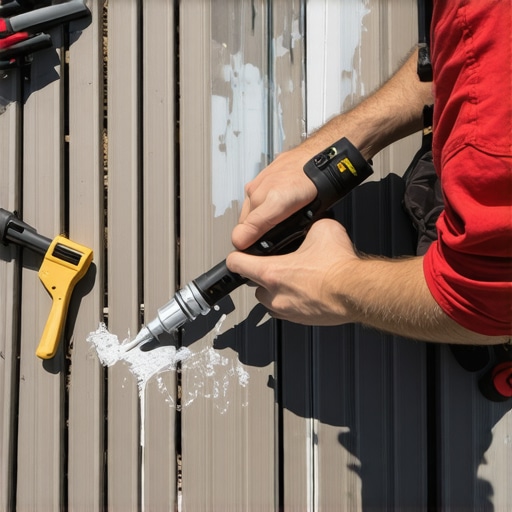
Start by inspecting your glass panels for gaps or damaged seals. Use a high-quality silicone sealant around the edges to prevent moisture ingress. I once tackled this project during a rainy weekend, carefully applying sealant around each panel’s perimeter. The result was a significant reduction in internal fogging, and I learned that quality sealing is the first line of defense.
Improve Ventilation to Reduce Humidity
Next, ensure your railing system has adequate airflow. If possible, install small venting options or design gaps that facilitate air movement. I experimented with installing tiny vent holes on a friend’s deck railing, which helped dissipate trapped humidity over time. If your system lacks ventilation, consider upgrading or modifying it to promote better air exchange.
Apply Anti-Fog Coatings for Long-Term Clarity
Apply specialized anti-fog coatings designed for glass surfaces. Clean the panels thoroughly, then evenly spread a thin layer of the coating. During my own attempt, I followed the product instructions carefully; within days, the panels remained clearer longer after weather changes. Remember, reapplication might be necessary every couple of years for optimal results.
Utilize Dehumidifiers and Weatherproof Covers
For ongoing protection, use dehumidifiers in enclosed areas near your deck or add covers that shield the glass from rain and humidity. I set up a small dehumidifier during a humid summer, which noticeably reduced fogging. Covering panels during extended rainstorms also helped maintain clarity, especially in coastal environments where moisture levels are high.
Regular Maintenance Prevents Future Fogging
Schedule periodic cleaning with a glass-specific cleaner and reapply sealants or coatings as needed. I found that monthly wiping kept my panels sparkling and prevented buildup of dirt that contributes to cloudiness. Incorporate a maintenance checklist to stay ahead of moisture-related issues and keep your view crystal clear.
Many homeowners believe that choosing premium materials automatically guarantees a flawless outdoor space, but in my experience, understanding the nuanced installation and design principles makes all the difference. A common myth is that composite decking is maintenance-free; however, neglecting proper spacing and sealing can lead to warping, fading, or mold issues that are not covered by warranties. Similarly, with pergolas, some assume that simple lattice designs suffice for weight and wind resistance, but neglecting load calculations can result in sagging or structural failure over time. For railing systems, many settle for pre-made kits without considering their compatibility with existing architectural features, leading to safety and aesthetic compromises.
Let’s examine an often-overlooked point: the importance of understanding thermal and moisture expansion in composite materials. A frequent mistake is installing boards tightly without allowance for expansion gaps, which causes buckling during hot weather. According to a study by the Building Science Corporation, most issues with composite decks stem from installation errors rather than material flaws, emphasizing the need for advanced knowledge during construction. This insight challenges the widespread belief that using high-quality composite boards alone prevents future problems.
Another ‘oops’ is underestimating the influence of environmental factors, such as coastal salt spray or heavy snowfall, on structural longevity. Homeowners mistakenly think that standard coatings or sealants can withstand extreme conditions indefinitely. But neglecting specialized protective treatments or not designing for the specific climate can accelerate deterioration. For example, utilizing corrosion-resistant fasteners and weatherproofed brackets is vital, especially in coastal environments, to prevent long-term damage.
For seasoned builders, the question often arises: How do I ensure that my deck and pergola will withstand wind loads and seasonal shifts? Proper load calculations and smart anchoring techniques are critical. I recommend checking out detailed guides on innovative attachment methods and structural reinforcements, such as those discussed on this site, to avoid costly repairs later. Remember, a well-designed outdoor structure isn’t just about aesthetics; it involves strategic planning for safety and durability.
In my projects, I’ve seen many fall into the trap of overlooking the hidden nuances—like the 2-inch air gap at the base of pergola posts to prevent rot or the correct spacing of balusters for safety compliance. These seemingly small details significantly impact long-term performance. Do you know the correct spacing for your railing balusters? Many miss this critical point. Feel free to explore more about these details through our comprehensive guides or contact us for tailored advice—click here to schedule a consultation.
Remember, mastering these subtleties not only elevates your project’s quality but also saves you money and frustration in the long run. Have you ever fallen into this trap? Let me know in the comments.Maintaining your outdoor structures requires not just dedication but also the right tools and methods to ensure longevity and safety. Over the years, I’ve developed a toolkit tailored specifically for these projects, combining both traditional and innovative solutions that I personally rely on for optimal results.
Invest in a Quality Power Scraper for Surface Maintenance
One of my go-to tools is a power scraper fitted with a wire brush attachment. It’s invaluable for removing stubborn grime, old sealants, or residue from composite boards and railing components without damaging the surface. Regular use helps prevent grime buildup that can lead to discoloration or mold. I recommend choosing models with variable speed controls to adapt to different materials and dirt levels.
Use a Humidity Meter to Monitor Moisture Levels
To prevent issues like internal fogging of glass railings, monitoring ambient moisture is crucial. I rely on a digital humidity meter, which provides real-time readings of the environment. Keeping humidity below specific thresholds—ideally under 60%—can drastically reduce condensation. Integrating this into your maintenance routine ensures you’re proactive rather than reactive; for example, when humidity rises, using a dehumidifier or increasing ventilation can make all the difference. Learn more about preparing your deck for humidity fluctuations in our guide on composite decking trends.
Apply Professional-Grade Sealants with Precision
For sealing gaps and joints, I favor a high-quality, clear silicone sealant designed for outdoor use. An essential part of my process is applying it with a caulking gun that features a fine nozzle, allowing precise application into small crevices. This method ensures no missed spots where moisture might seep in. Reapplication of sealant every couple of years keeps your railings and panels airtight, preventing fogging and structural damage. Want to ensure your sealing is flawless? Consider using a spray adhesion promoter before applying sealant to ensure better bonding.
Prioritize Ventilation with Adjustable Vents
Maximizing airflow around your deck and railing systems helps keep humidity levels in check. I installed adjustable ventilation panels within enclosed sections of my railing system. These vents can be opened during humid days or storms to facilitate air exchange, significantly reducing internal moisture accumulation. This simple upgrade requires minimal effort but yields noticeable long-term benefits. When designing or renovating, think about incorporating adjustable vents—this could be a game-changer for coastal or humid environments.
Future of Deck Maintenance and the Role of Smart Tools
Looking ahead, the integration of IoT (Internet of Things) sensors for real-time monitoring of moisture, temperature, and structural integrity is on the rise. These advancements promise to make maintenance even smarter, alerting homeowners before problems escalate. For now, combining reliable tools like a digital humidity meter and proactive sealing strategies will cover most needs, but keeping an eye on such trends helps future-proof your outdoor oasis. Check out newer tech options that could enhance your deck’s durability in the coming years.
How do I keep my deck and railing systems in top shape long-term?
Ultimately, the key to long-lasting outdoor structures lies in consistent maintenance using the right tools and practices. Regularly inspecting seals, monitoring environmental conditions, and cleaning with suitable equipment extend the life of composite decking and glass railings alike. For specific, advanced strategies, I recommend trying the method of applying anti-fog coatings during seasonal transitions—this single step can dramatically improve clarity and reduce cleaning frequency. For more insights on extending the lifespan of your structures, see our detailed articles or contact us to tailor a maintenance plan for your specific setup.
Remember, harnessing these tools and techniques not only preserves your investment but also enhances safety and aesthetic appeal. Have you tried any of these methods? Share your experiences or ask questions in the comments, and let’s keep your outdoor space working flawlessly for years to come.
What the Mistakes Nobody Tells You About Installing Deck Glass Railings
One of the most enlightening lessons I learned was during my initial DIY project—assuming factory seals would last forever. Turns out, neglecting proper sealing and ventilation can turn clear glass into a foggy barrier, undermining both safety and aesthetics.
How Personal Experience Shapes Better Deck Maintenance
After battling internal condensation myself, I discovered personalized solutions like anti-fog coatings and improving airflow are game-changers. These tailored approaches turned my deck into a pristine retreat and can do the same for you.
Why I Now Prioritize Regular Check-Ups Over Quick Fixes
Early on, I underestimated the importance of routine inspections and maintenance. Now, I schedule seasonal checks, reapply sealants, and monitor humidity—saving me headaches and preserving the clarity of my glass railings.
Curated Tools That Transformed My Outdoor Upkeep
My essential toolkit includes a digital humidity meter for environmental awareness, a quality silicone sealant for airtight joints, and an anti-fog glass coating for lasting clarity. These trusted tools make maintenance manageable and effective.
A Final Thought: Your Outdoor Space Deserves Your Care
Creating a beautiful, durable outdoor area isn’t just about materials—it’s about ongoing attention and the right knowledge. Start small, stay consistent, and soon your deck will be the envy of the neighborhood. Have you tried any of these tips? Share your experiences below, and let’s keep our outdoor spaces shining!