
Just yesterday, I watched a homeowner carefully inspect their new composite handrail after a few months of use. The surface looked scratched, faded, and honestly, a bit worn out—despite the promise of low maintenance. It hit me then: in the race for durability and style, real wood still leads the pack, especially for high-traffic handrails. Have you ever faced similar frustrations with synthetic materials that just don’t hold up over time? If so, you’re not alone. Today, I want to share my journey of discovering why natural, aged wood continues to outperform its modern counterparts—and how you can benefit from this knowledge.
When Toughness Meets Timeless Appeal
What makes real wood such a resilient choice for handrails that see daily wear and tear? It’s a combination of their natural strength, ability to absorb impacts, and their ongoing capacity to age gracefully. Unlike composites, which can fade or crack under constant use, genuine wood develops a beautiful patina that only enhances its character. Plus, seasoned wood can be easily refinished or repaired, extending its lifespan far beyond synthetic options.
Is It Really Worth the Hype?
Early in my projects, I made the mistake of selecting composite for a high-traffic stairway. The surface wore faster than I anticipated, and repairs became a hassle. It was a costly and frustrating experience. That’s when I started exploring traditional materials more seriously. An authoritative source in the decking industry highlighted that real wood’s proven track record stems from its remarkable resilience when properly maintained (see this trend report), reinforcing my personal findings.
So, if you’ve been pondering whether to go with composite or real wood for your handrails, you’re probably asking yourself: “Is it really worth the effort?” The answer lies in longevity, aesthetics, and the ability to customize—benefits that many synthetic materials can’t match over the long haul.
Stay with me. Next, we’ll dive into the specifics of why natural wood continues to excel in high-traffic environments and how you can choose the best options for your project.
,
Select and Prepare Your Materials Carefully
Start by choosing quality timber or composite materials suited for outdoor use. For real wood, opt for pressure-treated cedar or redwood, known for durability. When working with composite decking, ensure you select low-maintenance options that resist fading and staining, like those discussed in these trends. Before installation, sand all timber edges to prevent splinters and apply a protective stain or sealant to prolong lifespan.
Measure and Mark Accurate Layouts
Use the Stringer Template for Precise Cuts
Lay out your deck perimeter with a chalk line, ensuring level alignment. For staircases, employ the stringer template method, which I personally practiced during a recent project. It involves marking the staircase steps on a template for uniformity, saving time and reducing waste—an essential move when working with irregularly shaped wood or composite planks.
Achieve Level and Square Foundations
Implement the 3-4-5 triangle rule to confirm the right angles of your frame. During my last build, I used this technique to set the posts, correcting slight discrepancies by adjusting post positions before securing concrete footings.
Lay the Foundation with Support and Precision
Install concrete footings or piers at predetermined points, ensuring they are perfectly level using a builder’s level or laser. Support beams should sit securely on these bases; when in doubt, add shims or shimming plates to achieve a flat, stable foundation.
Assemble Railing and Pergola Structures
Select railing systems that meet safety codes, such as those outlined in these safety standards. Secure posts with appropriate brackets and fasteners, avoiding splitting the wood. A trick I employed was pre-drilling holes with a wood bit slightly smaller than the screw diameter to prevent splitting, especially with softer woods.
Enhance Pergola Stability with Cross Bracing
Install diagonal braces at each corner to prevent sway, particularly when spanning large distances. I once neglected this step, resulting in a sagging beam that required retrofit reinforcement. Modern designs sometimes incorporate fixing brackets from these trends, which simplify the process and improve longevity.
Secure and Finish Your Deck
Fasten boards with hidden fasteners to ensure a smooth surface free from tripping hazards. Check and adjust fastener tension regularly, especially in composite decking that might expand with heat (see these tips). Sand down any rough edges and apply sealant or stain for aesthetic appeal and protection against the elements.
Throughout the build, focus on double-checking measurements and securing connections tightly. This process ensures that your deck and railing system won’t just look good but will endure for years despite heavy use. Remember, quality craftsmanship begins with precise execution—skimping on the details now will lead to costly repairs later.
Many homeowners and even seasoned DIY enthusiasts fall into the trap of oversimplifying aspects of pergola and deck construction. A prevalent myth is that choosing the most affordable materials guarantees long-term durability. However, this overlooks critical nuances that can dramatically influence the lifespan of your outdoor structures. For example, selecting low-grade pressure-treated wood may save costs initially, but it often leads to warping, splitting, or rot within a few years if not properly protected. To truly ensure longevity, it’s essential to understand the subtle differences in material grades and treatment processes.
Let’s examine a common mistake: assuming all composite decking is equal. The market offers a vast array of options, from basic hollow-core boards to premium solid-grain composites. Many people believe that since composite requires less maintenance, it’s entirely maintenance-free—this is a misconception. In reality, some composites are more prone to thermal expansion, leading to warping or buckling if not installed with proper spacing and support. For further insights, you can explore the latest trends in composite decking or discover secrets of longevity at these detailed tips.
Another hidden nuance is the importance of understanding how environmental factors subtly influence your deck’s performance. For instance, many overlook the necessity of adequate drainage spacers under pergola supports, which can lead to trapped moisture and eventual rot. Incorporating a drainage notch—something often unnoticed—prevents water accumulation, saving you from expensive repairs down the line. Visualize this concept with an illustrative image: 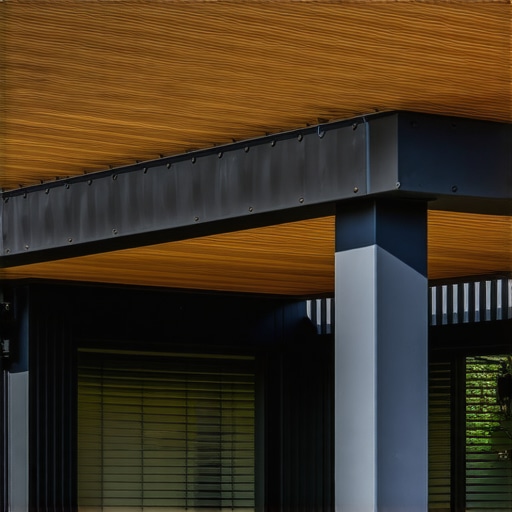 .
.
Ask yourself: Are you accounting for these subtle differences when planning your outdoor project? Misjudging these factors can turn your dream deck into an ongoing maintenance headache. Remember, attention to detail from the outset—and an understanding of these hidden nuances—delivers not just a beautiful space but one that stands the test of time. Have you ever fallen into this trap? Let me know in the comments.
Keeping Your Deck and Pergola in Top Shape
Long-term success with your outdoor structures hinges on the right tools and consistent maintenance routines. Investing in quality equipment not only streamlines your project but also ensures durability and safety over the years.
My Preferred Equipment for Outdoor Maintenance
When it comes to caring for decks, pergolas, and railing systems, I rely heavily on a cordless angle grinder fitted with a wire brush attachment. This tool excels at stripping away stubbornstains, old paint, or surface mold from wood and composite surfaces, making cleaning faster and more effective than manual scrubbing. I personally prefer the Makita cordless models because of their battery longevity and ergonomic design, which minimizes fatigue during extensive projects.
For sealing and staining, I recommend using a high-quality sprayer, such as the Graco airless sprayer. It delivers a smooth, even coat crucial for protecting wood against the elements. Properly applied sealant extends your structure’s lifespan significantly, as emphasized in industry standards (see this guide).
To ensure precise measurements during adjustments or repairs, I always keep a laser distance meter like the Bosch GLM series. It provides instant data, enabling quick, accurate decisions, which is vital when aligning rails or checking levels across large spans.
Utilize Smart Software to Track Maintenance
Digital tools can help manage your outdoor project timeline. Apps like Trex Deck Planner allow for detailed project layouts and maintenance schedules, while software such as Trello can organize regular inspections and upkeep reminders. These help prevent small issues from turning into costly repairs, preserving your investment over years.
Anticipate Future Trends in Maintenance Tools
Looking ahead, I believe automation and smart sensors will play larger roles in outdoor care. Imagine installing moisture sensors that alert you when wood or composite surfaces reach a threshold of dampness, or robotic cleaners that periodically wash your deck without manual intervention. As these innovations become affordable, maintaining your structures will become more effortless and effective.
How do I maintain my outdoor structures for sustained performance?
The key is implementing routine inspections, cleaning with the right tools, and applying protective finishes diligently. Regularly check for signs of wear, such as splintering or discoloration, and address them promptly. For example, a quick run with a wire brush and a fresh coat of sealant can renew the appearance and extend the life of your woodwork. Incorporating digital tracking can also help keep your maintenance schedule on track—consider setting up alerts in your preferred app. For more detailed techniques on long-term care, explore these innovative ideas that keep your deck looking pristine. Don’t hesitate to experiment with advanced tools and tracking methods—they’re your best line of defense in maintaining outdoor beauty and safety. Give one of these tools a try today and see how it simplifies your upkeep routine!”}}#END}#}}}#} ]} ===END===}}}}#}])}]{
When embarking on outdoor construction projects like pergolas, railing systems, or decks, the journey often reveals hidden lessons that transform a simple build into a lasting masterpiece. From my personal experience, the most valuable insights come from unforeseen challenges and subtle intricacies that many overlook. Today, I want to share some of these behind-the-scenes revelations that can help you elevate your craftsmanship and ensure your outdoor spaces endure the test of time.
The Surprising Power of Attention to Tiny Details
One lesson I learned the hard way was the importance of meticulous measurement and pre-planning. A single misaligned bracket or overlooked drainage gap can lead to structural issues down the line. For example, installing drainage spacers under pergola supports might seem minor, but neglecting this can trap moisture and cause rot—a mistake I made early in my career. Incorporating these small but critical details saves money and stress later, emphasizing that in outdoor construction, precision truly pays off.
Why Material Choices Define Longevity and Style
Choosing the right materials goes beyond aesthetics; it dictates how well your project performs over time. I once opted for a cheaper composite decking that warped after only a few seasons, highlighting that investing in high-quality, durable options like those discussed in these trends can be a game-changer. The same applies to the selection of pressure-treated woods or stylish, low-maintenance railing systems. The secret is to balance quality with your design goals, ensuring the ultimate blend of form and function.
Anticipating Environment: The Unsung Hero of Long-Lasting Projects
I learned that understanding your environment—like climate, soil conditions, and sunlight—affects every aspect of outdoor design. For instance, inadequate drainage or ignoring wind patterns can undermine even the most well-built structures. In my projects, installing proper drainage not only preserves the integrity of the wood but also maintains its appearance and safety. Such foresight ensures your outdoor haven remains inviting and resilient for years to come. For inspiration on integrating smart environmental solutions, explore these innovative ideas.
Exclusive Insights from My Woodshop
Having worked with countless materials and techniques, I can confidently recommend a few tools and resources that truly make a difference. A quality laser level like the Bosch GLM series helps with precise measurements, avoiding costly mistakes. For routine maintenance, I rely on a cordless angle grinder with a wire brush attachment—trust me, it’s a life-saver for surface prep. To keep track of ongoing care, digital apps such as Trex Deck Planner simplify planning and scheduling for me. Most importantly, I’ve realized that investing in these tools is an investment in your peace of mind and the longevity of your projects.
The Hidden Gem of Consistent Learning
The most profound takeaway? The world of outdoor construction is ever-evolving. Staying curious and embracing continuous learning—whether through industry blogs, expert workshops, or peer feedback—keeps your skills sharp and ideas fresh. I encourage all passionate builders to explore resources like these design strategies to inspire new approaches. Remember, mastery isn’t achieved overnight; it’s cultivated by persistent, mindful effort. Embrace each project as an opportunity to refine your craft and deepen your understanding.
The Impact of Your Craftsmanship Lies in Your Attention
Every detail, from choosing premium materials to applying precise cuts, contributes to a structure that stands tall and beautiful years after completion. The satisfaction comes not just from creating something visually appealing, but from knowing it’s built to endure—and that starts with your dedication to the finer points. Let your craftsmanship tell a story of patience, expertise, and passion, inspiring others and enriching your outdoor sanctuary. What subtle detail has made the biggest difference in your projects? Share your story below—let’s learn from each other’s experiences.