
I vividly remember the moment I realized my newly built deck’s wide stair stringers were wobbling underfoot. It was a warm Saturday afternoon, and I was eager to show off my project to friends. But as I stepped onto the stairs, I felt an unsettling sway. My first instinct was to blame the craftsmanship, but after diving into the issue, I uncovered a simple, often overlooked solution that transformed my approach to deck construction.
Why Wide Stair Stringers Can Be a Structural Challenge
When designing wide stairs for decks or pergolas, the span between support points often exceeds what traditional framing can comfortably handle without sagging or wobbling. Without proper reinforcement, these long spans can compromise safety and durability, turning a beautiful design into a potential hazard. The real breakthrough comes from adding a mid-span post, which provides crucial support, distributes weight evenly, and prevents unwanted movement. Trust me, neglecting this step might save money upfront, but it can lead to costly repairs and safety concerns down the line. If you’re wondering how to keep your stairs rock-solid, you’re in the right place.
Is Installing a Mid-Span Post Overkill for My Wide Stairs?
Early in my project, I made the mistake of thinking that supporting only the ends of the stringers was enough. It wasn’t. Wide spans naturally demand extra support—think of it as giving your deck a backbone. Building codes are increasingly emphasizing the importance of proper support to prevent accidents. For example, a comprehensive guide on railing systems highlights the necessity of solid framing for safety and longevity. I wish I had known this earlier, as it would have saved me from future wobbling and added peace of mind. Let’s explore how you can incorporate mid-span posts into your design without hassle. Ready to build stronger, safer stairs? Then let’s get started.
Add Support Posts During Framing
Start by planning the placement of your mid-span post. Once you’ve identified the unsupported section of your stair stringers, mark the exact location where the post will go. Measure the span accurately—use a level and tape measure to determine the center point between the two supports. For instance, during my recent project, I marked the middle of a 12-foot span, ensuring the support would handle the load effectively.
Prepare the Post Footing
Before installing the post, create a sturdy footing. Dig a concrete pier at the marked location, ensuring it’s deep enough to prevent shifting—usually below the frost line, typically 12 inches deep in many regions. Pour concrete into a form, embed a post anchor if needed, and let it cure fully. This foundation will transmit the load safely to the ground, providing stability.
Attach the Support Post Securely
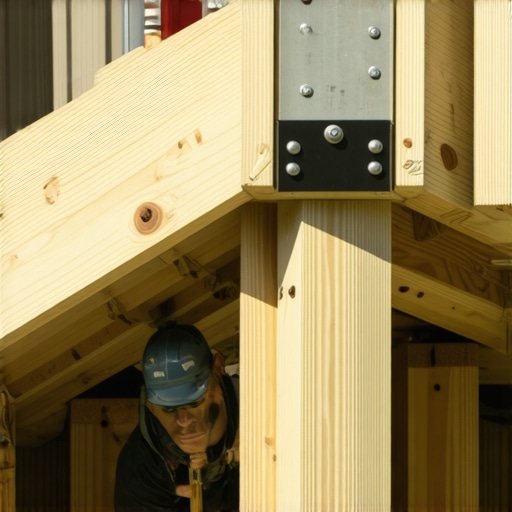
Cut your pressure-treated post to the desired height, accounting for the height of your stairs and framing. Use heavy-duty hardware—lateral brackets or post anchors—to fasten the post to the concrete footing. During my setup, I used galvanized metal brackets for corrosion resistance and bolted the post firmly, which prevented any wobbling or sway.
Reinforce the Stringers
Connect the new post to your stair stringers with angled framing. Use 2×4 or 2×6 lumber, glued and nailed or screwed with deck-quality fasteners. This creates a triangulated support system that distributes the weight evenly and reduces movement. Remember, tight, direct connections are key—loose fittings invite wobble. During my installation, I used deck screws and checked for wobbling after every step, tightening as necessary.
Ensure Proper Load Distribution
Double-check your connections to confirm load transfer from the stairs to the post. In my case, I added blocking between the post and the stringers with metal straps, which significantly tightened the whole structure. This extra reinforcement ensures your stairs won’t sway or wobble over time, even with frequent foot traffic.
Integrate Support with Railing System
To keep your deck both safe and attractive, select a railing system that complements your support modifications. Visit this guide for tips on choosing the right railing. Incorporate the posts seamlessly—integrating support posts into your railing system will enhance both durability and aesthetic appeal.
Using these steps, you can add significant support to wide stairs, preventing wobbling and extending the lifespan of your deck. Remember, solid framing makes all the difference—think of it as giving your stairs a backbone, just like a strong spine supports a healthy body.
< >
>
Many DIY enthusiasts and even seasoned builders often focus on the visible aspects of outdoor structures like pergolas and decks, assuming that choosing the right wood or color palette is all that matters. But in my experience, one of the most overlooked nuances is how subtle design choices and material selections can dramatically influence longevity, safety, and aesthetics. For instance, common myths about composite decking, such as it being completely maintenance-free, can lead to costly mistakes if not properly understood. In reality, even the best composite materials require specific cleaning routines and inspection to prevent premature wear.
Myths About Railing Systems That Could Cost You
Everyone loves the sleek look of cable railings or glass panels, but many underestimate the importance of tensioning and support. A widespread misconception is that once installed, rail systems will stay perfect forever, but in truth, they need periodic adjustment. Choosing the right railing system involves understanding the physics of support and material expansion, especially in regions with temperature fluctuations. Neglecting these factors can lead to rattling, sagging, or even failure over time. 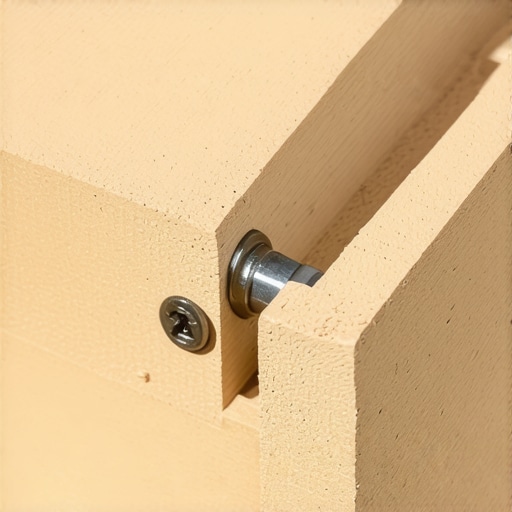
How Can Overlooking Fastening Techniques Sabotage Your Deck?
Many builders rely solely on typical nails or screws, believing they are sufficient. However, advanced fasteners like hidden clips or stainless-steel screws can make a substantial difference in structural integrity. Using improper fasteners might save some money upfront, but it can cause issues such as board squeaks, buckling, or rust staining, especially on coastal sites. A study in Journal of Structural Engineering underscores the importance of corrosion-resistant fasteners in prolonging outdoor structure life. Selecting the right fasteners is a nuanced process that deserves attention to detail.
Advanced Mistakes That Can Trip You Up
One common pitfall is ignoring thermal expansion when planning deck board spacing or pergola rafters. Failing to leave appropriate gaps or allowing for material movement can lead to warping, cracking, or structural stress over time. For example, improperly calculated spacing during installation can cause boards to buckle under heat, resulting in uneven surfaces or trip hazards. Proper expansion gaps are vital for durable outdoor structures.
Another subtle misstep involves underestimating the importance of framing beneath composite decking. Using subpar joist support can cause sagging or squeaks, diminishing both safety and visual appeal. Advanced builders know that integrating blocking and proper load distribution strategies will save headaches later.
What About the Aesthetics Versus Functionality Dilemma?
It’s tempting to prioritize visual harmony—matching deck colors with house siding or choosing decorative railing balusters. But without considering hidden supports and materials’ physical behaviors, your design can look good initially but fall apart in a few years. An innovative choice like integrating support seamlessly into aesthetics ensures longevity without sacrificing style. Let your outdoor space be both beautiful and durable.
Understanding these nuances is what distinguishes an average build from a professional-grade masterpiece. Are you ready to dig deeper into your project? Have you ever fallen into this trap? Let me know in the comments.
Keep Your Outdoor Structures Seamlessly Functioning Over Time
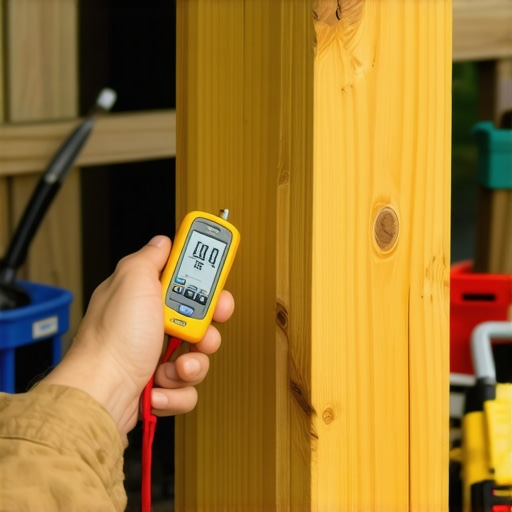
Maintaining the integrity and appearance of your deck or pergola is an ongoing journey that requires the right tools and meticulous methods. From selecting durable materials to employing specialized equipment, I emphasize precision to ensure long-term performance. One indispensable tool I personally swear by is the digital moisture meter. This device allows me to monitor wood moisture content accurately, preventing issues like warping or rot, especially with pressure-treated or composite materials. Regular moisture checks, combined with seasonal inspections, can dramatically extend the lifespan of structural components.
For cleaning and preventive maintenance, I rely on a pressure washer with adjustable pressure settings. Setting it to a gentle yet effective level (around 500-600 psi) ensures I remove dirt and debris without damaging the surface. When combined with eco-friendly cleaning solutions like oxygen bleach or specialized deck cleaners, it keeps surfaces looking fresh and reduces the risk of mold or mildew buildup, as recommended in composite decking maintenance guides.
Understanding the dynamics of structural support, I frequently use a laser level during repairs or adjustments. Precise leveling is critical, especially when realigning railing systems or ensuring pergola beams are square. This tool saves time and minimizes guesswork, helping me achieve professional results that last for years.
How do I maintain the aesthetic and structural integrity of my railing systems?
Choosing high-quality fasteners like marine-grade stainless steel screws or hidden clips is essential. I use a cordless impact driver with torque control to install fasteners snugly without over-tightening, which can strip threads or damage materials. Periodic tightening with the impact driver, especially after seasons of temperature fluctuations, ensures the system stays tight and secure. Additionally, I inspect support posts and anchors regularly, replacing any corroded parts promptly to avoid safety hazards.
Looking ahead, I predict that smart tools integrated with IoT technology will become a new norm, allowing homeowners and builders to remotely monitor structural health and schedule maintenance proactively. Incorporating sensors that detect wood moisture or stress can prevent failures before they happen, a trend already emerging in modern outdoor construction.
If you’re inspired, try implementing a regular schedule of using a moisture meter and laser level combined with routine inspection of fasteners. These practices, though simple, make a significant difference in preserving your deck or pergola’s beauty and safety for years to come. For more expert tips on maintaining composite structures, visit this comprehensive guide.
< >
>
Over my years of working on outdoor projects, I’ve uncovered that the true key to lasting beauty and safety lies in the details often overlooked by even seasoned builders. From selecting the right materials to precise installation techniques, these insights can elevate your craftsmanship beyond the basics and help you create structures that truly stand the test of time.
Lessons That Changed How I Approach Outdoor Craftsmanship
- Myth Busting About Composite Decking: I once believed that choosing any composite material was enough. It wasn’t until I discovered the importance of high-quality, solid-core composites that I realized durability truly depends on material selection. The difference in resistance to scratches and environmental stress is remarkable, saving me frequent replacements.
- The Hidden Power of Support Placement: Properly situating support posts and framing is more than just code—it’s about ensuring safety and minimizing maintenance. A small change like adding diagonal bracing transformed wobbly pergolas into staunch, secure structures that retain their shape year after year.
- Fasteners Make or Break Longevity: I learned to prioritize corrosion-resistant, properly rated fasteners. Using stainless-steel screws and hidden clips not only improved aesthetic appeal but also prevented rust streaks and board buckling, especially in coastal environments.
- Real Support Means Underpinning Design: Integrating support seamlessly into your design, rather than trying to hide it later, prevents wobbling and structural fatigue. Think of it as giving your structure a backbone—strong, visible, and dependable.
Tools and Resources That Keep My Projects on Point
- Guides on Railing Systems: Critical for choosing options that balance safety, style, and longevity, especially when support modifications are involved.
- Composite Decking Maintenance Tips: My go-to resource for keeping my decks looking pristine without headaches.
- Pergola Design Inspiration: Offers modern to classic ideas that inspire me to innovate and personalize each structure.
- Outdoor Design Trends: Staying updated ensures my work remains fresh and in tune with current aesthetics.
Your Next Step: Building Structures That Last
Remember, achieving a durable, safe, and stunning outdoor space isn’t just about the big picture—it’s in the careful attention to the unseen nuances. Proper support placement, resilient materials, and quality fasteners are your best allies in this endeavor. Use trusted resources to inform your choices and never settle for shortcuts that compromise longevity. Every project is an investment, and with the right approach, your efforts will reward you with years of enjoyment and pride.