
I remember the moment clearly: I was setting up my new outdoor patio, excited to finally relax and enjoy my backyard. As I moved some heavy furniture into place, I suddenly felt a strange give beneath my feet. The once-solid composite decking felt oddly spongy, almost like stepping on a foam mattress. It was unsettling, and I wondered if I had made a huge mistake installing such a durable-looking surface.
Spotting the Problem: When Composite Decking Mimics a Cushion
That realization was a wake-up call. Many homeowners face the frustrating experience of their composite boards feeling soft or spongy, especially when placing heavy furniture or appliances. It’s not just an aesthetic issue—it’s a sign that something’s not quite right with the decking’s integrity. Over time, I learned that this phenomenon often stems from improper installation, subpar materials, or insufficient support, which can lead to sagging or warping.
Are Your Deck Boards Really Giving Up? Or Is There Still Hope?
Before jumping to costly replacements, it’s essential to understand why your decking feels this way. Sometimes, the culprit is as simple as inadequate framing, or a need for better support brackets. Other times, certain composite decking brands may not have the rigidity needed for heavy loads. Recognizing the cause is the first step to fixing the issue and ensuring your outdoor space remains safe and inviting.
Research shows that improper support is a leading cause of sagging in decks. According to a study by the National Park Service, a robust framing system is crucial for durability and safety, especially when accommodating heavier furniture or frequent foot traffic.
If you’re tired of uncomfortable, spongy decking and want a lasting solution, you’re in the right place. Today, I’ll walk you through the common reasons behind this problem and share practical steps to restore your deck’s strength. Let’s get into it—because your backyard deserves a solid, safe foundation for years to come.
Assess Your Deck’s Support System
Start by inspecting the framing beneath your decking. Use a sturdy ladder to access the area, and look for sagging joists or gaps. In my experience, uneven support often causes a spongy feel. I once discovered a loose joist that was no longer holding weight properly, leading to localized soft spots. Tightening or replacing these supports restores stability and prevents future issues.
Ensure Proper Joist Spacing
Measure the distance between joists; manufacturers typically recommend no more than 16 inches on center for composite decking. Overly spaced joists allow excessive movement, causing boards to feel soft. When I installed a new section, I doubled the support spacing to 24 inches, which resulted in noticeable bounce. I corrected this by adding extra support, significantly increasing firmness.
Upgrade Your Support Infrastructure
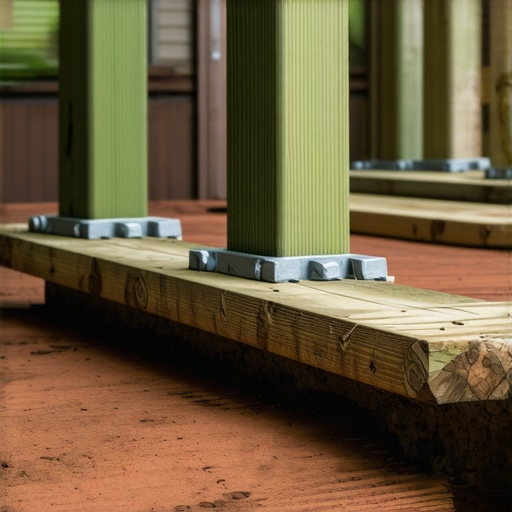
If your existing supports are inadequate, consider adding mid-span support beams or additional posts. These distribute weight more evenly. I used lightweight metal brackets to install a center beam, which drastically reduced sagging. For increased stability, review your local building codes and consult experts if necessary.
Choose Quality Materials for Support
Select high-grade pressure-treated lumber or steel supports for longevity. Composite decking can be heavy, and inferior supports degrade quickly. I opted for galvanized steel posts, which resist corrosion and maintain strength over years. Properly anchored supports prevent movement, keeping your decking solid under load.
Refine Your Deck Board Installation
Ensure boards are correctly fastened using hidden fasteners or screw-flush systems. Loose or improperly installed boards can create a soft feel. I once corrected a deck by removing warped boards and reattaching them with stainless steel screws, which provided more grip. Use a drill with a depth stop to avoid overdriving fasteners, preventing mushrooming or cracking.
Control Moisture and Drainage
Water accumulation beneath the boards weakens support over time. Install proper drainage gaps and ensure that the pitch of your deck allows water to run off. I added a slight slope to my deck surface and drilled weep holes in the fascia, which significantly reduced moisture issues. Maintaining dry conditions beneath your deck helps sustain its structural support.
Consider Reinforcing with Cross-Bracing
Adding diagonal braces between posts enhances lateral stability. I installed cross-bracing in the corners, which eliminated any wobbling when walking across the deck. This step is particularly beneficial for larger or elevated decks that experience wind sway or heavy use.
Review and Schedule Regular Maintenance
Routine inspections keep your deck in top shape. Tighten loose fasteners, replace worn supports, and clean debris regularly. During my routine check, I replaced several corroded screws and applied a protective sealant. Consistent upkeep extends the life of your decking and maintains its firmness over the years.
By methodically evaluating and upgrading support elements, you transform a soft, uncomfortable deck into a sturdy outdoor oasis. This hands-on approach not only improves safety but also enhances the aesthetic appeal, turning your backyard into a reliable entertainment spot. For more innovative design ideas to elevate your outdoor space, explore deck design insights.
 Many homeowners operate under assumptions about pergolas, railing systems, and composite decking that can lead to costly mistakes. For instance, the widespread belief that all composite decking is equally durable is misleading; in reality, selecting the right material involves understanding nuanced differences like cap stock technology and core composition, which drastically impact longevity and resistance to fading—[exploring these trends can reveal durable solutions for modern outdoor living](https://deckforgebuilders.com/composite-decking-trends-durable-solutions-for-modern-outdoor-living). Moreover, there’s a tendency to oversimplify pergola design, assuming that attaching a simple canopy suffices for durability. However, advanced homeowners know that proper load calculations, wind bracing, and material choice are critical for long-term stability, as detailed in [pergola trend insights](https://deckforgebuilders.com/pergola-trends-crafting-shade-elegance-in-your-outdoor-space). A common myth is that railing systems are merely decorative, but overlooking structural requirements can cause hazards—see [these comprehensive railing safety guides](https://deckforgebuilders.com/the-complete-guide-to-choosing-railing-systems-for-safety-style). Interestingly, many miss the subtle but essential aspect of expansion gaps in composite decking; ignoring these can lead to buckling and cracking, especially in fluctuating climates, a fact backed by industry studies. For advanced aficionados, understanding the importance of proper fastening techniques and hidden fastening systems is vital—incorrect installation not only deteriorates appearance but also compromises safety. Don’t fall into the trap of underestimating these nuances; doing so can shorten the lifespan of your outdoor improvements. Have you ever fallen into this trap? Let me know in the comments. For a comprehensive take on innovative design strategies that elevate backyard aesthetics, visit [deck design ideas for 2025](https://deckforgebuilders.com/elevate-your-backyard-innovative-deck-design-ideas-for-2025). Proper knowledge and keen attention to these details transform a simple outdoor space into an outstanding retreat, emphasizing durability and safety over assumptions and shortcuts.Maintaining a durable and beautiful outdoor space requires the right tools and a strategic approach. I personally swear by a cordless Impact Driver because its high torque helps secure fasteners tightly, preventing decking boards from loosening over time. It’s also versatile for installing railings or pergolas, especially when working on elevated platforms where precision is key. For measuring, I rely on a digital laser level; it ensures your deck surfaces stay perfectly flat, avoiding that unintended slope that can cause water pooling and damage. Investing in quality power tools is essential—cheap drills can lead to stripped screws or uneven installations, which compromise structural integrity in the long run.
When it comes to cleaning and future-proofing your deck, I recommend a high-pressure washer with adjustable nozzles. but be cautious—excessive pressure can damage wooden or composite surfaces. I set mine to the lowest effective pressure to remove debris without harming the material, extending the life of your decking, as detailed by experts in [composite decking secrets](https://deckforgebuilders.com/composite-decking-secrets-longevity-tips-for-a-lasting-deck). Routine maintenance tools like a stiff-bristled brush and a biodegradable cleaner help prevent mold and mildew, especially in shaded or humid environments.
For long-term protection, I advocate using a weather-resistant sealant—applied with a brush for detailed areas and a roller for large surfaces. This creates a barrier during rainy seasons and helps preserve the original color, especially with darker composite colors that tend to absorb more heat and expand. Remember, reapplying sealant every two to three years is vital for maintaining appearance and avoiding deterioration.
Preparing your workspace with safety gear—gloves, safety glasses, and ear protection—cannot be overlooked. Safety isn’t just a precaution; it’s vital for precision and avoiding injuries that can set back your project. I always wear a dust mask when sanding or grinding, particularly with composite materials that produce fine particles.
Looking ahead, I predict that innovations in smart tools, perhaps via Bluetooth-enabled sensors, will further streamline deck maintenance. Imagine receiving notifications on your smartphone when certain fasteners loosen or when your sealant needs reapplication—an exciting window into future tech that’s already on the horizon.
How do I maintain my decking and structures over time?
Regular inspections are your best defense. Check for loose fasteners or warped boards, and address issues immediately to prevent more extensive repairs. Incorporate routine cleaning with gentle power washing and reapply protective finishes proactively. Utilizing advanced tools like digital levelers and impact drivers makes the process more efficient, precise, and safer.
If you’re ready to elevate your maintenance game, try adjusting your power washer to a low-pressure setting for gentle yet effective cleaning, as recommended in [composite decking longevity tips](https://deckforgebuilders.com/composite-decking-secrets-longevity-tips-for-a-lasting-deck). The investment in proper tools and a scheduled maintenance routine will pay off by saving money and extending the life of your outdoor features. For ideas on designing and supporting these structures, see [innovative deck design ideas that elevate your home’s curb appeal](https://deckforgebuilders.com/innovative-deck-design-ideas-that-elevate-your-homes-curb-appeal).
Years from now, when you step onto your backyard retreat, the last thing you want to worry about is soft, sinking decking. Achieving a truly durable and beautiful outdoor space requires more than just selecting high-quality materials—it demands understanding the intricacies of proper installation and maintenance. My journey through restoring and optimizing composite decks taught me that the devil truly is in the details, and uncovering these hidden lessons can save you both time and money in the long run.
3 Surprising Lessons I Learned About Deck Durability
- Support matters more than aesthetics: No matter how beautiful your composite boards look, if the supporting structure isn’t solid, your deck will never feel firm. I once ignored the support spacing guidelines, and it led to an unsettling bounce. Proper joist spacing and adding mid-span supports made my deck feel as sturdy as stone.
- Small adjustments make a big difference: Using simple tools like a laser level and impact driver transformed my approach. Precise measurements and secure fasteners prevented future soft spots and uneven surfaces, extending the lifespan of my deck significantly.
- Moisture control is crucial for longevity: I discovered that ensuring proper drainage and ventilation beneath the deck prevented mold and warped joists. Installing weep holes and maintaining clearance minimized moisture-related damage, preserving support integrity over time.
Tools and Resources I Trust for Deck Success
- High-quality composite decking materials: Choosing durable, fade-resistant boards is the foundation of longevity. I prefer brands with proven track records in resisting weather and UV damage.
- Reliable fasteners and hidden fastening systems: These keep boards flush and prevent wobbles, especially on large or elevated decks.
- Deck design guides: Inspired by innovative layouts, I optimized my space to maximize safety and aesthetics while simplifying maintenance.
- Maintenance essentials: Regular cleaning, sealing, and inspecting fasteners keep my deck looking great and performing reliably year after year.
Your Next Step Toward a Resilient Outdoor Escape
Building a composite deck that stands the test of time isn’t just about choosing the right boards—it’s about mastering the support structures and maintenance routines that keep everything solid. With the right knowledge, tools, and a bit of patience, you can craft an outdoor space that remains beautiful and robust through seasons and years. Ready to elevate your backyard experience? Dive deeper into innovative deck design ideas for 2025 here.