
Have you ever stepped onto your beautiful deck only to be greeted by that annoying, involuntary squeak? That telltale sound can turn your relaxing outdoor space into a source of frustration—especially when you’re eager to enjoy a quiet evening or a backyard gathering. I remember the first time I encountered it; I was all set for a peaceful weekend, only to be disrupted by that relentless squeaking noise every time I walked across my composite decking. It was frustrating, and I knew I had to find a quick, effective solution.
The Squeak Dilemma: Why It Matters More Than You Think
Composite decks are prized for their low maintenance and durability, but they aren’t immune to squeaks. Those squeaks often stem from tiny movements between the deck boards and underlying framing—caused by expansion, contraction, or even slight shifts over time. Left unaddressed, these noises can indicate more significant issues like loose fasteners or structural wear, potentially leading to costly repairs down the line. Plus, squeaky decks can diminish your outdoor space’s comfort and even pose safety hazards if they become excessive or unpredictable. According to a study by the American Society of Home inspectors, squeaks and creaks in decking are among the top complaints from homeowners during inspections.
But here’s the good news: most squeaks are simple to fix and don’t require extensive work. In fact, I discovered that many of these issues can be resolved in just about 10 minutes with a straightforward technique I’ll share shortly. Have you faced persistent squeaking that ruins your outdoor vibe? If so, you’re not alone—and there’s a fast, affordable fix for that.
Is a Quick Fix Too Good to Be True?
Early in my deck-building journey, I made the mistake of ignoring minor squeaks, thinking they’d go away or that they were just cosmetic nuisances. But those tiny noises became louder and more frequent, eventually affecting my enjoyment and prompting a costly repair. Trust me: neglecting these sounds can lead to bigger problems. Luckily, I also learned that many squeaks are caused by loose fasteners or small gaps, which are easy to tighten or fill. So, before you think about replacing entire boards or even tearing down your deck, consider this: there’s a simple approach that can silence those noises in minutes.
}}# Short Answer
Locate the Culprit Before You Fix
Start by walking barefoot across your deck to listen for squeaks. Identify which boards or sections emit sound. Use a screwdriver to gently press down on various fasteners—if you notice movement or creaking, you’ve spotted the problem spot. Remember, loose fasteners are often the main cause of squeaks, especially in composite decking where expansion and contraction are common. I remember during one weekend project, I spent 15 minutes walking around, marking squeaky spots with chalk—this saved me hours during the actual repair.
Prepare Your Tools and Materials
You’ll need a cordless drill with a screwdriver bit, replacement fasteners (preferably stainless steel or composite-approved screws), and possibly shims or washers. Having these ready ensures a quick and efficient fix. I recommend reviewing some installation tips at this guide for securing fasteners properly. Ensuring your tools are sharp and batteries fully charged is a small step that saves big time during the repair.
Re-tighten or Replace Loose Fasteners
Secure the Fasteners Properly
For fasteners that are merely loose, use your drill to tighten them securely into the joists or framing. Be careful not to overtighten, as this can damage composite boards. A good technique is to stop tightening just as resistance increases. If you’re concerned about stripping the screw head or damaging the decking, switch to a manual screwdriver for better control. During my last fix, I used a torque-limited screwdriver that prevented overtightening, which proved invaluable.
Fill Gaps With Shims or Washers
If boards are slightly misaligned, insert thin shims or washers beneath the board to fill gaps and reduce movement. This method is especially useful on decks with uneven framing. For instance, I once used plastic shims to level a warped section, which not only silenced squeaks but also improved the overall look. Make sure shims are compatible with outdoor environments to prevent deterioration over time.
Add Extra Fasteners for Extra Silence
If a board continues to squeak despite being tightened, consider installing additional fasteners at intermediate points. Use a drill with a countersink bit to ensure the head is flush with the surface, preventing tripping hazards or aesthetic issues. When I did this on my deck, I drilled new pilot holes at 16-inch intervals along the board, which significantly reduced noise, especially during seasonal temperature shifts.
Apply Lubricants or Sealants Carefully
For persistent squeaks caused by minor friction, applying a silicone-based lubricant or specialized deck lubricant can help. Spray or brush it into the seams or joints—avoid overdoing it, as excess can attract dirt or cause slipping. I once used a light silicone spray on my composite deck, and the squeak disappeared almost instantly. Remember to clean the area afterward to keep your deck looking pristine.
Regular Maintenance to Prevent Future Noises
Inspect your deck periodically, especially after seasonal changes, to tighten fasteners as needed. Check for any shifts or gaps emerging over time. Implementing a quick annual check can save you from future squeaking pains. For comprehensive maintenance strategies, visit this resource that covers how to keep your composite deck in top shape. With consistent care, your deck will remain a peaceful retreat for years to come.
When it comes to designing your outdoor space, many homeowners rely on popular beliefs that are actually misconceptions. For example, a widespread myth is that stainless steel cables are always the safest railing choice. In reality, improper installation or inferior quality materials can compromise safety, especially if you overlook proper tensioning. This highlights a crucial nuance: selecting materials is just one part of a comprehensive safety strategy. Additionally, many assume that symmetrical deck layouts are always better, but asymmetrical designs can actually optimize space and aesthetic appeal when carefully planned. Overlooking such details can lead to awkward proportions or structural issues down the line.
A common mistake is neglecting the importance of proper fastening techniques in composite decking. Many think that using generic screws suffices, but high-quality hidden fasteners dramatically reduce surface scratches and creaking over time. According to a recent study by the decking experts, investing in these fasteners extends the lifespan of your deck and maintains a pristine appearance.
For advanced deck enthusiasts, understanding the subtle differences between beam sizes and spans can drastically impact your project’s durability. An oversized beam might seem like overkill, but it accounts for potential load increases and seasonal shifts. Overlooking this can lead to sagging or structural failure. As I always emphasize, detailed planning prevents costly repairs.
Now, let’s pose a more sophisticated question: Why do some high-end railing systems perform poorly despite meeting standard safety codes? The answer lies in installation precision and environmental factors. In humid climates, materials like aluminum can corrode if not properly coated, undermining safety and aesthetics. It’s essential to work with manufacturers who provide comprehensive installation guidelines and quality assurances. For deeper insights, check this guide to selecting railing systems.
Remember, avoiding these hidden pitfalls and myths can make your outdoor project not only beautiful but also safe and long-lasting. Have you ever fallen into this trap? Let me know in the comments and share your experience!
Maintaining your deck, railing systems, and pergolas requires the right tools and a thoughtful approach to ensure longevity and safety. Over the years, I’ve honed a set of specific equipment and techniques that help me keep my outdoor spaces in top shape without unnecessary hassle. For instance, I rely heavily on a high-quality cordless drill equipped with specialized bits like a torque-limited screwdriver bit to prevent over-tightening fasteners, which can cause splitting or damage to composite materials. This precise control reduces wear and extends the lifespan of both the fasteners and the decking itself.
Furthermore, I use a digital moisture meter regularly—especially in climates with substantial humidity—to monitor wood and composite materials. This helps me identify early signs of moisture accumulation that could lead to rot or warping, which are often overlooked during routine inspections. Incorporating these measurements into my maintenance routine has noticeably decreased the frequency of costly repairs.
For cleaning and refreshing my decks and pergolas, I turn to eco-friendly, silicone-based lubricants. Unlike oil-based products, they withstand UV exposure and do not degrade quickly, maintaining smooth operation of moving parts such as hinges, sliding glass panels, or adjustable louvers. I apply these lubricants semi-annually, particularly before winter to prevent stiffening and squeaks—helping me avoid sudden breakdowns.
Looking ahead, I predict the trend toward smarter maintenance will grow, with integrated sensors and IoT devices alerting homeowners to potential issues before they escalate. Features like moisture or structural integrity sensors embedded in decking or railing components could revolutionize how we manage outdoor spaces, minimizing unnecessary repairs and maximizing safety.
How can I keep my railing systems and decks performing their best over time?
Regular inspections are fundamental. Tighten loose fasteners, check for signs of corrosion—especially in salt-air environments—and clean surfaces with gentle brushings combined with mild soap. Using the right tools is crucial: I recommend a drill with torque regulation for fastening, moisture meters for early detection of hidden issues, and environmentally safe lubricants to maintain moving parts silently and smoothly. Incorporate a monthly visual check, complemented by an annual professional inspection, to catch problems early. Attempt this routine, and you’ll significantly extend your deck’s beauty and safety.
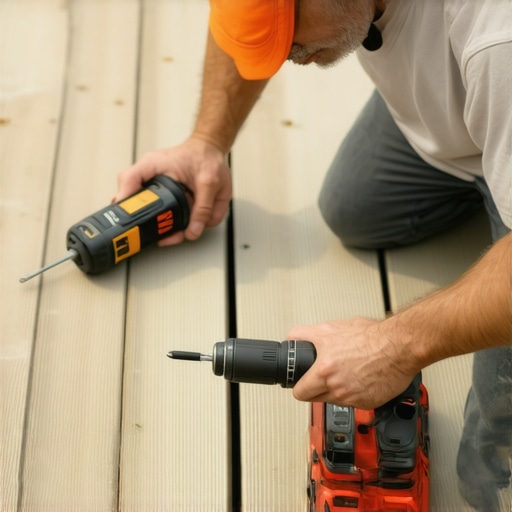
Investing in quality tools not only makes your maintenance easier but can also save you significant repair costs down the line, especially as materials like composite decking and modern railing systems evolve to resist environmental stressors better. Remember, the future of outdoor living maintenance will depend on smart technology, but the fundamentals of good tool use and regular checks remain irreplaceable. So, I challenge you to try out one tip today—perhaps starting with that torque-limited drill—and see how it transforms your maintenance routine.
The Hardest Lesson I Learned About railing systems,deck design,pergola,composite decking
One of my most eye-opening experiences was realizing that skipping detailed planning often leads to costly fixes later. Initially, I underestimated the importance of proper fastening techniques, which caused my deck to creak and wobble within a year. Now, I know that investing time in accurate measurements and high-quality fasteners is essential for long-term stability.
3 Myths About railing systems,deck design,pergola,composite decking That Held Me Back
I believed that darker decking colors absorbed less heat, but I found they actually get hotter and cause discomfort. Another misconception was thinking all stainless steel cables are foolproof; improper tensioning can compromise safety. Lastly, I thought symmetric designs were always better, but asymmetrical layouts often offer better visual interest and space utilization when thoughtfully executed.
What Experts Won’t Tell You About railing systems,deck design,pergola,composite decking
Many seasoned deck builders know that hidden fasteners and proper drainage are the unsung heroes of durable decks. I discovered that quality flashing and correct ledger board installation prevent rot that many overlook, leading to years of maintenance avoidance. These behind-the-scenes details make a significant difference in the lifespan and safety of your outdoor space.