
Have you ever stepped onto your deck stairs only to feel that unsettling, sponge-like bounce underfoot? I remember the first time I experienced this — it was on a warm Saturday afternoon, and my kids were racing up and down, oblivious to the creaking and bouncing beneath their feet. That lightbulb moment made me realize: something wasn’t right, and it was more than just a squeaky step.
Breaking Down the Bounciness: What Really Causes It?
Chances are, your stair treads aren’t as solid as they seem. Over time, due to environmental exposure and normal wear, the fasteners and framing can loosen, creating gaps that allow the treads to flex. Imagine a book with loose pages — it becomes floppy and unstable. The same principle applies here. The good news? With a few straightforward fixes, you can restore that firm, safe footing and enjoy your deck without reservation.
Is Bounciness a Sign of Structural Trouble?
This question haunted me early on. I made the mistake of ignoring the problem, thinking it was just a minor annoyance. But neglect can lead to more significant issues, like wobbling risers or even safety hazards. Early intervention not only enhances safety but also prolongs the life of your deck. According to experts, addressing loose stair components promptly is crucial — an ounce of prevention is worth a pound of cure.
So, have you faced this bouncy stair treads issue? If yes, don’t worry — you’re not alone, and I’ll guide you through simple, effective steps to fix it. Whether you’re a DIY enthusiast or just looking for ways to improve your outdoor space, understanding the root cause will help you make informed decisions. Ready to get those stairs solid again? Let’s dive into what’s really going on and how to fix it once and for all.
Why Your Deck Stair Treads Feel Bouncy and How to Fix It
Firstly, it’s essential to understand what causes this common problem. Many homeowners overlook the importance of proper fastening and support, especially in outdoor environments where moisture and temperature changes are relentless. Moisture can cause fasteners to loosen or rust, and wooden framing to warp. As a result, the stair treads no longer sit flush or feel secure underfoot. Addressing these issues early can prevent dangerous accidents and costly repairs down the line.
If you’re curious about further deck enhancement ideas, I recommend exploring [custom railing systems](https://deckforgebuilders.com/transform-your-outdoor-space-custom-railing-systems-for-safety-and-style) that can add both safety and aesthetic appeal to your outdoor areas. For long-lasting solutions, consider upgrading to [composite decking](https://deckforgebuilders.com/composite-decking-trends-durable-solutions-for-modern-outdoor-living), which resists warping and decay better than traditional wood. Starting with a solid understanding of your stair support structure will ensure your project’s success and your peace of mind.
Secure Loose Fasteners to Eliminate Floppiness
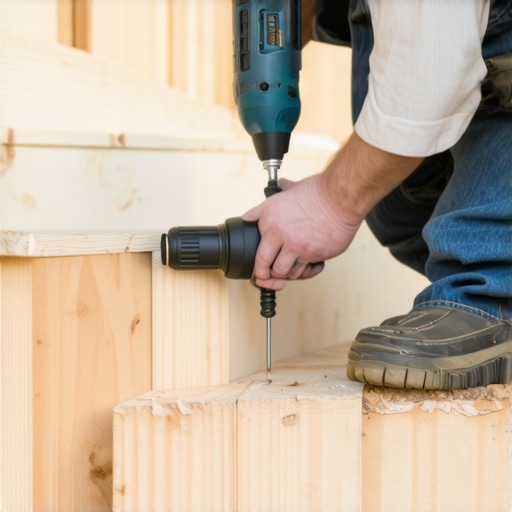
Begin by carefully removing the stair tread to inspect the fasteners. Remember a time when I used a cordless drill to tighten corroded screws on my deck, which instantly reduced the bounce. Use galvanized or stainless steel screws to prevent rusting, and replace any broken or missing fasteners. ensuring each attachment is snug, creates a solid connection between the tread and stringers.
Reinforce the Support Structure with Additional Bracing
If tightening alone doesn’t suffice, add support brackets or metal L-braces at the joints where the tread meets the stringers. I once installedangle brackets under a stubborn staircase, which provided extra stability and eliminated movement. Secure these braces with corrosion-resistant fasteners, and make sure they sit flush against framing members for maximum strength.
Address Warped or Damaged Treads and Risers
Check for signs of warping or cracking. If a tread or riser is warped, replace it with a new piece of composite decking to prevent future problems. I learned this the hard way when a warped tread caused a squeak underfoot; replacing it with a low-maintenance composite board not only fixed the issue but also enhanced durability. Cutting a replacement from scrap composite boards can be cost-effective and seamless for repairs.
Improve Support with Proper Framing and Underpinning
Ensure that the stair framing is solidly anchored to the deck and ground. Installing post anchors or footing reinforcements can prevent sinking or shifting over time. I once added additional posts beneath a sagging stair, which significantly improved stability and prevented bounce. Using concrete pier blocks or adjustable supports can help achieve a level, firm foundation.
Seal and Protect Against Moisture Damage
Apply a weatherproof sealant on the wood components to combat moisture-related loosening. In a project I tackled early spring, sealing the stringers prevented rust and rot, preserving the joints’ integrity. Regular maintenance with protective coatings extends the lifespan of the support structure, especially in wet climates.
Consider Upgrading to Composite Materials for Long-Term Stability
Upgrading your stair treads and support members to composite decking offers increased resistance to warping and deterioration. I switched from wood to composite on my last project and noticed how the material maintains a consistent shape, reducing bounce over time. For more insights on selecting durable options, visit composite decking trends.
Keep Fasteners Tight Over Time to Maintain Stability
Schedule periodic checks to tighten screws and replace corroded fasteners. Remember, even best-built structures can become loose, especially in high-traffic or harsh weather conditions. I make a habit of inspecting my stairs at the start of each season, ensuring safety and firmness remain uncompromised.
Integrate Railing and Support Elements Thoughtfully
For additional security, install a sturdy railing system. Not only does it increase safety, but it also helps stabilize the stair support. When choosing a style, consider railing options for better safety that complement your deck’s design.
 Many homeowners assume that choosing popular materials or trendy styles guarantees a durable outdoor space. However, what most people overlook are the nuances that determine longevity and safety. For example, a common myth is that composite decking is entirely maintenance-free. While it offers advantages over traditional wood, neglecting proper installation and seasonal inspections can lead to warping or fading, especially if subpar products are selected. According to a study by the Outdoor Power Equipment Institute, even high-quality composite materials require regular cleaning and occasional repairs to maximize lifespan.
How can seemingly minor oversights compromise your entire project?
One key mistake is underestimating the importance of precise framing and support systems. Overlooking details like proper drainage slopes or venting can cause trapped moisture, leading to mold growth or structural weaknesses over time. Additionally, many assume that all railing systems are created equal; however, choosing low-quality fasteners or incompatible materials may result in rust, wobbling, or compromising safety. For instance, installing a railing with galvanized fasteners in a coastal environment without considering corrosion resistance can be a costly oversight. To avoid these pitfalls, explore solutions that prioritize durability, such as custom railing systems that incorporate weather-resistant alloys. For ideal structural stability and aesthetic appeal, consult this resource on custom railing options.
Another aspect often misunderstood is the significance of proper layout planning. Anchoring pergolas or decks without accounting for wind loads or sun exposure can lead to sagging or premature wear. An advanced homeowner might ask: “How do load calculations influence long-term structural integrity?” This detail isn’t just technical showmanship but a practical necessity. Consulting with a structural engineer or using dedicated software can help predict stress points and optimize support placement, preventing costly renovations later. For further insights into elevated design strategies, check out this article on innovative deck design.
Remember, the devil is in the details. Deferring critical evaluations or choosing aesthetics over function often results in projects that look good initially but fail under the test of time. Always consider site-specific factors like climate, soil conditions, and future use scenarios when planning your outdoor spaces. Take the time to verify manufacturer claims about durability, and don’t hesitate to seek professional advice when in doubt. Doing so can save you from expensive mistakes and ensure your outdoor space remains a sanctuary for years to come. Have you ever fallen into this trap? Let me know in the comments.
How do I maintain my pergola, deck, and railing systems over time?
Maintaining a beautiful and durable outdoor space requires more than just initial construction; it involves selecting the right tools and adopting a proactive approach. I personally rely on a few specialized equipment pieces and methods that have significantly extended the lifespan of my decks and pergolas. For instance, a cordless impact driver with adjustable torque settings allows me to tighten fasteners securely without stripping screws, especially when working with composite materials where precision matters. Using a tensioner gauge whenever installing railing posts ensures consistent tension, which is crucial for safety and preventing wobbling. One essential tool I highly recommend is a digital moisture meter. This device helps me identify hidden areas of excess moisture in wood framing or support posts before they develop into rot issues, ensuring timely interventions. Additionally, regular visual inspections complemented by these tools enable me to spot problems early, saving money and preventing hazards. As trend predictions point toward smart maintenance systems, integrating sensor-based moisture and stress detectors into your deck supports can automate this monitoring process, making long-term upkeep more manageable. Discover how these advancements are shaping future deck maintenance strategies here.
Why investing in the right tools makes all the difference
Using specialized equipment not only simplifies repairs but also enhances safety. For example, a double nut fastening technique combined with a quality impact driver ensures your railing system remains firm through changing seasons. Moreover, I find that applying high-quality, weather-resistant sealants with an airless sprayer results in more uniform coverage and longer-lasting protection against moisture infiltration. Embracing these tools and methods has allowed me to keep my outdoor structures structurally sound and visually appealing for years. I strongly encourage you to try out an impact driver paired with a moisture meter to experience the difference firsthand. Proper maintenance, backed by the right equipment, can significantly reduce long-term costs and preserve your outdoor haven.
The Hardest Lesson I Learned About Pergola, Deck Design, Composite Decking, Railing Systems
One of my biggest realizations was that overlooking the finer details—like proper drainage or material compatibility—can lead to rapid deterioration. It taught me that a well-designed outdoor space is as much about anticipating weather-related stresses as choosing stylish finishes. Over time, I discovered that patience during planning and meticulous inspection pay off when your deck or pergola withstands the test of seasons.
3 Myths About Pergola, Deck Design, Composite Decking, Railing Systems That Held Me Back
- Myth: Composite decking is entirely maintenance-free.
Truth: While resistant to decay, it still requires periodic cleaning to prevent mold and staining. - Myth: Railing systems don’t impact structural longevity.
Truth: High-quality, weather-resistant fasteners and proper support are crucial for safety and durability. - Myth: A beautiful design can ignore underlying support structures.
Truth: Structural integrity is foundational; aesthetics come after ensuring a solid framework.
What Experts Won’t Tell You About Pergola, Deck Design, Composite Decking, Railing Systems
Many professionals emphasize quick fixes, but the real key to lasting outdoor structures lies in detailed support systems and seasonal maintenance. For example, the importance of selecting corrosion-resistant fasteners tailored for your environment can’t be overstated—doing so prevents wobbling and safety hazards over time. Also, understanding how material expansion and contraction affect installation can save you headaches down the line. To delve deeper into these nuances, exploring custom railing solutions and composite decking trends will give you a competitive edge in creating resilient spaces.