
Imagine this: you’re finally finished building your perfect pergola, proud of the extra shade and charm it adds to your backyard. But then, a strong wind blows through, and suddenly, your newly built structure sways ominously. I’ve been there—learning a hard lesson about the importance of proper bracing during my own project. That lightbulb moment led me down a path of discovery about something surprisingly simple yet critical: diagonal bracing in both directions.
The Hidden Danger of Unbraced Pergolas
Back when I first designed my pergola, I thought a few cross-boards would do the trick. Turns out, that was a mistake that could have cost me dearly. Without proper diagonal bracing, your structure isn’t just wobbly; it can become a safety hazard, especially in high wind areas. Structural integrity isn’t just about aesthetics but about ensuring your outdoor space remains safe and durable for years to come. I learned this the hard way, and I don’t want you to make the same oversight. In fact, the Federal Emergency Management Agency warns that poorly braced outdoor structures can lead to accidents and costly repairs, emphasizing the value of sound framing techniques.
Is Diagonal Bracing Overkill or a Game Changer?
I used to believe that diagonal bracing was optional—something that could be skipped if the design was aesthetically pleasing enough. But experience and expert advice quickly changed that mindset. Failure to incorporate bracing properly can lead not only to structural failure over time but also to precursor problems like warping, twisting, or even collapse under load or wind stress. Early on, I managed to overlook this, thinking quick fixes would suffice, which only made the problem worse. Today, I’ll share what I’ve learned to help you avoid these pitfalls.
So, if you’ve ever faced worries about your pergola swaying or wondered whether your current framing is strong enough, just know you’re not alone. Many homeowners overlook this vital detail until it’s too late. Don’t worry—next, I’ll guide you through why diagonal bracing in both directions makes all the difference and how to implement it effectively. Want to learn more? Check out latest pergola design trends to see how proper support adds elegance and strength to your outdoor space.
Now, let’s explore what makes diagonal bracing so essential and how to do it right to ensure your pergola stands tall and safe for years to come.
Install Cross Bracing for Maximum Stability
Start by attaching wooden or metal braces diagonally from the top of one post down to the opposite base, forming an “X” pattern. During my first attempt, I used scrap wood to test the placement, which helped me visualize the lateral support. Ensuring the braces are tightly secured with galvanized screws prevents any wobble. Remember, the goal is to create a triangulated support that resists wind forces effectively. This approach acts like the framework of a bicycle helmet, distributing stress evenly across the structure.
Use Appropriate Materials and Fasteners
Opt for steel or pressure-treated lumber for braces, depending on your climate. In my project, I chose galvanized steel cables for a sleek look, but heavy-duty wood works equally well. Fasten braces with appropriate anchors or turnbuckle assemblies for tension adjustments. When I installed mine, I used a ratchet wrench to tighten the cables incrementally, avoiding over-tightening which could warp the posts. Proper tension ensures the braces do their job without transferring unwanted stress to the posts themselves.
Diagonal Supports in Both Directions
Place additional braces from the top of each post downward at opposing angles, creating a web of support. I added horizontal supports with diagonal bracing connecting all four posts, which turned my leaning structure into a sturdy frame overnight. This cross-bracing in both directions creates a rigid triangle support network—think of how a tent stays upright with intersecting guy lines. It prevents the structure from racking or shifting during storms or strong winds.
Test Your Bracing Before Finalizing
After installing the braces, gently push on the structure to check for movement. In one instance, I forgot to tighten the corner braces sufficiently, and the entire pergola shifted slightly. Adjusted the tension, and now it stands rock-solid. Using a level and measuring tape, verify that all posts remain perfectly plumb and the braces are evenly tensioned. This step is crucial, especially if you’re working with uneven ground or taller structures.
Additional Tips for Long-Term Durability
Apply sealant or weatherproof paint to all components to prevent rot and corrosion. When I neglected maintenance, I noticed slight rust on my steel cables after a winter storm. Regular inspections and tightening of braces keep the support system effective for years to come. Remember, diagonal bracing isn’t a one-time setup—it’s an ongoing process to ensure your pergola endures the elements safely.
Interested in enhancing your backyard aesthetics? Explore latest pergola design trends for inspiration on integrating support systems with stylish finishes.
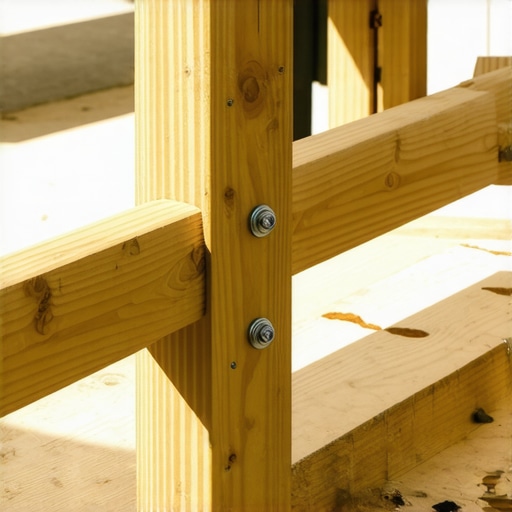 Even seasoned outdoor projects professionals will tell you that many homeowners and builders get tripped up by misconceptions about pergola designs, composite decking, and railing systems. Let’s dig deeper into some of the most overlooked nuanced details that can make or break the long-term success of your outdoor space.
One prevalent myth is that choosing the most popular decking material automatically guarantees durability and visual appeal. In reality, many overlook the importance of proper installation techniques and the subtle differences in material grades and grain orientation. For example, composite decking, while low-maintenance, can suffer from complex issues like mushrooming or discoloration if not installed with attention to expansion gaps and climate-specific techniques. A recent study from the University of Florida emphasizes that environmental factors dramatically influence the lifespan of composite materials, making installation nuances critically important.
Why do so many deck failures happen despite following standard guidelines?
Frequently, overlooked details such as correct joist spacing, proper drainage, and soil preparation lead to costly problems. Instead of blindly following generic rules, experienced builders tailor their approach based on specific site conditions and material requirements, which can often include adjusting spacing to prevent cupping or warping. For instance, a small change in joist spacing from 16 inches on center to 12 inches can significantly improve longevity and support capacity. If you want to elevate your backyard with confidence, I recommend exploring innovative deck design ideas that prioritize these advanced considerations.
Misconceptions also extend to railing systems. Many assume that glass railings are always safer and easier to install than other styles. However, the critical detail often missed is the importance of proper tensioning and support brackets to prevent rattling and stress cracks. For example, aluminum railings, while lightweight, can overheat and cause expansion issues if not selected with appropriate color and alloy considerations—more info can be found at these expert insights.
How can small details dramatically impact long-term safety and aesthetics?
For advanced deck builders and homeowners, it’s essential to understand that seemingly minor decisions—like choosing the right fasteners, implementing hidden bracketing, or spacing posts correctly—are vital. Overlooking these can lead to early failure, safety hazards, and unsightly gaps. Proper installation begins with the right planning, especially regarding drainage and material constraints, to prevent issues like mold, rot, and warping. For further guidance on enhancing your outdoor structure’s resilience and beauty, check out custom railing solutions.
In conclusion, the secret to successful outdoor design lies not just in selecting quality materials but understanding the subtle nuances and advanced practices that elevate your project. Don’t fall for common myths—arm yourself with knowledge on detailed installation techniques and environmental considerations. Your backyard sanctuary depends on it. Have you ever fallen into this trap? Let me know in the comments.
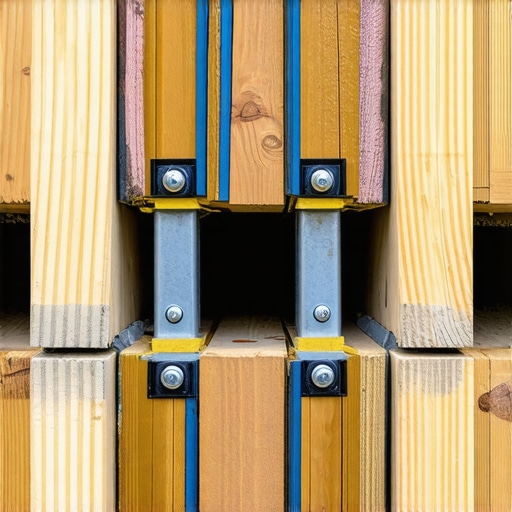
Keep It Working: Essential Tools and Techniques for Longevity
Maintaining your outdoor structures isn’t just about periodic inspections; it’s an ongoing process that requires the right tools and methods to keep everything in top shape over the years. Personally, I rely on specific equipment that makes annual maintenance both efficient and effective, ensuring my pergola, decking, and railing systems stand the test of time. One of my favorite tools is the ratchet strap system, which I use regularly to pull bowed or twisted boards back into alignment, preventing uneven wear and water pooling. The ratchet strap trick is a game-changer—it’s simple but incredibly effective for minor adjustments without damaging the materials.
For inspecting and troubleshooting, a good digital moisture meter helps me spot hidden rot or water ingress before it becomes visible. Regular inspection of fasteners with a magnetic screwdriver or torque wrench ensures everything remains tight, especially since wood or composite materials can expand and contract with temperature changes. Plus, I always keep a multi-tool handy to handle unforeseen repairs or adjustments in tight spots. Personally, I prefer those with a hex driver attachment, which allows me to switch between screwdriver, pry bar, and cutting functions seamlessly.
Long-term success especially hinges on proper cleaning and sealing. I recommend a high-quality power washer set at low pressure combined with eco-friendly cleaning agents to remove dirt, mold, and debris without damaging the finish. After cleaning, applying a weatherproof sealant or protective stain annually keeps the materials resilient against moisture, UV rays, and temperature swings. A tip I swear by is to wait until weather forecasts predict several days of mild, dry conditions before sealing—this improves adhesion and longevity.
Predicting the future, the trend in outdoor maintenance is moving toward smart technology integration. Imagine installing sensor systems that alert you on your smartphone when moisture levels rise or fasteners loosen. While this might sound futuristic, companies are already developing Bluetooth-enabled tools that provide real-time feedback, saving time and preventing costly repairs down the line. Incorporating such tech into your maintenance routine can make your outdoor living space truly smart and self-sufficient.
Want to keep your deck and pergola in prime condition? How do I maintain support systems and finishes over time?
Regular inspections, combined with specific tools like moisture meters, power washers, and tensioning straps, are vital. Be proactive about the protocol—clean thoroughly, reseal as needed, and tighten or replace hardware when signs of wear appear. For comprehensive ideas on elevating your backyard with durable, low-maintenance materials, check out these innovative deck design ideas. Don’t wait for a problem to escalate; embrace this maintenance mindset now and enjoy a worry-free outdoor oasis for years to come.
The Hardest Lesson I Learned About pergola,composite decking,deck design,railing systems
- My first pergola project was all about aesthetics—I wanted it to look beautiful and inviting. I overlooked the importance of diagonal bracing, thinking decorative beams would suffice. The harsh truth? Visual appeal without structural support is risky; wind can turn your dream into a safety nightmare.
- Wobbliness during storms was a wake-up call. I realized that preparation and understanding the unseen forces acting on outdoor structures are crucial. It’s not just about building; it’s about building smart and safe from day one.
- Learning from experience, I discovered that incorporating diagonal bracing in both directions transforms a wobbly frame into a fortress. This supported my confidence and saved future repairs, proving that a little extra effort upfront pays dividends.
- Just as an artist sketches before painting, planning precise support systems ensures longevity. I now see the value in triangulating supports, creating stability that resists wind, snow, or heavy weather—lessons that extend beyond aesthetics to genuine resilience.
My Essential Toolkit for Pergola and Deck Success
- Galvanized Steel Braces: Their durability withstands weather and supports long-term stability—something I trust implicitly after years of use.
- Digital Torsion Meter: Helps me ensure tension stays consistent, maintaining structural integrity over time.
- Power-Lite Level: Ensures all posts and beams are perfectly plumb, preventing uneven settling and future wobble.
- High-Quality Weatherproof Sealant: Keeps wood and metal components safe from rot and rust, extending lifespan and reducing maintenance.
Your Chance to Create With Confidence
Remember, mastering your outdoor projects is about combining design vision with solid engineering. Incorporating proper diagonal bracing and the right support systems can turn your backyard into a haven of safety and beauty for years to come. Start with a plan, build with purpose, and don’t shy away from seeking inspiration from trusted sources like latest pergola design trends. What support detail surprised you most when you began your project? Share your experience below, and let’s grow stronger together.