I remember the moment clearly. I was finishing up a new porch project when I stood back to admire my handiwork—only to realize that the railing height seemed just a bit off. It was the kind of detail I usually catch, but this time, I overlooked an important safety requirement. The result? A last-minute scramble to adjust the posts before the code inspector arrived, saving me from potential fines and, more importantly, unsafe conditions.
Why Your Railing Might Not Be Up to Snuff
This experience was a wake-up call. Like many homeowners and DIY enthusiasts, I had focused on aesthetics and durability but neglected the critical aspect of local safety codes, especially regarding railing height. It turns out that in many jurisdictions, the height of balcony or deck railings isn’t just a matter of style—it’s a legal requirement designed to keep you safe. But why does this often slip through the cracks?
In truth, the complex web of regulations can be confusing, especially when planning a custom deck or railing system. I learned that one common mistake is relying solely on generic guidelines or previous experiences without verifying the specific local rules. For instance, some codes specify minimum heights of 42 inches for residential decks, but others may vary depending on the country’s or state’s standards. Failing to comply can lead to safety hazards and costly modifications down the line.
Next, we’ll dig into how to make sure your railing height meets all necessary safety standards and avoid the pitfalls I encountered. Trust me, it’s worth the effort to get this right from the start—your safety and peace of mind depend on it.
If you’ve ever faced the frustration of realizing your railing doesn’t quite meet code after construction, you’re not alone. Many have been caught off guard by overlooked details that are critical for safety inspections. But don’t worry—I’ve gathered practical tips and insights to help you avoid these mistakes and build with confidence.
And if you’re wondering whether this is something worth double-checking, the answer is a resounding yes. According to the Consumer Product Safety Commission, falls from decks are among the leading causes of home injuries, making proper railing height crucial for preventing accidents. Ensuring your railing is compliant isn’t just about following rules; it’s about protecting yourself and your loved ones.
Stay tuned as we explore how to verify your railing height, select the right components, and ensure your project passes inspection with flying colors. Ready to dive into the details? Let’s get started!
Check Local Building Codes Early
Start by visiting your city or county building department’s website or giving them a call to find the specific railing height requirements for residential decks. I once assumed a standard 36-inch height would suffice, but verifying the local minimum of 42 inches saved me from costly adjustments after inspection. Record these measurements and keep them handy as a reference throughout your build.
Select the Right Post and Railing Materials
Choosing durable materials like aluminum or composite railing systems provides longevity and safety. For example, I replaced my wooden posts with aluminum ones, which resist rot and avoid warping. When selecting components, consider the load requirements and ensure they meet or exceed your local standards. For detailed options, you can explore styles and safety features at this comprehensive guide.
Accurately Measure and Mark the Post Heights
Use a reliable measuring tape and a level to mark the exact height on each post before cutting. I recommend double-checking your markings by measuring from the deck surface to ensure consistency. In one instance, I used a chalk line to create a straight, level line across all posts—this made cutting uniform and kept the railing level post-installation.
Cut Posts with Precision
Secure the posts and cut them with a miter or reciprocating saw. Always wear safety goggles and gloves. Take your time to make smooth cuts; a messy cut can lead to uneven railing height or post wobble. I once rushed a cut and had to re-sand the top to fit properly, which delayed the project but taught me the importance of patience.
Install Posts at Correct Heights
Position posts and temporarily support them to verify height and alignment. Use shims or spacers if sections are uneven due to deck irregularities. After adjusting, secure posts with appropriate anchors or bolts. During one project, I used adjustable post bases that let me fine-tune height, ensuring compliance and safety.
Attach the Railing System
Follow manufacturer instructions precisely when attaching the top rails and balusters. Confirm the height periodically with a level, especially if using pre-assembled kits. In my experience, measuring after each connection ensures the overall height remains consistent, preventing surprises during inspection.
Verify and Document Your Work
Once installed, double-check all measurements with a tape measure and level. Take photos of critical stages for future reference or inspections. I once found a slight discrepancy during final checks and corrected it before the inspector arrived, avoiding a failed review and rework.
By following these concrete steps, you create a railing that not only looks neat but also meets safety standards. Armed with precise measurements and quality materials, you’ll have a deck railing that passes inspection on the first try and keeps your loved ones secure.
For additional design ideas that complement your railing setup, consider exploring pergola styles or innovative deck designs to enhance your outdoor space.
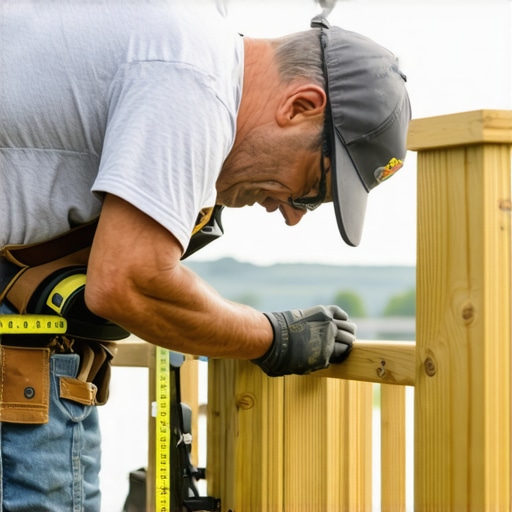 When designing pergolas and composite decks, many enthusiasts focus on aesthetics and basic functionality, but there’s a wealth of nuance that often gets overlooked. One common myth is that choosing trendy materials or generic designs guarantees durability—this couldn’t be further from the truth. For instance, relying solely on fashionable pergola styles without considering the local climate or purpose can lead to rapid deterioration or underwhelming usability. An advanced mistake I’ve seen is neglecting the subtle structural nuances, such as proper bracing angles or anchoring techniques, which are crucial to prevent sway or wobble over time, especially for larger spans or high-wind areas. Research by the University of California’s Cooperative Extension emphasizes that proper joint reinforcement and load distribution are essential for long-lasting outdoor structures, yet many skip these details. So, what’s the best way to ensure your outdoor project withstands both time and weather? It starts with understanding the subtle engineering principles behind the materials and how they interact with the environment.
Are There Hidden Risks Even with Premium Materials?
Many assume that investing in top-tier composite decking or premium railing systems automatically shields them from common issues like warping, mold, or noise. While quality components are critical, improper installation or neglecting subtle factors such as moisture barriers, expansion gaps, or precise fastening can cause problems years down the line. For example, I’ve seen decks with perfect-looking surfaces but underlying moisture ingress because of overlooked flashing details or insufficient drainage planning, leading to rot and costly repairs. Experts in decking installation recommend a thorough understanding of these design nuances to prevent hidden damage—details often clarified in specialized guides like composite deck longevity tips. Always question whether your choices are informed by experience, or just popular trend—it could make all the difference in your project’s lifespan.
Why Small Design Details Matter More Than You Think
When it comes to deck safety and aesthetic appeal, tiny elements such as baluster spacing or post-to-rail connections might seem minor but are packed with nuance. Incorrect spacing can not only violate code but also compromise safety, especially for children or pets. Similarly, the angle at which railing bolts are anchored influences stability, particularly under lateral loads like wind or pressure. Overlooking these can turn a beautiful outdoor space into a liability. My advice? Pay close attention to manufacturer specifications and building codes, and don’t shy away from consulting professional resources to understand the advanced engineering behind these components. It’s about balancing form and function, ensuring your design doesn’t just look good but also performs reliably over time. For innovative ideas, check out innovative deck designs for 2025 to stay ahead of trends.