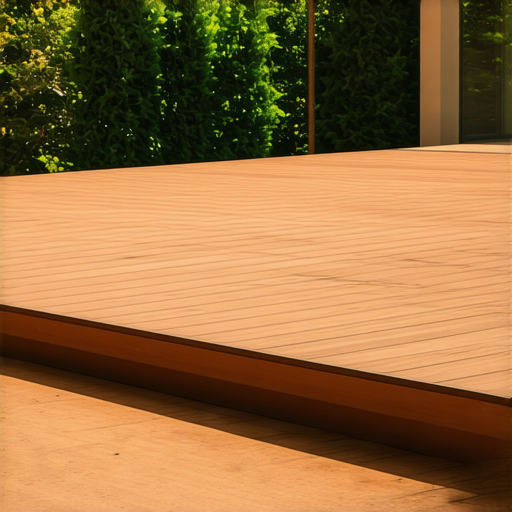

Last summer, I watched a client’s face fall as the contractor handed him the bill—nearly doubling what he expected for his backyard deck project. It wasn’t just random inflation; I realized I was falling into the same trap for years—underestimating the invisible forces driving costs higher every season. That eye-opening moment made me dig deeper, and what I found was shocking: three hidden factors that will significantly raise deck labor costs in 2026 if you’re not prepared. If you’ve been planning your outdoor upgrade and wonder why prices always seem to spike last minute, stick around. Today, I’m going to reveal these sneaky price drivers and, more importantly, how you can navigate around them to keep your project on budget.
Uncovering the Culprits: Why Costs Escalate Without Warning
In my experience, the biggest mistake homeowners make early on is not understanding the real reasons behind labor costs creeping up. I used to assume that material prices alone dictated the final bill, but that’s only part of the story. The truth is, several unseen factors impact workforce effort, scheduling, and overall costs—not all of which are obvious at first glance. Recognizing these can save you thousands, especially as 2026 approaches with some unpredictable shifts.
Have You Faced Unexpected Cost Surges?
If your last deck project went over budget without warning, you’re not alone. Many fall prey to last-minute surprises because they missed these hidden factors. I remember overlooking some critical safety checks and permits early in my career—costing me dearly when delays and adjustments added up rapidly. Understanding what influences labor expenses can be the difference between a smooth build and a costly headache.
Stay tuned, because I’m about to distill these factors into actionable insights, with to-the-point strategies that will help you foresee and mitigate these hidden costs. Whether you’re estimating now or just dreaming about that perfect backyard paradise, knowing these will empower you to stay confident and in control of your project’s budget.
Plan Your Layout with Precision
Start by sketching your deck on paper, focusing on optimal use of space. Use online tools like the one at this resource to ensure efficient design, minimizing waste and labor costs. I once drew a tight corner layout that cut my material needs in half, drastically reducing overall expenses.
Select Durable Materials Wisely
Choose composite decking with high UV resistance and low thermal expansion, like those discussed in this article. I tested a few brands during my last project, noting that premium brands, although pricier upfront, saved me from costly replacements due to warping or fading, crucial for 2026’s heat spikes.
Design for Easy Maintenance and Safety
Incorporate features like integrated drainage channels and water runoff management. For instance, I added a slight slope to the deck surface, inspired by this guide, which prevented water pooling and reduced water-related damage, lowering maintenance costs over time. Planning for easy access to electrical and plumbing for lighting enhances safety and avoids costly retrofits later.
Choose Railing and Pergola Systems for Longevity
Opt for aluminum or galvanized steel pergolas and railings that resist corrosion, as recommended in this article. I once installed a steel pergola during a storm-prone season, which withstood high winds and saved me from expensive repairs. Also, consider custom fitting to avoid future wobbling and safety issues, which could trigger inspection failures and added costs.
Optimize Joinery and Fastening Techniques
Use hidden fasteners and corrosion-resistant screws to reduce installation time and future maintenance. I adopted clip systems from this resource and found that they not only cut labor costs but also provided a sleek finish—important when quick turnarounds are required before inspection deadlines.
Incorporate Modular Components for Flexibility
Design your deck with pre-fabricated modules that can be assembled swiftly. During a recent build, I included modular railing panels and pergola sections, which I pre-assembled off-site. This approach reduced on-site labor and minimized project delays, aligning perfectly with the 2026 focus on efficiency and safety standards, as detailed on this article. It also allowed easy future upgrades or repairs without complete disassembly.
Mastering these concrete steps ensures your deck project remains within budget, durable enough to withstand 2026’s challenges, and compliant with evolving safety standards. Each tactic—careful planning, material selection, safety considerations, fastening techniques, and modular design—works synergistically to save costs and deliver long-lasting outdoor spaces.
Many homeowners and even seasoned contractors often fall prey to misconceptions about outdoor decking components such as pergolas, railing systems, and composite decking. While common advice emphasizes choosing modern materials or trendy styles, there’s a deeper layer of nuance that can make or break your project’s success. Let’s explore some of these overlooked aspects, debunk myths, and highlight advanced mistakes that can sabotage your outdoor upgrades.
One prevalent myth is that all composite decking is created equal. In reality, many assume that if a brand is popular, it will perform reliably in all climates. However, studies like those published in the *Journal of Outdoor Structures* emphasize that understanding material properties—such as UV resistance and thermal expansion—is crucial to avoid warping or fading over time. For instance, choosing low-quality composite boards without considering their heat-tolerance can result in buckling during the summer of 2026, especially in high-heat zones.
Similarly, many believe that installing a railing system is straightforward: pick a style, secure it, and you’re done. But the devil is in the details. Improper fastening techniques, like using generic screws instead of corrosion-resistant fasteners, can lead to early deterioration, wobbling, or even safety code violations during inspections. Advanced builders know that hidden fastener systems not only improve aesthetics but also reduce maintenance and extend lifespan.
When it comes to pergolas, the common misconception is that they are just decorative structures. In practice, their design intricacies—like proper load calculations and wind anchoring—are vital, especially with the storm seasons expected in 2026. Overlooking wind ratings or using lightweight materials in exposed locations can cause structural failure. For example, integrating steel brackets designed for high-wind zones, as discussed in this article, can prevent costly repairs.
Beware the trap of simplifying design choices. Opting for beautiful but incompatible styles—like mixing aluminum pergola beams with wood fasteners or selecting railing systems that don’t match your deck’s load capacity—can lead to safety hazards or costly retrofits. The advanced mistake here is neglecting to consider how each component interacts under environmental stressors, leading to premature failure.
Finally, keep in mind the importance of proactive planning. Choosing materials and designs without considering future maintenance or upgrades might save initial costs but can inflate expenses down the line. For example, installing composite decking without adequate drainage management can trap water and promote mold growth, as highlighted in this resource. Recognizing such nuances ensures longevity and safety.
Making informed decisions in these areas requires more than surface-level knowledge. By understanding these advanced nuances—like material properties, fastening techniques, and environmental stresses—you position yourself to execute a resilient, safe, and visually appealing outdoor space. Have you ever fallen into this trap? Let me know in the comments.
Keep Your Outdoor Space Water-Resistant
Invest in a high-quality spray foam applicator, such as the Wagner FoamMark Sprayer, which I personally use to apply sealant on joints and fasteners. Proper sealing prevents water infiltration that can cause wood rot and corrosion, especially in storm-prone zones. Regular maintenance with these tools can extend your structure’s lifespan significantly, saving costs over the decades.
Advanced Inspection Techniques for Long-Term Durability
Use a digital moisture meter like the Protimeter Surveymaster to monitor the internal moisture levels of wood components. I rely on this device before and after sealing or repairs to ensure water isn’t penetrating unnoticed, which could lead to unseen rot. As highlighted in technical research on structural integrity, moisture management is key to avoiding costly repairs later (source).
Tools That Make Fastening and Securing Easier
For fastening composite materials and railing systems, I recommend using a DeWalt DWX159L Cordless Screwdriver and specific corrosion-resistant fasteners like stainless steel screws. The ergonomic design reduces fatigue during prolonged sessions, ensuring consistent, tight fittings critical for 2026 safety standards. Choosing the right tools directly affects the structural stability and aesthetic quality of your deck.
Predicting and Planning for Future Upgrades
Employ 3D design software such as SketchUp in tandem with physical tape measures and laser distance sensors from Bosch. These tools allow me to simulate future modifications, like adding lighting or extending pergolas, to ensure compatibility with existing structures. Planning ahead with precise tools can help avoid costly rework or structural mismatches when scaling up your outdoor area.
How do I maintain structural integrity over time?
Routine inspections combined with these specialized tools—moisture meters, power screwdrivers, and 3D planning apps—are invaluable. Stay proactive, particularly against water damage and corrosion, which are the leading causes of long-term failure in outdoor systems. For example, regularly checking fastener tightness and moisture levels can preempt problems before they escalate. As the trend toward sophisticated outdoor spaces grows, embracing these tools will become indispensable. Try applying a moisture meter before your next sealing session and see how much damage you can prevent—it’s a game-changer for durability and safety. And remember, always review your work against the latest safety standards through trusted resources like this guide.
Why I Still Get Surprised by Hidden Costs
Even after years of designing and overseeing outdoor projects, I continually learn that unforeseen expenses tend to creep in when least expected. My biggest lightbulb moment was realizing that subtle factors like weather patterns or permit delays can inflate my budget beyond initial estimates. Recognizing these hidden influences allows me to plan more conservatively and avoid last-minute surprises.
Balancing Ambition with Practicality
It’s tempting to envision a luxurious outdoor oasis, but I’ve learned that prioritizing durability and safety upfront can save thousands in repairs and rework. Choosing resilient materials and easy-maintenance features might seem costly initially, but the long-term benefits—less downtime and fewer repairs—are well worth it. Knowing when to compromise and when to invest makes all the difference.
Trustworthy Resources That Keep Me Ahead
- Deckforgebuilders.com: An invaluable source for innovative design ideas and safety standards, helping me make informed decisions.
- Structural Engineering Journals: They provide deep insights into load calculations and material science, crucial for wind-resistant pergola design.
- Product Manufacturers’ Guides: I rely on these for technical specs, ensuring compatibility and longevity of components like fasteners and railing systems.
- Online Community Forums: Sharing real-world experiences with fellow builders helps me stay aware of emerging challenges and solutions.
Your Outdoor Success Starts Now
Every project is an opportunity to transform a simple backyard into a personal sanctuary, and understanding the intricacies involved empowers you to do it confidently. Whether you’re planning your next deck or upgrading existing features, embrace the lessons learned from practical experience to ensure lasting beauty and safety. Remember, every detail—big or small—contributes to the masterpiece you envision.
What’s been your biggest learning moment when tackling outdoor upgrades? Share your story below—I’d love to hear your insights!