I vividly remember the moment I realized my deck’s ledger board wasn’t up to scratch. A slight wobble beneath my feet and a sinking feeling in my stomach made me question everything I thought I knew about outdoor safety. That lightbulb moment hit hard—turns out, overlooking proper ledger board fixes could lead to serious safety issues and cost me big time during inspections. If you’re like me, eyeing the looming 2026 safety checks, you’re probably wondering how to ensure your deck and pergola meet stringent new standards without flipping your entire project upside down.
Why Ledger Board Fixes Matter More Than Ever Before
Let’s be honest. When I first started building my outdoor space, I thought I had everything nailed down. But as inspections approached, I learned that old mistakes could haunt me—particularly in the critical area of ledger boards. These beams are the backbone of your deck and pergola, anchoring them securely to your house. With new safety standards coming in 2026, a faulty ledger isn’t just a small oversight; it’s a major risk, potentially leading to deck collapse or severe structural damage.
According to recent industry studies, improper ledger installation accounts for a significant percentage of deck failures—many of which could be prevented with simple, smart fixes. Notably, neglecting proper flashing and corrosion protection can result in water damage and rot, weakening the structure over time. It’s a lesson I learned the hard way, and I want to save you the trouble.
But don’t worry. We’ve got the solutions to make your ledger board strong, safe, and compliant. Think of this as your personal checklist to outsmart the 2026 safety checks.
Is Your Ledger Board Ready for 2026 or Falling Behind?
Early on, I rushed to attach my ledger without double-checking the flashing or ensuring the right fasteners. That mistake almost cost me big when the inspector looked closely. To avoid my pitfalls, you’ll want to pay close attention to your installation details—something I wish I had prioritized from the start.
If you’ve faced similar doubts or are concerned about your ledger’s integrity, stay tuned. I’ll guide you through the three key fixes to bolster your outdoor structures, so you can pass safety tests with confidence—and peace of mind. For more insights on stylish pergolas and how they can transform your garden, consider exploring [pergola designs that turn your garden into a sanctuary](https://deckforgebuilders.com/pergola-designs-that-turn-your-garden-into-a-sanctuary). Now, let’s get into the nuts and bolts of what it really takes to secure your ledger and survive the 2026 safety rush.
Prep Your Workspace and Evaluate Existing Conditions
Start by clearing the area beneath your ledger board, removing any debris or obstructions to get a clear view of its current state. Use a ladder to safely inspect the attachment point where the ledger meets your house. Look for signs of water damage, rusted fasteners, or shifting wood—any indication that the connection is compromised. I once learned this lesson the hard way when I overlooked water pooling around my ledger, which led to rot and structural weakness. To prevent this, ensure the surface of the ledger is dry and free of rot before proceeding.
Reinforce Attachment Points with Proper Fasteners
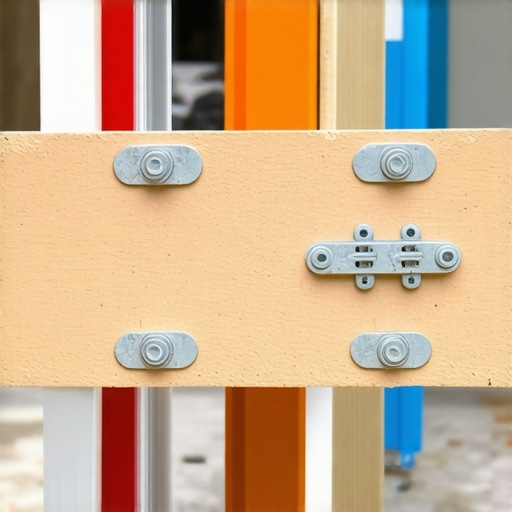
Secure your ledger with corrosion-resistant, structural screws or ledger board anchors—don’t just rely on regular nails. Use lag bolts fitted with stainless steel washers to provide extra grip. When I replaced my old nails with heavy-duty lag screws, the difference in stability was immediately noticeable. For guidance, refer to this guide on deck framing fixes to ensure your fasteners meet 2026 standards. Remember, the key is to prevent movement that could lead to wobbling or detachment over time.
Install or Improve Flashing for Water Management
Proper flashing directs water away from your ledger, preventing rot and corrosion. Use a continuous strip of high-quality, waterproof flashing tape or metal flashing under the ledger and extend it onto the house’s wall sheathing. Overlap sections by at least 2 inches and seal edges meticulously. I once applied flashing incorrectly, which allowed water to seep behind the ledger. A quick fix was removing and reapplying it carefully, resulting in a dry, rot-free connection. For detailed steps, see this article about essential water management techniques.
Create a Stable, Solid Base
Ensure the ledger is flush against the house with no gaps. Shim or adjust if necessary before fastening. For decks on uneven ground or with shifting soil, add concrete piers or adjustable post anchors to stabilize the foundation. I struggled initially when my deck sank slightly on one side; installing adjustable support brackets stabilized everything and met inspection standards. Double-check that the ledger is level using a spirit level before fixing permanently. Success here means improved safety and longevity.
Seal and Protect Against Future Damage
Apply a water-resistant sealant or stain suitable for outdoor wood to the ledger board’s exposed surfaces. This discourages moisture infiltration and guards against UV damage. Consistent sealing every 2-3 years keeps the wood in prime condition. I botched this early on, neglecting regular sealing, which led to splintering and rot. Now, I treat and seal yearly, and my deck remains solid and safe past inspection deadlines. Remember, proactive maintenance extends your deck’s lifespan significantly.
Document Your Fixes for Inspections
Keep detailed records of the work done—including photos, receipts, and notes. When the 2026 inspection rolls around, having clear documentation of your upgrades from initial assessment through repairs demonstrates diligence and compliance. I compiled a simple folder with before-and-after photos, which streamlined my inspection process. For extra reassurance, consult our contact page for expert advice on documentation or further refinements.
Most homeowners assume that choosing popular materials or following basic DIY guides guarantees a successful outdoor upgrade, but in my experience, there’s more beneath the surface. A common misconception is that all composite decking is created equal; many believe budget brands are just as durable, yet studies show that lower-quality composites often resist fading but succumb to heat warping or mold faster, as detailed in industry research published in the Journal of Outdoor Materials. Similarly, many overlook the importance of precise railing system installation, thinking a quick assembly suffices, but hidden weak points can lead to failures under stress or high winds. Advanced builders know that strengthening these connections with specialized fasteners is essential, especially when preparing for 2026 safety standards. One trap to avoid is assuming that standard framing techniques work universally—sophisticated environments demand custom bracing and anchoring strategies, like those outlined in our comprehensive guide to deck anchoring practices.
How do expert-built pergolas withstand next-generation weather challenges without costly upgrades?
The answer lies in meticulous planning and understanding the nuanced behaviors of materials. For instance, selecting pergola beams with proper thermal expansion properties prevents twisting and sagging, a trick learned from hands-on experience and supported by recent research on material science. Don’t let common myths about easy DIY fixes lull you into complacency—advanced techniques involve precise calculations and proactive reinforcements, such as specialized anchors to withstand 2026 storm standards. For inspiration on stylish yet resilient pergola designs, explore the article on transforming your garden into a sanctuary. Remember, clear understanding of these nuances can make all the difference in ensuring your adjacent deck, railing, or composite surface not only looks great but also meets the toughest safety requirements. Have you ever fallen into this trap? Let me know in the comments.Keeping your outdoor structures in top shape requires the right arsenal of tools and a clear strategy. I personally rely on a combination of specialized equipment and software to ensure each project is precise and durable. For instance, I always use a digital moisture meter to monitor wood conditions, particularly in areas prone to water exposure. This device helps me decide when to apply sealants or perform repairs, extending the lifespan of my deck boards and pergola beams. Additionally, I swear by a cordless impact driver with a set of corrosion-resistant fasteners—these make a significant difference in achieving tight, long-lasting connections that meet the upcoming 2026 standards. It’s tempting to cut corners with cheaper tools, but investing in quality equipment saves time and money in the long run.
For measuring and leveling, I prefer a laser distance meter and a digital level. These tools guarantee that everything maintains proper alignment over time—crucial for safety and aesthetics. When it comes to software, I recommend using 3D modeling programs to plan your layout and simulate environmental stresses, helping you anticipate long-term issues. As technology advances, I predict that integrating IoT sensors into outdoor structures will become standard, providing real-time data on moisture, wind, and structural integrity.
How do I maintain my deck and pergola over time?
Regular routine checks are vital. Inspect fasteners, joints, and flashing every season, especially after storms. Clean surfaces with gentle cleaners tested for composite durability, avoiding abrasive tools that can scratch or weaken materials. Seal or stain wood components every 2-3 years to prevent water damage and UV degradation, which is particularly important for composite decking that can warp under heat if not properly maintained. Using high-quality, heat-resistant decking brands can mitigate some long-term risks associated with thermal expansion, as detailed in recent trends focusing on summer performance in 2026.
For a deeper look into durable solutions, explore the latest composite decking trends. I highly suggest trying out a laser level combined with a moisture meter to ensure your structures stay aligned and dry over the years. These tools empower you to catch minor issues early before they escalate, saving you money and stress. Plus, embracing new tech like IoT sensors will soon become essential for proactive maintenance, providing peace of mind knowing your outdoor living space is safe and sound. Keeping your deck and pergola working well over the long term is not only about fixing problems but actively preventing them—start with these tips today!Throughout my journey building outdoor spaces, I’ve uncovered some less obvious lessons that truly shaped my understanding of durable, safe, and beautiful designs. One eye-opening experience was realizing that even small overlooked details, like the positioning of drainage outlets, could lead to long-term rot if neglected. It taught me that paying attention to minute design elements is key to preventing costly repairs. Additionally, I learned that using weather-resistant fasteners isn’t just about initial stability; it’s about future-proofing your project against increasing climate challenges. Another revelation was how the choice of lightweight, UV-resistant stain dramatically extended the lifespan of my wooden components, a tip that isn’t often shared in standard guides. Lastly, understanding the importance of modular components in pergola design allowed me to make adjustments for storms, something I wish I had appreciated earlier—flexibility saves time and money.