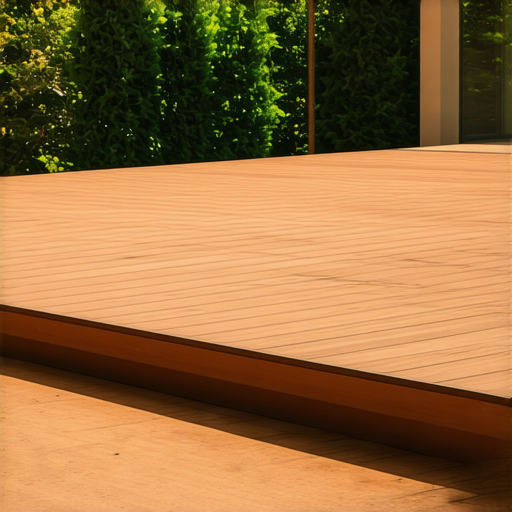

I remember the moment vividly—standing in my cramped backyard, trying to squeeze in a handful of chairs, a small grill, and still have a space to roam. It hit me then, how frustrating it was to enjoy my outdoor living area without feeling confined. Like many, I dreamt of a sprawling deck that felt more like an extension of my home than a tight squeeze. But real-world constraints, budget limits, and design mistakes often kept that dream just out of reach.
That was until I stumbled upon some game-changing deck layout hacks that transformed my tiny backyard into a spacious paradise—without knocking down any fences or breaking the bank. And what’s even better? These tricks hold up for 2026, considering evolving trends like composite decking and advanced railing systems.
Today, I want to share these insights with you so you don’t have to face the same frustrations I did. Whether you’re planning your first deck or looking to maximize an existing space, understanding these layout hacks can double your square footage effortlessly.
Discover Why Smart Layouts Matter More Than Ever in 2026
Start by sketching a scaled plan of your backyard, marking existing features and potential pathways. Use deck framing techniques like perimeter beams to define zones; think of it as creating walls in a room, which helps optimize space and organize your outdoor furniture efficiently. When laying out composite decking boards, stagger joints—much like laying bricks—to enhance stability and aesthetic appeal; I once faced uneven gaps and learned that aligning boards properly is key to a sleek look. Incorporate multiple levels with inset steps, which function as visual breaks and make the area feel larger; I added a small step between zones, instantly creating separation without losing openness. Use water pooling fixes by adjusting the deck slope slightly—a subtle trick that prevents puddles and extends the deck’s lifespan. To hide support posts, install decorative screens or planters, turning structural elements into design features; I used tall planters to mask unsightly posts, which added greenery and visual interest. Integrate a versatile pergola with integrated shading or lighting, using pergola design ideas that complement your space. When installing the railing system, choose materials like aluminum or glass to maximize openness; I replaced old metal rails with glass panels, which opened up the view and made the space feel bigger. To finish, place furniture and accessories systematically—think of it as arranging furniture in a small apartment: prioritize functional pieces that don’t overwhelm the area. Remember, every element should serve multiple purposes: a foldable table, for example, provides dining space without cluttering. These techniques transformed my yard from cramped to inviting, demonstrating how thoughtful layout choices can dramatically enlarge a tiny outdoor space. For more insights into custom features, check out custom railing systems to strike the perfect balance between style and safety.Many homeowners assume that choosing stylish elements like composite decking or sleek railing systems automatically guarantees a perfect backyard retreat, but let’s dig deeper into what often goes unnoticed. A frequent myth is that all composite decks are created equal; in reality, many fall prey to premium-looking surfaces that warp, fade, or develop mold if not installed with attention to detail. Advanced mistakes include neglecting proper expansion gaps, which can cause boards to warp or buckle under temperature swings, especially with newer heat-absorbing formulations. Knowing the subtle tricks to prevent expansion issues—such as following guidelines in fastener fixes for 2026—can save you costly repairs down the line.
When it comes to railing systems, many focus solely on aesthetics but overlook structural nuances critical for safety. For instance, choosing glass railings for their openness might seem ideal, yet ignoring proper tensioning and anchoring can lead to rattling or even failure during storms. An expert approach involves integrating storm-resistant hardware and regular safety checks, especially in high-wind zones.
Perbuzzza’s visual appeal versus durability debate is common among enthusiasts. A key misconception is that pergolas are purely decorative; in fact, an improperly anchored pergola can sway dangerously or collapse, especially in areas prone to high winds. Advanced homeowners mitigate this risk by employing specialized anchoring techniques, ensuring long-term stability.
Ever wondered how to balance form and function? A well-designed deck with inset lighting and multiple levels enhances space perception and usability, but only if the foundational elements are correctly optimized. Hidden errors like overlooking proper load calculations or using incompatible materials can lead to unsafe or unsightly outcomes. Consulting expert resources such as innovative design ideas helps prevent these pitfalls.
In conclusion, mastering these nuanced aspects ensures your outdoor project is both beautiful and resilient. Remember, the devil is in the details—so always verify installation practices and stay informed about evolving trends. Have you ever fallen into this trap? Let me know in the comments.Maintaining your deck’s beauty and safety over time requires the right tools and a strategic approach. I personally rely on high-quality power tools like the DeWalt DWE575 for framing and cutting composite decking boards; its precision and durability help me make clean cuts that reduce waste and ensure a professional finish. For sealing and cleaner application, I prefer the Wagner Flexio 5000 paint sprayer, which allows me to evenly apply protective coatings on rails and pergolas, safeguarding against weathering. When it comes to inspection, a moisture meter like the Tramex MT5 helps detect hidden issues beneath the surface, preventing costly repairs later on.
On the software side, I use SketchUp for planning modifications and visualizing layouts before making any physical changes. This prevents miscalculations, especially when adding multi-level sections or integrating custom features such as pergolas, which can be explored further for inspiration in pergola design ideas.
Long-term results hinge on regular maintenance routines. I recommend setting a biannual schedule for cleaning and inspecting components. For cleaning composite decking, a mixture of warm water, a mild detergent, and a soft-bristle brush works wonders—avoid power washing at high settings, which can damage the surface. For coating, reapply sealants every 2-3 years, especially in climates with frequent rainfall or intense sun, to maintain the deck’s integrity.
Looking ahead, developments like automated moisture sensors and weather-resistant materials promise even greater durability. Some experts suggest that integrating smart sensors that alert you when moisture levels are high can prevent mold and rot before visible signs appear. According to research from the National Science Foundation, the future of outdoor wood protection will likely embrace IoT devices that monitor environmental factors continuously, enabling proactive maintenance.
For those eager to stay ahead, trying a tip like applying a penetrating sealant using a quality sprayer can instantly improve your deck’s resistance to water infiltration. Remember, investing in the right tools today makes maintenance more manageable and extends the life of your outdoor haven. If you’re planning a pergola, be sure to check out custom railing systems to enhance both safety and style in your long-term outdoor plans.
The Hardest Lesson I Learned About deck design, composite decking, railing systems, pergola
Early in my DIY journey, I believed bigger was always better—until I realized that thoughtful layout and clever visual tricks could dramatically expand a small backyard. The biggest lesson? Prioritize space organization over sheer size; staggered composite decking and inset steps became my best friends, allowing small zones to feel expansive and inviting. I also learned that masking support posts with planters or decorative screens transforms structural necessities into focal points, rather than obtrusions.
Where to Go from Here
To truly elevate your yard, explore resources like custom railing systems to combine beauty with safety, and check out pergola design ideas that blend functionality with style. Tools such as SketchUp help visualize your new layout, ensuring every inch counts and avoiding costly mistakes. Invest in quality maintenance tools—a soft-bristle brush and high-performance sealant—to keep your deck pristine across seasons. These strategies aren’t just about aesthetics; they’re about creating a durable, personalized outdoor sanctuary that serves your lifestyle.
Your Turn to Try
Don’t let limited space hold back your outdoor dreams. With intentional design and the right insights, even the smallest yard can feel like a sprawling retreat. Start planning today—your perfect backyard awaits.
Have you ever struggled with making your outdoor space feel bigger? Share your experiences below—I’m eager to hear your story!