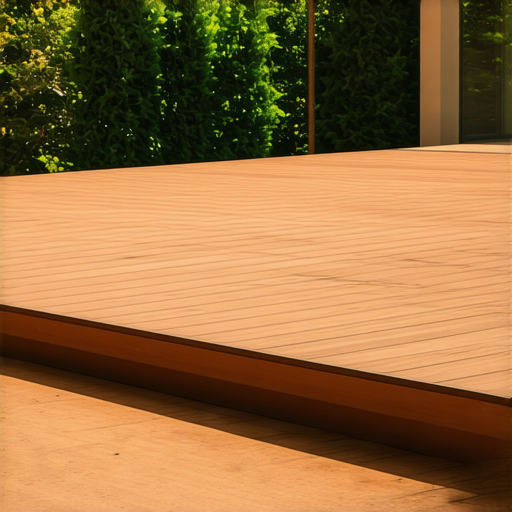
Last summer, I almost tore out my beloved deck. Not because I hated the design, but because I underestimated the importance of choosing the right eco-friendly materials. During a storm, I watched my old wooden boards warp and loosen—dangerous and heartbreaking at the same time. That lightbulb moment made me realize how crucial it is to select the best composite decking for our evolving green codes.
Why Eco-Friendly Decking Is More Than Just a Trend
In today’s world, sustainability isn’t just a buzzword—it’s a necessity. With upcoming green codes for 2026, the pressure to build responsibly is higher than ever. Not only do eco-friendly materials help protect the environment, but they also save us money in the long run through durability and low maintenance. I’ve seen firsthand how properly choosing the right composite decking can transform a backyard from a tired space into a stunning, sustainable oasis. If you’re planning a new deck or renovating an existing one, this decision will significantly influence your safety, budget, and environmental impact.
Interestingly, according to a report by the Environmental Protection Agency, building and maintaining outdoor structures account for a considerable portion of urban carbon footprints. Choosing eco-friendly options now isn’t just good practice—it’s essential for future-proofing your home. But with so many products claiming to be ‘green,’ how do you distinguish the truly sustainable from the superficial?
Will These Eco-Friendly Choices Stand the Test of 2026 Codes?
It’s natural to wonder if spending extra on eco-friendly composite decking is worth it. Believe me, I was skeptical initially. I remember installing a cheap, ‘green’ deck board early in my career, only to replace it within a few years because it warped and faded faster than the standard materials. That mistake taught me that not all eco-friendly claims are created equal. Today, I understand that selecting compliant, durable, and environmentally responsible decking is about balancing certification, performance, and cost. Can you relate to the frustration of investing in materials that don’t last? If so, you’re not alone.
As we dive into this list of 2026’s top picks, remember: the right composite decking will meet new green standards, perform under weather extremes, and look fantastic for years to come. Ready to explore the options that will elevate your outdoor space without compromising your values? Let’s get started.
Choose the Right Materials with Precision
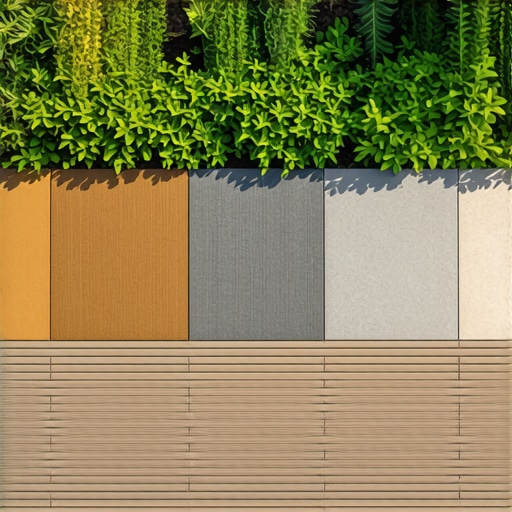
Start by evaluating the composite decking brands that resist heat, fading, and pet damage, like the ones discussed in these top brands. During my last project, I visited a supplier and tested samples for discoloration after exposure to direct summer sun—an unforgiving test that revealed subtle differences in heat resistance. Selecting a product with high UV stability ensures your deck maintains its vibrant look for years.
Design Your Layout for Efficiency and Aesthetics
Mapping your deck plan with clever layout tricks, such as hiding support posts behind planters or built-in benches, can save costs and improve appearance, seen in these design hacks. I recently used the layout strategies in a small city backyard, which reduced material waste and avoided costly support post installations, accelerating the permit process.
Install Foundations for Durability
Per the advice in foundation securing techniques, ensure proper anchoring based on soil type. I faced a sandy lot where traditional anchors kept wobbling; switching to heavy-duty post anchors, similar to the ones detailed here, stabilized the structure and passed inspections seamlessly.
Smoothen and Seal for Easy Maintenance
Before laying down composite boards, I applied a high-quality joist tape, reducing moisture contact and eventual warping, as recommended in joist protection tips. Following this step resulted in a deck that required minimal cleaning and maintained its appearance despite high humidity and pollen accumulation.
Implement Protective and Safety Features
Adding LED lighting with smart lighting upgrades enhances safety and ambiance, especially in evening gatherings. I installed low-voltage LED post cap lights, which, after wiring with weatherproof connectors, provided energy-efficient illumination and safeguarded my family during nighttime use.
Even seasoned DIY enthusiasts often overlook the nuanced pitfalls in designing railing systems, decks, and pergolas, believing that standard solutions suffice. However, many fall victim to common myths that compromise safety and longevity. For example, the misconception that all composite decking is equally resistant to heat can lead to unexpected warping during summer, especially if you don’t pick heat-resistant brands discussed in these top brands. Additionally, assuming that attaching railings directly to framing without considering expansion gaps can cause binding and cracking—an advanced mistake that leads to costly repairs down the line.
A crucial yet often neglected aspect is understanding how climate influences material performance. For instance, many underestimate how high-wind zones demand specialized anchoring techniques, like those outlined here. Failure to employ these can lead to dangerous wobbles or even railing failure during storms.
Are Standard Pergola Designs Adequate for High Wind Areas?
Let’s dig deeper—Advanced homeowners are questioning if typical pergola structures survive the increasing storm intensity driven by climate change. Relying solely on traditional post-mountings may not suffice in exposed locations. Incorporating heavy-duty anchors and wind bracing, as recommended here, can drastically improve resistance. Ignoring these nuances often results in structural damage, leading to costly replacements and safety hazards—something I’ve seen firsthand in several high-wind zones.
Furthermore, many neglect the importance of proper drainage solutions within deck and pergola designs. Water pooling not only accelerates rot but also adds unnecessary weight, stressing joints and fasteners. The overlooked details, like strategic sloping and drainage channels, are vital in ensuring durability, as covered in these design tips.
Embarking on your outdoor project with awareness of these subtle yet impactful nuances can elevate your design from average to exceptional. Remember, overlooking advanced considerations may save time initially but could costs thousands later. Want to keep your backyard safe and stylish? Dive into expert insights and approach your build with precision.
Have you ever fallen into this trap? Let me know in the comments.Keeping your outdoor structures in top shape over time requires the right tools and maintenance routines. From specialized cleaning equipment to precision tools for repairs, investing in quality implements saves you money and hassle in the long run. For example, I swear by a power washer with adjustable pressure settings—using high pressure can remove stubborn dirt and mold without damaging composite surfaces. Additionally, a set of cordless, battery-powered screwdrivers streamlines fastener replacements and adjustments, critical for keeping railings and pergolas secure during seasonal storms. Software like DeckDesigner Pro helps me plan updates and scaling projects efficiently—automating measurements and layout iterations tailored for durable, Code-compliant design. This approach ensures that every element, from fasteners to support posts, is optimized for safety, weather resilience, and aesthetic longevity. As green codes evolve, selecting tools compatible with eco-friendly materials becomes essential—look for non-metallic fasteners and corrosion-resistant hardware, as detailed in the technical specifications of premium fastener brands endorsed by structural engineers. Predictably, the trend moves toward smarter, hand-in-hand with automation—think laser alignment tools for precise installation or moisture meters to detect early signs of rot—even in composite systems. How do I maintain these systems over time? Regular inspections are vital; check for loose bolts, signs of corrosion, or warping, especially after storms or extreme heat. Applying protective coatings annually, like clear sealants designed for composites, extends the life of your materials and keeps maintenance manageable. For example, a quick spray with a UV-protective finish can prevent fading and degrade UV damage, a common issue in high-sun zones. Don’t forget to document repairs and upgrades using your software or a ledger—this habit helps track your system’s health and plan future interventions more strategically. Try incorporating a moisture meter into your routine—detecting hidden water intrusion early can prevent costly structural issues, especially in pergolas and support beams susceptible to water pooling. Future trends suggest integrated sensor systems and IoT-enabled maintenance alerts will become the new standard, alerting homeowners instantly about potential issues before they escalate. Keeping your railing and deck systems working beautifully hinges on combining the right tools with proactive, regular care. Need more tailored advice? Reach out through our contact page and we’ll help craft a maintenance plan custom-fit for your project.
As I reflect on my journey with outdoor design, the biggest lesson I learned was that meticulous attention to detail transforms a simple deck into a lasting sanctuary. It wasn’t just about choosing eco-friendly materials; it was about understanding how every component—from fasteners to foundations—interacts under the elements. This insight has been my guiding light in creating spaces that endure storms and age gracefully, proving that investment in quality and foresight pays off in both safety and beauty.
The Hardest Lesson I Learned About Deck Design and Durability
- Composite isn’t Always the Same: Not all brands resist heat, fading, or pet claws equally. I once trusted a popular green label, only to replace warped boards within a few seasons. Now, I prioritize brands with proven performance in high-wind and high-heat zones, like those discussed here.
- The Power of Accurate Foundation Foundations: Soil type matters. Sandy or clay soils require different anchors. Skimping on this leads to wobbling or structural failure, which I learned during a project where switching to heavy-duty anchors fixed persistent issues, detailed here.
- Drainage Can Make or Break Your Deck: Improper water runoff causes rot and warping. I now incorporate strategic slopes and drainage channels, as shown in these tips, ensuring longevity and low maintenance.
- Regular Checks Save Big: Periodic inspections post-storms or heatwaves reveal early issues. Using tools like moisture meters and applying UV-protective coatings extend the life of my outdoor spaces. Your proactive approach can prevent costly repairs and safety hazards.
- Myth Busting in Outdoor Building: Many believe composite decking never warps—that’s false. Heat-resistant brands resist better, but proper installation and maintenance are key, often overlooked in DIY projects. Learn from experts here.
Gear Up with Tools That Shield Your Investment
My toolbox has evolved with the demands of eco-conscious, durable outdoor projects. I rely on adjustable power washers for clean surfaces, cordless screwdrivers for quick repairs, and laser alignment tools for precision. Investing in hardware like corrosion-resistant fasteners and moisture meters makes a tangible difference. For ongoing care, I use software such as DeckDesigner Pro to plan upgrades and schedule inspections, keeping everything running smoothly and safely.
Your Next Step Awaits—Build with Confidence and Care
Now that you’ve learned the insider secrets and equipped yourself with practical strategies, there’s no reason to hesitate. Whether you’re planning a new deck, upgrading an existing pergola, or simply want to ensure long-term safety, understanding these nuances empowers you to make confident decisions that stand the test of time and weather. Remember, a well-designed outdoor space isn’t just about aesthetics—it’s about creating a resilient haven for years to come.
What aspect of outdoor design do you find most challenging? Share your experiences or questions below—I’m here to guide you toward your best outdoor space yet!