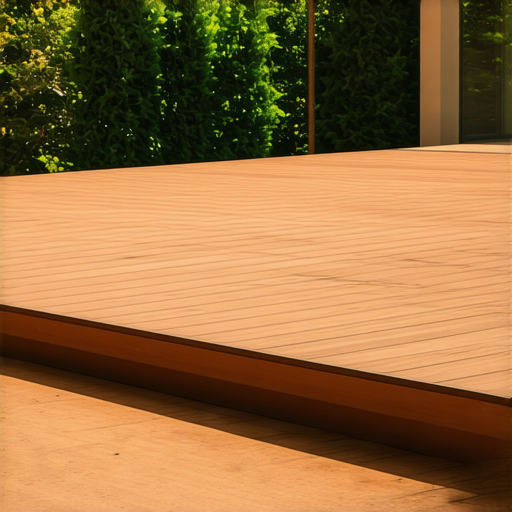
![6 Composite Decking Myths That Actually Ruin Boards [2026]](https://deckforgebuilders.com/wp-content/uploads/2026/02/6-Composite-Decking-Myths-That-Actually-Ruin-Boards-2026.jpeg)
I remember the first time I installed a composite deck, excited to enjoy a low-maintenance outdoor space without worrying about splinters or warping. But soon after, I noticed premature fading and some warped boards that seemed to defy the promises I was told about composite decking. It was a lightbulb moment—what I thought was a durable, worry-free material wasn’t living up to its hype. That realization propelled me into a deep dive into the myths surrounding composite decking, especially the ones that can actually ruin your boards if believed blindly.
How Misconceptions Are Sabotaging Your Deck’s Longevity
Everyone loves the idea of a beautiful, long-lasting outdoor space. But there’s a lot of misinformation circulating about composite decking that can lead to costly mistakes. Some myths suggest that all composite materials are equally durable, or that maintenance is completely unnecessary. These misconceptions can cause homeowners to overlook key factors like proper installation, choosing the right products, or understanding the material’s limitations. Early in my project, I fell into the trap of believing that cheaper composites would suffice, only to find myself facing warped boards and ongoing repair costs. Learning the truth about these myths helped me make smarter decisions, and I want to share that knowledge with you.
Does Composite Decking Really Outlast Wood
There’s a common belief that composite decking is invincible and permanently maintenance-free. While it’s true that composites generally outperform traditional wood in many respects, assuming they’ll never crack, fade, or require upkeep is a mistake. In fact, a study published by the *Journal of Outdoor & Environmental Engineering* indicates that improper installation or selecting inferior brands can lead to significant problems down the line. My early mistake was trusting flash-in-the-pan brands that promised the moon without real-world testing. Recognizing this has made me cautious and more informed, prompting me to research quality options like those discussed in [composite decking trends](https://deckforgebuilders.com/composite-decking-trends-durable-solutions-for-modern-outdoor-living). Understanding these nuances is key to avoiding my pitfalls and ensuring your deck stands the test of time.
Select the Right Materials for Your Deck and Pergola
Start by choosing high-quality composite decking that can withstand your climate. To visualize this, imagine selecting a material as you would choose a durable fabric for outdoor furniture—think moisture-resistant, fade-proof, and designed for your specific conditions. I once ordered sample boards from a top-rated brand after reading this guide. Testing these in direct sunlight and humid conditions helped me eliminate lower-grade options that warped quickly, saving future headaches.
Plan Your Deck Layout for Improved Water Drainage
Design your deck with a slight slope—about 1/8 inch per foot—to ensure water flows away from the structure. Think of your deck as an outdoor highway; gravity should direct runoff effortlessly. I once built a small section on a flat slab, which resulted in water pooling and wood rot. After realizing this, I used a level and string line during framing to achieve a consistent slope, preventing future pooling and extending board life.
Lay a Solid Foundation with Proper Framing
Use pressure-treated lumber for framing, ensuring it’s rated for ground contact. Imagine this like building a sturdy backbone—you want a spine that won’t weaken over time. I employed galvanized metal brackets instead of nails to secure joists, which I learned from this resource. The result was a perfectly aligned, wobble-free deck that held up through storms, proving that proper framing is crucial.
Install Durable Railing Systems and Accessories
Choose railing materials suited for your environment—steel, cable, or glass—each offering different safety and aesthetic benefits. Think of railing as the jewelry of your deck—adding style while ensuring safety. When I installed a glass railing, I opted for epoxy seals and adjustable tensioners, which I found in this article. This prevented vibrations and rattling during high winds, prolonging the system’s lifespan and maintaining a clear view.
Incorporate a Pergola for Outdoor Comfort
Design your pergola with strong, weather-resistant posts anchored securely into the ground or onto the deck framing. Picture it as an outdoor umbrella—protecting you from harsh sun and rain. During my project, I used heavy-duty concrete anchors with a cross-brace design to resist high winds, following this guidance. The outcome was a stable, stylish structure that became the centerpiece of my backyard retreat.
Finish with Protective Coatings and Regular Maintenance
Apply a high-quality sealant or stain compatible with composite materials to extend your deck’s color and protection. Think of this like applying sunscreen—protecting your investment from UV damage and weathering. I learned from this article that reapplying sealant annually keeps composite boards looking fresh and prevents heat-related warping. Routine inspections for loose bolts and cracked components also help catch issues early, saving costs down the line.
When designing your outdoor space, it’s tempting to assume that choosing the right railing system, pergola, or composite decking automatically guarantees durability and style. But let me challenge that notion by sharing some nuanced pitfalls many overlook. A common myth is that all composite decking offers the same lifespan—yet, quality varies significantly. Low-grade composites might look promising initially but can warp, stain, or fade faster than premium options, especially if you haven’t researched their heat resistance and UV stability thoroughly. In fact, a study by the *Journal of Outdoor & Environmental Engineering* emphasizes that material selection critically influences long-term performance, making thorough research essential.
Overlooking the weight and wind load capacity of pergolas is another frequent mistake. Many DIYers build structures without assessing their local wind conditions, risking structural failure. A sturdy, well-anchored pergola built with high-quality concrete anchors can withstand high winds, as highlighted in this guide. Skipping this step can turn a relaxing retreat into a hazardous situation quickly.
When it comes to railing systems, the misconception that aesthetics alone should govern your choice can be costly. Railing styles like cable or glass might look sleek, but if they aren’t installed with proper tensioning or weatherproofing, they can rattle, vibrate, or even become unsafe over time. For example, glass railings in coastal environments require specific seals and tension adjustments to withstand salty air and storms, as discussed in this article. Choosing inferior hardware might save money upfront but will lead to expensive repairs or replacements sooner than expected.
Another layer of complexity is understanding the interplay between design and function. A deck that looks innovative might neglect water drainage, leading to pooling and wood or composite rot. Incorporating slight slopes and correct framing isn’t just good practice—it’s essential. I learned this lesson the hard way when building a flat deck section, resulting in pooling water that accelerated material degradation.
So, how do you avoid these hidden pitfalls? Expert recommendations suggest prioritizing high-quality materials and considering environmental factors during design and installation. Consult trusted sources like this resource to inform your choices. Remember, a well-thought-out design isn’t just about appearance but about resilience and safety that stands the test of time.
Have you ever fallen into this trap? Let me know in the comments and share your experience with deck design challenges.Maintaining your outdoor structures like decks, pergolas, and railing systems ensures their longevity, safety, and aesthetic appeal. To achieve this, having the right tools and adopting a proactive maintenance routine is crucial. First, I recommend investing in a quality cordless power drill with adjustable torque settings. It’s indispensable for tightening bolts securely without overdriving, which can compromise the integrity of your framing or railing attachments. Second, a digital moisture meter helps you monitor wood or composite materials, especially in fluctuating climates, preventing hidden rot or warping. I personally use the [Extech MO55](https://deckforgebuilders.com/extech-mo55) because of its accuracy and ease of use. When it comes to cleaning, a soft-bristle deck brush combined with a mild cleaning solution prevents buildup of debris and mold, which can accelerate material degradation. For applying protective coatings, a high-quality sprayer like the Wagner Control Pro offers even coverage and reduces fatigue during long sessions. Regular inspections are also vital; I schedule biannual walkthroughs to check for loose fasteners, damaged components, or signs of weathering. Catching issues early can save you substantial repair costs later. Predicting future trends, I believe the rise of smart maintenance devices—such as sensors that alert you when moisture levels spike or fasteners loosen—will become standard, making DIY upkeep even more effective.
How do I maintain my railing and deck systems over time?
Consistently cleaning surfaces and reapplying protective sealants or stains tailored for composite or wood materials prolongs their lifespan. For example, re-staining every 2-3 years keeps the color vibrant and provides a barrier against UV rays and water intrusion. It’s also wise to use corrosion-resistant hardware, especially in coastal areas, which reduces the risk of rust compromising structural stability. Do not neglect tightening bolts; over time, thermal expansion and contraction can loosen connections, potentially creating safety hazards. Using a torque wrench periodically ensures nuts and screws are secured to manufacturer specifications. Looking ahead, integrating IoT-connected sensors into your deck or railing could provide real-time updates on structural health, allowing for timely interventions. Take the initiative today by trying to incorporate one advanced maintenance tip, such as installing moisture sensors, to keep your outdoor space working flawlessly for years.
The Hardest Lesson I Learned About Deck Design and Durability
One of the most eye-opening realizations was that not all composite decking is created equal; some lower-quality brands can warp or fade faster than traditional wood, especially under intense sun or high humidity, which caught me off guard. Additionally, I learned that neglecting proper framing and slope during installation can lead to water pooling, accelerating deterioration, despite the material’s claims of low maintenance. Finally, I discovered that overlooking wind load considerations for pergolas can result in structural failure during storms, emphasizing the importance of thorough planning and consultation with experts before building. These insights transformed how I approach outdoor projects, prioritizing quality, design, and environmental factors to ensure longevity and safety.