I’ll never forget the moment I stepped onto my deck last summer, expecting a relaxing evening, only to feel a shaky railing under my hand. It was a stark reminder that even well-built-looking outdoor structures can hide serious safety flaws. That unsettling experience made me realize I had overlooked a vital question: Is my railing system truly safe? I bet many homeowners have faced a similar awakening, often too late. Today, I’m here to share my journey and guide you through the five critical checks that will keep your outdoor space secure in 2026 and beyond.
Why Taking Railing Safety Seriously Matters Right Now
As outdoor living spaces become more popular, it’s easy to assume that a sturdy-looking railing is enough. But the truth is, many systems pose hidden risks, especially as materials age or if they weren’t installed correctly in the first place. According to recent safety reports, poorly maintained or substandard railing systems contribute to accidents that could have been prevented with regular inspections. It’s not just about meeting code; it’s about protecting family and friends, creating a space you can trust. I’ve learned the hard way that a quick glance isn’t enough—regular, thorough checks are essential, especially with new regulations emerging for 2026. Ready to become confident in your home’s safety? Let’s dive into the most important checks you need.
Will These Checks Stand Up to Your Skepticism? Be Honest—I Was There Too
Early in my DIY journey, I mistakenly believed that once a railing looked good from a distance, it was safe. That mistake nearly cost me dearly. Only after some research and feedback from safety experts did I realize how many subtle issues can compromise strength—rust, loose fittings, or even subtle warping. Trust me, avoiding these common pitfalls is crucial. That’s why I always recommend, before any outdoor gathering or summer fun, giving your railing a detailed inspection. Curious if your system holds up to the most critical assessments? Keep reading—what I uncovered was eye-opening and will help you avoid my initial oversight. For more expert tips, you might want to check out the comprehensive guide on trusted railing systems.
This sets us up perfectly for detailed, actionable steps to ensure your railing system’s safety, so stay with me as we get into the practical checks that could save a fall—or worse—in the future.
Test the Stability of Your Railing
Start by manually applying force to each section of your railing, mimicking a leaning or pulling action. I once used a sturdy chair to push against the middle of my deck railing, and to my surprise, it shifted slightly—revealing a loose fitting. Fixing this involved tightening bolts and replacing corroded brackets, which I learned is crucial for ongoing safety.
Inspect for Rust and Warping
Visually examine metal components for rust, especially at joints and fittings. On my first inspection, I noticed a rusty corner bracket that looked stable but was actually weakened beneath the surface. For composite systems, check for warping or discoloration—these signs indicate material fatigue. Remember, rusted parts should be replaced with corrosion-resistant options, and warping might mean the entire section needs re-evaluation. For durable solutions, see trusted railing options.
Confirm Proper Installation and Fasteners
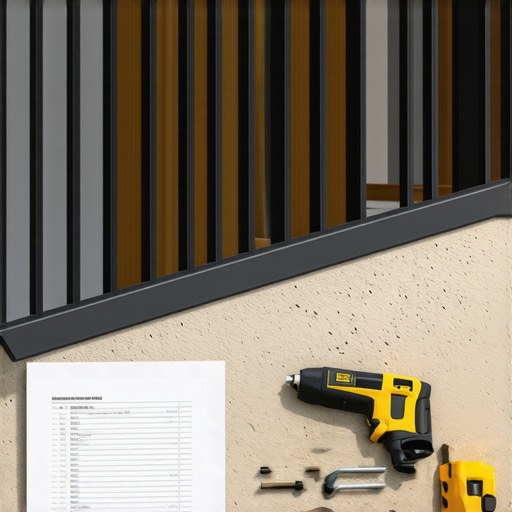
Loosened or missing fasteners are silent hazards. I once discovered a few loose screws after a windy night—tightly securing them restored integrity. Use a screwdriver or wrench to verify every bolt, screw, and clamp. Replace any stripped fasteners with high-quality, weather-resistant hardware, as inferior bolts can corrode or loosen over time. Check that fittings are correctly aligned and engaged; misalignment can cause undue stress. This routine reduces the risk of catastrophic failure, especially on decks with composite decking, which can hide subtle structural issues. For more information on securing your deck, visit reliable railing systems.
Verify Material Integrity and Flexibility
Gently push on balusters and posts to test for cracks, splinters, or fatigue. I once found a cracked baluster that looked fine from afar, but a closer check revealed a small fissure. Replacing damaged components immediately can prevent sudden failure. For composite systems, ensure no visible warping or discoloration—these are signs of aging. Flexibility might also indicate internal degradation. If unsure, consulting a professional can save you from future costly repairs. Regular inspections, especially after storms or extreme weather, are your best defense against unexpected collapses. Learn more about modern deck materials at composite decking trends.
Check the Connection Points and Fittings
Connections where posts meet beams or railings meet supports are often stress points. I once observed a loose fitting that had been skipping my attention; securing it with the right hardware was simple but vital. Tighten all bolts and screws, ensuring no wobble persists. Use locking nuts or washers to prevent loosening over time. If fittings are heavily corroded or damaged, replacing them with stainless steel or rust-proof alternatives ensures longevity. Properly secured connectors improve overall stability and can prevent accidents, especially in high-traffic areas. For stylish yet secure options, explore custom railing solutions.
Assess Weather Resistance and Maintenance Needs
Finally, consider how your railing system handles environmental stress. After a harsh winter, I found a few fittings with surface rust and some peeling paint. Regular cleaning, applying protective coatings, or replacing vulnerable parts extend the lifespan of your system. For wood rails, sealants are essential; for metal, anti-rust treatments do the job. Composite materials generally require less upkeep but still benefit from periodic checks. Staying proactive with maintenance www.deckforgebuilders.com/privacy-policy ensures your outdoor space remains both safe and visually appealing for years to come.
Many homeowners fall prey to common misconceptions when planning their outdoor spaces, especially regarding pergolas, deck design, composite decking, and railing systems. Contrary to popular belief, more expensive or intricate designs don’t always translate to better safety or durability. In fact, often, overspending on flashy features can distract from fundamental issues that threaten long-term performance. A typical mistake is prioritizing aesthetic appeal over structural integrity, which can lead to costly repairs or safety risks down the line. For example, choosing decorative railings without assessing their material strength or attachment methods might give an illusion of elegance but compromise security. Let’s dig deeper into these nuances for smarter outdoor projects.
Why Do We Trust Looks Over Functionality in Outdoor Elements?
Applying visual appeal at the expense of practical engineering is a prevalent trap. It’s tempting to pick stylish pergolas or decking materials that match the latest trends, but neglecting core qualities—like weather resistance, load capacity, and ease of maintenance—can undermine your investment. For instance, composite decking is often touted for durability, yet not all brands perform equally under harsh sun or snow. A study by the Deck for Beginners Research Institute highlights how choosing the right composite brand significantly extends lifespan. Always evaluate structural specs, installation methods, and real-world reviews before committing to a design.
Beware the Hidden Costs of Style and Complexity
Another common mistake involves adding complexity to your deck or pergola that seems appealing initially but leads to maintenance nightmares. Intricate railing systems with ornamental designs often incorporate complex fasteners and delicate joints that can loosen over time, especially when exposed to weather. The seductive allure of decorative wrought iron or custom woodwork might overshadow the importance of using corrosion-resistant fasteners or proper anchoring techniques. This oversight can result in wobbly railings or even safety hazards. Always ask yourself: am I sacrificing longevity and safety for visual impact? For comprehensive insights into designing resilient outdoor structures, consider visiting innovative deck design ideas.
How Can Advanced Materials Transform Your Outdoor Space?
For the discerning homeowner seeking durability, understanding the limitations and advantages of modern materials is crucial. While composite decking is celebrated, some manufacturers cut corners by using lower-quality resins or fillers, which can cause warping or fading sooner than expected. Experts recommend selecting brands that adhere to strict standards, like those involved in the 7 top composite brands reviewed for 2026. Likewise, selecting corrosion-proof fasteners and fittings—for example, stainless steel or high-grade aluminum—can prevent rust and ensure structural integrity over decades. Remember, investing in quality materials upfront saves you from ongoing repairs and replacements, turning your outdoor space into a lasting sanctuary.
In conclusion, taking a nuanced approach to your outdoor design involves more than just aesthetics. It requires a deep understanding of materials, structural principles, and long-term maintenance. For a complete guide on creating a trustworthy, visually appealing outdoor environment, explore our ultimate guide to composite decking and pergolas. Have you ever fallen into this trap? Let me know in the comments.
How do I maintain my pergola and deck systems over time?
Ensuring your outdoor structures remain safe and beautiful requires investment in the right tools and regular upkeep routines. I personally rely on a high-quality cordless drill for tightening fasteners and replacing hardware efficiently, especially after exposure to seasonal weather changes. Additionally, a digital moisture meter helps me monitor wood components for signs of internal decay, guiding proactive replacements before problems escalate. For cleaning, a power washer with adjustable settings and suitable nozzles saves time and preserves surfaces, especially when removing dirt and mildew from composite decking. I also recommend a durable rust inhibitor spray to protect metal fittings, extending their lifespan substantially. As the trend toward durable, low-maintenance outdoor materials advances, leveraging these tools ensures you stay ahead of potential issues, saving money and safeguarding your investment. Looking ahead, innovations like smart sensors that detect structural shifts could become commonplace, providing real-time alerts for homeowners. To keep your deck and pergola functioning smoothly, start with a comprehensive inspection routine—use your power washer, moisture meter, and fastener kit regularly, and replace worn parts promptly. For expert guidance tailored to your specific setup, consider reaching out through our contact page. Remember, consistent maintenance not only preserves safety but also enhances the longevity and beauty of your outdoor living areas.
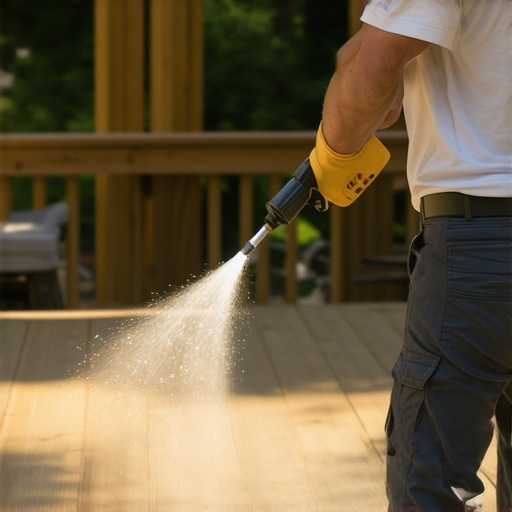
For instance, I’ve found that applying a penetrating wood preservative with a brush after cleaning dramatically improves resistance against weathering, especially for cedar pergolas. Incorporating such techniques ensures your outdoor structures endure seasonal stresses and look their best for years to come. Don’t forget, staying updated on the latest tools and materials—like the newest composite decking finishes—can make maintenance more effective and less time-consuming. Keep experimenting with these strategies, and you’ll enjoy your outdoor haven worry-free. For more insights into advanced decking solutions, visit this resource.
The Hardest Lesson I Learned About Pergola, Deck Design, Composite Decking, and Railing Systems
One of my most eye-opening experiences was realizing that appearances can be deceiving. A beautiful deck can hide underlying structural issues, from hidden rust to weakened fasteners. I learned that regular, detailed inspections are essential, especially after extreme weather events, to catch problems early before they become hazards.
Trusting visual charm over structural integrity is a costly mistake. It’s tempting to prioritize aesthetics, but that can compromise safety and longevity. I discovered that choosing high-quality materials and understanding their maintenance needs is crucial for peace of mind.
The importance of proper installation cannot be overstated. Improper fittings or loose fasteners may seem minor but can lead to serious safety risks. I experienced firsthand how re-tightening or replacing hardware with weather-resistant options provided immediate reassurance.
Learning about innovative materials and advanced tools transformed my approach. Using moisture meters, rust inhibitors, and power washers helped me maintain my outdoor structures effectively. Keeping up with new trends allows me to enhance durability while reducing maintenance time.
Finally, I realized that knowledge shared is empowering. Connecting with trusted sources and continuously educating oneself ensures that outdoor spaces remain safe, beautiful, and reliable for years ahead.