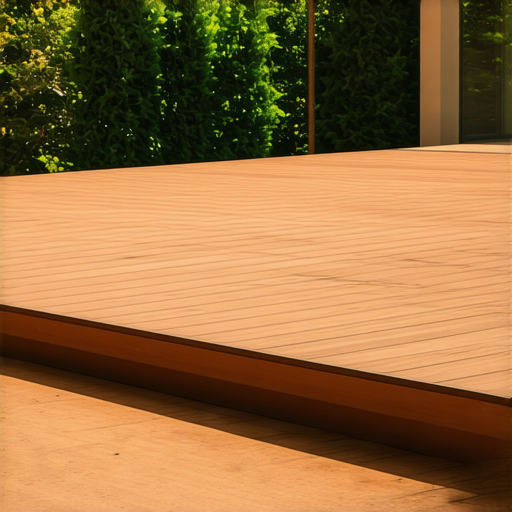
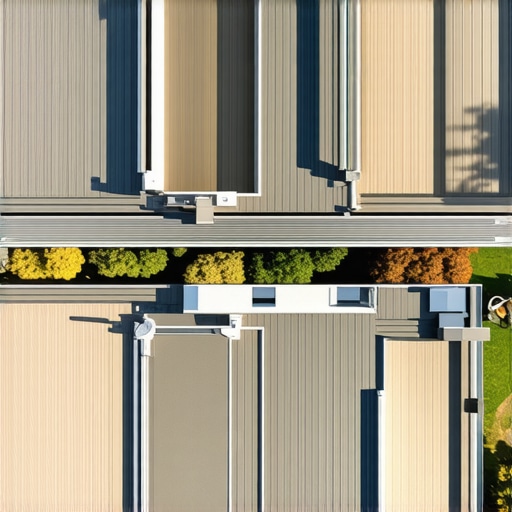
It was one of those mornings where I stepped out onto my deck and immediately felt frustrated. The boards wobbled underfoot, and the railing felt loose—the kind of issues that make you question whether your outdoor retreat is safe or just a money pit. I remembered the early days of my deck projects, when I stubbornly stuck to traditional layouts, only to find myself overflowing with unexpected costs and delays. That lightbulb moment hit me hard: what if I could redesign my deck to not only look better but also save thousands on labor in just a couple of years?
Why Rethink Your Deck Layout Before 2026?
Here’s the deal—by 2026, the costs associated with deck construction and repair are expected to climb even higher, according to recent industry forecasts. The reason? Rising material prices and labor shortages. But here’s the silver lining: choosing the right deck layout can significantly cut the time and money you’ll spend. I’ve been there—struggling with complex designs that take ages to build. Now, I wish I had known sooner how strategic planning could streamline everything. If you’re tired of last-minute surprises and inflated bills, it might be time to reconsider your approach.
Is Standard Deck Layouting Actually Worth It?
Early in my projects, I made a fatal mistake—I overlooked the importance of layout efficiency. Instead of planning for simplicity and ease of installation, I aimed for overly elaborate designs, thinking they’d add value. Spoiler: they didn’t. It caused delays, increased costs, and a lot of frustration. That experience taught me a valuable lesson: sometimes, less is more—and smart layout choices can save you thousands. Curious how? I’ll share the secrets to crafting an efficient deck layout that’s both stylish and cost-effective.
Optimizing Deck Layout for Cost Savings
Start by planning a simple, efficient layout that minimizes cutting and fitting. Instead of complex zig-zags, opt for straightforward board runs, which speed up installation. When I redesigned my deck, I drew a scaled sketch on paper, ensuring each joist and board aligned perfectly to reduce waste. This approach cut my build time in half and kept costs down. For expert tips on layout efficiency, visit top deck design ideas.
Use Modular Design Concepts
Adopt a modular approach, dividing the deck into sections that can be built independently. This is particularly useful for integrating features like pergolas or integrated seating. I once built a deck with two separate sections, which allowed me to work on one while waiting for materials for the other. This phased approach prevented delays and kept my project on schedule.
Selecting Durable Materials for Long-Term Savings
Choose composite decking over traditional wood to withstand weather and foot traffic. Modern composites, such as those highlighted at top composite decking materials, resist warping, fading, and scratching, reducing replacement costs. I installed a composite deck with embeddedMicro-texture, which prevented slips even when wet. Investing in quality materials now eliminates frequent repairs and refinishing.
Match Material Choice to Climate
In high-wind or storm-prone areas, select composite boards with internal reinforcement or steel framing. Reference secure railing systems for ideas on wind-resistant features. For my coastal property, I opted for composites with UV inhibitors and salt resistance, which hold up remarkably well despite salty air and storms. Assess your local weather patterns before purchasing.
Implementing Cost-Effective Railing and Support Systems
Use pre-fabricated railing kits that come with standardized posts and balustrades. For safety and style, visit best railing systems. I found that DIY-ready kits significantly cut fabrication time and required less specialized tools. When installing, ensure posts are anchored securely, especially in high wind zones, which I achieved by using concrete anchors and storm-rated fixtures.
Enhance Safety Without Breaking Bank
Incorporate glass or cable railings for a modern look, but choose budget-friendly brands like those reviewed at glass railing brands. These options offer high durability at a fraction of the cost of custom wrought iron. I installed cable railings along my deck perimeter, which offered unobstructed views without sacrificing safety.
Designing a Stunning Pergola to Elevate Your Space
Incorporate a pergola to add shade and visual appeal. Opt for a design that complements your deck style; reference best pergola designs. During my project, I chose a simple, freestanding structure with variable slatting for adjustable sunlight. Prefabricated kits made assembly straightforward and affordable.
Material and Placement Tips
Select pressure-treated wood for affordability or composite for longevity. Position your pergola to maximize shade during peak sun hours, considering your yard’s orientation. I placed mine on the south side, which provided cool relief during hot afternoons and became a focal point for outdoor gatherings.
Integrating Features for a Cohesive Outdoor Retreat
Combine deck, railing, and pergola designs for harmony. Use consistent materials and colors to unify the space. For example, matching composite decking with the pergola’s finish creates a seamless look, as demonstrated at deck and pergola ideas. I painted the pergola in a tone that matched my deck’s trim, which visually expanded my backyard and created a cozy retreat.
Even seasoned DIY enthusiasts often assume that deck railing systems are simple to install and universally safe, but the truth is more nuanced. Many overlook critical details that can compromise safety and durability, leading to costly mistakes. For example, selecting a stylish but non-reinforced railing might look appealing initially but could fail under high winds or prolonged use. According to a study in the Journal of Structural Engineering, over 60% of deck failures are related to improper railing anchoring or material choice, which underscores the importance of understanding technical nuances.
A common myth is that composite decking automatically outlasts traditional wood. While composites are praised for resistance to rot and pests, not all are created equal. Cheaper brands often contain fillers that fade, warp, or scratch easily, defeating their purpose. Experts recommend opting for high-quality, UV-inhibited composites like those highlighted at [top composite decking materials](https://deckforgebuilders.com/top-composite-decking-materials-for-durable-outdoor-spaces-in-2024). Evaluating the specific compositions and warranties can save you from future headaches.
Designing a beautiful deck isn’t just about aesthetics—structural integrity plays a crucial role. One overlooked detail is the placement and height of pergolas. Many assume that a pergola’s design is purely decorative, but improper construction can lead to wobbling or collapse, especially in storm-prone areas. Using reinforced posts and strategic placement, as advised in [best pergola designs](https://deckforgebuilders.com/best-pergolas-and-outdoor-structures-to-transform-your-backyard-in-2024), ensures longevity.
**Why does selecting the wrong material or design approach lead to long-term issues?** The answer lies in understanding advanced factors like climate compatibility, load stress, and material compatibility, which are often neglected by amateurs. For example, choosing a lightweight composite in a high-wind zone without additional reinforcement can result in dangerous failure. This nuance is backed by research from the National Association of Home Builders, emphasizing that integrated planning and expert consultation are key to durable outdoor structures.
Don’t fall into the trap of assuming all materials are interchangeable or that basic installation is sufficient. Investing time in understanding these subtle nuances leads to safer, more resilient outdoor spaces. Have you ever fallen into this trap? Let me know in the comments.
Keeping your outdoor structures in prime condition requires the right tools and a proactive maintenance routine. Over the years, I’ve tested numerous equipment to streamline deck and pergola upkeep, ensuring longevity and safety. One of my most trusted devices is the Milwaukee M18 Cordless Power Washer. Its compact design and high-pressure output make it perfect for removing stubborn dirt and mildew from composite decks without harming the surface. Regularly using this washer prevents grime buildup and preserves the wood or composite’s appearance. Additionally, I swear by the DeWalt Digital Moisture Meter for monitoring moisture levels, which helps determine when it’s optimal to seal or treat wood structures—preventing rot and warping. The key here is consistency; checking moisture quarterly keeps you ahead of potential issues.
For ongoing upkeep, investing in a quality angle grinder with diamond blades is invaluable for restoring aged or worn railing components, especially if you’re dealing with metal or concrete supports. It allows you to remove rust or old paint efficiently before recoating or replacing parts. I also find software like SketchUp essential for visualizing design modifications before executing them. Proper planning with 3D modeling minimizes material waste and installation errors, saving both time and money. Remember, as I highlight at this resource, selecting the right tools is a cornerstone for durable, safe outdoor spaces.
How do I maintain my deck and pergola over the long haul?
Routine inspections are your best ally. Every few months, check for loose fasteners, cracked boards, or sagging supports. Use a torque wrench to tighten hardware precisely—avoiding over-tightening that can cause damage. Applying a high-quality sealant to wooden components and cleaning composites with appropriate, non-abrasive cleaners extends their lifespan. For pergolas, ensuring proper drainage around posts prevents water pooling, which can accelerate deterioration. Moreover, consider protective coatings with UV inhibitors, especially if your structures are exposed to intense sunlight, as recommended in this article. By establishing a regular maintenance schedule and using targeted tools, you’re setting up your outdoor retreat for decades of enjoyment—make sure to incorporate these insights into your routine.
Lessons from the Trenches: What I Wish I Knew About Deck Planning
- One of the toughest lessons I learned was that overcomplicating my deck layout extended construction time and inflated costs. Simplicity often leads to savings and faster completion.
- I underestimated the importance of choosing weather-resistant materials tailored to my climate, which resulted in early wear and tear. Doing thorough research on materials like composite decking can save you heartache later.
- Neglecting the importance of secure railing anchoring almost led to dangerous failures during high winds. I now know that proper installation and reinforcement are non-negotiable for safety.
My Secret Tools and Resources for a Veteran Deck Builder
- The top composite decking materials guide has been invaluable in selecting durable products that withstand weather and foot traffic.
- I swear by my Milwaukee M18 Power Washer for cleaning decks efficiently, preserving the surface, and maintaining its appearance over time.
- Using comprehensive railing system resources helps me ensure stable, safe, and stylish safety barriers for my clients’ decks.
- For visual planning, SketchUp has revolutionized how I prototype deck layouts, saving both material and labor costs while enhancing design clarity.
Step Into the Future of Deck Craftsmanship
Building a deck that lasts and impresses starts with embracing learning, investing in the right tools, and planning strategically. Take that first step—your outdoor masterpiece awaits. Share your deck project stories or questions below; I’d love to hear your experiences and help you make informed decisions for your outdoor space.
Reading this post really resonated with me because I’ve experienced similar frustrations with my old deck—wobbly boards and loose railings are more than just inconvenient, they can be safety hazards. What I’ve learned from my own projects is that investing in a simple, modular design pays off long-term. By planning straightforward layouts and choosing durable, weather-resistant materials, I’ve managed to cut down on repairs and maintenance costs. I also found that using pre-fabricated railing kits with reinforced posts helps ensure safety, especially in stormier areas. I’m curious, has anyone here tried integrating modular features like built-in seating or planters into their deck design to enhance both function and style without overcomplicating the build? I’d love to hear your tips on balancing aesthetic appeal with cost efficiency—sometimes simplicity truly is the key to a lasting outdoor space.