
I remember the first time I sealed my composite deck’s railing joints and reached for that trusty tube of silicone. It seemed like the perfect fix—easy, quick, and supposedly durable. But within a few months, I was pulling out my hair. Cracks appeared, gaps widened, and I realized that I had fallen for a common DIY mistake that could have cost me a lot more in the long run.
Why Silicone Isn’t Your Deck’s Best Friend
Many homeowners, myself included early on, believe that silicone seals are the ultimate solution for waterproofing and sealing joints. The idea is appealing: a flexible, weather-resistant barrier that keeps out moisture and pests. But practical experience—and plenty of expert advice—show that silicone often does more harm than good when used on composite railing joints. The bond doesn’t last as long as we’d hoped, especially under fluctuating temperatures and exposure to UV rays. The silicone softens, degrades, and ultimately allows water to seep behind, leading to rot and structural issues. According to the Forest Products Laboratory, improper sealing and moisture intrusion are leading causes of deck deterioration (source: www.fpl.fs.fed.us).
Is All Sealant Created Equal? Think Again!
The biggest mistake I made was relying on a generic, off-the-shelf silicone without understanding its limitations. Not all sealants are compatible with composite materials, and some can even contain chemicals that damage the surface over time. Instead, specialized acrylic or polyurethane caulks designed specifically for decks and outdoor use tend to perform much better over the long haul.
If you’ve been tempted to grab that tube of silicone, ask yourself: has it truly solved your problem, or is it just delaying the inevitable? Next, we’ll navigate the better options and proven methods to keep your composite railing joints secure, beautiful, and long-lasting. Ready to stop patching and start building? Let’s dive into the real solutions that have worked for me—and countless others.
Choosing the Right Sealant
Start by selecting a high-quality, deck-specific caulk such as a premium acrylic or polyurethane product designed for outdoor exposure. I learned this the hard way when I initially used generic silicone, which softened and failed within a season, causing water intrusion. To avoid repeating my mistake, visit the selection guide and pick a sealant compatible with composite materials.
Preparing the Surface Meticulously
Before applying the sealant, remove old caulk, dirt, and mildew from the joints using a stiff brush and a mild cleaner. I used a heat gun to soften stubborn residue, which made removal easier and prevented sealing gaps from being affected by debris. Ensuring a clean surface is crucial for adhesion; otherwise, the sealant may peel or crack prematurely. For detailed preparation steps, check out the preparation tips.
Applying Sealant Precisely
Use a quality caulking gun to dispense a steady bead of sealant into each joint, focusing on even distribution. Maintain a consistent pressure to minimize gaps and air bubbles. After applying, smooth the bead with a wet finger or a joint finishing tool to ensure good contact and a professional finish. I remember squishing too much sealant onto the joints during my first try, which led to messy edges—practice makes perfect. This technique ensures that the sealant forms a continuous, watertight barrier.
Allowing Proper Curing Time
Let the sealant cure undisturbed for at least 24 hours, depending on humidity and temperature. During my recent project, I scheduled the sealing early in a dry forecast, which prevented premature exposure to rain and UV rays. Proper curing solidifies the sealant’s adhesive properties, extending its lifespan and protecting your deck from moisture damage. For more weather considerations, see the weather-related tips.
Inspecting and Maintaining Seals
Regularly check for cracks or gaps after the first few months, especially during seasonal transitions. Touch up any degraded areas promptly to prevent future leaks or rot. During my routine inspections, I found a small crack that I quickly resealed with an extra bead of sealant, which saved me from a larger repair later on. Proper maintenance prolongs the integrity of your sealant and the safety of your deck structure.
While many homeowners focus on choosing stylish railings and durable composite decking, there are subtle misconceptions that can jeopardize your project’s longevity. For example, a pervasive myth is that all composite materials behave identically, but in reality, small variations in formulations can lead to significant differences in weather resistance and maintenance needs. Experts like those at the Forest Products Laboratory highlight that understanding these nuances is crucial for selecting the right products for specific climates and usage patterns.
One trap I see often is oversimplifying deck design principles, assuming that following standard guidelines guarantees a safe and aesthetically pleasing outcome. However, advanced construction techniques—such as properly accounting for thermal expansion or incorporating proper drainage—are often overlooked, leading to warped boards or water damage over time. Dive into specialized insights on [innovative deck design ideas](https://deckforgebuilders.com/elevate-your-backyard-innovative-deck-design-ideas-for-2025) to enhance your approach.
Regarding railing systems, many assume that standard post spacing is sufficient. But, neglecting detailed load calculations and material-specific strength can result in unstable or rattling glass panels. I once failed to consider these factors, leading to early rattling and potential safety hazards. Don’t be fooled—consult the comprehensive guide on [safety and style in railing choices](https://deckforgebuilders.com/the-complete-guide-to-choosing-railing-systems-for-safety-style) to avoid these pitfalls.
What’s the most common mistake in integrating pergolas with deck systems, and how can it be prevented?
Many enthusiasts underestimate the importance of proper bracing and load distribution for pergolas, especially when attached to existing decks. Inadequate framing can lead to leaning or wobbling, which compromises safety and aesthetics. The key is precise planning, including using [proper bracing techniques](https://deckforgebuilders.com/the-bracing-secret-for-freestanding-decks-that-dont-shake) and ensuring that the pergola’s weight is well-distributed across the deck’s structure. My initial oversight was ignoring these details, but now I recommend detailed load analysis to ensure stability.
Remember, mastering the subtle details in deck and railing design not only elevates your outdoor space but also ensures safety and durability. Do you have any stories of overlooked nuances? Share your experiences in the comments and let’s learn together.
Maintaining Your Outdoor Oasis with Precision Tools
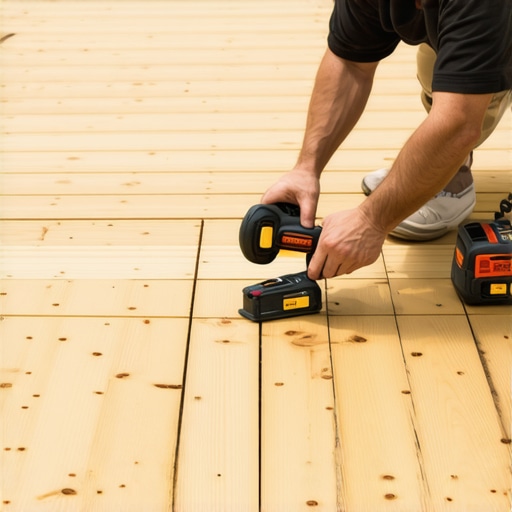
Proper upkeep of deck, railing, and pergola systems hinges on the right equipment. I swear by a high-quality cordless oscillating multi-tool for detailed scraping, sanding, and minor repair tasks—its versatility saves time and preserves material integrity. For example, when removing old caulk or rust from metal fasteners, I rely on a digital angle grinder with a carbide blade, which provides clean removal without damaging surrounding surfaces. To ensure precise measurements during assembly or realignment, a laser distance measurer has become indispensable, enabling me to double-check post placements within millimeters and prevent structural issues down the road.
How do I maintain my deck and pergola over time?
Consistent inspection is vital. I schedule biannual checkups to examine for cracks, loose fasteners, or warping—addressing issues early prevents costly repairs. Applying a penetrating sealant annually with a professional-grade sprayer guarantees protection against moisture intrusion, especially in climates with fluctuating humidity. Upgrading to stainless steel or coated fasteners can dramatically reduce corrosion and rattling, enhancing safety and aesthetic appeal. As trends point toward sustainable materials, I anticipate a growing shift towards eco-friendly, low-maintenance composites that require less upkeep but demand proper installation and periodic monitoring for optimal results.
Tools that empower longevity and peace of mind
Investing in quality tools saves money and extends your deck, railing, and pergola lifespan. For instance, I use a cordless brad nailer for securing decking and trim—its ease of use and clean finish make routine maintenance effortless. Additionally, an infrared thermometer plays a critical role in evaluating surface temperatures before applying coatings or sealants, ensuring optimal curing conditions and longevity. Keep in mind that mastering these tools isn’t just about immediate repairs; it’s about building resilience into your outdoor features for decades to come.
Embrace the future: Automation and smart maintenance
Looking ahead, technology integration will revolutionize how we care for outdoor structures. Imagine sensors monitoring moisture levels or structural shifts—alerting you via your smartphone before visible issues develop. Advanced software is emerging that maps your deck’s condition over time, guiding proactive maintenance routines. Implementing these innovations now can streamline upkeep and preserve your investment, turning a routine chore into a proactive safeguard.
Ready to test your skills? Try applying a professional-grade penetrating sealant with a sprayer, ensuring even coverage and maximum protection. Your deck and pergola will thank you for it!
Over the years, I’ve learned that the biggest breakthroughs in deck craftsmanship come from embracing subtle truths rather than relying solely on surface-level tips. One of the most profound lessons was realizing that my initial approach to sealing joints overlooked the importance of material compatibility and the integrity of proper application. Recognizing the significance of using the right sealants, like deck-specific acrylics or polyurethanes, transformed my maintenance routine and extended the life of my outdoor spaces.
Lessons You Won’t Find in Basic How-To Guides
- Applying generic silicone on composite decks may seem convenient, but it often leads to premature deterioration. The true advantage lies in understanding how specialized sealants behave under various weather conditions, which prevents costly repairs down the line.
- Detailed surface preparation—removing old caulk and debris—pays dividends. I once skipped thorough cleaning, resulting in sealant failure within months. Taking time for meticulous prep ensures long-lasting bonds and peace of mind.
- Precision in application—steady beads, smooth finishing—may seem minor but creates a formidable barrier against moisture intrusion. Practicing these techniques has saved me from frequent touch-ups and structural issues.
- Regular inspections and maintenance form the backbone of enduring outdoor features. Catching small cracks early on keeps the deck safe and looking sharp, and the payoff is a space that welcomes family and friends for years.
- Understanding nuances in material formulations and construction principles—like proper drainage and thermal expansion—can make or break your deck’s longevity. These insights bridge the gap between DIY projects and professional craftsmanship, elevating your outdoor space to a new level of resilience and beauty.
My Arsenal for a Decade of Deck Durability
- DeckWise OlyDeck Sealant: An ultra-durable acrylic that I trust to withstand UV exposure and temperature shifts, keeping joints sealed and water out.
- Milwaukee M18 Cordless Caulk Gun: Makes applying sealants smooth and consistent, reducing mess and waste. It’s the difference between a DIY job and a professional finish.
- Ridgid Digital Laser Distance Measurer: Ensures perfect measurements for railing and pergola components, preventing misalignments that can weaken structures or spoil aesthetics.
- DeWalt Oscillating Multi-Tool: An MVP for detailed prep, like removing old sealant or sanding rough edges—saving time and preserving material integrity.
Own Your Outdoor Space and Inspire Confidence
The future of deck design and maintenance is not just about materials or tools—it’s about mindset. Embrace the detailed work, respect the nuances of material behaviors, and maintain a proactive attitude. Whether you’re redesigning your pergola with fresh ideas from pergola inspiration or fine-tuning your railing system, remember that long-lasting outdoor spaces are built on conscious choices and diligent care.
Don’t settle for a deck that looks good today but fails tomorrow. With the right knowledge, tools, and a little patience, you’ll craft an outdoor oasis that endures—becoming a sanctuary for your family’s memories. Ready to take charge? Share your experiences or ask questions below; I’d love to hear your stories about perfecting your deck projects!
.