
I remember the first time I stepped onto my staircase, only to feel that unsettling wobble in the railing. It was a sudden jolt of frustration—like a nagging neighbor who never quite gets the hint. That wobble didn’t just make me worry about safety; it shattered the aesthetic I had worked so hard to achieve. It dawned on me then—why do some railings stay solid, and others feel like they’re ready to tip over at a sneeze?
Don’t Ignore That Wobbly Railing—Here’s Why It Happens
Wobbly stair railings are more than just an annoyance—they’re a safety hazard that can lead to accidents or house damage. Usually, the culprit is loose fasteners, deteriorated support posts, or poor initial installation. Early on, I made the mistake of tightening a few screws and assuming the problem was fixed. But the wobble returned quicker than I expected, revealing that the issue was deeper—possibly a flawed anchoring system or compromised structural framing.
Interestingly, according to a recent study by the Consumer Product Safety Commission, falls related to unstable railings account for a significant percentage of household injuries, emphasizing the importance of addressing this seemingly minor problem before it escalates. The good news? Fixing wobbly railings is often straightforward once you identify the root cause, and you’ll gain peace of mind knowing your staircase is safe and sturdy.
Is Reinforcing Your Railing Really Worth the Effort? You Bet!
I understand skepticism—many think a wobble is just cosmetic. But trust me, ignoring it can lead to bigger issues down the line, like cracked banisters or even post failure. Early in my renovation journey, I once overlooked a loose post because I wrongly believed the problem was superficial. That oversight nearly cost me a major rebuild when the post eventually gave way. Learning from that, I now know that addressing wobbliness promptly is key to maintaining both safety and integrity. If you’ve ever felt that your railing isn’t as firm as it should be, you’re not alone, and there’s a practical solution waiting for you. Want to ensure your railing stays rock solid? Keep reading—you’re about to learn techniques that will turn your shaky banister into a fortress.
Assess the Root Cause of Your Wobble
Start by inspecting the entire railing system, looking for loose screws, support posts, or cracks in the mounting points. I once found a loose post after noticing a slight sway, which I quickly identified by gently pushing different sections. This initial step prevents unnecessary repairs and guides your next actions, ensuring you target the actual problem instead of just the symptoms.
Gather the Necessary Tools and Materials
Prepare a drill, screwdriver, replacement fasteners, wood shims, and possibly some epoxy or concrete patch if needed. I keep these tools handy in my toolbox, as recognizing that a loose post often requires just tightening or shimming can save time. Having everything ready allows for a smoother repair process.
Tighten and Secure Loose Fasteners
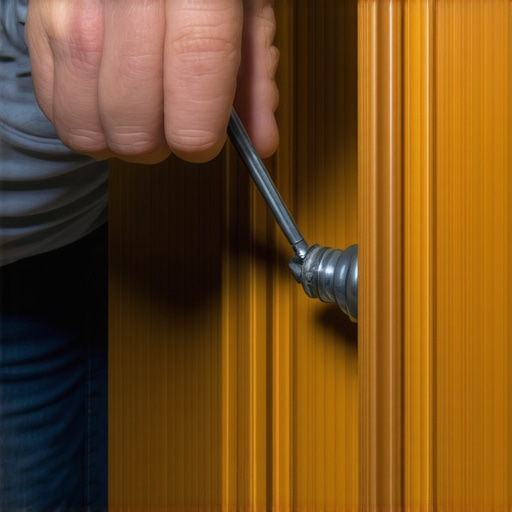
Use the appropriate screwdriver or drill bit to tighten all visible screws and bolts in the railing system. When I fixed my railing, I found several screws that had loosened over time, which caused the wobble. Ensure all fasteners are snug, but avoid overtightening, which can strip threads or damage the wood. Test stability after each adjustment to gauge progress.
Reinforce Posts with Shims or Anchors
If tightening doesn’t fully stabilize the post, insert shims between the post and the mounting surface to fill gaps and prevent movement. For larger gaps, epoxy-shim the support to create a firm bond. I once used wooden shims behind a support post that had shifted, which dramatically improved stability. For concrete anchors, drill and insert expansion bolts as specified by the manufacturer, especially if the post is anchored into a concrete footing. Learn more about securing posts effectively.
Repair or Replace Damaged Components
Cracked or rotten support posts require replacement. Measure and cut a new post to match the original, and secure it firmly. I had an old post that was splintering, so I removed and replaced it with a treated wood post, ensuring to treat the end grains for longevity. Remember that damaged parts compromise safety, so replace rather than attempt to repair extensively.
Secure Anchors into Substructure Properly
Ensure that the mounting surface, whether it’s wood framing or concrete, is solid and properly fastened. If needed, add additional anchors or strapping to reinforce the connection. I learned the hard way when a loose anchor on my deck’s railing almost caused the entire post to detach. Proper anchoring is critical for long-term stability, especially on older decks or uneven spots.
Test and Confirm Stability
Finally, apply gentle force to different parts of the railing to verify the fix. Push, pull, and wiggle the posts to ensure there’s no movement. After fixing my railing, a simple test confirmed that the wobble was gone, and I felt confident about safety. Repeat inspections periodically to catch issues early.
Upgrade for Extra Peace of Mind
If your railing system feels outdated or susceptible to wear, consider upgrading it with modern designs and durable materials. For a comprehensive guide to selecting the best system, visit this resource. Reinforcing your railing now not only improves safety but also enhances aesthetic appeal, making your staircase a true focal point in your home’s exterior.
 While many homeowners are excited about upgrading their outdoor spaces with composite decking, railing systems, and pergolas, there’s a tendency to believe myths that can undermine long-term satisfaction and safety. Let’s dig deeper into some of the most misunderstood aspects of these popular outdoor features.
Are All Composite Decking Materials Created Equal? Think Again.
Many assume that all composite decking is maintenance-free and impervious to issues like fading or mold. However, the truth is that quality varies significantly among brands. Cheaper composite boards might be more susceptible to scratching, staining, or even deterioration under harsh weather conditions. According to a study published by the olepolytechnique FE9dE9rale de Lausanne (EPFL), material composition heavily influences durability and appearance retention over time. To avoid disappointment, do your research and select products that match your climate and lifestyle, instead of just going for the lowest price.
Railing Systems: Bigger Isn’t Always Better
There’s a common misconception that larger, more intricate balusters or thicker posts automatically translate into better safety or aesthetic appeal. In reality, excessive ornamentation can compromise sightlines and make cleaning difficult, while overly bulky posts can dwarf your design. The key lies in choosing a railing system that balances safety, style, and visibility. For expert guidance, you might want to explore this [comprehensive guide to selecting the perfect railing system](https://deckforgebuilders.com/how-to-select-the-perfect-railing-system-for-every-deck). Remember, the goal should be a sleek, durable barrier that enhances your deck’s look without obstructing views or creating maintenance headaches.
Pergolas: More Frames Than Function?
Many believe that installing a pergola is simply adding a decorative post-and-beam structure. But a poorly designed pergola can cause more issues, such as accumulating rainwater leading to wood rot or blocking airflow, making it less comfortable during hot days. An advanced mistake involves neglecting proper pitch and drainage considerations, which can lead to pooling water and structural damage over time. For a better understanding of how customized pergola designs can serve both style and function, check out [these inspiring modern to classic pergola designs](https://deckforgebuilders.com/pergola-designs-that-turn-your-garden-into-a-sanctuary).
Make sure your outdoor innovations aren’t based on misconceptions. By challenging these common myths, you’ll avoid costly repairs, safety hazards, and design regrets. Have you ever fallen into this trap? Let me know in the comments, and I can help clarify or suggest better strategies for your outdoor projects.
How do I keep my deck, railing, or pergola functioning smoothly over time
Maintaining your outdoor structures requires the right tools and methods to ensure durability and safety. From cleaning to repairs, I rely on specific equipment that I’ve personally tested for efficiency and longevity. One essential tool I swear by is a cordless impact driver paired with rust-resistant fasteners. It allows me to tighten or replace screws and bolts quickly, ensuring that components like railings and pergola beams stay secure without stripping threads or causing damage.
For detailed inspection, I use a moisture meter to detect hidden rot in wooden supports. This helps me act promptly before minor issues escalate. A knock on a support post can reveal whether it’s sound or compromised; combining that tactile test with a moisture meter gives me peace of mind.
When it comes to cleaning, I avoid high-pressure washers, which might damage composite materials. Instead, I opt for a soft-bristle deck brush along with a mild detergent formulated for outdoor composites. This preserves the surface finish while removing dirt and algae, extending your deck’s aesthetic appeal.
To address long-term wear, applying a UV protectant every couple of years is crucial. I choose a spray-on product designed specifically for composite and wood finishes, which I apply with a pump sprayer for even coverage. Regular application guards against fading, cracking, and mold growth.
Predicting where these structures are heading, I believe innovations in smart maintenance tech—like sensors that monitor moisture levels or structural shifts—will become standard in outdoor living design. Such tech will alert homeowners to problems early, saving time and money.
Make your outdoor structures last: Key maintenance tips
To keep your deck and pergola in top condition, prioritize regular inspections. Tighten loose fasteners and replace any corroded or cracked components immediately. For support posts that feel wobbly, using a shim or epoxy can prevent long-term deterioration. Recycling old fasteners and upgrading to stainless steel bolts can really enhance longevity.
It’s also vital to keep drainage paths clear, preventing water pooling that accelerates rot. I recommend installing a drainage spacer like a ‘drip edge’ under your deck boards, which directs water away from supports. For detailed methods, see this article.
Tools I recommend for the DIY enthusiast
Invest in a high-quality angle grinder fitted with a diamond blade; it’s perfect for cutting and smoothing composite surfaces during repairs. Additionally, a cordless impact driver with a selection of driver bits simplifies re-tightening or replacing fasteners. For small repairs, an oscillating multi-tool with a carbide blade helps in cleaning out rotted wood or trimming minor adjustments. These tools not only save time but also ensure precision, which is critical for maintaining aesthetic integrity.
Don’t overlook safety gear: goggles, gloves, and a dust mask protect you during cutting and cleaning tasks. Having these handy makes maintenance safer and more comfortable.
Where to go from here?
If you’re serious about prolonged project success, consider incorporating smart monitoring devices into your deck or pergola design. Products like moisture sensors or load monitors can give you early warnings of potential problems, akin to how consultants recommend regular check-ins for technical structures. Investing in good tools and routine upkeep will undoubtedly pay off in the long run, ensuring your outdoor haven remains beautiful and safe for years to come.
Take action today—try using a moisture meter during your next inspection, and see how early detection can save your structure. With the right tools, your outdoor living space will stay stunning and safe, now and into the future.
What The Hardest Lesson About Outdoor Improvements Taught Me
Early on, I believed that selecting the most fashionable railing or the fanciest pergola design would automatically lead to a stunning backyard. I learned the hard way that neglecting proper foundation checks or overlooking drainage can turn beauty into disaster. The key takeaway? Never underestimate the importance of foundational stability and water management—these are the silent heroes ensuring your outdoor space stands true through seasons. This experience underscored the value of prioritizing structural integrity over aesthetics alone, a lesson that saved me from future costly repairs and disappointment.
Tools and Guides That Elevate My Outdoor Transformations
One of my go-to tools is a moisture meter, which I use regularly to detect hidden rot in wooden support posts before problems become visible. For design inspiration, I frequently consult pergola design inspiration from modern to classic looks—these layouts spark ideas that blend style with function. Additionally, I rely on the comprehensive complete guide to choosing railing systems for making safe, stylish selections tailored to my specific space. Having reliable resources and quality tools makes every project smoother and more satisfying.
Take Heart and Build Boldly Today
Your outdoor space isn’t just a backyard addition—it’s an extension of your sanctuary. With the right lessons, trusted resources, and a dash of courage, you can create a deck and pergola that not only enhance your home’s beauty but also stand the test of time. Remember, every nail driven and beam leveled is a step closer to a space where memories will unfold for years to come. So, embrace the process and start turning your outdoor dreams into reality—you’ve got this!