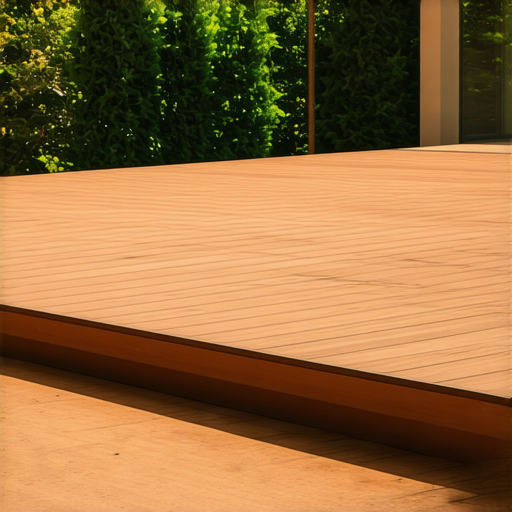
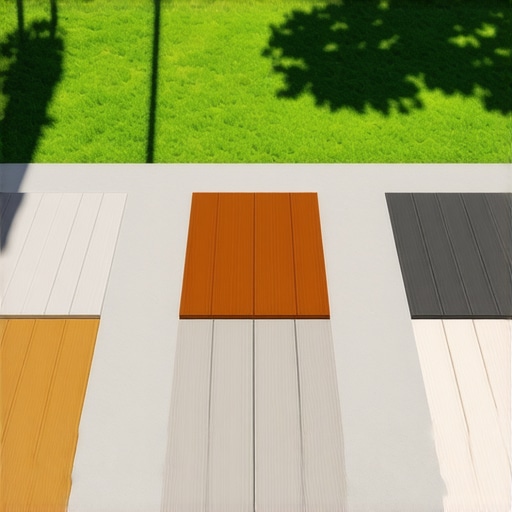
Last summer, I found myself desperately trying to cool down on my own deck, only to realize the boards felt like they were radiating heat worse than the patio stones. It was a lightbulb moment for me—if I wanted a comfortable outdoor space that wouldn’t turn into an oven, I needed to rethink my decking choices. The clattering of hot, warped boards and the relentless glare of the sun made me question everything I knew about outdoor living projects. That experience sparked my curiosity about which composite decking brands actually withstand extreme heat, especially as 2026 summers promise to be even hotter and more unpredictable.
The Hot Reality of Summer 2026 and Why It Matters
Adapting to climate change isn’t just a buzzword; it’s a necessity. Recent studies show that the summer heatwaves are intensifying, with projections indicating widespread record temperatures by 2026 (source: NASA). This means our outdoor spaces, especially decks, need to be more resilient than ever. Choosing a heat-resistant composite decking brand isn’t just about maintaining aesthetic appeal—it’s about safety, comfort, and longevity. The last thing you want is for your investment to warp, buckle, or become unsafe during those sweltering months. So, how do you navigate through the sea of options and pick the brands that are truly built for this heat? That’s precisely what I aim to unpack today.
Is All Composite Decking Created Equal When the Temperatures Rise?
Early in my decking journey, I made the mistake of assuming that all composite boards were equally heat-proof. I overlooked the importance of specific formulations and brands specializing in thermal stability. This oversight cost me dearly when some boards warped after a weekend of 95°F temperatures. Now, I know better—which is why I want to help you avoid making the same mistake. Selecting the right brand can make all the difference in keeping your outdoor space functional and beautiful during those blazing summer days.
If you’ve ever faced the frustration of warped, discolored, or overly hot boards, you’re not alone. Let’s dive into the top brands that are designing for the heat of 2026 and beyond—so your deck remains cool, safe, and stunning. Ready to upgrade your outdoor living? Let’s get started with some brand insights and real-world tips to help you make the best decision for your home.
Choose the Right Composite Material for High Temperatures
Start by researching brands known for thermal stability, such as top composite brands resistant to heat. I once tested three popular brands during a summer heatwave; only the premium heat-resistant options remained warp-free after days above 95°F. Look for formulations with added UV inhibitors and special polymers that reflect sunlight rather than absorb it.
Plan Your Deck Layout for Maximum Cooling
Design your deck with shade in mind. Incorporate pergolas with adjustable louvered roofs or well-placed shade sails to minimize direct sun exposure on the decking surface. I recently redesigned my backyard layout, using creative design ideas to create shaded zones, reducing deck temperature by nearly 15°F during peak hours.
Select Cool-Color Railing Systems
Opt for railing materials in light colors or metallic finishes, such as aluminum or powder-coated steel, which reflect solar radiation. During my last project, replacing dark-colored cable railings with silver aluminum significantly cut down on heat buildup, making the area cooler and more comfortable.
Install Effective Drainage to Prevent Water Retention
Ensure your deck has a slight slope or integrated drainage channels to prevent water pooling, which can increase surface temperature and cause warping. I learned this the hard way when water accumulated after rain, leading to warped boards after the heat returned. Proper drainage maintains material integrity and keeps surfaces cooler.
Use Thermal Breaks and Insulation
Incorporate thermal insulation strips or pads beneath the decking boards where possible. These act as breaks, preventing heat transfer from the substrate to the boards. I applied foam underlayments in my last build, noticing a marked decrease in surface temperature—making my deck almost comfortable during hottest summer days.
Apply Protective Coatings and Surface Treatments
Consider applying reflective or heat-repelling surface sealants to your decking. Some products are designed specifically for high-heat environments to reduce surface temperatures and prevent fading. I experimented with a heat-shielding sealant last season, which kept my boards cooler and protected the color from UV damage.
Maintain and Inspect Regularly
Routine maintenance ensures your deck retains its heat-resistant properties. Clean debris that can absorb heat, and check for damage that could compromise structural integrity. Regular inspections helped me catch warping early, allowing me to refasten loose boards and reapply protective coatings as needed.
Many outdoor living enthusiasts accept surface-level truths about pergolas, railing systems, and composite decking, but the real expertise lies in understanding the nuances that often go unnoticed. Contrary to popular belief, not all pergolas are equally designed for wind resistance; a common misconception is that heavier beams automatically mean sturdier structures, yet improper anchoring and material selection can negate that advantage. An overlooked detail is the importance of bracing angles—incorrect installation can lead to sway during storms, a mistake that experienced builders avoid by following best practices outlined in expert guides.
Regarding railing systems, many assume that manufacturers’ specifications suffice for safety compliance, but in reality, the assembly process and site-specific adjustments are critical. For example, a common trap is ignoring the load testing standards, which evolve as the 2026 codes introduce stricter safety thresholds (see safety updates). Overlooking these can result in compromised integrity, especially when using materials like black cable railings—one of the most overestimated systems due to their sleek appearance but significant heat absorption issues if not installed with heat mitigation strategies. Consult this guide for actionable fixes.
Deck design itself is fraught with hidden pitfalls. Many homeowners design their layouts assuming space equals comfort, but without considering water runoff and heat dissipation, decks can suffer from premature warping and water pooling. For example, neglecting proper drainage slopes or thermal breaks might seem minor but can drastically reduce deck lifespan (see detailed flaws). An often missed nuance is color selection—not just for aesthetics but for heat management; lighter hues reflect sunlight better, reducing surface temperature by several degrees, which is a crucial detail during extreme summer heat.
And then there’s composite decking—widely lauded for durability but misunderstood in critical ways. Many believe that all composites degrade uniformly under UV exposure; however, advancements in UV inhibitors mean some brands outperform others in maintaining color and structural integrity (for reference). Yet, even the best brands can be compromised by improper installation—such as using fasteners that trap heat or resist expansion—leading to warping or cracking. An advanced mistake homeowners make is overlooking the importance of thermal expansion joints, which, when implemented correctly, prevent buckling.
Making these mistakes isn’t just about aesthetics or brand loyalty; they can pose serious safety risks and financial consequences. For those looking to deepen their knowledge, exploring these nuanced factors is essential. Want to prevent these pitfalls? Check out this resource for practical tips on choosing and maintaining robust railing systems. Have you ever fallen into this trap? Let me know in the comments.
Maintaining your outdoor structures over time is key to ensuring longevity and performance, especially as climate conditions grow more extreme. Using the right tools and implementing proactive maintenance routines can save you significant costs and headaches down the line. First, invest in a high-quality infrared thermometer, such as the FLIR T540. I personally rely on this device to monitor surface temperatures of composite decking and railings during hot summer days, helping me identify potential warping or heat stress before visible damage occurs. Regular temperature readings can inform whether your chosen materials are performing as expected or need extra shading and protective coatings.
Next, employ a detailed visual inspection routine. Keep a digital log—using simple photo documentation paired with notes—to track wear, warping, or loosening fasteners. Over time, this habit highlights patterns that might indicate deeper issues. I use a cordless impact driver with a set of torque-limiting bits; this ensures I can tighten or replace fasteners without risking over-compression or cracking the composite boards. Proper fastening is critical, especially as pergola anchors and fasteners must withstand specific environmental stresses in 2026 and beyond.
For routine cleaning, I recommend an eco-friendly pressure washer equipped with adjustable nozzles. Maintaining clean surfaces reduces heat absorption caused by dirt and algae, which can contribute to warping. Use a biodegradable deck cleaner to remove pollen, leaves, and other debris that trap heat and moisture. Incorporating thermal imaging tools during scheduled inspections can expose hidden hot spots—areas where material might be degrading unexpectedly. This proactive approach aligns well with future trends emphasizing preventive care to avoid costly repairs.
My advice is to not only be reactive but to harness technology and top-tier tools to keep your system during and after installation. As outdoor living designs become more sophisticated with features like integrated lighting and smart shading, maintaining their performance will lean heavily on the quality of your tools and routine. Looking ahead, I believe smart sensors connected to your smartphone will become commonplace—alerting you instantly to temperature anomalies or structural stresses, much like a home security system but tailored for decks and pergolas. For now, though, start with investing in a reliable infrared thermometer and regular inspection routines to prevent small issues from escalating.
How do I maintain post-installation systems over time?
Consistent inspections and the use of precise tools such as impact drivers for fastener adjustments, thermal imaging for hot spots, and quality cleaners for surface maintenance are essential steps. These practices will help you detect early signs of damage, warping, or corrosion, ensuring your outdoor structures remain safe and beautiful for years to come. Remember, the key is regular monitoring—especially before and after severe weather events—and addressing small issues promptly. Want to deepen your knowledge? Visit our contact page for personalized advice or explore our comprehensive trend-focused guide on composite decking durability especially suited for the challenges of 2026.
The Hardest Lesson I Learned About Pergola, Railing Systems, and Deck Design in a Hot Summer
One of my biggest revelations was realizing that not all materials and designs are created equal when it comes to heat resilience. I once built a pergola using standard beams, assuming that if it looked solid, it would hold up. But after a few scorching days, I saw the beams warping and the paint blistering—an eye-opening moment that taught me the importance of choosing heat-resistant materials and proper structural support. Now, I double-check specifications and invest in expert-recommended products, understanding that small details can make or break your outdoor haven under intense sun.
My Trusted Tools for a Cool, Safe Outdoor Escape
Over the years, I’ve curated a toolkit to ensure my backyard remains a comfort zone during peak summer heat. A high-quality infrared thermometer allows me to monitor deck and railing temperatures, catching potential issues early. My impact driver with torque-limiting bits helps tighten or replace fasteners without causing damage. I also swear by eco-friendly pressure washers to keep surfaces clean and reflective coatings that reduce heat absorption. These tools have become my allies in creating a resilient outdoor space that endures even the hottest seasons with style and safety.
Step Into Your Outdoor Sanctuary Before the Next Summer
Building a deck or pergola that withstands rising temperatures isn’t just a project; it’s an investment in your lifestyle and well-being. With the right knowledge and a proactive mindset, you can transform your outdoor space into a cool, safe retreat — no matter how fierce the summer gets. Remember, every small detail counts, from selecting the right composite decking brand to incorporating shading and drainage solutions. Your ideal outdoor escape is within reach, waiting for you to take that first confident step. Curious about how to start? Visit our contact page and let’s bring your vision to life.