
I remember sitting on my first ‘deck’ back in 2015—it was basically a 4×4 wooden postage stamp. I’d try to set out a single lawn chair and suddenly the space felt like a cramped closet. I actually tried to squeeze a full-sized gas grill out there once and ended up melting a patch of my vinyl siding because there just wasn’t enough clearance. It was a total disaster and a huge blow to my ‘DIY master’ ego. But that failure taught me the most important lesson in backyard design: your deck’s footprint doesn’t dictate its feel. Most of us are living with outdoor spaces that feel tiny because we are accidentally building ‘walls’ instead of ‘windows.’
Small Spaces Don’t Have to Feel Like a Cage
I’ve spent years helping folks realize that a small deck is actually an opportunity for intimacy and efficiency. When I first started, I made the classic mistake of thinking ‘bigger is always better’ and ended up with a cluttered mess that I never wanted to use. The real secret isn’t about adding square footage; it’s about tricking the eye. You can achieve this by choosing the right materials, like the ones you’ll find in low-maintenance composite decking, which offers sleeker profiles than chunky pressure-treated lumber. According to the National Association of Realtors, 82% of homeowners say a functional outdoor space gives them a greater desire to be home, proving that even a small project has a massive impact on your quality of life. Have you ever stood on your deck and felt like the walls were closing in?
Is it actually possible to host a party on ten square feet?
I know what you’re thinking. You look at your tiny platform and think there’s no way three people can stand there without bumping elbows. But I’ve seen tiny decks accommodate full dining sets just by changing the orientation of the boards. One of my biggest blunders early on was installing a thick, opaque wood railing. It was like putting a blindfold on my backyard. Switching to modern railing systems with thin balusters or glass can literally double your perceived space by connecting your deck to the horizon. [IMAGE_PLACEHOLDER] If you’re feeling stuck, don’t worry. We’re going to dive into the specific design moves that turn a tiny landing into a sanctuary. It’s about being smart with your layout and knowing which composite decking trends actually serve a small footprint.
Your Deck Foundation Needs a Raincoat
When you are working with a small footprint, every structural choice is magnified. Think of your deck frame like the skeleton of a house; if the bones are brittle, the skin won’t look right. I always tell my clients that the best investment isn’t the expensive furniture, it’s the joist tape secret for doubling your decks life. Without it, water sits on top of your joists, rotting them from the inside out while the surface looks fine. It’s like wearing a tuxedo over dirty skin. If you want that small space to feel high-end, it has to feel solid. There is nothing that makes a deck feel smaller or cheaper than a slight ‘give’ when you step on it. You can easily how to fix the bounce in your over-spanned deck joists by adding blocking every four feet. This turns a series of individual boards into a unified, rigid platform.
Square Up Before You Screw Down
Early in my career, I built a 10×10 platform for a neighbor and eyeballed the corners. I thought ‘it looks close enough.’ By the time I reached the outer edge, I was off by two inches. Every piece of modern composite decking I laid down looked crooked, making the entire space feel lopsided and cramped. I had to rip the whole thing up. Now, I never start a project without the 3-4-5 triangle move for squaring up a new deck frame. When your lines are perfectly parallel, the eye travels smoothly across the surface, creating an illusion of length that a crooked frame destroys.
Go Vertical to Win the Space War
When you run out of horizontal floor, look up. Adding a structure like a pergola doesn’t just provide shade; it defines the space as a ‘room’ rather than just a platform. This verticality draws the eye upward, away from the tight corners. However, you have to be careful with the installation. I’ve seen many DIYers struggle with stability, but using the string line move for perfectly plumb pergola posts ensures your structure doesn’t look like the Leaning Tower of Pisa. 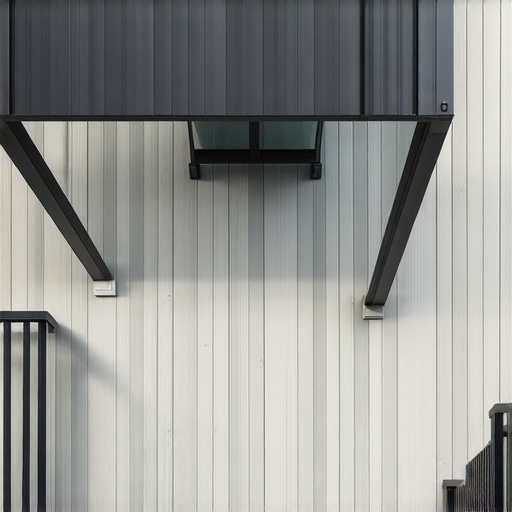 Once you have the posts set, check out pergola design inspiration from modern to classic looks to find a style that matches your home’s architecture.
Invisible Boundaries Change Everything
The railing is usually where small decks go to die. If you put a thick wood railing around a small space, you’ve effectively built a wooden playpen. You want boundaries that protect you without blocking the view of the yard. I’ve found that the tension cable move for modern railing looks is a game changer. The thin horizontal lines of cable virtually disappear against the landscape. It’s the difference between looking through a window and looking at a wall. Just make sure you avoid 3 mistakes that make your cable railing sag every winter, specifically regarding how you anchor your end posts. If those posts aren’t reinforced, the tension of the cables will eventually bow the wood, ruining that sleek, expansive feel you worked so hard to create. If you’re using composite for the surface, remember to use the painters tape hack for cutting composite boards without fraying to keep those edges crisp and professional.
The Hidden Risk of Seamless Deck Surfaces
Most people think that achieving a perfectly smooth surface is the peak of deck craftsmanship, but I’ve learned the hard way that ‘flawless’ can be a facade for failure. The industry is currently obsessed with hidden fasteners because they provide that high-end, screw-free look. However, why hidden fasteners fail on wide profile boards is a nuance often ignored by weekend warriors. If you are using wider planks, these clips often don’t provide the lateral tension needed to keep the boards from ‘walking’ or shifting during seasonal changes. In my early days, I used these clips on a luxury build only to have the client call me six months later because the boards had migrated an inch toward the pool. It’s a classic trap: prioritizing aesthetics over physics.
Don’t Let Your Deck Boards Suffocate
We need to talk about thermal expansion, because this is where the pros separate themselves from the amateurs. Composite decking is essentially a giant heat sink. According to a study by the International Association of Certified Home Inspectors (InterNACHI), synthetic deck materials can expand significantly more than natural wood, creating hundreds of pounds of pressure against your home’s rim joist. If you don’t know how to stop composite deck boards from expanding into your siding, you’re looking at buckled boards or, worse, damaged house flashing that leads to rot. I once saw a deck literally pry the siding off a house because the builder didn’t leave the mandatory 1/4-inch gap at the ledger. 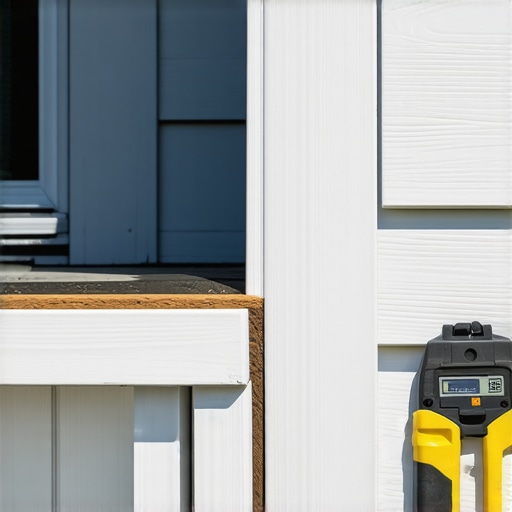
Why is my brand-new deck already starting to crown?
This is the question that haunts advanced DIYers. You spend thousands on premium materials, yet the boards start to bow upward in the middle. Usually, it’s not a product defect; it’s a ventilation crisis. If you build too low to the ground without proper airflow, the temperature difference between the hot sun on top and the damp earth below creates a moisture imbalance. This causes why your composite deck feels spongy between joists as the internal core of the board struggles to stabilize. You can’t just slap boards down and expect them to survive without a ‘breathing’ substructure.
Stop Killing Your Deck With High Pressure
There is a persistent myth that composite is indestructible. I’ve seen homeowners take a commercial-grade pressure washer to their deck every spring, thinking they are being ‘thorough.’ This is arguably the fastest way to ruin your investment. You must understand why you should never use a power washer on composite boards; the high PSI can actually etch the surface and open up the ‘pores’ of the material, making it more susceptible to permanent staining and mold. True longevity comes from the boring stuff—gentle soap and a soft brush. These composite decking secrets longevity tips for a lasting deck are what actually keep a space looking new for twenty years, not a blast of high-pressure water. Have you ever fallen into this trap of over-cleaning or over-securing your deck? Let me know in the comments.I used to think my eyes were calibrated better than any tool on the market. That arrogance cost me a three-day rebuild in 2017 when a pergola beam was just a half-inch off. Since then, I don’t move a muscle without the level and laser method for setting pergola heights alone. It sounds like overkill for a backyard project, but when you are working with expensive composite materials, you can’t afford a ‘close enough’ measurement. I also swear by the jig i use for consistent deck screw depth. If your screws are driven even a millimeter too deep, they create a small crater that traps water and organic debris, eventually leading to those ugly black spots we all hate.
How do I ensure my deck survives a decade of seasons?
The real secret to a deck that lasts isn’t some expensive coating; it’s consistent, low-impact care. According to technical bulletins from the North American Deck and Railing Association (NADRA), over 40 million decks in the US are over 20 years old and in need of major repair or replacement, often due to neglected maintenance of the hidden substructure. I always keep a bottle of the vinegar and water mix that cleans composite better than chemicals nearby. It’s gentle enough for the finish but acidic enough to kill mold spores before they take root without stripping the UV protectors.  If you’ve already noticed some wear and tear from a summer of hosting, don’t panic. I’ve learned how to fix scuffs on dark composite boards with a heat gun, which basically melts the plastic fibers back into place and hides those white scratches caused by dragging heavy patio furniture. Just be careful not to linger too long in one spot, or you’ll create a shiny patch that’s harder to hide than the original scuff.
Forget the Bleach and Save Your Surface
One of the biggest mistakes I see homeowners make is reaching for the heavy-duty laundry cleaners. You have to realize why you should never use bleach on composite decks; bleach is a powerful oxidizer that literally eats away at the UV inhibitors in the plastic capping. Over time, your deck will turn brittle and lose its rich color. Instead, stick to composite decking secrets longevity tips for a lasting deck, like using a simple leaf blower to clear out gaps between boards once a week. This prevents the moisture dams that cause the joists underneath to rot silently. Looking ahead, I predict the next big trend in outdoor living will be ‘diagnostic decks’—integrated sensors that alert your smartphone if moisture levels in the framing reach a critical rot threshold. But until that tech is standard, the basics of how to select the perfect railing system for every deck and keeping it clean remain your best defense. I challenge you to try the flashlight hack for finding railing bracket alignment this weekend if you’re finishing up a project—it’s a game-changer for solo builders.
Hard-Won Truths from a Decade in the Sawdust
After years of building, I’ve realized that the best deck design isn’t the one with the most square footage, but the one with the fewest technical headaches. First, never underestimate the power of the sun; your boards will move, and if you don’t plan for thermal expansion, the material will eventually buckle. Second, the substructure is your deck’s soul. If you skimp on protecting the frame from moisture, you’re just putting a fancy dress on a failing foundation. Finally, remember that while modern materials are a game-changer, the phrase ‘low maintenance’ is not a license to ignore your investment entirely.
Tools That Keep Your Backyard Built to Last
I wouldn’t dream of starting a new build without my trusted technical kit. I always rely on the level and laser method for setting pergola heights alone because it removes the manual guesswork that leads to crooked beams. For the framing, applying the joist tape secret for doubling your decks life has become a non-negotiable standard in my projects to prevent rot. [IMAGE_PLACEHOLDER] For the post-build cleanup, skip the harsh abrasive chemicals and stick with the vinegar and water mix that cleans composite better than chemicals to keep your boards pristine without damaging the vital UV protectors.
Build the Space Your Future Self Deserves
Your outdoor area should be a sanctuary that extends your living room into the fresh air, not a source of constant repair stress. Whether you are choosing low-maintenance composite decking to save time or figuring out how to select the perfect railing system for every deck to open up your view, the goal is to create a place where you actually want to spend your Saturday afternoons. Don’t let the fear of a small footprint or technical details stop you from starting your build. The best time to upgrade your backyard was last year; the second best time is today. Have you ever started a deck project and realized halfway through that you were in over your head? Let me know your biggest DIY hurdles in the comments below!