
I remember the first Saturday morning after I finished my deck project. I sat down with a cup of coffee, ready to enjoy the unobstructed view of the woods, only to find myself staring at a giant, hazy smudge right at eye level. It wasn’t just a fingerprint; it was as if the glass was actually hungry for dirt. I’d spent thousands on high-end railing systems only to feel like I’d signed up for a second job as a window washer. If you’ve ever looked at your deck and wondered why the glass looks perpetually foggy despite your best efforts, you aren’t crazy. It’s a common frustration that can make even the most beautiful deck design feel a bit dingy. The wind carries more than just a breeze; it carries fine particulates that cling to the glass due to static electricity. I’ve watched a perfectly clean panel turn grey in a single afternoon just because the neighbor mowed their lawn. It’s visceral, and honestly, a bit soul-crushing when you’ve put so much work into your outdoor sanctuary.
Stop Fighting the Smudge on Your Glass Panels
The truth is, most of us approach glass railings the same way we approach our bathroom mirrors, and that is our first mistake. I spent months using a standard blue-tinted spray and a roll of paper towels, only to realize I was just moving the oils around. It’s frustrating to invest so much in a specific railing color and style only to have it obscured by a layer of pollen and hard water spots. According to research from the American Ceramic Society, glass is actually more porous than it looks to the naked eye, meaning minerals from your lawn sprinklers or rain can literally bake into those microscopic pits during a hot afternoon. This creates that stubborn haze that no amount of elbow grease seems to fix. [IMAGE_PLACEHOLDER] I eventually learned that by not treating the glass, I was essentially leaving a sticky landing pad for every bit of debris in the neighborhood. I spent hours scrubbing, only to have the sun reveal every streak I missed.
Does a Clear View Just Mean Constant Chores?
I get the skepticism. When I was first looking at modern outdoor living trends, I worried that glass would be a high-maintenance nightmare compared to traditional wood or cable. You see these gorgeous photos in magazines and think, ‘There’s no way it stays that clean.’ My early failure—using an old, stiff squeegee that left permanent micro-scratches—almost made me regret the whole installation. I thought I had ruined my investment before the first season was even over. But the problem isn’t the material itself; it’s the lack of a protective barrier. We’re going to look at why that cloudy look happens and how to seal the surface so dirt literally slides off, much like how you might treat white railings to prevent environmental staining. Have you found yourself cleaning your panels every single week just to keep them presentable? I want to show you that a crystal-clear view doesn’t have to be a full-time job. I’ve stood where you are, bucket in hand, feeling defeated, but there is a better way that doesn’t involve daily cleaning.
Ditch the Glass Cleaner and Reach for the Dish Soap
The first thing I learned the hard way is that standard glass cleaners are too weak for the outdoors. They evaporate too quickly in the sun, leaving behind a sticky residue that attracts pollen like a magnet. Instead, I started using a simple bucket of warm water with a few drops of grease-cutting dish soap. This cuts through the grime without the harsh chemicals that can actually damage your decking. Just as you should never use bleach on your composite deck, you want to avoid ammonia-based products that can degrade the gaskets around your glass. I remember one July afternoon when I tried to ‘power through’ a cleaning with a spray bottle; the heat dried the soap instantly, leaving a white ghost-like film across three panels. I had to start over completely. Now, I work in small sections, keeping the glass wet until I am ready for the next step.
The One Tool That Actually Prevents Streaks
If you are still using paper towels or old rags, you are fighting a losing battle. The secret is a professional-grade squeegee with a fresh rubber blade. It is the difference between pushing dirt around and actually removing it. I once tried to use an old bath towel to dry my panels because I was in a rush for a BBQ, and by the time the guests arrived, the sun hit the deck at an angle that revealed every single fiber and swirl mark. It looked worse than before I started. When you select the perfect railing system for your home, you have to treat it with the right tools. Use the squeegee in a continuous ‘S’ motion or straight vertical drops, wiping the blade with a clean, lint-free cloth after every single pass. 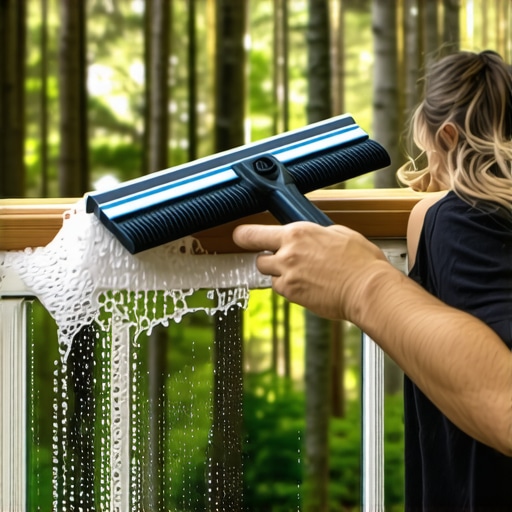
Seal the Surface to Make Water Slide Right Off
To stop that perpetually foggy look, you need to apply a hydrophobic coating. Think of it like waxing your car. These sealants fill those microscopic pores I mentioned earlier, creating a surface so smooth that rain and dew simply bead up and roll away, taking the dust with them. This is one of those longevity tips for a lasting deck that most people skip. When I finally applied a glass sealer, my cleaning time dropped from an hour every week to a quick ten-minute rinse once a month. It changed the way I felt about the maintenance entirely. Using these coatings is especially important if your deck design includes glass panels near heavy garden irrigation or salt air.
Check Your Hardware While You Are Down There
While you are cleaning the base of the glass, it is the perfect time to inspect the structural integrity of your system. I once found a loose bolt on a base plate while I was scrubbing away some bird droppings, which saved me a major headache later. If you notice any movement in the posts, you might need the $20 bracket that fixes wobbly railing posts fast. A loose railing is not just a cleaning nuisance; it can indicate that the structural reason your deck feels bouncy is actually a connection issue at the rim joist. Keeping the metal components clean also prevents the tea-staining or pitting that happens when salt or pollution sits on the surface for too long.Everyone tells you that switching to low-maintenance composite decking means you’re done with manual labor forever. I hate to be the bearer of bad news, but that is a dangerous half-truth that often leads to total structural failure within a decade. While the surface boards might look pristine for 25 years, the pressure-treated skeleton beneath them is often on a much shorter clock. The common industry myth is that ‘treated wood’ means ‘waterproof wood.’ In reality, the chemicals only prevent rot from fungus and insects, not the physical breakdown caused by constant moisture cycles.
Stop Obsessing Over the Boards and Look Under the Hood
I’ve seen $20,000 projects where the homeowner focused entirely on the aesthetic of the composite decking secrets but ignored the joists. When you place a non-porous composite board directly onto a wood joist, you create what I call a ‘rot sandwich.’ Rainwater gets trapped in the tight gap where the two materials meet, never drying out. According to data from the International Association of Certified Home Inspectors (InterNACHI), nearly 60% of deck failures are caused by issues with the substructure or the ledger connection, not the walking surface. 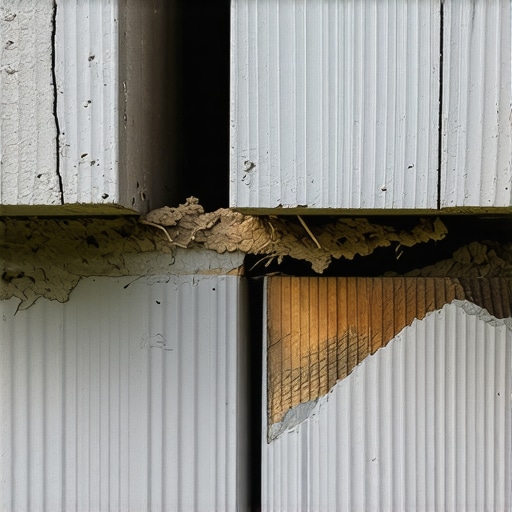 I once inspected a deck where the boards were beautiful, but I could push a screwdriver straight through the rim joist. If you aren’t using the joist tape secret for doubling your decks lifespan, you are essentially building a ticking time bomb because why your pressure-treated joists are rotting faster than usual is usually due to this trapped moisture.
The Structural Trap That Makes Expensive Railings Feel Cheap
Another common ‘trap’ involves the connection between your posts and the frame. Most people assume that four bolts through a post is enough, but if those bolts aren’t backed by proper blocking, you’ll get that annoying ‘wobble’ the second someone leans on the rail. I always recommend the double rim joist secret for rock-solid deck edges to ensure there is zero flex. It doesn’t matter how expensive your railing systems are; if the frame is weak, the whole deck feels second-rate. Also, watch out for thermal expansion. I’ve watched gorgeous mitered corners pull apart because the installer didn’t account for why your composite decking is expanding more than the manual says. You need to leave room for the material to breathe or you will find why your deck screws are snapping in cold weather as the boards contract.
Can Your Deck Frame Really Outlast Your Composite Warranty?
It can, but only if you pay attention to the details that most contractors skip to save time. For instance, using the ledger bolt hack for brick veneer houses ensures that water isn’t seeping behind your siding and rotting your home’s rim joist. This is an ‘advanced’ move that separates a weekend warrior from a pro. I’ve seen so many people focus on the color of their boards while their ledger board is literally pulling away from the house because they used the wrong fasteners or skipped the flashing. Don’t be the person who has to rebuild their ‘permanent’ deck after only eight years because they saved a few dollars on flashing and tape. Have you ever fallen into the trap of prioritizing the ‘look’ over the structure? Let me know in the comments.I’ve learned the hard way that the ‘set it and forget it’ mentality is the quickest way to turn a $30,000 investment into a liability. If you want your outdoor space to outlive your mortgage, you have to transition from a builder to a steward. This means investing in a few non-negotiable tools that most DIYers think are total overkill. For me, that is a pin-less moisture meter. I use it every spring to check the substructure near the house. If the moisture level in your rim joists stays above 19% for more than a few days, you aren’t just looking at a wet board; you are looking at a buffet for wood-destroying organisms. This is exactly why I am such a huge advocate for the flashing tape move that doubles the life of your joists. It creates a permanent umbrella for the wood that even a professional-grade meter can’t find a fault in. 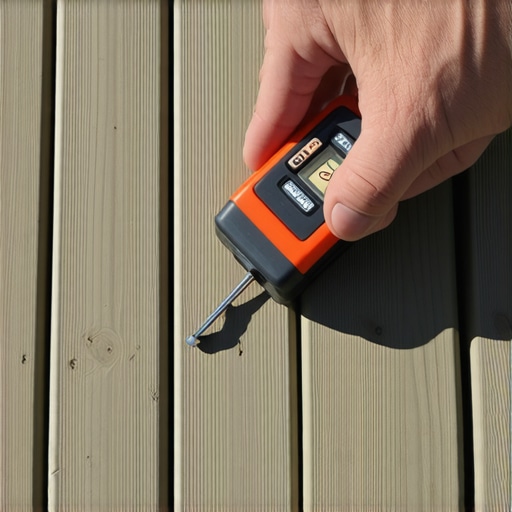 Knowing the exact internal state of your wood before you apply any cleaner or sealer is the difference between a job well done and a job that needs redoing by next season.
Stop Your Pergola From Becoming a Hurricane Liability
When we discuss pergola trends crafting shade elegance in your outdoor space, the conversation usually stops at the aesthetics, but I’ve seen 12-foot beams turn into dangerous projectiles during high-wind events because the fasteners weren’t checked. I personally use heavy-duty structural screws and hidden tensioners to ensure every connection point is more than just ‘tight.’ If you have followed my advice on how to build a retractable shade system for your pergola, you absolutely must inspect the pulley and track system every six months. I’ve watched high-end fabrics tear like paper because a single $2 bearing seized up from salt air or construction dust. It is these small, mechanical failures that end up costing thousands in replacement costs if they aren’t caught early.
How do I maintain my deck’s integrity over time?
The reality of custom railing systems for safety and style is that they require a seasonal rhythm of inspection. According to the North American Deck and Railing Association (NADRA), more than half of the 50 million decks in the U.S. require immediate repair or replacement, often due to failing ledger connections and hidden rot. I make it a point to perform a ‘stress test’ every April. I don’t just look at the surface; I get underneath with a high-lumen LED light and look for ‘white rot’ or rust on the joist hangers. I physically grab every railing post and give it a firm shake. If I feel even a millimeter of play, I am looking for structural movement, not just a loose screw. Looking ahead, I predict we will soon see ‘smart decks’ equipped with embedded moisture sensors that alert your phone when the substructure hits a critical humidity threshold, effectively automating the role of the inspector. For now, we have to rely on our own eyes and the spacer trick for consistent gaps in wood decking to ensure the airflow remains constant. This simple move prevents the standing water that leads to the very rot we are trying to avoid. I strongly encourage you to spend 20 minutes this weekend underneath your deck with a flashlight—it is the single best thing you can do for the longevity of your home.
The Hardest Lessons I Learned About Deck Stewardship
My biggest lightbulb moment came when I realized that ‘low maintenance’ is a marketing term, not a technical reality. First, even the most expensive low-maintenance composite decking still needs a sound skeleton; if you ignore the joists, you are essentially putting a fresh coat of paint on a crumbling house. Second, heat and physics are non-negotiable. I learned that why you should avoid dark decking near a sunny pool is as much about structural expansion as it is about burnt feet. Lastly, the smallest gaps can cause the biggest problems—airflow is your best friend against the silent creep of wood rot. I now treat every screw and every piece of tape as an insurance policy for the next twenty years.
[IMAGE_PLACE_FINAL]
The Gear That Lives in My Toolbelt
I do not start any season or maintenance check without a few essential resources that have never steered me wrong. I swear by the flash and tape method for protecting deck joists because it is the only way to truly stop the moisture trap between materials. For layout precision, I always fall back on the 3-4-5 rule for squaring your deck frame every time to ensure my railings and boards align perfectly. I also recommend following the North American Deck and Railing Association (NADRA) for their updated safety codes; their yearly inspection checklists are the gold standard for any homeowner who takes their custom railing systems seriously.
Build a Space That Outlasts the Mortgage
Ultimately, your deck should be a sanctuary, not a source of constant stress. By shifting your focus from the surface boards to the structural bones and mastering the fine details of stunning deck design strategies, you are creating a legacy that your family can enjoy for decades without fear. Don’t be afraid to get your hands dirty and look beneath the surface this weekend. If you ever feel overwhelmed by a structural concern or need professional guidance to secure your investment, you can always contact us to ensure your project is built to last. Have you ever discovered a structural surprise during a routine cleaning? Let me know in the comments below!