
I remember standing in my backyard three years ago, staring at my brand-new composite deck with a sinking feeling in my gut. I had spent weeks planning every detail, from the hidden fasteners to the layout, yet it looked… flat. Like a giant, expensive brown rectangle floating in a sea of green grass. It lacked ‘soul.’ That was the day I realized that while the boards under your feet matter, it’s the rim—the fascia—that actually defines the architecture of the space. It’s the difference between a floor and a piece of furniture.
Stop Building Monolithic Brown Boxes
Today, I want to show you how a simple shift in color for your fascia boards can completely redefine your outdoor living area. We aren’t just talking about trim; we are talking about creating a visual frame that anchors your house to the landscape. When you match everything perfectly, the structure loses its depth. It becomes a blob of color. By using stunning deck design strategies like contrasting colors, you’re telling the eye exactly where the architectural lines are. I promise that by the time we’re done, you’ll see your deck not just as a platform, but as a high-end architectural feature that complements your home’s siding and garden.
Will a Different Color Just Look Messy?
I made the classic ‘rookie expert’ mistake on my first major project. I thought uniformity was the pinnacle of professional design. I used the same exact material for the stairs, the deck boards, and the perimeter wrap. The result? You couldn’t tell where the floor ended and the vertical face began. It was a tripping hazard and a visual dud. Since then, I’ve learned that innovative deck design ideas that actually stop neighbors in their tracks always involve a bit of intentional contrast. Have you ever looked at a professional build and felt it looked a bit ‘unfinished,’ even though the boards were perfectly installed? Often, it’s the lack of a defined border. According to the American Society of Landscape Architects (ASLA), creating ‘visual boundaries’ in outdoor design is essential for defining functional zones and increasing property value through improved curb appeal.
Give Your Deck a Sharp Architectural Outline
Think of your deck like a piece of fine art. You wouldn’t put a mahogany painting in a mahogany frame and hang it on a mahogany wall, would you? Of course not. You need contrast to make the subject pop. When you choose a dark charcoal or black fascia against a lighter grey deck board, you create a ‘shadow line’ that makes the deck look like it was designed by an architect rather than just thrown together by a guy with a saw. This approach works especially well when you are trying to match your railing to your house siding, as the fascia can act as the bridge between the two colors. It provides a clean, crisp transition that hides the ugly structural lumber underneath while highlighting the beautiful finish of your composite decking. If you’ve been playing it safe with matching colors, you might be missing out on the easiest way to make your backyard look like a million bucks.
Match the Trim to Your Home Siding Instead of the Deck Floor
To get this right, you have to stop looking at your deck as an isolated island and start seeing it as an extension of your home’s architecture. The safest way to pick a fascia color is to look at your window trim or your gutters. If you have black window frames, a black or dark charcoal fascia will instantly tie the structure to the house. This is a core pillar of composite decking trends that focus on cohesive exterior design. When you match your railing to your house siding, the fascia acts as the visual weight that holds everything down. I remember a project where we used a sandy tan board for the main floor but wrapped the perimeter in a deep ‘Tuxedo Black.’ The homeowner was terrified it would look like a checkerboard, but once the black aluminum spindles went in, the whole deck looked like a custom piece of furniture rather than a DIY platform. It’s about creating a ‘suit and tie’ look for your backyard.
The One-Inch Rule for Perfect Shadow Lines
Installation is where most people lose the ‘high-end’ look. If you mount your fascia flush with the top of your deck boards, you’re missing out on the most powerful tool in a designer’s kit: the shadow line. Think of a shadow line like the mascara of architecture; it defines the edges and adds depth. You want your deck boards to overhang the fascia by about an inch. This small gap creates a natural shadow that hides the seam where the vertical board meets the horizontal deck. It also protects the top edge of the fascia from direct rainfall, which is one of those composite decking secrets for keeping the substructure dry. 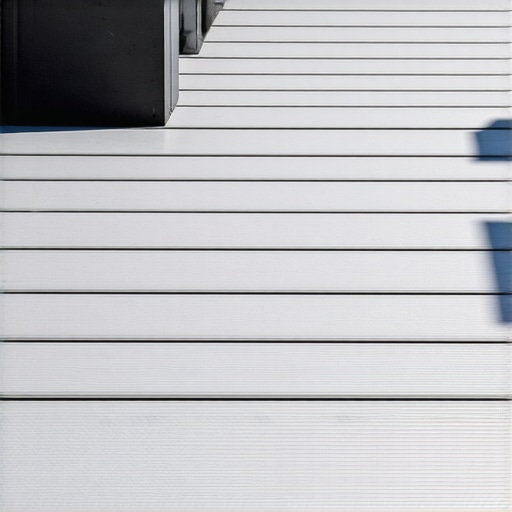
Control Thermal Expansion Before It Ruins Your Frame
Darker colors absorb more heat, which means your fascia is going to move more than you think. I learned this the hard way during a mid-July build in Charlotte. We installed long runs of dark fascia with tight butt joints. By 3 PM, the boards had expanded so much they buckled and pulled the screws right through the material. If you are using dark colors, you must understand why black composite decking burns your feet and how that heat affects the board length. You need to leave a gap at the ends to allow for this movement. Always pre-drill your holes slightly larger than the screw shank to let the board slide back and forth as the sun hits it. This prevents the board from ‘crowning’ or warping away from the joists. Learning how to stop composite deck boards from expanding into your siding starts with managing these perimeter transitions. Use two screws every 12 inches to keep the board flat, but don’t over-tighten them; you want the board held, not strangled. If you treat the fascia like a living, moving part of the house, it will stay crisp and straight for decades.Most builders will tell you to anchor your boards as if you are building a fortress, but I am here to tell you that over-fastening is the fastest way to see your deck buckle. In my years of troubleshooting, I have found that the ‘more screws is better’ mentality is actually a liability. When you drive long fasteners too deep, you often fall into the 3-inch screw mistake that ruins composite joists. This creates a rigid connection that does not account for the natural movement between the wood frame and the synthetic board. You have to remember: your frame is an organic material that shrinks and expands with moisture, while your boards react primarily to heat. When these two move in opposite directions, it leads to why your pressure-treated frame is pulling your composite apart, shearing screw heads and causing unsightly ‘volcanoing’ around the holes.
Stop Ignoring the Micro-Movement of Your Framing
A common trap I see is the assumption that gaps are purely for aesthetics. They aren’t. They are your deck’s ‘lungs.’ If you don’t use professional-grade spacers, or at least the cardboard spacer trick for consistent board gaps, you are inviting moisture to sit in the joints. This creates a capillary effect that sucks water into the joist tops. Research from the North American Decking and Railing Association (NADRA) indicates that over 80% of structural deck failures occur due to internal framing decay that was invisible from the surface. This is why pros have moved away from basic construction and toward better protection.
Is Joist Tape a Necessary Expense or Just Marketing Hype?
I used to think joist tape was a gimmick designed to squeeze more money out of homeowners. I was wrong. After performing the deck joist tape test on a ten-year-old tear-out, the difference was night and day. The joists covered in butyl tape looked brand new, while the uncovered ones were soft enough to poke a screwdriver through. This is especially critical if you notice why your composite deck feels spongy between joists; usually, it is not the board failing, but the wood underneath losing its grip on the fasteners. 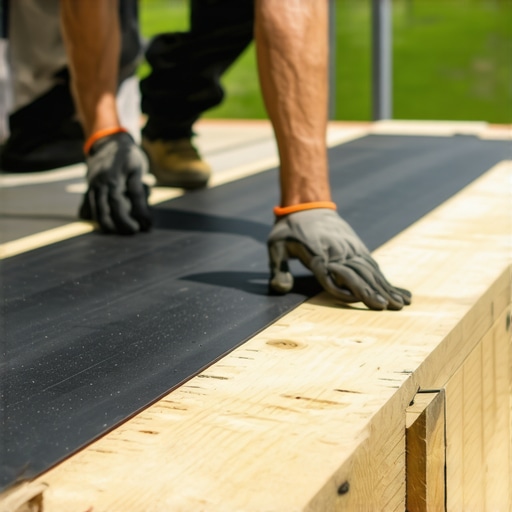
The Stability Secret for High-End Railings
Another advanced mistake is mounting railing posts only to the rim joist. If you want a rock-solid feel, you need to use the blocking trick that stops railing post wobble. By adding internal structural blocks behind the post, you transfer the leverage from the rim to the entire floor system. This is the hallmark of innovative deck design ideas for 2025 that focus on longevity and safety rather than just a quick install. Without this, your railing will eventually lean, no matter how expensive the hardware was. Have you ever fallen into this trap of over-fastening or skipping the internal blocking? Let me know in the comments.Even the best-built deck is only as good as the care it receives five years down the line. I’ve seen beautiful projects turn into headaches because the owner thought ‘low maintenance’ meant ‘zero maintenance.’ If you want that high-end look to last, you have to treat the material with respect.
Ditch the Pressure Washer Before You Regret It
One of the most painful sights in this industry is seeing a homeowner take a 3000 PSI pressure washer to their expensive boards. I can tell you from experience, why you should never use a pressure washer on composite. High-pressure water can actually tear the micro-fibers of the plastic-wood blend, creating permanent scars and opening the door for mold. Instead, I rely on a much gentler approach. In my own backyard, I use the vinegar and water mix that cleans composite better than chemicals. It’s cheap, safe for your landscaping, and won’t strip the UV-resistant coating off your boards. When winter hits, remember that metal shovels are the enemy; learning the best way to handle snow removal on composite decks involves using plastic-edged tools to avoid deep gouges that no amount of heat-gunning can fix.
How do I keep my composite deck from looking dull over the years?
The secret to a long-lasting shine isn’t a wax or a sealant—it’s preventing organic buildup. Pollen and dirt act like sandpaper under your feet. According to the technical specifications in the *ASTM D7032* standard, which governs the performance of wood-plastic composites, surface abrasion is one of the primary drivers of aesthetic degradation. I make it a habit to do a simple ‘soft-scrub’ twice a year. By following these composite decking secrets, you ensure the cap stock remains vibrant and resists the fading that often plagues cheaper, un-capped materials. 
The Precision Kit for a Professional Finish
If you’re moving from ‘weekend warrior’ to ‘expert builder,’ your tool bag needs an upgrade. You can’t rely on a bubble level for everything anymore. I’ve switched entirely to the simple tool for making sure your railing posts are plumb: a high-visibility green beam laser level. This is non-negotiable for long runs where even a sixteenth of an inch of lean becomes obvious once the top rail is installed. As we look toward the future, I see pergola trends shifting toward integrated technology, including smart-sensor louvers and built-in weather stations. The tools we use today are becoming more digital, allowing us to hit tolerances that were previously impossible. I challenge you to try just one of these advanced methods—start with the vinegar cleaning solution this weekend. You’ll be surprised how much better your deck looks when you stop over-complicating the maintenance.
Why I Stopped Trying to Make Everything Match
- The Bloated Look: My first deck looked twice its actual size and lacked any architectural definition because I didn’t use a contrasting border to break up the plane.
- Heat is a Silent Killer: I used to ignore the thermal expansion of dark boards until I saw a fascia board pop its screws in mid-August because I didn’t leave a proper gap.
- The 1-Inch Shadow: Adding that slight overhang was the cheapest upgrade I ever made that actually made guests ask if I hired an architect.
- Trust the Tape: I will never build another frame without protecting the joists; it is the difference between a 10-year deck and a 30-year legacy.
The Professional Gear I Use Every Single Day
If you want to move beyond basic DIY, you need more than just a hammer and a saw. I personally rely on the NADRA safety checklists for every structural inspection to ensure I am not missing signs of fatigue or rot. For installation, a high-visibility green laser is my best friend for setting perfectly plumb railing posts. I also keep a stash of spacers in my pocket because consistency is what separates a professional build from a weekend project. For long-term care, ditch the expensive chemicals and stick to the simple vinegar and water method to keep your boards looking fresh without damaging the finish.
Turn Your Outdoor Vision Into a Reality
Building a deck is about more than just increasing your square footage; it is about creating a space where memories are framed by thoughtful design. Whether you are leaning into composite decking trends or sticking to classic aesthetics, do not be afraid to experiment with contrast. A bold fascia and a sharp shadow line can transform a simple platform into a stunning architectural feature. It is your turn to take these innovative deck design ideas and make them your own. Are you planning to use a contrasting fascia color, or do you prefer the monochromatic look? Let me know in the comments below!