
I spent the better part of a decade thinking I was a master craftsman until a bone-dry July afternoon proved me wrong. I walked out onto my porch with a cold drink, and *screech*—the second step let out a groan that could wake the neighbors. I was baffled because the day before, during a heavy rainstorm, those same stairs were as silent as a tomb. I felt like the [stunning deck design strategies](https://deckforgebuilders.com/transform-your-home-with-stunning-deck-design-strategies) I had worked so hard on were laughing at me. If you have ever found yourself tip-toeing across your own stairs to avoid a noisy greeting from your lumber, you are definitely not alone. I am going to share exactly why this happens and how I eventually silenced my own stairs after years of trial and error. We are going to dig into the physics of wood friction and the simple adjustments that can restore your peace and quiet. Have you noticed your stairs getting louder during a heatwave? Drop a comment and tell me if yours only act up when the humidity vanishes.
The Physics of Why Dry Wood Screams
I used to think that a squeak meant something was broken. I even made the rookie mistake of hammering in extra nails, which actually made the problem much worse. The reality is that wood is a hygroscopic material, meaning it constantly breathes moisture in and out. According to the USDA Forest Service’s Forest Products Laboratory, wood can shrink or swell significantly across its grain as it loses moisture to the surrounding air. When your deck dries out, the wood fibers pull away from your fasteners. This creates tiny gaps where the board can now rub against a nail or a joist. That high-pitched chirp is just the sound of two dry surfaces vibrating against each other. If you are using [low-maintenance composite decking](https://deckforgebuilders.com/maximize-outdoor-living-with-low-maintenance-composite-decking), you might face fewer issues with the boards themselves, but the underlying pressure-treated frame is still susceptible to this dry-weather shrinkage. When the rain returns, the wood swells back up, clamping down on those nails and silencing the friction.
Does a little noise actually mean your deck is falling apart?
It is easy to panic and think your stairs are about to collapse, but usually, a dry-weather squeak is an aesthetic nuisance rather than a structural emergency. However, it is a great time to check if you have [rock-solid stair headers](https://deckforgebuilders.com/the-simple-bracket-move-for-rock-solid-stair-headers) or if things have loosened up over the years. I remember being convinced my frame was rotting, but a quick inspection showed everything was sound; it was just the wood “shrinking away” from the fasteners. If the noise is accompanied by a bouncy feeling, you might be dealing with [structural fatigue](https://deckforgebuilders.com/how-to-test-your-deck-for-structural-fatigue) rather than just a dry squeak. For most of us, though, it is just nature’s way of telling us it is time for a little maintenance. Understanding [why your deck stairs are squeaking](https://deckforgebuilders.com/why-your-deck-stairs-are-squeaking-and-the-fast-fix) is the first step toward a permanent fix that does not involve a sledgehammer.
Pinpointing the Source of the Friction
Finding a squeak is like hunting a cricket in a dark basement; as soon as you get close, it seems to move. I learned the hard way that you cannot just stand on the stairs and guess. I once recruited my youngest son to jump on the treads while I crawled underneath with a headlamp—a move that ended with a face full of cobwebs but finally revealed the culprit. The sound usually comes from three places: the tread rubbing against the stringer, the riser rubbing against the tread, or a loose fastener vibrating in its hole. If you have already invested in stunning deck design strategies, you do not want the first impression for guests to be a noisy one.
Stop the Rub with a Simple Household Item
Before you start ripping boards out, try a lubricant. It sounds counterintuitive for wood, but it works. I found that a dry lubricant or even the soap slippage method for pulling composite boards tight can work wonders on traditional wood stairs too. By applying a bit of dry silicone spray or rubbing a bar of paraffin wax into the joints where the tread meets the stringer, you create a microscopic buffer. This stops the wood-on-wood grinding that happens when the boards shrink. This is not a permanent structural fix, but it is the fastest way to regain your peace during a dry spell. 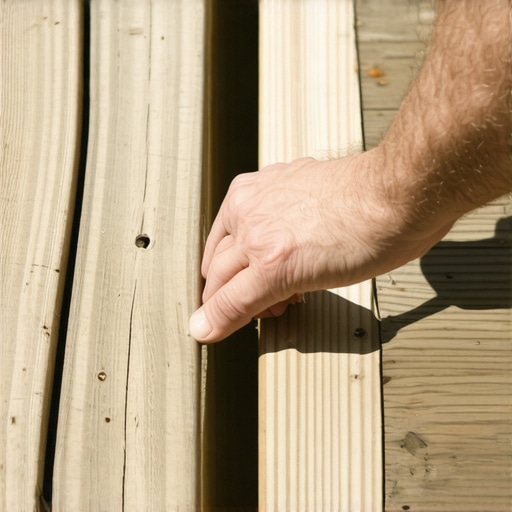
Why You Should Swap Nails for Structural Screws
If the lubrication does not work, your fasteners have likely walled out their holes. When I built my first deck, I used a framing nailer for everything because it was fast. That was a massive mistake. Nails have smooth shanks, and when the wood dries and shrinks, they act like little pistons. You need the mechanical grip of a screw to pull the wood back into a permanent hug. However, avoid the 3-inch screw mistake that ruins composite joists by ensuring you are using the right gauge and length for your specific material. Driving a structural screw at a slight angle through the stringer and into the tread—a technique called toe-screwing—will often pull the components tight enough to eliminate any vibration.
Ensure Your Frame Is Not the Real Problem
Sometimes the noise is a symptom of a larger structural shift rather than just surface friction. If your stairs feel a bit bouncy, you might need to look at how they are anchored. I have seen countless decks where the stairs are just hanging there without proper support. Opting for 6×6 posts rather than 4x4s can provide a more stable foundation that resists the twisting and warping that leads to noise. You should also verify you have rock-solid stair headers. If the header is pulling away from the rim joist as it dries, the entire stair stringer will move every time you step on it. A few heavy-duty tension ties or specialized brackets can turn a rickety, noisy staircase into something that feels like it was carved out of solid granite.
The industry has sold us a dream that low-maintenance composite decking is a set-it-and-forget-it solution. In my years on the job, I have found that is a dangerous oversimplification. While the boards themselves will not rot, they are far more unforgiving of poor framing than traditional lumber. Most homeowners do not realize that composite materials expand and contract significantly more along their length than wood does. If you do not follow the expansion gap rule that stops boards from buckling, those beautiful, expensive boards will eventually warp and pop their fasteners, leading to the same noisy, unstable mess we were trying to avoid with our stairs. This is why a deck that was silent in April might sound like a percussion section by August.
Why Do Most Composite Decks Feel Like a Trampoline?
One of the most frequent complaints I hear from clients is about a bouncy or soft feel underfoot. People often blame the material, but the culprit is almost always the joist spacing. While 16 inches on center is the standard for wood, high-performance composites often require 12-inch spacing to feel truly solid. This is especially true if you are planning for heavy loads, so knowing the joist spacing secret for decks with heavy ceramic planters is vital before you lay the first plank. According to the North American Deck and Railing Association (NADRA), structural failure often begins at the connection points, and composite decks are particularly sensitive to joist roll if not blocked correctly. If your joists are twisting just a fraction of an inch, your stairs will groan every time you put weight on them. 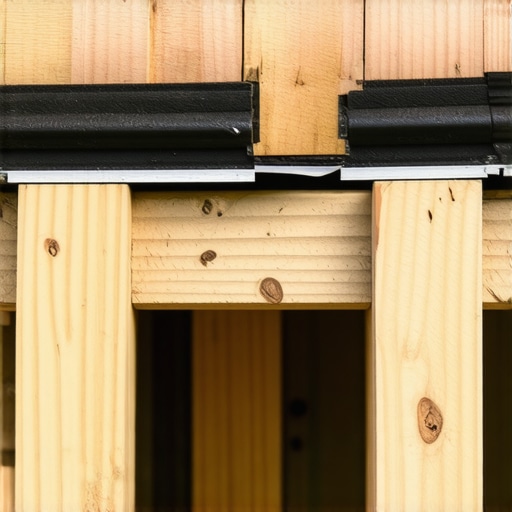 One of the biggest oops moments I see involves the obsession with a clean look. Everyone wants the surface to be smooth, but why hidden fasteners can be a maintenance nightmare is something few contractors tell you upfront. If a board in the middle of your deck gets damaged or starts to squeak because of frame shrinkage, you might have to pull up half the deck just to reach the culprit. When it comes to custom railing systems for safety and style, the mistake is rarely the material; it is the post-to-frame connection. A wobbly railing is usually a sign that the installer skipped the internal blocking, which is even more critical when the wood dries out and creates gaps. The same applies to shade structures; understanding why your pergola needs knee braces is a lesson in lateral stability that most DIY kits completely ignore. Before you dive into your next project, remember that the frame is the heart of the deck. I always recommend the flashing tape move that doubles the life of your joists. This simple barrier prevents the trapped moisture that leads to the very rot and friction we have been discussing. Have you ever fallen into this trap where a maintenance-free promise turned into a weekend of repairs? Let me know in the comments.
Precision Tools That Saved My Sanity
I used to rely on a tattered tape measure and a ‘good enough’ eye, but experience is a brutal teacher. Now, my toolkit is less about brute force and more about surgical precision. One of the biggest shifts in my workflow was embracing digital planning before I ever touched a saw. In fact, why you need a 3d model before buying a single deck board isn’t just about the visual—it is about catching joist collisions and stair-math errors before they cost you a thousand dollars in wasted lumber. When I am on-site, I never leave my truck without the simple tool for making sure your railing posts are plumb. A standard level is fine for a fence, but for custom railing systems for safety and style, a digital angle finder or a dedicated post-level ensures that your lines look laser-straight from across the yard. Even if you are tackling a freestanding pergola, that precision prevents the subtle lean that eventually leads to structural failure.
How do I keep my outdoor space from falling apart over time?
Maintenance is where most homeowners lose the battle, but it does not have to be a grueling chore. I always tell my clients to focus on the ‘wet spots.’ This means checking the gaps between boards to ensure airflow is not restricted. If you want the real composite decking secrets for longevity, it comes down to a soft-bristle brush and a mild detergent twice a year—never a pressure washer, which can etch the surface of capped polymers. For those with modern cable setups, learning how to tension cable railings without specialized expensive tools can save you a service call every time the seasons change and the metal expands. According to the American Wood Council’s Design for Code Acceptance (DCA) 6, the most critical failure point is the ledger connection; I make it a habit to perform the 15-minute deck inspection every homeowner should do at the start of every spring. 
The Next Decade of Outdoor Living
I predict we are moving toward ‘smart decks’ that do more than just sit there. We are already seeing moisture-sensing tape and integrated lighting systems that can be controlled via smartphone to highlight innovative deck design ideas after the sun goes down. The materials are getting smarter, too, with heat-reflective technology becoming the standard for any low-maintenance composite decking used in full-sun environments. We are nearing the end of the ‘wood-only’ era as homeowners prioritize structures that work for them, rather than the other way around. If you want to stay ahead of the curve, I highly recommend you try this specific 15-minute inspection this weekend—it is the fastest way to catch a small problem before it becomes a structural nightmare.
What Experts Won’t Tell You About Maintaining a Quiet Deck
Over the years, I have realized that a silent deck is less about the expensive materials on top and more about how the frame is allowed to breathe. One major lightbulb moment was discovering that friction is the enemy, not the wood itself. If you provide enough space for expansion, the noise often disappears on its own. I also learned that why pressure-treated wood still needs maintenance under composite is the single most ignored rule in the industry. Even the most expensive boards will groan if the timber beneath them is allowed to dry out and warp unchecked. Finally, I stopped chasing every individual chirp and started focusing on the foundations; once I understood the secret to a perfectly square deck frame, I found that my stairs naturally stayed tighter and quieter through every season.
The Only Resources You Need to Build Better
If you are tired of guessing where that next squeak will come from, I recommend moving toward a more data-driven approach to your backyard. First, never start a project without a digital blueprint; why you need a 3d model before buying a single deck board is a lesson in preventing structural collisions before they happen. For physical maintenance, I swear by the 15-minute deck inspection every homeowner should do at the start of every summer. It catches the loose fasteners that dry weather inevitably creates. Lastly, for those finishing a new build, using the simple tool for making sure your railing posts are plumb ensures that your entire structure stays rigid, which is the best defense against long-term noise issues.
Start Your Journey Toward a Better Backyard
Building and maintaining a deck is a marathon, not a sprint. It is a process of learning how your specific environment interacts with the materials you have chosen. Whether you are dealing with a minor annoyance or planning a full renovation, remember that knowledge is your most powerful tool. Don’t let a noisy step keep you inside this summer. By applying the right techniques and understanding why your deck stairs are squeaking and the fast fix, you can reclaim your peace and quiet. Have you ever tried a ‘quick fix’ for a squeaky stair that actually made the problem ten times louder? Let me know in the comments below!