
I was flipping burgers for the neighborhood block party last July when I felt it—a subtle, sickening sway beneath my feet. I had spent all spring obsessing over innovative deck design ideas but had completely ignored the skeleton holding us all up. It was a wake-up call that hit me right in the pit of my stomach. We often focus on the pretty stuff, like whether we should choose a specific color for a white house, while the structural integrity quietly degrades behind the scenes. Today, I want to walk you through the exact 15-minute routine I developed after that scare. This isn’t about being a professional contractor; it is about being a smart homeowner who knows where to look. We are going to cover the big three: the ledger, the posts, and the connections. By the time we are done, you will know exactly how to test your deck for structural fatigue without needing a degree in engineering.
Is a 15-Minute Inspection Really Enough?
You might think a quarter-hour is too short to find real trouble. I used to think the same thing until I realized that 90% of deck failures happen at the ledger board or the stairs. I made a massive mistake early on by ignoring why my deck stairs felt bouncy for two whole summers. I told myself the wood was just settling, but in reality, the hangers were pulling away. According to data from the North American Deck and Railing Association (NADRA), there are over 60 million decks in the U.S., and nearly half are past their useful life. A quick check is infinitely better than no check at all. Have you ever felt a soft spot on your boards and just hoped it would go away?
That Scary Moment My Deck Actually Moved
When my deck swayed that afternoon, I realized I had not even performed the most basic 10-minute flashlight test for finding hidden ledger rot in years. The ledger board is the most critical point of failure. If that connection to your house fails, the whole thing goes down. I had committed the classic ledger board error that causes house leaks, which eventually led to soft wood. It was a humbling moment for someone who prides themselves on a great outdoor space. We will look at how to spot these red flags before they become structural nightmares.
Stop the Separation at the House Wall
The ledger board is basically the umbilical cord of your deck. If it detaches, the party is over—literally. I remember helping my neighbor, Dave, check his ten-year-old cedar deck last autumn. From the top, it looked pristine, but when we went underneath with a high-powered beam, we performed the 10-minute flashlight test for finding hidden ledger rot. We found that water had been seeping behind the flashing for years because of the ledger board error that causes house leaks. The wood was so soft I could push a screwdriver an inch into the grain with zero effort. You need to look for any gap between the house and the deck; if you see light or a widening crack, you are looking at a structural emergency. 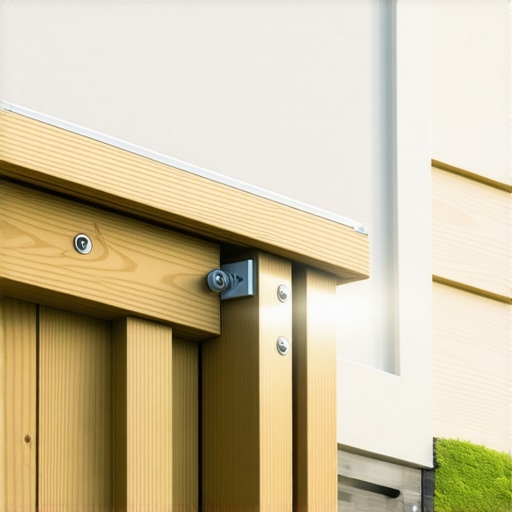
Stop the Bounce Before it Becomes a Break
Once you know the house connection is solid, move your focus to the joists. Think of joists as the ribs of your deck. If they are spaced too far apart, especially with modern materials, you will notice a springy sensation. This is often why your composite deck feels spongy between joists. I once worked on a project where the previous builder used 24-inch spacing for composite boards that required 16-inch centers. Every step felt like walking on a trampoline. To fix this without a total teardown, you can often employ the framing move that stops deck boards from bouncing, which usually involves adding mid-span blocking to stiffen the entire grid. While you are under there, look for ‘shaggy’ wood or white fuzzy growth—that is fungus eating your investment.
The Shake Test for Railing Safety
Railings are not just decorative trim; they are life-saving barriers. A railing system is only as strong as its weakest post. When I was first learning the ropes, I installed a beautiful set of black aluminum balusters but forgot to reinforce the base. One good lean from a guest and the whole section wobbled six inches. I had to go back and use the blocking trick that stops railing post wobble, which involves sandwiching the post between solid wood blocks tied directly into the joists. If you can move your railing post more than an inch with a firm hand-shake, it is not safe.
Ensure Your Posts Are Not Leaning
Gravity is a patient enemy. Over time, soil shifts and footings can sink, leading to a deck that looks like it is sliding down a hill. You should regularly use the simple tool for making sure your railing posts are plumb—a basic level. If things are out of alignment, it might be a sign of a failing beam. Fortunately, the simple way to fix a sagging deck beam often involves installing a new support post or jack, provided you catch the movement before the wood cracks. When you how to select the perfect railing system for every deck, always prioritize the mounting hardware over the aesthetics of the rails themselves.While checking for rot is vital, I’ve seen just as many homeowners fail because they bought into the ‘maintenance-free’ marketing hype. People often jump into low-maintenance composite decking assuming they can treat it like concrete. In reality, I’ve watched $20,000 investments get ruined because someone didn’t know why you should never use a pressure washer on composite. The high pressure can actually delaminate the protective cap, leaving the core vulnerable to the elements. You aren’t just cleaning the board; you are effectively stripping its armor.
Why Hidden Fasteners Might Be Your Worst Enemy
One of the most common high-level mistakes is choosing aesthetics over access. Everyone loves the look of a clean surface, but why hidden fasteners can be a maintenance nightmare becomes clear the moment you need to replace a single damaged board in the middle of your layout. You often end up having to work backward from the edge, wasting hours on a ten-minute job. It’s a classic trap for those who value ‘sleek’ over ‘serviceable.’ In my years of building, I have found that a high-quality color-matched screw is often the smarter long-term play for accessibility.
Why is your composite decking crowning even with proper spacing?
It’s a question I get from DIYers who followed the manual to a T. According to research from the Forest Products Laboratory, the thermal expansion coefficient of wood-plastic composites is much higher than natural wood. If you didn’t follow the expansion gap rule that stops boards from buckling, the boards have nowhere to go but up. This is usually why your composite boards are crowning—it’s literally the material fighting itself for space because it cannot expand horizontally. 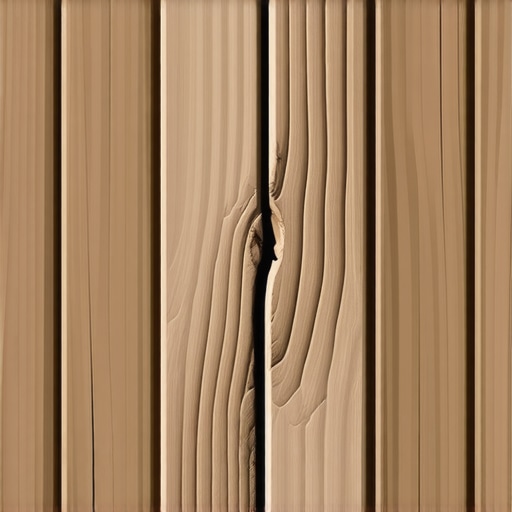
Save Your Pergola Before the First Storm Hits
The same logic applies to overhead structures. A beautiful garden feature can quickly become a liability if you ignore the physics of wind load. The structural reason your pergola is leaning is almost always a lack of lateral bracing. Many builders skip the ‘ugly’ diagonal supports, but why your pergola needs knee braces becomes painfully obvious during a 40-mph wind gust. If you want a cleaner look without the bulk, I always recommend using the notched rafter secret for a pergola that never wobbles. This mechanical connection provides rigidity that screws alone simply can’t match. Have you ever fallen into this ‘pretty but flimsy’ trap? Let me know in the comments.If you want to keep your structure from swaying, it is not just about the initial build; it is about the kit you keep in your garage. I have ditched the expensive, harsh store-bought cleaners entirely. Instead, I rely on the vinegar and water mix that cleans composite better than chemicals. It’s gentle enough not to eat through your spacers but acidic enough to kill the spores that hide in the grain. I also never step onto my deck for an inspection without a high-quality digital level. Using the simple tool for making sure your railing posts are plumb saves me from the ‘optical illusion’ effect where a house’s siding makes the deck look straight when it is actually leaning two degrees toward the yard. When it comes to the hardware, I’ve learned the hard way that size matters. I once saw a DIYer use standard deck screws for structural framing, but avoiding the 3-inch screw mistake that ruins composite joists is what separates a deck that lasts thirty years from one that sags in five. 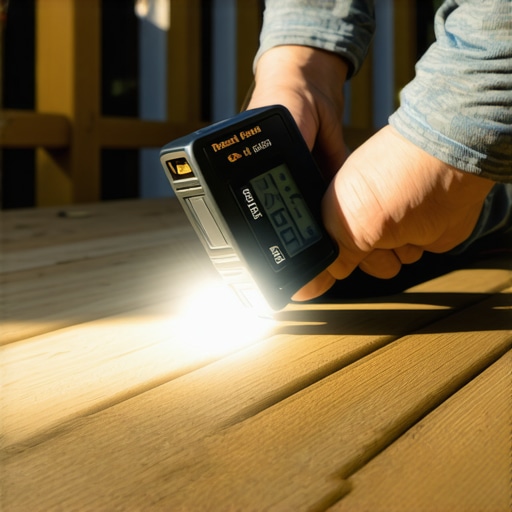
How do I keep my deck looking new for a decade?
The secret isn’t a magic coating; it’s consistency and small adjustments. I recommend a seasonal walk-through where you specifically look at the runoff. If you see water pooling, you need to apply the 15-degree cut that keeps water off your pergola beams to ensure moisture doesn’t sit and rot the wood from the top down. For those with modern aesthetics, you can learn how to tension cable railings without specialized expensive tools by using a simple turnbuckle system. This keeps your view clear and your safety standards high without a massive investment. According to the Journal of Light Construction (JLC), the use of lateral load connectors like the DTT2Z tension tie is now a non-negotiable for modern code compliance, as they provide the necessary resistance to pull-away forces that standard bolts can’t match. Looking toward the future, I predict we will see ‘smart’ decks integrated with moisture sensors embedded in the joists to alert homeowners of leaks before rot even begins. For now, sticking to composite decking secrets and longevity tips will keep your sanctuary solid. If your deck feels even slightly off, I challenge you to go under there this weekend with a flashlight and check your ledger flashing. It’s the one move that could save your entire investment.I was flipping burgers for the neighborhood block party last July when I felt it—a subtle, sickening sway beneath my feet. I had spent all spring obsessing over innovative deck design ideas but had completely ignored the skeleton holding us all up. It was a wake-up call that hit me right in the pit of my stomach. We often focus on the pretty stuff, like whether we should choose a specific color for a white house, while the structural integrity quietly degrades behind the scenes. Today, I want to walk you through the exact 15-minute routine I developed after that scare. This isn’t about being a professional contractor; it is about being a smart homeowner who knows where to look. We are going to cover the big three: the ledger, the posts, and the connections. By the time we are done, you will know exactly how to test your deck for structural fatigue without needing a degree in engineering.
Is a 15-Minute Inspection Really Enough?
You might think a quarter-hour is too short to find real trouble. I used to think the same thing until I realized that 90% of deck failures happen at the ledger board or the stairs. I made a massive mistake early on by ignoring why my deck stairs felt bouncy for two whole summers. I told myself the wood was just settling, but in reality, the hangers were pulling away. According to data from the North American Deck and Railing Association (NADRA), there are over 60 million decks in the U.S., and nearly half are past their useful life. A quick check is infinitely better than no check at all. Have you ever felt a soft spot on your boards and just hoped it would go away?
That Scary Moment My Deck Actually Moved
When my deck swayed that afternoon, I realized I had not even performed the most basic 10-minute flashlight test for finding hidden ledger rot in years. The ledger board is the most critical point of failure. If that connection to your house fails, the whole thing goes down. I had committed the classic ledger board error that causes house leaks, which eventually led to soft wood. It was a humbling moment for someone who prides themselves on a great outdoor space. We will look at how to spot these red flags before they become structural nightmares.
Stop the Separation at the House Wall
The ledger board is basically the umbilical cord of your deck. If it detaches, the party is over—literally. I remember helping my neighbor, Dave, check his ten-year-old cedar deck last autumn. From the top, it looked pristine, but when we went underneath with a high-powered beam, we performed the 10-minute flashlight test for finding hidden ledger rot. We found that water had been seeping behind the flashing for years because of the ledger board error that causes house leaks. The wood was so soft I could push a screwdriver an inch into the grain with zero effort. You need to look for any gap between the house and the deck; if you see light or a widening crack, you are looking at a structural emergency.
Stop the Bounce Before it Becomes a Break
Once you know the house connection is solid, move your focus to the joists. Think of joists as the ribs of your deck. If they are spaced too far apart, especially with modern materials, you will notice a springy sensation. This is often why your composite deck feels spongy between joists. I once worked on a project where the previous builder used 24-inch spacing for composite boards that required 16-inch centers. Every step felt like walking on a trampoline. To fix this without a total teardown, you can often employ the framing move that stops deck boards from bouncing, which usually involves adding mid-span blocking to stiffen the entire grid. While you are under there, look for ‘shaggy’ wood or white fuzzy growth—that is fungus eating your investment.
The Shake Test for Railing Safety
Railings are not just decorative trim; they are life-saving barriers. A railing system is only as strong as its weakest post. When I was first learning the ropes, I installed a beautiful set of black aluminum balusters but forgot to reinforce the base. One good lean from a guest and the whole section wobbled six inches. I had to go back and use the blocking trick that stops railing post wobble, which involves sandwiching the post between solid wood blocks tied directly into the joists. If you can move your railing post more than an inch with a firm hand-shake, it is not safe.
Ensure Your Posts Are Not Leaning
Gravity is a patient enemy. Over time, soil shifts and footings can sink, leading to a deck that looks like it is sliding down a hill. You should regularly use the simple tool for making sure your railing posts are plumb—a basic level. If things are out of alignment, it might be a sign of a failing beam. Fortunately, the simple way to fix a sagging deck beam often involves installing a new support post or jack, provided you catch the movement before the wood cracks. When you how to select the perfect railing system for every deck, always prioritize the mounting hardware over the aesthetics of the rails themselves.While checking for rot is vital, I’ve seen just as many homeowners fail because they bought into the ‘maintenance-free’ marketing hype. People often jump into low-maintenance composite decking assuming they can treat it like concrete. In reality, I’ve watched $20,000 investments get ruined because someone didn’t know why you should never use a pressure washer on composite. The high pressure can actually delaminate the protective cap, leaving the core vulnerable to the elements. You aren’t just cleaning the board; you are effectively stripping its armor.
Why Hidden Fasteners Might Be Your Worst Enemy
One of the most common high-level mistakes is choosing aesthetics over access. Everyone loves the look of a clean surface, but why hidden fasteners can be a maintenance nightmare becomes clear the moment you need to replace a single damaged board in the middle of your layout. You often end up having to work backward from the edge, wasting hours on a ten-minute job. It’s a classic trap for those who value ‘sleek’ over ‘serviceable.’ In my years of building, I have found that a high-quality color-matched screw is often the smarter long-term play for accessibility.
Why is your composite decking crowning even with proper spacing?
It’s a question I get from DIYers who followed the manual to a T. According to research from the Forest Products Laboratory, the thermal expansion coefficient of wood-plastic composites is much higher than natural wood. If you didn’t follow the expansion gap rule that stops boards from buckling, the boards have nowhere to go but up. This is usually why your composite boards are crowning—it’s literally the material fighting itself for space because it cannot expand horizontally.
Save Your Pergola Before the First Storm Hits
The same logic applies to overhead structures. A beautiful garden feature can quickly become a liability if you ignore the physics of wind load. The structural reason your pergola is leaning is almost always a lack of lateral bracing. Many builders skip the ‘ugly’ diagonal supports, but why your pergola needs knee braces becomes painfully obvious during a 40-mph wind gust. If you want a cleaner look without the bulk, I always recommend using the notched rafter secret for a pergola that never wobbles. This mechanical connection provides rigidity that screws alone simply can’t match. Have you ever fallen into this ‘pretty but flimsy’ trap? Let me know in the comments.If you want to keep your structure from swaying, it is not just about the initial build; it is about the kit you keep in your garage. I have ditched the expensive, harsh store-bought cleaners entirely. Instead, I rely on the vinegar and water mix that cleans composite better than chemicals. It’s gentle enough not to eat through your spacers but acidic enough to kill the spores that hide in the grain. I also never step onto my deck for an inspection without a high-quality digital level. Using the simple tool for making sure your railing posts are plumb saves me from the ‘optical illusion’ effect where a house’s siding makes the deck look straight when it is actually leaning two degrees toward the yard. When it comes to the hardware, I’ve learned the hard way that size matters. I once saw a DIYer use standard deck screws for structural framing, but avoiding the 3-inch screw mistake that ruins composite joists is what separates a deck that lasts thirty years from one that sags in five.
How do I keep my deck looking new for a decade?
The secret isn’t a magic coating; it’s consistency and small adjustments. I recommend a seasonal walk-through where you specifically look at the runoff. If you see water pooling, you need to apply the 15-degree cut that keeps water off your pergola beams to ensure moisture doesn’t sit and rot the wood from the top down. For those with modern aesthetics, you can learn how to tension cable railings without specialized expensive tools by using a simple turnbuckle system. This keeps your view clear and your safety standards high without a massive investment. According to the Journal of Light Construction (JLC), the use of lateral load connectors like the DTT2Z tension tie is now a non-negotiable for modern code compliance, as they provide the necessary resistance to pull-away forces that standard bolts can’t match. Looking toward the future, I predict we will see ‘smart’ decks integrated with moisture sensors embedded in the joists to alert homeowners of leaks before rot even begins. For now, sticking to composite decking secrets and longevity tips will keep your sanctuary solid. If your deck feels even slightly off, I challenge you to go under there this weekend with a flashlight and check your ledger flashing. It’s the one move that could save your entire investment.
What Experts Won’t Tell You About Long-Term Decking
I used to think a beautiful top layer meant everything was fine underneath. That was my first mistake. My biggest lightbulb moment came when I realized that composite decking secrets and longevity tips aren’t just about the surface; they are about the frame’s ability to breathe and the quality of the hidden infrastructure. I also learned that ‘over-building’ is the only way to truly sleep during a storm. Choosing 6×6 posts instead of 4x4s provides a level of stability you can actually feel when you walk across the boards. Most importantly, I learned that a squeak isn’t just a noise—it is a signal that a fastener has lost its grip and tension is shifting.
The Gear That Lives in My Toolbelt
You don’t need a truck full of equipment to keep your sanctuary safe, but a few specific tools are non-negotiable. I always keep a high-quality digital level in my kitchen drawer for quick alignment checks. If you are looking for more aesthetic guidance, I highly recommend checking out the complete guide to choosing railing systems for safety and style to ensure your barriers look as good as they perform. For those planning a total backyard overhaul, I often browse pergola design inspiration from modern to classic looks to see how professionals integrate heavy structural timbers with light, airy designs. And don’t forget a simple 100-pack of joist tape; it is the cheapest insurance policy you will ever buy for your framing.
Taking the First Step Toward Your Safe Haven
Your deck is more than just wood and screws; it is the stage for your family’s summer stories and quiet morning coffees. Ensuring its longevity is the most important maintenance task you will perform this year. If you are starting a new project or renovating an old one, remember to use the 2-degree slope secret for dry under deck storage to maximize your usable space while protecting your underlying framing from moisture. Don’t wait for a scary moment or a structural sway to take action. Grab a flashlight this weekend and take a look at your ledger. #IMAGE_PLACEHOLDER_E# Have you ever noticed a soft spot or a strange wobble that made you second-guess your deck’s safety? Let me know in the comments below!