
I remember a Tuesday morning three years ago. It was fifteen degrees outside, the kind of biting cold that makes your joints ache and the wood under your feet groan. I stepped out to clear a light dusting of snow when I heard it—a sharp, metallic ping. Then another. It sounded like a tiny, invisible ghost was firing a staple gun in my backyard. When I knelt down near the rim joist, I saw the heads of three deck screws lying on the patio like spent shell casings. My heart sank. I had spent all summer building that space, and now it was literally snapping under the pressure of a winter chill. If you have walked outside to find your boards lifting or found headless screws littering your yard, you are not alone. It is a frustrating, expensive problem, but it is one we can definitely solve together. Today, I am going to share exactly why this happens and how you can stop your hardware from failing when the mercury dives.
Stop Your Deck from Self-Destructing Every Winter
It turns out, I had made a classic rookie mistake during that build. I thought a “deck screw” was a universal tool. I did not account for the physics of thermal contraction. Metal and wood do not play by the same rules when they get cold. While your wood or composite decking is shifting and shrinking, the metal in your screws is becoming more brittle. This combination creates a shearing force that most standard exterior fasteners simply cannot handle. This is often the primary reason why your deck boards are popping up at the ends once the first deep freeze hits. Metallurgists call this “low-temperature embrittlement.” According to the American Society for Testing and Materials (ASTM), certain carbon steels lose their ductility rapidly below freezing, making them prone to brittle fracture under even minor loads. Have you ever found a snapped screw head on your patio after a big freeze? I would love to hear if this is happening in your neck of the woods!
Is your hardware actually rated for these temperatures?
Early in my career, I used to over-drive every screw, thinking that making them “extra tight” was the hallmark of a pro. In reality, I was pre-stressing the metal. When winter came, those over-tightened screws had zero room to move. You need to ensure you are following the expansion gap rule to give your materials breathing room. If you are worried about your current setup, I highly recommend performing the 15-minute deck inspection every homeowner should do before the next snowstorm. It might just save you from a complete hardware overhaul come springtime. We are going to dive into the specific screw types that actually survive the frost next.To keep your deck from coming apart when the ground freezes, you have to stop treating your fasteners like static objects. Think of your deck as a living thing that needs to inhale and exhale. When you use standard carbon steel screws, you are basically trying to hold a moving beast with a brittle glass chain. Instead, you need hardware that can flex.
Swap Carbon Steel for Stainless Before the Next Freeze
If you live in a climate where the temperature swings forty degrees in a single day, stainless steel is your best friend. While carbon steel is strong, it is also stiff. Under extreme cold, it loses its ability to bend and simply shears off. Stainless steel screws, specifically 305 or 316 grade, act like a willow branch in a storm; they have enough ductility to give a little when the wood shrinks. I learned this the hard way during the ‘Cedar Splitting Incident’ of 2018. I was rushing to finish a wraparound porch before a Nor’easter hit and used some leftover zinc-coated screws I had in the truck. By February, I was back out there with a magnet and a bucket, picking up heads that had popped off like champagne corks. Now, I never build without stainless, especially when working with high-end composite decking.
Drill Twice to Save the Wood Once
One of the most common reasons for failure is driving a screw too close to the end of a board without a pilot hole. This creates internal tension. When the wood dries out and shrinks in the winter, that tension turns into a crack. You should always pre-drill, especially if you are trying to avoid why your deck boards are popping up at the ends. A pilot hole should be about 75% of the diameter of the screw shank. This allows the threads to bite into the wood without forcing the fibers apart like a wedge. If you are worried about the look, the drill guide hack for centered baluster holes can actually be adapted for your deck boards to keep everything perfectly aligned and structurally sound.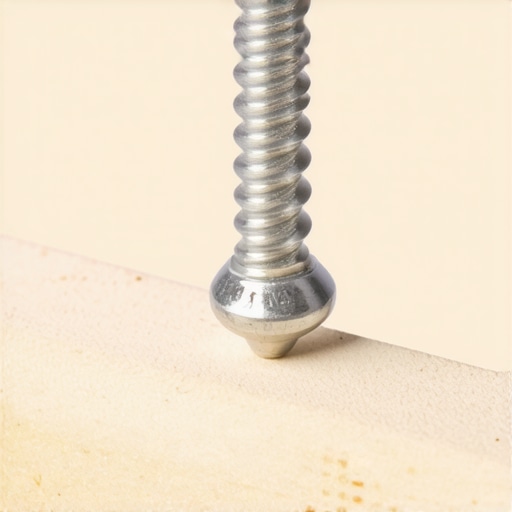
Don’t Over-Drive Your Fasteners
When you sink a screw head too deep, you create a tiny wooden cup that holds water. That water freezes, expands, and puts immense upward pressure on the fastener. I always set my impact driver to a lower torque setting or use a depth-setting bit. You want the head of the screw to be flush with the surface—not buried. If you are using composite, avoid the 3-inch screw mistake that ruins composite joists by selecting a screw specifically designed with reverse threads to prevent ‘mushrooming.’ This keeps the board tight to the joist without creating a stress point.
Give Your Boards Room to Breathe
If you jam your boards tight against each other, they have nowhere to go but up when they expand. You must follow the expansion gap rule religiously. I recommend using a 3/16 inch gap for most installs. While hidden fasteners look great, be aware of why hidden fasteners can be a maintenance nightmare in extreme climates; sometimes a traditional face-screw method with the right gapping is more reliable. Finally, always apply the flashing tape move to your joists before the boards go down. This prevents the wood around the screw from rotting, ensuring the fastener has a solid grip for decades, not just seasons. Check your progress with the 15-minute deck inspection every homeowner should do before the first snowflake falls.Most homeowners think that once they have invested in premium boards, the hard work is over. But here is the contrarian truth: your expensive composite is only as good as the framing beneath it. In fact, many people mistakenly believe that ‘maintenance-free’ applies to the entire structure, yet why pressure-treated wood still needs maintenance under composite is the most overlooked part of outdoor longevity. If you do not protect those joists, you are essentially putting a tuxedo on a skeleton that is destined to rot. I have inspected decks where the surface looked pristine, but the frame was so soft you could push a finger through the wood like a sponge. This is why I always insist on using the flashing tape move to seal every horizontal surface before the first board is laid. This creates a waterproof barrier that prevents the ‘tea-steeping’ effect where water sits between the board and the joist.
Why does your brand-new composite deck still feel like a trampoline?
It is a common frustration for homeowners who switch from traditional timber to synthetic materials. They often stick to the standard 16-inch joist spacing, but composite material is naturally more flexible and less rigid than natural wood. This results in why your composite deck feels like a trampoline when you walk across it. To achieve a ‘rock-solid’ feel, you need to tighten the skeleton. According to the North American Decking and Railing Association (NADRA), structural failure is often a cumulative process of small oversights rather than a single event. For a truly professional result, I recommend following the joist spacing secret for decks with heavy ceramic planters, even if you are just planning for foot traffic. Reducing that span to 12 inches on-center transforms the experience from ‘bouncy’ to ‘ballroom.’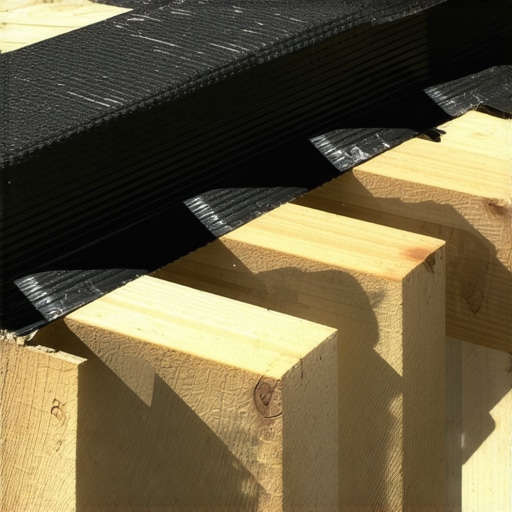
Stop Betting Safety on Your Brick Siding
One ‘oops’ factor I see repeatedly involves houses with brick veneer. Many DIYers—and even some inexperienced contractors—bolt the deck ledger directly through the brick. But brick is a decorative facade, not a load-bearing element. If you do not use the ledger bolt hack for brick veneer houses, you are literally gambling with the structural integrity of your home. It is an advanced nuance that separates a ‘pretty’ deck from a safe one. Similarly, if you are adding height to your backyard, you might find why your pergola shakes when the wind blows is usually tied to improper post-to-beam connections rather than the weight of the rafters. Beyond the frame, another hidden nuance is the thermal mass of your decking. Everyone tells you composite is ‘set it and forget it,’ but in my experience, the darker shades can reach temperatures that rival a cast-iron skillet. This is why wood-look composite often fails the barefoot test in the height of July. If you aren’t choosing a capped polymer option, you might be creating an outdoor space that is unusable for four hours a day. Have you ever fallen into this trap of over-spending on the ‘pretty’ parts while ignoring the structural skeleton? Let me know in the comments.
Speaking of the details that make or break a project, one question I get asked constantly is what tools actually separate a weekend DIY job from a professional-grade installation. I’ve spent years fighting boards that look like a question mark when they come off the pallet. For a long time, I tried to force them into place with a pry bar and sheer willpower, but that just leads to stripped screws and frayed nerves. Now, I never set foot on a job site without a BoWrench. This tool is a literal game-changer for straightening stubborn composite boards before you fasten them down. It allows you to apply several hundred pounds of pressure with a single hand, keeping your gaps perfectly uniform while you drive the screws. When combined with the simple tool for making sure your railing posts are plumb, you ensure that the geometry of your deck is flawless from the start.
Straight Boards Every Time with My Secret Weapon
Using a board bender isn’t just about aesthetics; it’s about reducing the internal stress on your fasteners. When you force a bowed board into place by hand and screw it down, that board is constantly trying to spring back to its original shape. Over time, that constant tension is what causes screws to snap or boards to lift. By using a dedicated tool to hold the board in a neutral, straight position during the fastening process, you are essentially extending the life of your hardware. I’ve found that this level of precision is especially vital when working with high-end composite decking secrets that homeowners expect to remain perfect for twenty-five years.
Why Your Next Project Needs a Digital Twin First
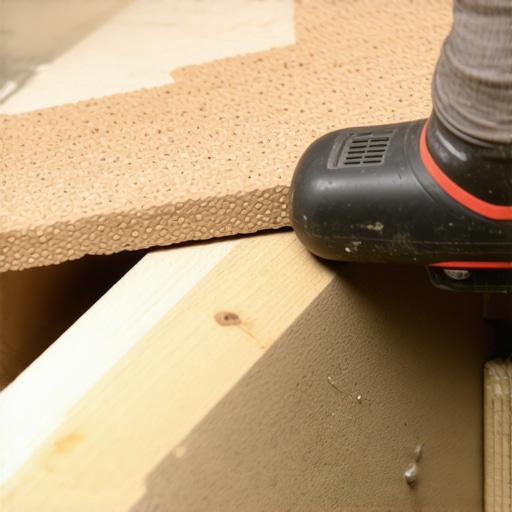
As we look toward the future of backyard construction, the biggest shift I see isn’t in materials, but in planning. We are entering the era of the ‘Digital Twin.’ Before I cut a single joist, I always advocate for why you need a 3D model before buying a single deck board. Software like SketchUp or specialized CAD programs allow you to see exactly how shadows will fall across your pergola at 4 PM in July. Looking ahead, I predict we will see AI-integrated ‘smart decks’ within the next decade—structures with embedded sensors that can alert you to moisture buildup or structural shifting before it becomes visible to the eye. For now, a solid 3D plan is your best defense against expensive mid-build changes.
How do I maintain my deck and pergola structures over time?
Maintenance is where most homeowners drop the ball after the initial excitement wears off. According to the InterNACHI (International Association of Certified Home Inspectors) Deck Inspection guide, more than 2 million decks in the US are currently deemed structurally deficient, often due to neglected maintenance of the ledger board and post-to-base connections. To avoid this, you need a yearly ritual. First, put the equipment away: why you should never use a pressure washer on composite is a lesson you don’t want to learn the hard way, as it can permanently etch the surface and void your warranty. Instead, use a soft-bristle brush and a pH-neutral cleaner. Second, get under the deck. Look for signs of water pooling or rot. If you catch a dip early, you can often implement the simple way to fix a sagging deck beam without tearing the whole thing down. I want you to go outside this weekend and check your ledger bolts; that five-minute check is the single best way to ensure your outdoor sanctuary stays standing for a lifetime. Give it a try and see if your hardware is as tight as it was on day one!
The Brutal Truth About the Set It and Forget It Myth
Over the years, I have realized that the biggest enemy of a beautiful innovative deck design isn’t the weather; it is the belief that modern materials are invincible. Here are a few lightbulb moments I have had while crawling under half-rotted structures:
- Materials change, but gravity is forever. Even the most expensive low-maintenance composite decking relies on a pressure-treated frame that eventually wants to return to the earth.
- Hardware is the weak link. Most structural failures happen at the connections. If you skimp on a five-dollar bracket, you are risking a five-thousand-dollar repair when the ground shifts during a freeze.
- Safety is a feeling, not just a code. A deck that meets minimum standards but still wobbles will never feel like a sanctuary. Investing in custom railing systems that are rock-solid changes how you experience your home entirely.
#IMAGE_PLACEHOLDER_E#
Tools and Guides That I Trust with My Own Backyard
If you are ready to move past the standard DIY build and create something truly professional, I recommend starting with these resources. I have used a BoWrench for nearly a decade to keep every board straight, and I never start a project without a quick sanity check of the NADRA Deck Safety Manual. For those looking for aesthetic inspiration that doesn’t sacrifice function, looking at pergola designs that turn your garden into a sanctuary is a fantastic way to see how vertical interest can be integrated safely. I also suggest keeping a copy of the DCA6 Prescriptive Residential Wood Deck Construction Guide handy—it is the gold standard for ensuring your structural skeleton is up to par for any climate.
Your Outdoor Sanctuary Awaits
Building a space that survives the freeze and thrives in the thaw is about more than just screws and wood; it is about creating a place where your family feels safe and grounded. Whether you are refining your composite decking secrets or planning a complete backyard overhaul, the effort you put into these hidden hardware details now will pay dividends for decades. Don’t be afraid to take it slow and get the hardware right the first time. Have you ever found a snapped screw or a wobbly board after a particularly harsh winter? Let me know in the comments below!