
I stood there on my brand-new deck, a cold drink in hand, ready to celebrate. The sun had just dipped below the horizon, and it was time for the big reveal. I clicked the remote for my new LED stair lights and overhead beams. Instead of the sophisticated, deep charcoal I’d spent months picking out, my deck suddenly looked like a wet chalkboard with a weirdly synthetic, neon-blue tint. It was devastating. I had spent a small fortune on high-end boards, only to realize that artificial light can be a cruel mistress to certain pigments. Unlike the warm glow of the sun, LEDs have a specific way of bouncing off composite surfaces that can turn a luxury look into a cheap-looking mess in seconds.
The Night My Dream Deck Turned Into a Purple Nightmare
Choosing the right shade from a tiny sample in a sunny showroom is the biggest trap in the home improvement world. We focus so much on durable solutions for modern outdoor living and how the grain looks at noon that we completely forget about the hours we spend outside after dark. Certain composite blends have a chemical reaction—visually speaking—to the narrow spectrum of light emitted by common LEDs. This phenomenon is known as metamerism, and it is the reason why your deck might look like mahogany at 2 PM but like old tires at 8 PM. When I first started out, I made the mistake of ignoring how color temperature affects materials. According to the Illuminating Engineering Society, the Color Rendering Index (CRI) of your outdoor bulbs drastically dictates how much of the true color your eyes actually perceive. If you pick a color with heavy cool undertones, a standard LED bulb is going to pull those out and amplify them until your deck looks plastic. I don’t want you to go through the same moment of regret that I did. Today, we’re going to look at the seven specific composite colors that are notoriously difficult to light. We’ll talk about why they fail and how you can avoid a costly mismatch that makes your innovative deck design ideas look cheap once the sun goes down. Have you ever flipped on your outdoor lights and felt like the color of your space completely shifted into something unrecognizable? It is a common problem that most contractors simply do not mention.
Is the lighting really the problem or did I just pick a bad board?
It’s easy to blame the manufacturer when your deck starts looking off at night. You might even think you’re dealing with reasons your composite decking looks like plastic. But usually, the board is high quality; it is just reacting poorly to the blue-light spikes in your LED fixtures. Most people assume that white light is neutral, but most outdoor LEDs are actually quite heavy in the blue spectrum. This plays havoc with specific tans, grays, and even certain natural wood tones. Before you commit to your final layout, you need to understand which palettes are safe and which ones are lighting landmines. If you are already seeing some weirdness, you might need to look into lighting ideas for modern outdoor kitchens or specialized bulbs, but often, the damage is done at the point of purchase. Let’s dive into the specific colors you should approach with extreme caution.Showrooms are designed to sell, not to simulate your backyard at 9 PM. Most displays use high-intensity overhead fluorescents or daylight-balanced bulbs that make every board look vibrant and true. To avoid the purple-deck disaster, you have to treat your samples like a test drive. I once brought home a beautiful mahogany-style board for a client’s project; in the store, it was rich and earthy, but under their existing cool-white floodlights, it looked like a slab of grape-flavored candy. We had to backtrack and look into 7 reasons your composite decking looks like plastic before realizing the lighting was the primary culprit.
Stop Trusting the Showroom Lights
The first rule of thumb is to never sign a contract based on a 4-inch plastic sample held under a fluorescent bulb. Take that sample into the parking lot, then take it home. If you want composite decking secrets: longevity tips for a lasting deck, you have to start with visual longevity. I recommend a trial by LED: place your top three color choices on your existing deck or a patch of grass exactly where the new deck will go.
How to Spot a Lighting Landmine Before You Buy
Look specifically for the undertones. A gray board isn’t just gray; it is either a warm gray with a red or yellow base, or a cool gray with a blue or purple base. When your LED lights hit that cool gray, they act like a magnifying glass for the blue pigments. If you are worried about how the board feels as much as how it looks, try the wet sand test for choosing the right composite texture while you are at it. Wetting the board often mimics how the surface reflects light at night, giving you a sneak peek at that potential color shift.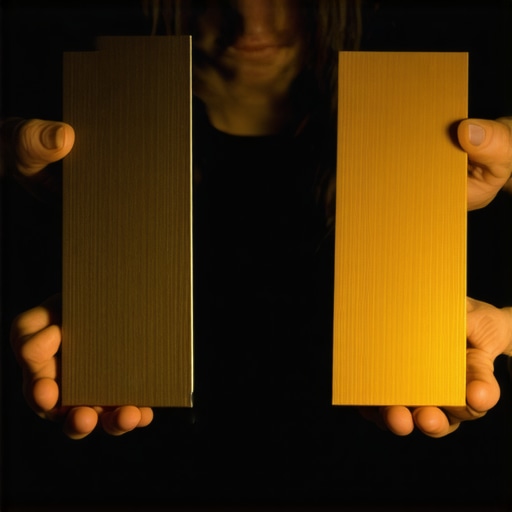
The Kelvins That Can Kill Your Curb Appeal
The color of your light is measured in Kelvins. Most big-box store security lights are 5000K, which is essentially a harsh, blue daylight. This is the enemy of natural wood tones. If you are installing a high-end pergola design inspiration from modern to classic looks, you want your lighting to be in the 2700K to 3000K range. This warm white spectrum mimics the golden hour of a sunset and keeps your browns looking like wood rather than mud. I have seen 4000K bulbs turn a beautiful sand-colored deck into a sickly greenish-yellow overnight. When planning your layout, remember that the complete guide to choosing railing systems for safety and style often notes that black aluminum railings are the most light-neutral choice, as they do not shift color under different LEDs like composite posts do.
Get the Samples Outside After Dark
The ultimate test is simple: wait until the sun goes down, grab a high-quality flashlight or the actual LED fixture you plan to use, and shine it directly on your samples from about four feet away. This mimics the distance of most stair and post-cap lights. If the color shifts more than two shades, it is a high-metamerism material and you should probably avoid it. Also, keep in mind that why dark composite boards need extra expansion space is a technical factor, but dark boards also absorb more light, making them look even flatter at night if your CRI isn’t high enough. Aim for bulbs with a Color Rendering Index of 90 or higher to ensure the reds and oranges in your wood-grain patterns do not disappear into a sea of dull gray.
Your Frame is Pulling Your Deck Apart
Everyone focuses on the surface, but the real nightmare often happens beneath those beautiful boards. A common myth in the industry is that any standard pressure-treated frame is perfectly fine for modern composite. In reality, why your pressure-treated frame is pulling your composite apart is a phenomenon caused by the moisture-driven movement of organic wood clashing with the heat-driven expansion of synthetic materials. While you are worrying about the color temperature of your LEDs, the joists underneath might be twisting and bowing, slowly ripping the fasteners right out of the material. In my years on the job, I have seen five-figure decks fail not because of the product quality, but because the framing was not stabilized for the specific density and weight of modern capped composites.
How do I stop my deck from feeling like a trampoline?
If you have ever walked across a premium deck and felt a slight “give” or vibration, you are experiencing a common design failure. Most DIY plans and even many contractor estimates call for 16-inch center-to-center joist spacing. While this meets the absolute bare minimum for building code, it often creates a “spongy” feel with many popular composite brands. The American Wood Council’s Span Tables provide the structural limits for safety, but they do not account for user “perceived stiffness.” I always advocate for 12-inch spacing; it is a minor lumber cost that makes the difference between a deck that feels like a solid floor and one that feels like a diving board. If you are already past the framing stage and noticing movement, understanding why your deck stair treads feel bouncy and how to fix it usually involves adding mid-span blocking or additional stringers, a surgical fix most people overlook until the bounce becomes unbearable.
The Invisible Trap of Joist Rot
Here is the advanced “oops” factor that ruins a long-term budget: failing to use joist tape. When you drive a screw into a joist, you are creating a direct channel for water to sit in the heart of the wood. This is why the joist tape secret for doubling your decks life is non-negotiable for professional-grade builds. Without it, you are effectively building a beautiful, expensive surface over a ticking time bomb of rot. I have inspected frames only seven years old that had to be completely scrapped because the area under the hidden fasteners had turned to mush. It is a heartbreaking expense that could have been avoided with a few rolls of butyl tape during the install. Have you ever noticed your deck boards starting to pop up or wiggle unexpectedly? Let me know in the comments if you have run into framing issues like these.
Once you have sorted out the structural integrity of your frame, you need to think about the finesse of the finish. I have learned the hard way that a high-end board can look like a DIY disaster if you do not use the right gear. For years, I struggled with uneven screw depths until I found the jig I use for consistent deck screw depth; it is a small investment that ensures every single fastener sits exactly 1/16th of an inch below the surface, perfectly hidden by the grain. If you are tackling a larger structure like a pergola design inspiration from modern to classic looks, do not even think about doing it without a rotary laser. I swear by the level and laser method for setting pergola heights alone because it is the only way to ensure your beams are perfectly level across a twenty-foot span without needing a three-person crew.
The Specialized Kit I Never Leave the Truck Without
Professional-grade results come down to protecting the material during the install. Composite is tough, but it is prone to fraying if you use a standard wood blade. I always use the painters tape hack for cutting composite boards without fraying—it sounds like a small detail, but it prevents those jagged plastic burrs that catch on socks later. When you are moving into the railing phase, accuracy is everything. I have stopped using a tape measure for balusters entirely and switched to the simple jig for drilling straight baluster holes to keep my spacing within the strict 4-inch code requirement while ensuring every bar is perfectly plumb. According to the North American Deck and Railing Association (NADRA), over 40 million decks in the U.S. are over 20 years old and need significant safety upgrades; using these precision tools ensures your new build doesn’t become a statistic in a decade.
How do I maintain my composite deck over time?
The biggest myth in the industry is that composite is ‘zero maintenance.’ It is actually low maintenance, and there is a huge difference. To keep that luxury look, you have to be careful with what you apply to the surface. For instance, why you should never use bleach on composite decks is something I explain to every client; bleach can actually break down the UV stabilizers in the cap layer, causing it to fade prematurely. If you have a spill during a summer party, you need to know how to clean red wine stains off composite decking fast using a pH-neutral cleaner rather than harsh household chemicals. I also recommend a bi-annual check using the flashlight trick for finding hidden joist rot at night. By shining a light parallel to the joists after dark, you can see the shadow of any fungal growth or moisture pooling that you would miss in the bright daylight.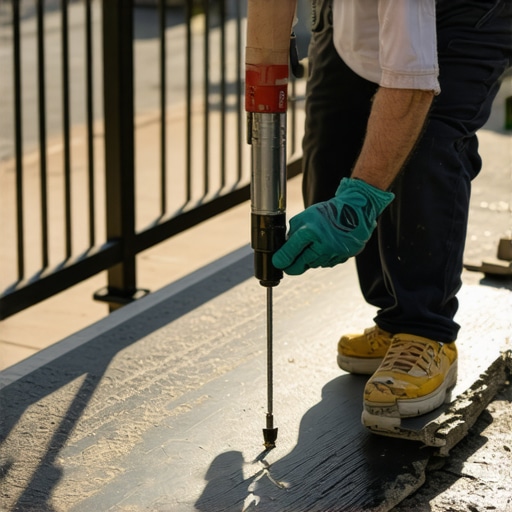
The Future of Outdoor Living is Smart and Modular
Looking ahead, I predict we are moving toward ‘living decks’ that integrate sensors directly into the framing to monitor moisture levels and structural stress in real-time. We are already seeing maximize outdoor living with low-maintenance composite decking evolve into full outdoor ecosystems. In the next five years, expect to see solar-integrated pergola trends: crafting shade elegance in your outdoor space where the slats themselves act as power collectors for your LED system. For now, focus on the fundamentals. I challenge you to try the string line trick for leveling deck joists before decking on your next project. It is an advanced move that takes twenty minutes but results in a floor so flat you could play billiards on it.
The Hard Truth About Real World Deck Longevity
Looking back at that purple-tinted deck nightmare, I realized that the best materials are only as good as the knowledge behind them. If I could go back, I would tell myself that structural integrity is not just a code requirement; it is the foundation of your home’s actual value. One massive lightbulb moment for me was realizing the structural reason your deck needs a mid-span beam even if the standard span tables suggest you can skip it. Flexibility leads to friction, and friction leads to the noise and wear that ruins the luxury experience. Another hard lesson learned? Wind is a silent killer of beautiful outdoor structures. I have seen gorgeous shade builds get ripped apart because the owners did not realize why most DIY pergolas fail the uplift test in storms. It is about more than just the surface boards; it is about mastering the physics of the outdoors.
#IMAGE_FINAL_LOOK#
What is Currently in My Work Truck
I do not believe in buying every gadget at the hardware store, but there are specific tools I never build without if I want professional results. First, a high-quality rotary laser is mandatory; it completely changed my workflow, especially when using the level and laser method for setting pergola heights alone. It removes the human error that leads to sloping decks and uneven beams. Second, I always keep a copy of the NADRA safety checklists handy for every site visit. And finally, before I touch an existing structure, I perform the structural vulnerability assessment for checking deck joist rot to ensure I am not building a premium surface on a crumbling base. These are not just tools; they are an insurance policy for your investment.
Make This Your Last Big Deck Repair
You have the power to turn a simple backyard into a sanctuary that lasts for decades. By focusing on the small details—from the Kelvin rating of your LEDs to the spacing of your joists—you are creating a space that will thrive in the real world rather than just looking good in a showroom. Whether you are currently browsing innovative deck design ideas that elevate your homes curb appeal or planning a major structural overhaul, remember that the best decks are built with patience and the right technical information. Your future self, sitting on that deck with a cold drink under perfectly warm lights, will thank you for the extra effort today. Have you ever noticed your deck color shifting strangely at night or felt a weird bounce in your steps? Let me know your experiences with deck design and lighting in the comments below!