
I remember the exact moment my heart skipped a beat; I was sitting with a fresh cup of coffee, looking out at my brand-new outdoor oasis, when I heard it. That rhythmic, high-pitched skritch-skritch-skritch of my eighty-pound golden retriever, Barnaby, trying to excavate a imaginary mole through my expensive floorboards. I ran outside like a madman, but the damage was done—a series of white, ghostly lines etched into the beautiful finish. It’s a gut-wrenching feeling. You spend thousands on a low-maintenance dream, only to realize that ‘low maintenance’ doesn’t mean ‘dog-proof.’ Today, I’m going to share exactly how I stopped the digging and how you can keep your boards looking pristine without banishing your furry best friend to the grass.
Your Dog Isn’t the Enemy but Those Claws Might Be
One of the biggest mistakes I made early on was assuming that all composite decking secrets involved just cleaning off leaves or mold. I didn’t account for the mechanical force of a dog’s ‘zoomies.’ When a dog takes off at full speed, their back claws act like literal ice picks to gain traction. I actually tried to fix a small scuff once using a heavy-duty scouring pad—a huge error that turned a tiny line into a giant, cloudy smudge. Since then, I’ve learned that protecting your deck starts with choosing the right materials and managing your pet’s environment. According to a report by the American Pet Products Association, over 65% of U.S. households own a pet, which has led to a massive surge in demand for ‘pet-resilient’ building materials. If you are still in the design phase, I highly recommend looking into why solid core composite is worth the extra bulk, as it handles impact and surface pressure much better than cheaper, hollow-core alternatives. For those already dealing with the aftermath of a squirrel-chase, knowing how to fix scuffs on dark composite boards with a heat gun can be a total lifesaver. Have you ever found yourself cringing every time your dog hears a doorbell and sprints across your deck?
Can You Actually Buff Out Deep Gouges?
This is the question I get asked most by my neighbors. There is a fear that once the ‘plastic’ layer is scratched, the whole board is ruined. The truth is, while you can’t always ‘sand’ it like wood, there are texture-matching techniques and specific heat treatments that can hide almost anything. Choosing the right color is also half the battle; some of the 5 colors of composite that hide dirt the best are also masters at camouflaging surface-level claw marks. It’s about being realistic: your deck is meant to be lived on, but it shouldn’t have to look like a war zone just because you have a pet.
Choose a Texture That Fights Back
The first step in preventing pet-related damage isn’t actually on the deck; it’s at the lumber yard before the first board is ever laid. If you are in the planning stages, you must perform the wet sand test for choosing the right composite texture. I remember taking a handful of damp sand and rubbing it vigorously against three different samples in the showroom. One ‘budget’ board scratched immediately—it was a capped product with a thin, brittle veneer. The solid-core variety, however, didn’t even show a swirl. Because dogs have a ‘launch phase’ where they kick back to gain speed, a deep wood-grain embossing actually provides better traction. This might seem counterintuitive, but better grip means their feet don’t slip, which prevents the frantic claw-digging that causes the deepest gouges.

Designate a High-Impact Run for Your Dog
I learned this the hard way after Barnaby decided the southwest corner of my deck was the optimal spot to bark at the neighborhood squirrels. Within two months, the railing posts in that specific corner were visibly vibrating whenever he did his ‘alarm dance.’ I had to go back underneath and use the blocking trick that stops railing post wobble to ensure the structural frame could handle his lateral force. Think of your deck layout like a highway; if you know your dog is going to sprint down a specific path, place an outdoor rug with a breathable, non-slip backing in that ‘fast lane.’ It acts as a sacrificial layer. You can also integrate pergola designs that turn your garden into a sanctuary nearby, providing a cool, shaded alternative that keeps your pet off the hot composite boards during peak sun hours.
Clean Smarter to Keep the Protective Layer Intact
One afternoon, after Barnaby tracked oily mud across the entire surface, I almost grabbed a bottle of industrial bleach. Stop right there. You need to understand why you should never use bleach on composite decks. Bleach can aggressively break down the UV inhibitors in the plastic shell, leaving the boards brittle and significantly more prone to scratching. Instead, I keep a spray bottle ready with the vinegar and water mix that cleans composite better than chemicals. It lifts the grime and oils without weakening the polymer surface. If you do find a deeper mark after a particularly rowdy play session, knowing how to fix scuffs on dark composite boards with a heat gun is a total game changer. A gentle pass with controlled heat can ‘reset’ the plastic polymers, allowing the scratch to blend back into the surrounding grain.
Keep the Gaps Clear to Prevent Trapped Nails
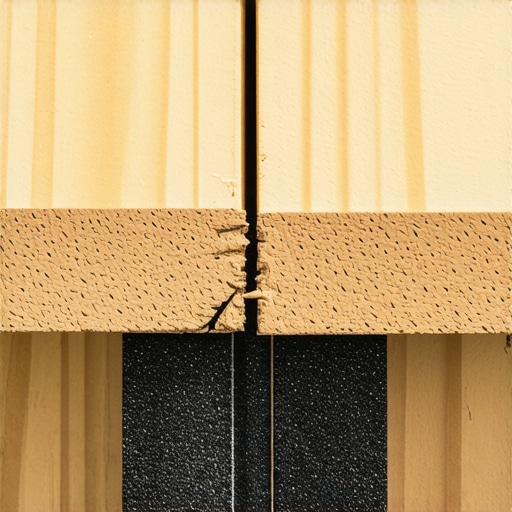
Finally, pay close attention to your board spacing. If your boards have expanded too much due to thermal movement, a dog’s nail can easily get wedged in the gap during a sprint, which can lead to a painful injury for the dog and a massive vertical gouge for your deck. If you notice your boards moving too close to the perimeter of your home, you should investigate how to stop composite deck boards from expanding into your siding. Maintaining consistent 1/8-inch or 3/16-inch gaps ensures that claws pass over the surface smoothly rather than getting snagged in the joints.
Building to Code is Just the Bare Minimum
Most homeowners—and unfortunately, a lot of contractors—believe that if a deck passes a building inspection, it’s ‘solid.’ I used to think the same until I hosted a summer barbecue and realized that when my dog and guests moved simultaneously, the floor felt like a trampoline. This is the nuance the manuals don’t tell you: the International Residential Code (IRC) is designed for safety, not for comfort or the specific weight of composite materials. Because composite is heavier and more flexible than wood, you often need to ignore the standard span tables. I found that the structural reason your deck needs a mid-span beam isn’t just about stopping a collapse; it’s about eliminating that ‘luxury-killing’ bounce. If you’ve ever wondered why your composite deck feels spongy between joists, it’s likely because you built to the minimum legal limit instead of the performance limit. According to a study by the American Wood Council, deflection limits for floor joists often don’t account for the rhythmic vibration of active pets or heavy patio furniture, which can lead to long-term structural fatigue.
Will Your Hidden Fasteners Survive the Next Big Freeze?
Everyone loves the look of a seamless floor, but here is a contrarian take: hidden fasteners are not always the ‘premium’ choice. On my second build, I insisted on them, only to watch my boards buckle during a particularly harsh winter. The trap is that hidden clips often lack the lateral holding power of traditional face-screwing. I’ve seen cases where why hidden fasteners fail on wide profile boards simply because they don’t allow for the extreme thermal expansion of certain polymer blends. If you are in a climate with 40-degree temperature swings in a single day, those clips can actually shear off or pull out. Have you ever fallen into this trap? Let me know in the comments.
The Secret Danger of Trendy Dark Finishes
We all want that modern, industrial look, but there is a hidden nuance to the ‘all-black’ trend. I once installed a beautiful set of black powder-coated railings, thinking they were the height of sophistication. By July, they were literally too hot to touch. You have to consider why black aluminum railings get hotter than you think before committing to them, especially if you have kids or pets with sensitive paws. When you are learning how to select the perfect railing system for every deck, you have to balance the ‘Instagram look’ with thermal reality. The same applies to pergolas. Many DIYers focus on the aesthetic beams but skip the heavy-duty hardware. This is why most diy pergolas fail the uplift test in storms; they are essentially giant sails that aren’t properly anchored for vertical wind force. You might even find why your pergola needs a mid-span post you didn’t account for only after the roof starts to sag under its own weight.
Don’t Let Your Joist Tape Become a Rot Trap
I’m a huge advocate for the joist tape secret for doubling your decks life, but there is a sophisticated ‘oops’ factor here. If you apply tape over wet or ‘green’ pressure-treated lumber, you are actually sealing moisture *into* the wood. This creates a hyper-accelerated rot environment. I’ve had to tear up sections of a three-year-old deck because of why your deck joists are rotting underneath the tape. The nuance is in the timing; you must let the frame ‘dry in’ before sealing those tops. Designing a high-end space is about more than just the surface—it’s about understanding the chemistry of the hidden components that keep the surface beautiful.
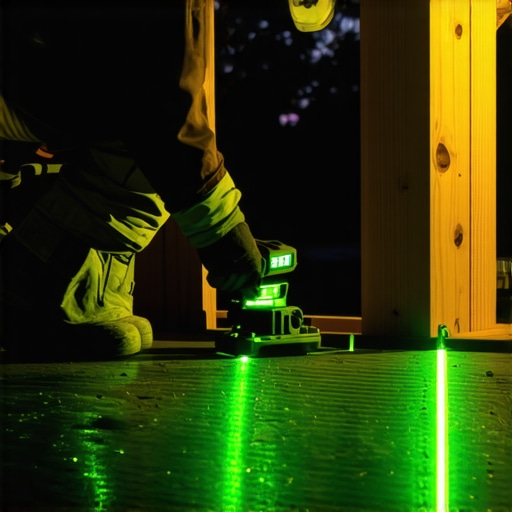
After years of trial, error, and a few expensive mistakes, I’ve realized that the difference between a deck that looks ‘okay’ and one that looks brand new after five seasons comes down to the gear you keep in your garage. You don’t need a warehouse full of equipment, but you do need precision. For instance, whenever I’m extending a structure or adding a feature like a privacy screen, I rely heavily on the level and laser method for setting pergola heights alone. Trying to use a standard bubble level over a sixteen-foot span is a recipe for a slanted roof that you’ll notice every time you sit down with a beer. Precision isn’t just for the pros; it’s for anyone who doesn’t want to redo their work in three years.
How do I maintain my composite deck’s luster after five years?
The secret isn’t a magic chemical; it’s consistency and the right mechanical approach. I personally use the jig i use for consistent deck screw depth even for minor repairs or adding trim. If a screw is too deep, it creates a divot that collects water and debris; too shallow, and it’s a toe-stubbing hazard that catches your mop. According to the North American Deck and Railing Association (NADRA), over 40 million decks in the U.S. are over 20 years old and need more than just a wash—they need a structural check. I make it a habit to perform the ice pick test for checking joist strength on older decks every spring. It takes ten minutes but gives me total peace of mind that Barnaby and my guests are safe.
As you look to the future, you might find yourself wanting to scale up. Maybe that empty corner of the deck is finally screaming for a spa. Before you buy the tub, you have to understand how to build a deck around a hot tub without cutting joists. Most people make the mistake of weakening their frame to ‘drop’ a tub in, but the real trick is independent structural support. This kind of forward-thinking allows you to maximize outdoor living with low maintenance composite decking without compromising the integrity of your original build. I predict that in the next five years, we will see even more integration of ‘smart’ sensors into deck framing to alert homeowners to moisture buildup before rot even starts.
If you really want to level up your game, stop using a standard tape measure for your fastener layouts. Use the chalk line move for aligning hidden fasteners fast. It ensures that every single clip is perfectly linear, which prevents the boards from ‘creeping’ out of alignment over a long run. This is the level of detail that separates a DIY project from a masterpiece. I challenge you to try the laser leveling method on your next small project—even just a garden bench—and see how much of a difference that 1/16th of an inch really makes to your eyes.
The Hard Truth About Living With a High-Energy Dog on Composite
Looking back at the scratches Barnaby left that first month, I realized I was focusing on the wrong things. It wasn’t about finding an ‘indestructible’ board; it was about understanding how dogs interact with textures. I’ve learned that a slightly more aggressive grain pattern isn’t just an aesthetic choice—it’s a safety feature that prevents the slipping that leads to frantic digging. I also discovered that when you elevate your backyard innovative deck design ideas for 2025, you should always account for ‘pet traffic zones’ by reinforcing the frame. A vibrating deck makes a dog anxious, and an anxious dog is a destructive dog.
Another lightbulb moment was realizing that the deck isn’t an island. By integrating pergola trends crafting shade elegance in your outdoor space, I managed to create a ‘cool zone’ that naturally keeps my dog off the hottest parts of the composite boards during midday heat. It’s about managing their behavior through smart design rather than constant scolding.
The Essential Toolkit for Long-Term Maintenance
I don’t keep a massive workshop, but three specific things have saved me thousands in potential repairs. First, a high-quality heat gun is mandatory for anyone with pets or heavy furniture to blend out surface scuffs. Second, I always keep a roll of high-adhesion tape nearby; the painters tape hack for cutting composite boards without fraying is the only way I’ve been able to add new trim or repair sections without leaving jagged, ugly edges. Finally, I trust the string line method for perfectly level deck surfaces whenever I’m checking for settling. Even a slight dip can cause water to pool, which attracts dogs to lick or scratch at the surface. For those with modern railings, understanding why cable railing tensioners fail and how to prevent it will save you from a sagging safety hazard that pets love to push against.
Why the Extra Effort Today Saves Your Sanity Tomorrow
Building a deck that survives a large dog requires a shift in mindset. You aren’t just building a floor; you’re building a durable ecosystem. When you take the time to follow the complete guide to choosing railing systems for safety style, you aren’t just checking a box for the inspector—you’re ensuring that a 100-pound dog can’t bowl over your perimeter during a squirrel sighting. Every extra screw, every bit of joist tape, and every careful measurement is an investment in your peace of mind. Your outdoor space should be a place of relaxation, not a source of constant worry about scuffs or structural wobbles. Does your pet have a favorite ‘zoomie’ path on your deck, or have you found a secret way to keep those claws from leaving their mark? Let me know in the comments below!