
I remember the exact moment I realized I’d made a massive mistake with my backyard renovation. It was a Tuesday in July, around 2:00 PM. I walked out onto my brand-new, charcoal-gray deck with a fresh cup of coffee and no shoes. Within three steps, I was doing a frantic, high-kneed sprint back to the sliding door, nearly wearing my latte in the process. My feet felt like they’d just touched the surface of the sun. It’s a common story for anyone who falls in love with the modern look of dark boards without considering the brutal physics of heat absorption. If you’re currently treating your deck like a high-stakes game of ‘the floor is lava,’ I’ve got you covered. We’re going to walk through exactly how to cool things down so you can actually enjoy your outdoor space again without needing combat boots. Have you ever had to hose down your deck just so your kids or pets could stand on it for five minutes? Drop a comment below—I’d love to know I’m not the only one who’s made this mistake.
That Sizzling Sound Wasn’t the Grill
when I was first browsing composite decking trends, I was absolutely obsessed with that sleek, deep-ebony aesthetic. I ignored the warnings about thermal mass. The reality is that dark composite materials are incredibly efficient at absorbing solar radiation. According to a study by the National Institute of Standards and Technology, dark synthetic surfaces can reach temperatures 40 to 50 degrees higher than the surrounding air. I learned the hard way that while dark boards look expensive, they also behave like a giant cast-iron skillet. Early on, I even tried to mask some minor damage, but learning how to fix scuffs on dark composite boards with a heat gun taught me just how sensitive these materials are to high temperatures.
Is Dark Decking Just a Massive Design Mistake?
You might be staring at your beautiful, boiling-hot boards and wondering if the whole project was a waste of money. I’ve been there, sitting on the edge of the lawn, staring at my receipt and wishing I’d prioritized utility over pure style. I often found myself looking back at 5 colors of composite that hide dirt the best and realizing that many of those mid-tone tans and grays wouldn’t have required a ‘no-bare-feet’ policy. But here is the good news: you don’t need a sledgehammer to fix this. You don’t have to rip it all out; you just need to change how the sun interacts with your floor.
Turn Down the Surface Temperature Without a Total Rebuild
Fixing a hot deck is all about managing UV exposure and improving local airflow. I spent an entire summer experimenting with different outdoor rugs, specialized coatings, and temporary shade structures because I simply refused to admit defeat. What I discovered is that the solution is rarely one big, expensive change. Instead, it is a combination of smart, tactical moves that can lower the surface temperature by a significant margin. We are going to dive into the specific neighbor-approved fixes that actually work to save your soles and your summer.
Build a Permanent Canopy That Actually Works
First, let’s tackle the most effective solution: blocking the UV rays before they ever touch your boards. If the sun can’t hit the material, the material can’t store that energy. I initially thought a simple patio umbrella would be enough, but it was like trying to shade a parking lot with a cocktail garnish. To truly reclaim the space, you need structural shade. Exploring pergola designs that turn your garden into a sanctuary showed me that a well-placed louvered system can drop surface temperatures by nearly 40 degrees. Think of it as a protective hat for your deck. 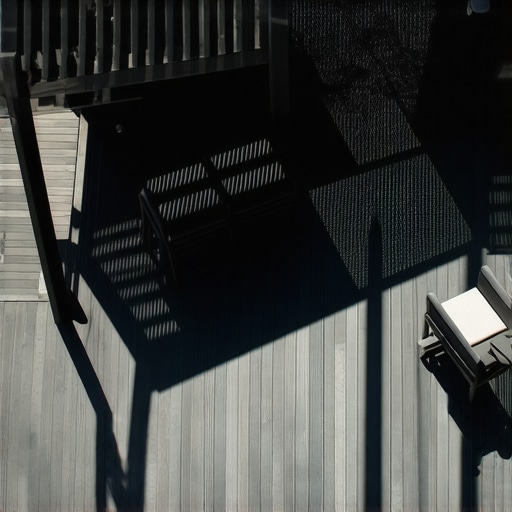
Height Matters More Than You Think
When I first installed my shade sails as a temporary fix, I made a classic amateur mistake: I hung them too low. I thought closer was better for shade coverage, but I accidentally created a pocket of stagnant, boiling air. It felt like standing in a sauna. I eventually used the level and laser method for setting pergola heights alone to move the mounts up to a nine-foot clearance. That extra space allowed the hot air to rise and escape, letting the natural breeze sweep across the dark boards.
Stop the Heat Sink Effect from the Ground Up
Heat management isn’t just about what is happening on top of the boards; it is about the air moving—or not moving—beneath them. Most decks are built with minimal clearance, which turns the underside into a thermal battery. If you are in a position to make structural tweaks, implementing the rubber spacer trick for better airflow under joists is a game-changer. By creating even a small gap between the joist and the board, you break the direct heat transfer and allow the deck to ‘breathe.’
The Airflow Fix You Probably Missed
I once helped a neighbor who couldn’t figure out why his deck stayed hot long after the sun went down. We realized his solid skirting was acting like an oven door, trapping all that radiant heat underneath. We swapped out a section of the solid wood for a more open pattern, similar to how you might how to hide your outdoor ac unit with composite slats. The result was almost instant. By allowing the cross-breeze to pull the heat away from the bottom of the boards, the deck cooled down in half the time.
Choose Your Surface Protection Wisely
If construction isn’t an option, you need a literal barrier between your feet and the floor. Woven polypropylene rugs are the gold standard here. However, you have to be careful with the backing. I once used a heavy rubber-backed rug thinking it would stay in place better, but it ended up trapping moisture and heat, leading to why your composite decking is fading in patches. Always choose a ‘breathable’ weave and use the garden hose test for proper deck water runoff to ensure the rug isn’t holding onto puddles that will steam-cook your composite finish. Finally, don’t ignore your railings. If you have dark metal components, you already know why black aluminum railings get hotter than you think. Consider adding a lighter-colored wood or composite top rail to provide a ‘safe zone’ for your hands while navigating the deck on those 90-degree days.
Texture Beats Color Every Single Time
Most people assume that switching from charcoal to a light sand color is the end-all-be-all of heat management. In my experience, that’s a rookie mistake. While color dictates how much energy is absorbed, the surface texture dictates how that heat is transferred to your skin. A perfectly smooth board acts like a heat-sink plate, maximizing the contact area with your foot. If you want a cooler feel, you need a deep, embossed grain. I always recommend performing the wet sand test for choosing the right composite texture before you commit. This test shows you how the board handles both heat and traction simultaneously. A study published in the Journal of Materials in Civil Engineering confirms that wood-plastic composites (WPC) with higher surface irregularities can significantly reduce the ‘perceived’ temperature because they limit the total surface area touching your soles. 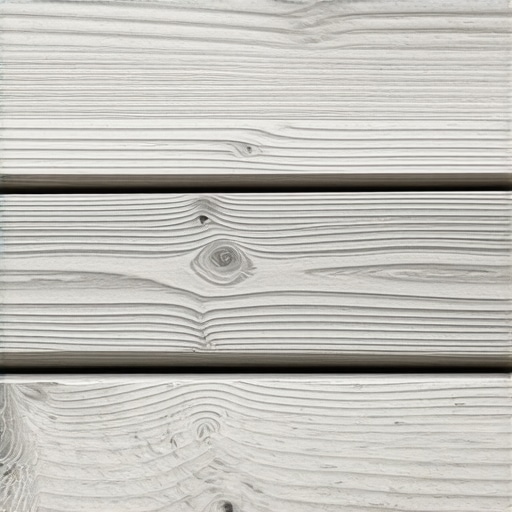
Why does my ‘cool’ deck still feel like a sponge?
If your boards feel soft or ‘spongy’ when they get hot, you’ve likely fallen into the trap of choosing hollow-core boards to save a few dollars. These air pockets might seem like they would act as insulation, but in reality, they trap stagnant, superheated air inside the board. Over time, this heat softens the structural integrity of the plastic. This is why solid core composite is worth the extra bulk; the denser material distributes heat more evenly throughout the board’s mass, preventing those terrifying soft spots.
The Expansion Gap Mistake That Breaks Your Frame
Here is the nuance most DIYers—and even some pros—completely miss: dark composite doesn’t just get hot; it grows. According to NIST, synthetic decking can expand significantly more than traditional lumber across the same temperature gradient. If you didn’t leave enough room at the ends, you’ll see your boards start to bow or literally push your house’s trim off. I’ve spent more weekends than I care to admit showing homeowners how to stop composite deck boards from expanding into your siding because they were installed ‘bone-tight’ in the cool spring morning.
Stop Your Fasteners from Ripping the Deck Apart
There is a common myth that hidden fasteners are the ultimate solution for a modern look. While they look great, they are often the first point of failure on a high-heat deck. When a 20-foot board expands in the July sun, it exerts massive leverage on those small clips. I’ve seen countless projects where why hidden fasteners fail on wide profile boards becomes painfully obvious after just one season. The heat cycles eventually snap the plastic clips or sheer the screws. If you’re going for a dark, high-heat look, you need a fastening system that allows for lateral movement. To ensure your project actually lasts through these thermal cycles, checking out composite decking secrets: longevity tips for a lasting deck is essential. For the ultimate protection against the hidden rot that heat and trapped moisture can cause, don’t skip the joist tape secret for doubling your deck’s life. Have you ever fallen into this trap and had your boards buckle after a heatwave? Let me know in the comments below.
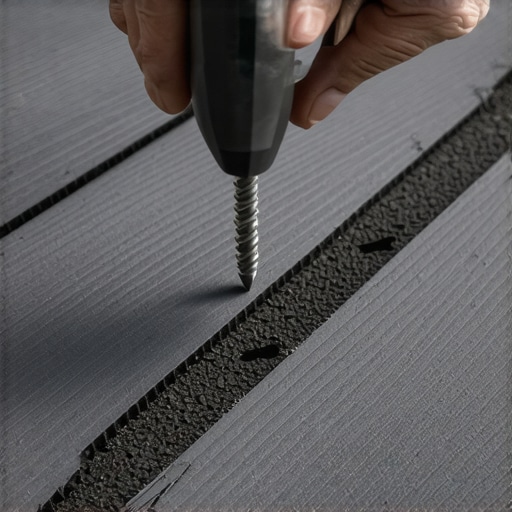
I have spent enough summers chasing loose boards and squeaky joints to know that a deck is only as good as the tools used to calibrate it. When you are dealing with high-end composite, you cannot simply ‘eyeball’ the installation. Precision is what separates a professional finish from a DIY headache that starts rattling by next spring. One of my absolute non-negotiables is the jig i use for consistent deck screw depth. If your screws are driven too deep, they create a ‘mushroom’ of plastic on the surface that catches dirt; too shallow, and they become a trip hazard when the boards expand. By locking in a consistent depth, you ensure the thermal movement doesn’t result in snapped heads or unsightly bulges.
How do I maintain my composite deck and railing over time?
Maintenance isn’t just about a spring cleaning; it is about proactive structural checks. Every March, I perform a thorough inspection of my drainage and airflow. I use the leaf blower test for finding gaps in under deck ceilings to ensure that moisture hasn’t found a way to sit against the joists. When it comes to cleaning, put the power washer away. I’ve seen too many homeowners scar their expensive boards. Instead, stick to the vinegar and water mix that cleans composite better than chemicals. It’s gentle enough to preserve the UV-protective layer while effective enough to lift pollen and dust. If you notice a bit of movement in your safety features, learn how to fix a wobbly top rail without removing the balusters early on, before the hardware shears under the stress of thermal cycling.
Don’t Let Your Substructure Rot Beneath the Style
The most expensive mistake you can make is ignoring the frame. While composite boards can last 25 years, a pressure-treated frame often starts to fail at year ten if it isn’t protected. According to technical reports from the Forest Products Laboratory, moisture-induced decay is significantly accelerated in wood that is capped by synthetic materials because the composite traps condensation against the wood. This is why I religiously use the joist tape secret for doubling your deck’s life. It creates a waterproof barrier that keeps the screw holes from becoming entry points for rot. If you’re building a new space, check out these innovative deck design ideas for 2025 that prioritize integrated protection for the ledger and joists.
The Future of High-Performance Outdoor Living
Looking ahead, I predict we are moving toward ‘smart’ outdoor structures. We are already seeing pergola trends that include automated louvers that close the moment a sensor detects rain or extreme UV levels. Eventually, composite materials will likely incorporate phase-change materials to actively regulate surface temperature. Until then, we rely on smart construction. I strongly encourage you to try the string line trick for perfectly plumb pergola posts on your next weekend project. Getting your vertical supports perfectly square isn’t just about aesthetics—it’s about ensuring the weight is distributed correctly so your shade system doesn’t lean over the years. Are you ready to stop guess-working your backyard? Try the joist tape method on your next repair—it’s the single most effective way to protect your investment.
The Reality Check After Five Summers on the Surface
Looking back at my first dark deck build, I realized that heat management is a holistic game. It isn’t just about the boards; it’s about the interaction between shade, airflow, and material density. I spent years thinking a bigger umbrella was the answer when the real culprit was the stagnant air trapped beneath my feet. If I could go back, I would have prioritized deep-grain textures over that perfectly smooth modern look every single time. Also, never underestimate the power of a light-colored top rail; it makes the difference between a relaxing lean and a frantic let-go when you reach for your drink.
Another hard truth I uncovered is that dark boards act like thermal batteries. They don’t just get hot; they stay hot long after the sun has set because the core material hasn’t been allowed to vent properly. This is why I now advocate for elevated substructures and open-pattern skirting. Finally, the barefoot test at the showroom is a lie unless you’re doing it under high-intensity UV lamps—always request a sample and leave it on your own lawn for a full afternoon before you sign that contract.
Tools That Saved My Sanity and My Soles
If you’re serious about fixing your space, there are a few resources I swear by for professional-grade results. First, look into pergola design inspiration from modern to classic looks to find a shade solution that fits your aesthetic without compromising cooling. I personally trust louvered systems because they offer the most control over UV angles. For the deck itself, I always keep a roll of joist tape handy because I’ve seen what happens when heat and moisture combine to rot a frame from the inside out. I also recommend checking out how to select the perfect railing system for every deck to ensure your safety features aren’t turning into branding irons during a heatwave. Finally, for those looking to start fresh, these stunning deck design strategies will help you plan for solar exposure before you even buy your first board.
Step Into Your New Backyard Sanctuary
Your outdoor space shouldn’t be a source of stress or a physical hazard for your family. By implementing these small shifts—from improving airflow beneath the joists to choosing high-performance materials—you can reclaim your yard even in the peak of July. Embracing low-maintenance composite decking doesn’t have to mean sacrificing comfort for style. It’s about building smarter and understanding the physics of your materials so you can spend your weekends relaxing instead of hosing down the floor just to take a single step. #IMAGE_PLACE_HOLDER_E# What’s the highest temperature you’ve ever recorded on your deck boards? Let me know in the comments below—I’m curious to see who holds the record!