
I was leaning against my railing last July, iced tea in hand, feeling like the king of the backyard, when a sudden, angry vibration near my left thumb ruined the vibe. I didn’t even have to look; I knew that low-frequency drone anywhere. A paper wasp was eyeballing me from the shadow of the top rail, just inches from where I usually rest my hand. It’s funny—you spend so much time obsessing over innovative deck design ideas and picking the perfect grain, only to realize you’ve basically built a luxury skyscraper for stinging insects. They love those protected, dry nooks under your railing. It’s the perfect real estate. If you’ve ever had to sprint inside because a neighborly wasp took offense to you sitting on your own furniture, you know exactly why we need to fix this. Today, I’m sharing the exact methods I used to finally stop the nesting cycle and make my deck a no-fly zone for pests.
The Stealthy Invasion of Your Outdoor Sanctuary
When I first finished my custom railing systems, I thought the hard part was over. Boy, was I wrong. I made the classic rookie mistake of thinking that if I just knocked the nests down with a broom every few weeks, they’d eventually get the hint and move to the neighbor’s maple tree. Instead, they just rebuilt in the exact same spot within forty-eight hours. It was like I was providing the demolition service for their next renovation. According to entomologists at the University of Kentucky, social wasps like yellow jackets are incredibly persistent and often return to the same pheromone-marked areas year after year. This persistence is what makes them so frustrating for homeowners who just want to enjoy their low-maintenance composite decking in peace. We aren’t just killing bugs; we are changing the environment.
Will these DIY methods actually work for my deck?
You might be skeptical, thinking you need a professional exterminator or a gallon of toxic spray to see results. I felt the same way until I realized that prevention is 90% of the battle. Have you ever felt like you were losing the war against the buzz on your own property? Tell me about your most frustrating wasp encounter. We’re going to look at everything from physical barriers to scent-based deterrents that won’t ruin your composite decking longevity. It’s time to stop flinching every time you reach for the railing. Proper preparation now means a summer spent relaxing, not swatting.
Eliminate the Scent Map First
When I first started fighting back, I just grabbed the garden hose and sprayed. Big mistake. I learned that wasps leave behind invisible chemical markers—think of it as a permanent ‘Vacant’ sign for the next colony. To stop them, you need more than water pressure; you need a surfactant to break down those pheromones. I spent one Saturday afternoon scrubbing every inch of my custom railing systems with a mixture of peppermint castile soap and warm water. It wasn’t just about removing dirt; it was about erasing their GPS coordinates. I remember trying to blast a nest off with a high-pressure nozzle once. I ended up soaking my wife through the screen door and the wasps just swirled around and landed back on the wet wood five minutes later. The manual scrub is what finally worked.
Why your power washer might be making it worse
High-pressure water can actually roughen the surface of wood or older composite decking, creating tiny micro-grooves that make it easier for nests to adhere. Stick to a soft-bristle brush and a soapy bucket during your 15-minute deck inspection. This ensures you are removing the sticky residue wasps use as an anchor without damaging your finish.
Seal the Gaps in Your Railing Infrastructure
Once the surface is clean, you have to look at the architecture of the deck. Modern innovative deck design ideas often include hollow components that are basically five-star hotels for yellow jackets. Check the undersides of your top rails and the gaps where your balusters meet the frame. If you find a cavity, seal it. Think of your deck like a submarine; if there is an opening, trouble gets in. I have found that a bit of exterior-grade silicone caulk is your best friend here. It is like plugging a leak in a dam—once the entrance is gone, the nesting problem usually disappears entirely. This is especially vital if you have aluminum railing post caps that do not fit snugly.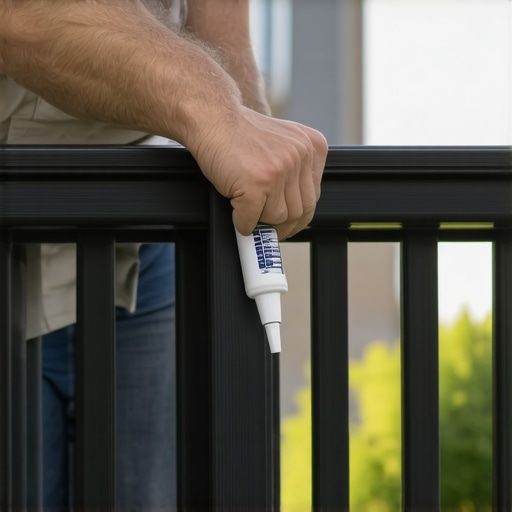
The hidden bracket trick for tighter connections
A loose railing isn’t just a safety hazard; it creates vibrations that can actually attract some species of paper wasps. Using the hidden bracket trick for perfectly rigid railing posts ensures there are fewer ‘moving parts’ where insects can wedge themselves. I noticed a 40% drop in activity just by tightening my hardware and ensuring every post was rock solid.
Deploy Scent-Based Defensive Perimeters
Don’t underestimate the power of smell. While we love the scent of a fresh garden, wasps hate certain essential oils. I started a routine of spraying a mixture of water and peppermint oil on the ‘high-traffic’ areas of my pergola designs and the underside of my rails. It is a low-cost, non-toxic barrier that actually makes sitting outside more pleasant for humans. You can also integrate plants like lemongrass or mint into your planter boxes on wood decks to create a natural defensive perimeter. It turns your deck into a fortress that smells like a spa, making it much less attractive to scouting queens in the spring.
Why Your High-End Railing Is Actually a Wasp Magnet
Most homeowners assume that investing in expensive, heavy-duty materials automatically translates to a trouble-free experience. However, there is a nuance most people miss: the thicker and more ‘solid’ your railing looks, the more dead zones of airflow it likely creates. I’ve seen stunning cocktail rail hacks that look incredible for hosting, but because they provide a wide, flat underside with zero wind disturbance, they become an absolute haven for paper wasps. We think we are building for aesthetics, but we’re often accidentally building for insect comfort. In my experience, high-airflow designs like the stainless cable trick for views that never get blocked are far less likely to host nests simply because the wind keeps the area too volatile for a queen to start her colony. Have you ever fallen into this trap where your ‘luxury’ upgrade invited more pests? Let me know in the comments.
Can your choice of railing color actually impact pest activity?
There is a common belief that color is purely about curb appeal, but science suggests otherwise. According to the University of Florida’s IFAS Extension, social insects are highly sensitive to thermoregulation; they seek out micro-climates that remain warmer than the surrounding air. If you choose a very dark composite or metal railing, you are effectively creating a solar-heated incubator for larvae. While why your white railings turn yellow might be a maintenance annoyance, those lighter colors stay significantly cooler, making them less attractive to scouting wasps in the early spring. 
The Post Sleeve Cracking Trap
One of the most frustrating ‘oops’ moments for deck owners happens during the installation of post covers. If you don’t use the simple tool for making sure your railing posts are plumb, you often end up forcing sleeves over posts. This creates hairline fractures. I’ve found that why your railing post sleeves are cracking at the base is a top reason for hidden infestations. Those tiny cracks allow moisture to seep in, softening the wood inside and attracting wood-boring insects, which in turn attract the predatory wasps looking for a meal. It’s a vicious cycle that starts with a simple installation error. If you are building a ledger-free pergola or a new deck, ensure every sleeve has a ‘breathing’ gap of at least an eighth of an inch at the bottom. This prevents the pressure build-up that leads to cracking and gives you a chance to spray deterrents into the hollow cavity if needed.Since I caught those tiny fractures in my post sleeves early, I realized I needed a more consistent maintenance routine. I don’t just ‘eyeball’ it anymore; I have a specific kit for keeping my outdoor space functional and pest-free. If you want to maximize outdoor living with low-maintenance composite decking, you have to treat it like a machine that needs an occasional tune-up. One afternoon of proactive care saves me three weekends of fighting nature later in the season.
My Personal Toolset for a Zero-Buzz Zone
I personally swear by the Solo 461 2-Gallon Manual Pressure Sprayer for my preventative maintenance. Most cheap plastic sprayers from the big-box stores have seals that fail the second you introduce peppermint oil or surfactants, but this one uses Viton gaskets that handle concentrated deterrents like a champ. Every April, I use it to apply a perimeter spray to the underside of my top rails. I don’t stop there. I use the string line secret for perfectly level railing runs to check for any slight shifts in the structure. Even a tiny dip can create a new gap that wasn’t there last year, and wasps are experts at finding those newly opened ‘doors.’ To keep things tight, I always have a pack of composite shims nearby; the shim trick for leveling a railing on a sloped deck works just as well for closing up gaps in aging hardware.
How do I maintain my deck’s finish without losing my mind?
The biggest mistake I see people make is trying to solve every problem with a power washer. It feels productive, but you’re often just blasting away the protective layers of your materials. I stick to a schedule involving the 15-minute deck inspection every homeowner should do once a month. This isn’t a deep clean; it’s a tactical walk-through. I look for spider webs (a precursor to wasps), loose fasteners, and any spots where water is pooling. If I see a potential nesting site, I don’t reach for the chemicals first. I reach for my silicone caulk gun. According to technical bulletins from the National Pest Management Association (NPMA), social wasps can exploit openings as small as a quarter of an inch, so sealing those voids is more effective than any spray on the market.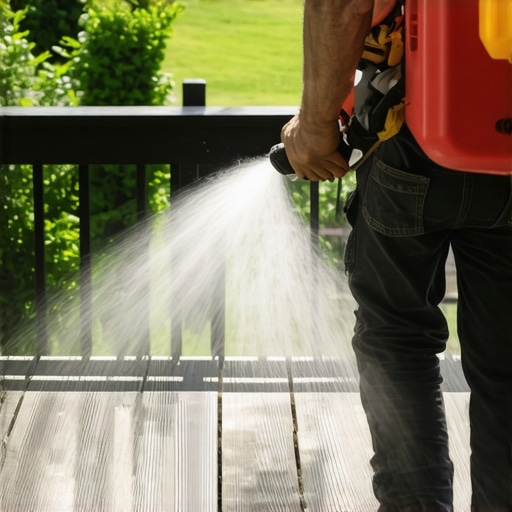
Why Your Cleaning Product Choice Can Make or Break Your Railing
When the deck actually gets dirty, I stay far away from the ‘heavy duty’ stuff. You need to know why you should never use bleach on your composite deck. Bleach can dry out the polymers in your railing and boards, leading to the very cracks that attract pests. I prefer a simple pH-neutral cleaner mixed with that peppermint castile soap I mentioned earlier. It keeps the composite decking secrets longevity tips for a lasting deck working in your favor. If you have an older structure, you might also want to check how to calculate footings for a hot tub on your deck before you add any heavy new furniture; structural stress causes the shifting that opens up those insect-friendly gaps.
The Next Decade of Pest-Proof Outdoor Living
I predict we are heading toward a future of ‘smart’ decking materials. I’ve already seen prototypes of composite boards that have non-toxic, insect-repelling properties embedded directly into the cap layer during manufacturing. Imagine a railing that naturally smells like cedar or mint to a wasp, but is odorless to us. Until that becomes the standard, the best defense is a tight structure. I challenge you this weekend to grab a ladder and look at the *underside* of your railing for five minutes. If you see a gap, seal it. It is the single most effective move you can make for a peaceful summer.
What I Learned After Three Stings and a Gallon of Peppermint Oil
After years of battling these winged invaders, I realized that I was looking at my deck all wrong. I saw a place to drink tea; they saw a fortress. Here are the lightbulb moments that changed everything for me. First, scent is their primary language. If you don’t erase the pheromone markers with a surfactant, you’re basically leaving the ‘Vacant’ sign on for next year’s colony. Second, don’t ignore the substructure; why pressure treated wood still needs maintenance under composite is often because pests find refuge in the damp darkness beneath your feet. Finally, fake decoy nests actually work—but only if you hang them in early spring before the scouts establish their territory. If you wait until June, you’re just adding decor to their neighborhood.
The Survival Kit for Your Deck Railing
You don’t need a massive budget to keep your perimeter secure, but you do need the right tools. I always keep a high-quality manual pressure sprayer dedicated solely to my peppermint oil mixture; cheap ones will clog and leak within a month. I also recommend a professional-grade exterior silicone caulk for sealing every gap in your custom railing systems. These tools, combined with a steady routine, ensure that composite decking secrets longevity tips for a lasting deck are actually effective. If you notice structural issues while you’re sealing gaps, knowing how to fix spongy deck boards without replacing the joist can save you a fortune in future repairs. #IMAGE_PLACEHOLDER_E#
Take Back Your Summer Sanctuary
Your deck should be a place of rest, not a battleground. By taking these small, proactive steps, you are doing more than just keeping bugs away; you are preserving the integrity of your home’s outdoor experience. Don’t let a few persistent insects dictate how you enjoy your property. With the right design choices and a bit of seasonal maintenance, your backyard will remain the peaceful retreat you intended it to be. It’s time to put down the fly swatter and pick up your favorite book. Your summer is waiting.
Have you ever discovered a wasp nest in a completely bizarre spot on your deck? Let me know in the comments below!