
I remember that crisp autumn evening vividly. I’d just finished a long day, and my toddler ran toward me on our beautiful new composite deck. I reached out to scoop him up, and *CRACK*—a blue spark jumped between us that sounded like a cap gun. He cried, I felt like a jerk, and suddenly, our dream outdoor space felt like a science experiment gone wrong. If you’ve ever been afraid to touch your own railing for fear of a lightning strike, you’re not alone. I spent months researching the best composite decking secrets for longevity, but I completely missed the chapter on the triboelectric effect. It turns out, that plastic-heavy surface you love for its low maintenance is a pro at hoarding electrons. We are going to solve this today. I will show you how I grounded my own space so we could actually enjoy a sunset without the fear of a shock.
Stop the Zaps Before the Kids Refuse to Go Outside
When I first started noticing the shocks, I thought I’d made a huge mistake. I had opted for a high-end setup to maximize outdoor living with low-maintenance composite decking, thinking it was the ultimate upgrade. But every time the air got dry, walking across the boards became a game of physical survival. The science is actually pretty simple, even if it is annoying. As you walk, your shoes rub against the synthetic materials in the boards. This friction strips electrons from one surface and deposits them on another. Since composite isn’t conductive like a copper wire, those electrons just sit there, waiting for a chance to jump to something—or someone—else. According to researchers at the University of Rochester, this triboelectric effect is the same reason a balloon sticks to your hair. On a deck, however, you aren’t a party trick; you’re the lightning rod. I once invited the neighbors over for a BBQ and watched my friend Dave nearly drop a tray of burgers because the metal handle of the grill zapped him. Talk about an embarrassing hosting moment. Have you ever had a guest jump back because they touched your railing systems?
Is the Static Problem Actually Permanent?
You might be wondering if you’re stuck with this electric personality forever. Early on, I was convinced I should have just stuck with wood, despite the rot and splinters. I even looked into why capped polymer composite stays cooler than wood-plastic to see if a material swap would have helped, but the reality is that any synthetic surface can have this issue in the right conditions. The good news is that you don’t need a degree in electrical engineering to fix it. We are going to look at everything from simple topical sprays to more permanent grounding solutions that hide right under the boards. It’s all about breaking that cycle of electron buildup so you can finally relax.
Spray Away the Spark Without Ruining the Finish
One of the fastest ways to handle the ‘zap’ is to treat the surface like a piece of laundry that’s been in the dryer too long. I once tried a DIY hack I read online using liquid fabric softener mixed with water. While it stopped the shocks for about three days, it turned my beautiful planks into a literal ice rink. Learn from my mistake: if you want a topical solution, use a dedicated anti-static spray designed for plastics. These sprays create a microscopically thin conductive layer that allows the static to dissipate into the air rather than your fingertips. This is especially helpful if you have followed composite decking trends and opted for high-gloss finishes which tend to be bigger static magnets. Just keep in mind that rain will eventually wash these treatments away, so you will need to reapply them after a heavy storm or a deep cleaning.
The Copper Wire Solution That Actually Works
If you want a ‘set it and forget it’ fix, you need to think like an electrician. Since your deck is essentially a giant plastic battery, you need a way to drain that energy into the ground. When I was building my second deck, I decided to run a bare copper wire (usually 12 or 14 gauge) along the underside of the boards. I used a staple gun to secure the wire to the top of the joists before the boards went down, ensuring the wire made contact with the bottom of the composite material. 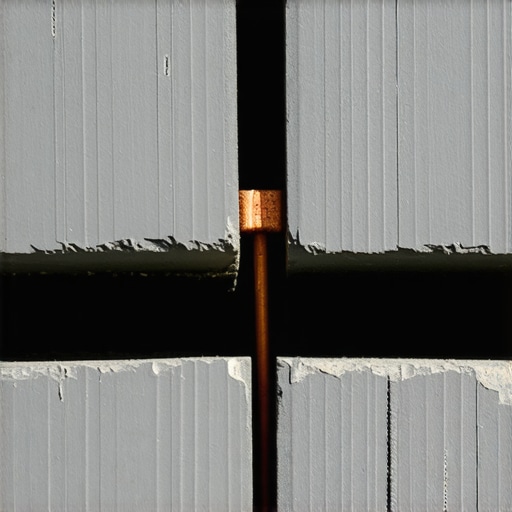
Connect Your Deck to the Earth
To make this work, that wire has to actually lead somewhere. I ran the end of my copper line down a post and attached it to a six-foot grounding rod driven into the soil. It sounds like overkill, but the difference was night and day. If you are already dealing with the hidden bracket trick for perfectly rigid railing posts, you can often tuck the wire right alongside your structural hardware so it remains completely invisible. This grounding method effectively ‘bleeds’ the static off the boards before it has a chance to build up to a painful level.
Use Your Railing as a Safety Valve
Your choice of perimeter can also play a huge role in how much of a shock you receive. If you have all-plastic railings, the static has nowhere to go. However, if you select the perfect railing system with metal components, like aluminum balusters or stainless steel cables, you create a natural discharge point. I’ve found that even if the deck itself is static-prone, touching a grounded metal post first with the back of your hand—which has fewer nerve endings—can safely discharge you before you grab a handle or a person. Just ensure the metal posts are connected to the frame in a way that allows the charge to move. I once helped a buddy who had composite decking expanding more than the manual says, which was putting pressure on his railing. We found that by adding a small grounding jumper between his metal railing and his house’s grounding system, we eliminated the ‘welcome home’ zap he got every time he touched his gate latch.
Don’t Let the Dust Build Up
Believe it or not, a dirty deck is a more electric deck. Fine dust particles and pollen act like little friction-increasing beads that ramp up the triboelectric effect. Keeping your space clean isn’t just about aesthetics; it’s about reducing the surface area for friction. Regular rinsing helps, but make sure you understand the expansion gap rule so you aren’t trapping moisture and debris in the seams, which can lead to other structural headaches while you’re trying to solve your electrical ones.People often tell me they chose composite because they wanted to ‘forget it exists.’ This is the biggest trap in modern innovative deck design ideas that elevate your homes curb appeal. Everyone says composite is a ‘set and forget’ product, but in my experience, the substructure usually fails before the surface even shows a scratch. If you treat your framing exactly like a traditional wood build, you are setting a timer on your investment.
Stop Falling for the Zero-Maintenance Marketing Trap
The reality is that while the boards themselves won’t rot, the wooden skeleton beneath them is more vulnerable than ever. A major ‘oops’ factor I see with DIYers and even some pros is skipping the protection of the frame. Because composite is non-porous, it traps moisture against the top of the wooden joists. According to reports from the Forest Products Laboratory, this creates a ‘micro-climate’ where fungal decay can actually accelerate faster than it would on an all-wood deck where the boards can breathe. This is why I consider the joist tape secret for doubling your decks lifespan a non-negotiable step. It creates a waterproof seal that ensures your high-end boards have a foundation that lasts just as long as they do.
Why Does My Deck Still Rattle Even After Tightening Every Screw?
If you have ever felt a strange vibration or heard a rhythmic ‘clack’ when you walk, you are likely dealing with improper joist spacing or poor fastener choice. Composite is significantly heavier and more flexible than cedar or pressure-treated pine. If you stick to the old-school 16-inch centers without checking the manufacturer’s specific span rating, you will inevitably end up diagnosing the structural reason your deck feels bouncy and how to fix it. 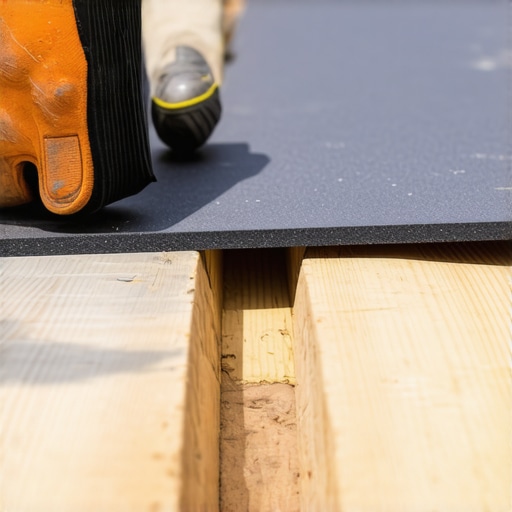 To truly fix the ‘shake,’ you often need to go back and use the simple blocking move that stops your deck from shaking when you walk, adding lateral stability that the heavy composite boards cannot provide on their own. Have you ever fallen into this trap? Let me know in the comments. Furthermore, the fasteners you use must account for the extreme thermal expansion of synthetic materials. If you use rigid screws on a long run, the boards will eventually snap the heads off or pull the screws right out of the wood. This is why your hidden fasteners are popping-up-in-heat, turning your sleek surface into a tripping hazard. When transforming your home with stunning deck design strategies, always opt for hidden clip systems that allow the board to slide slightly as it expands. It is these small, nuanced choices in the planning phase that determine whether you spend your weekends relaxing or repairing. If you want to maximize outdoor living with low-maintenance composite decking, you have to build for the science of the material, not just the look.
Stop Guessing and Start Modeling Your Space
I used to sketch my outdoor ideas on paper napkins, but when you are investing thousands into premium capped materials, a napkin is a recipe for expensive waste. This is why you need a 3d model before buying a single deck board. I personally started using 3D modeling software because it allows me to visualize how the shadows will dance through my pergola designs that turn your garden into a sanctuary at 4:00 PM in the middle of July. It helps me spot traffic flow issues, like a grill being too close to the stairs, before I have even purchased a single joist. If you are planning a complex multi-level space, seeing it in a virtual environment is the only way to ensure your composite decking secrets for longevity are built into the design from day one.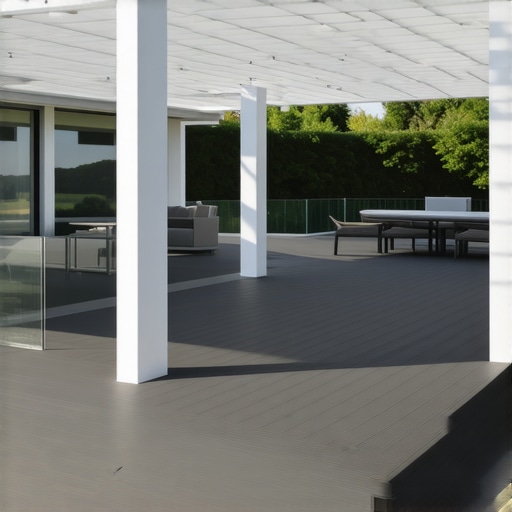
Why a Soft Brush Outperforms Any Power Washer
People often ask me what the ‘holy grail’ tool is for keeping a deck looking fresh five years down the road. They expect me to say a high-powered pressure washer, but I actually advise against them. I have seen too many homeowners etch permanent swirl marks into their boards with a 3000-PSI nozzle. My preferred tool is actually a simple, long-handled soft-bristle brush and a bucket of pH-neutral soap. Most importantly, you must understand why you should never use bleach on your composite deck. Bleach can be incredibly aggressive, potentially fading the UV-resistant pigments in the capping layer over time. Instead, I stick to a routine of a gentle sweep and rinse every few weeks. This is a core part of the 15-minute deck inspection every homeowner should do. It is during these quick cleanings that I catch the small things—like a loose screw or a clogged drainage gap—before they become structural headaches.
How do I maintain my deck structure for the next twenty years?
The longevity of your outdoor living space is determined by what happens beneath the surface. The North American Decking and Railing Association (NADRA) notes that deck failures are rarely the fault of the surface boards, but rather the failure of the connections where the wood frame meets the house. I swear by the flashing tape move that doubles the life of your joists. By sealing the tops of the pressure-treated lumber, I ensure that moisture cannot sit and rot the wood fibers. Looking toward the future, I predict we will see ‘smart decks’ becoming the norm—think boards with integrated sensors that alert your phone if moisture is trapped in the framing or if a post has begun to shift. For now, the best ‘smart’ move you can make is manual vigilance. I want you to try this: take a simple screwdriver and poke the wood at your ledger board this weekend. If it feels soft like a sponge, you need to address it now. This proactive approach is the real secret to maximizing outdoor living with low-maintenance composite decking.
500 Sunsets Taught Me These Three Hard Truths
After years of living on synthetic boards, I have realized that the best technical manual can’t replace real-world experience. First, you have to prioritize the barefoot factor. Even when you understand why capped polymer composite stays cooler than wood-plastic, the sun is still a powerful force. If you live in a high-UV area, choose lighter tones or you will be wearing flip-flops even to grab the mail. Second, the ‘hidden’ in hidden fasteners is sometimes a temporary state. I’ve seen why your hidden fasteners are popping-up-in-heat, and it usually comes down to not leaving enough room for the material to breathe and move. Finally, don’t overlook your pets. Before you commit to a specific brand, perform the scratch test for dog claws on a sample board. It’s much easier to swap a sample than to stare at gouges from your Golden Retriever for the next twenty years.
Tools That Actually Make a Difference for Your Foundation
If I were starting a new project tomorrow, these are the resources I would never skip. I am a firm believer that you need a 3d model before buying a single deck board. It isn’t just about aesthetics; it’s about calculating the exact load-bearing points for your furniture and avoiding expensive off-cuts. #IMAGE_PLACEHOLDER_E# For the physical build, my ‘holy grail’ is high-quality butyl tape. Using the joist tape secret for doubling your decks lifespan is the single most cost-effective thing you can do. It stops the moisture trap between the board and the frame that causes invisible rot. Lastly, for those in dry climates, keep a bottle of ACL Staticide or a similar plastic-safe anti-static spray in your cabinet. It’s the perfect temporary fix for those transition months when the air loses its humidity and the sparks start flying.
Start Building Your Shock-Free Sanctuary Today
Your outdoor space should be a place where you can disconnect from the world, not feel like you are connected to a live wire. By combining smart construction techniques like grounding wires with proper material choices, you can truly maximize outdoor living with low-maintenance composite decking. The goal is to build a structure that is as technically sound as it is beautiful. Don’t let the fear of a little static electricity or the complexity of the framing stop you from creating your dream backyard. With the right foundation and a bit of ‘insider’ knowledge, your composite decking will be the setting for a lifetime of worry-free summer nights. Have you ever dealt with a ‘lightning-strike’ deck, or are you just starting your planning process? Let me know your biggest hurdle below!