
The July sun was absolutely relentless that Saturday afternoon. I had the grill going, the burgers were sizzling, and I realized I’d left the spatula inside. Without thinking, I stepped out onto my brand-new deck barefoot. **Big mistake.** It felt like I’d planted my feet directly onto a cast-iron skillet. I spent the next ten minutes doing a frantic, high-kneed dance back to the kitchen, much to the amusement of my neighbors. That was my ‘lightbulb moment’—well, more like a ‘scorched-sole moment’—where I realized that not all composite decking is created equal. My failure to research the thermal properties of the boards meant I’d built a beautiful space I couldn’t actually stand on between noon and 5 PM.
Why My First Composite Deck Felt Like a Pizza Oven
If you’re currently planning a project, you’ve probably heard the term ‘wood-plastic composite’ (WPC) tossed around. I used to think it was the gold standard, but the reality is that the wood fibers inside those boards actually trap heat. This is exactly why black composite decking burns your feet so aggressively. Wood-plastic composites are essentially a dense mix of sawdust and plastic. While they look great, that wood content acts as a thermal battery. Today, I’m going to show you why switching to capped polymer—which is 100% cellular PVC—is the single best move you can make for a summer-friendly space. We’re going to dive into the molecular differences that keep these boards comfortable, so you don’t end up regretting your investment when the mercury hits ninety. I’m promising you that by the end of this, you’ll know exactly how to pick a surface that won’t require a pair of sneakers just to go flip a burger. [image]
Is this just a clever marketing ploy to charge me more?
I get the skepticism. When a contractor first told me about capped polymer, I thought it was just a way to pad the invoice. I had already looked into how to maximize outdoor living with low maintenance composite decking, and I figured WPC was ‘good enough.’ I was wrong. The mistake I made early on was assuming that because it looked like wood, it would behave like wood. I ignored the heat warnings. But here’s the reality: According to a technical study by Intertek Testing Services, capped polymer materials can maintain surface temperatures up to 30 degrees lower than traditional composites because they lack the organic thermal mass. Capped polymer is engineered with heat-dissipating pigments that reflect sunlight rather than drinking it in. Have you ever had to beat a hasty retreat from your own deck because it was simply too hot to handle? Drop a comment below—I want to hear your ‘lava deck’ stories. It’s one of the biggest reasons why wood-look composite often fails the barefoot test in real-world conditions. This isn’t just about comfort; it’s about making sure your deck remains a sanctuary rather than a no-go zone.
Spot High-Quality Polymer Without Being a Scientist
Buying decking is a bit like buying a used car—the shiny exterior can hide a lot of mechanical trouble. To make sure you’re getting the cool-touch benefit, you need to know how to identify high-quality capped decking from the cheap stuff. Look closely at the end grain of the sample. If you see wood fibers or a ‘fuzzy’ texture inside the core, it is a standard wood-plastic composite (WPC) that will inevitably absorb heat. You want to see a consistent, dense cellular structure—think of it like a high-density sponge versus a block of particle board. High-quality polymer reflects IR rays, which is the primary reason why wood-look composite often fails the barefoot test in direct sunlight. If the board feels like solid plastic all the way through, you’re on the right track.
Shield Your Surface with a Strategic Pergola
Think of a pergola as a giant pair of sunglasses for your deck. It is not just about the aesthetic flair; it is about breaking up the UV path before it hits your feet. When I built a cedar structure over my south-facing zone last summer, I used the 15-degree cut that keeps water off your pergola beams to prevent rot, but the real victory was the temperature drop. By implementing pergola designs that turn your garden into a sanctuary, you can actually lower the surface temperature of the boards by another 10 to 15 degrees. It is the difference between needing flip-flops just to check the grill and being able to walk out in your socks comfortably. Don’t forget the stability, though. I once saw a beautiful structure practically take flight because the owner ignored why your pergola needs knee braces. Those 45-degree supports create the triangles that keep the whole system from swaying when the afternoon breeze picks up. 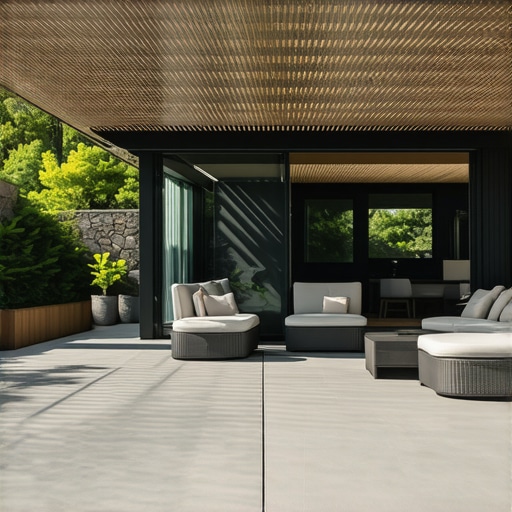
Don’t Let Your Railing Become a Heating Element
If the floor is cool but the handrail is scorching, you have only solved half the problem. This is exactly why your black aluminum railing gets too hot to touch during a July heatwave. Metal conducts heat faster than almost anything else in your backyard. When you are learning how to select the perfect railing system for every deck, consider light-colored composites or even glass panels. When I was first installing a cable system, I realized that how to tension cable railings without specialized expensive tools was more about patience than brute force. Using a simple turnbuckle saved me hundreds on a proprietary kit and kept the lines clean without adding a thick, heat-absorbing metal top-rail.
Get Your Board Gaps Right the First Time
Thermal expansion is a real beast for synthetic materials. I remember a DIY project I helped a neighbor with where we jammed the boards tight against each other because we thought it looked ‘seamless.’ Within two months, the boards expanded in the ninety-degree heat and started ‘crowning’—popping up in the middle like a cheap tent. Now, I always use the cardboard spacer trick for consistent board gaps. It is a simple piece of heavy-duty shipping cardboard used as a shim during the fastening process. It provides just enough breathing room for the polymer to expand without warping the frame. It is a low-tech solution for a high-tech material that prevents your deck from becoming a trip hazard when the mercury rises.I used to think that as long as I hit the local building code requirements, my deck would feel like a concrete slab. I was wrong. The biggest myth in the industry is that ‘meeting code’ equals ‘high quality.’ Code is a minimum safety standard, not a comfort standard. If you want a premium feel, you need to look at the structural reason why your composite deck feels like a trampoline. In my early days, I assumed 16-inch joist spacing was plenty for any material. But as I started using higher-end polymers, I realized that some of these boards have more ‘flex’ than traditional lumber. To fix this, you don’t just need more wood; you need a strategic layout that minimizes deflection. This is why I swear by the staggered joist trick for ultra-long deck spans. It’s a nuance that separates the pros from the weekend warriors. 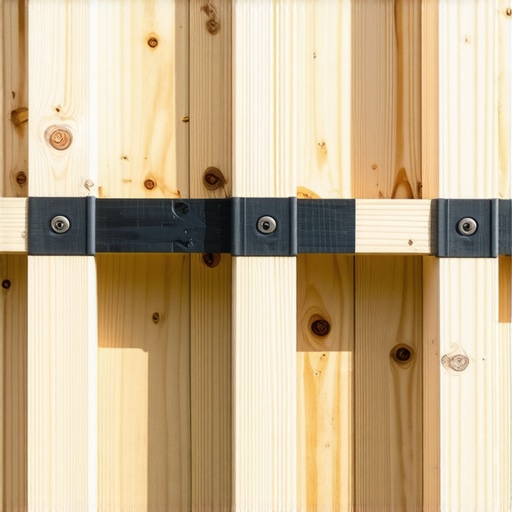
How do I know if my deck frame is actually failing or just ‘flexible’?
This is a question I get from homeowners who start hearing creaks after a few seasons. According to the American Wood Council’s (AWC) Design for Code Acceptance, deflection is measured by the length of the span divided by a specific factor (usually L/360 for live loads). If your deck is within that range, it’s safe, but it might still feel ‘spongy.’ To truly diagnose the health of your structure, you should learn how to test your deck for structural fatigue rather than just guessing. I once saw a deck that looked perfect on the surface, but the homeowner had ignored why pressure-treated wood still rots under joist tape. They assumed the chemical treatment was a magic shield. It’s not. Water trapped between the board and the joist is a silent killer. Have you ever noticed a soft spot on your deck that felt fine last year? Drop a comment below—I’m curious if you found rot or just a loose fastener.
Stop Your Railing from Shaking Once and for All
Most people think a wobbly railing just needs longer screws. That is a dangerous ‘trap’ to fall into. The wobble usually starts at the base because of poor blocking. I’ve transitioned away from standard surface mounts and now only use the hidden bracket trick for perfectly rigid railing posts. This creates a solid connection to the frame that no amount of wind or leaning can budge. If you’re building on a budget, don’t skip the blocking. It’s the difference between a railing that protects your family and one that makes them nervous to lean on the edge. While you are at it, make sure you are not making the 3-inch screw mistake that ruins composite joists. Using the wrong fastener can split the internal structure of your deck frame, leading to a much more expensive repair down the road. It’s these small, invisible choices that dictate whether your deck lasts ten years or thirty.Once the last screw is driven and the pergola stands tall, the real work—the easy work—begins. I used to be the guy who thought a 3000 PSI pressure washer was the answer to every outdoor stain. I learned the hard way that high pressure can actually ‘fuzz’ the surface of even high-end boards. That’s exactly why you should never use a pressure washer on composite materials. It opens up the pores and makes them more susceptible to mold. Instead, I rely on a simple $15 soft-bristle deck brush and a bucket of warm water. For the really stubborn organic stains, I’ve found that the vinegar and water mix cleans composite better than chemicals, and it won’t kill the hydrangeas planted right next to the stairs. According to technical bulletins from the North American Deck and Railing Association (NADRA), a comprehensive annual safety inspection is the only way to catch structural fatigue before it becomes a liability. I take this seriously. Every April, I do a ‘walk-about’ with a flashlight, checking for any signs of movement or loose fasteners. If you’re worried about your furry friends, don’t panic—there are proven ways how to stop your dog from scratching your composite boards that don’t involve banning them from the yard. Looking ahead, I see ‘smart decks’ becoming the norm. We’re already seeing the rise of integrated moisture sensors that can alert you to buildup under the joists via a smartphone app. Until that tech is affordable for every homeowner, your best bet is sticking to composite decking secrets and longevity tips that have stood the test of time.
How do I keep my polymer deck looking new for decades?
The secret isn’t a fancy sealant or expensive chemical wax; it’s actually about preventing heat and oil damage before they set in. If you’re hosting a BBQ, use a heavy-duty grill mat. Polymer is incredibly tough, but a glob of hot grease left in the sun for three days is a nightmare to lift. If you do miss a spot, the soap and sponge fix for oil stains on composite decking is usually enough to save the day if you catch it within 48 hours.  As the sun sets on your project, you’ll want to think about ambiance and safety. I’ve started using the low-voltage lighting trick for highlighting deck levels because it adds a layer of depth that standard porch lights just can’t match. It’s about transforming the space from a daytime sunpad to an evening retreat. If you’re ready to take your backyard to the next level, I challenge you to try the staggered joist trick for ultra-long deck spans on your next build. It’s an advanced framing move, but the rock-solid, zero-flex feel underfoot is worth every extra minute of layout time. Don’t settle for ‘good enough’ when a few professional tweaks can make your deck the envy of the entire neighborhood.
The Harsh Truth About Your Backyards Thermal Reality
Building a space that looks good on social media is easy; building a space you can actually use at 2:00 PM in August is the real challenge. One of my biggest lightbulb moments was realizing that composite decking is an investment in thermodynamics as much as it is in aesthetics. If you choose the wrong core material, you are essentially building a solar collector. I have learned that you should never trust a brochure that claims ‘heat resistance’ without looking for the presence of organic fillers like sawdust. Another lesson that hit me hard was how easily we overlook the substructure. I used to think the frame was invincible until I saw how quickly water destroys beams; now, I always check why pressure-treated wood still rots under joist tape before I even lay the first board. Finally, remember that your choice of color is not just about matching the house—it is about thermal management. Darker boards will always fight the sun, regardless of the brand.
The Toolkit for a Deck That Actually Outlives the Mortgage
I have narrowed down my ‘must-haves’ to a few essential resources that keep my projects from failing. First, I always keep a digital copy of the NADRA Safety Inspection Checklist on my phone; it is the gold standard for ensuring a structure is sound. For the actual build, I swear by a simple, high-quality soft-bristle deck brush rather than any fancy motorized tools for cleaning. When it comes to the technical details of the install, I frequently refer to the shim trick for leveling a railing on a sloped deck to save hours of frustration. For inspiration that goes beyond the standard big-box store look, I spend time browsing pergola design inspiration from modern to classic looks. These resources provide the technical depth that generic hardware store advice usually lacks.
Stop Dreaming and Start Planning Your Cool-Touch Oasis
You deserve an outdoor space that feels like a natural extension of your home, not a hazardous zone you have to navigate with heavy boots. By choosing materials like capped polymer and implementing smart deck design strategies, you are creating a sanctuary that will last for decades. Do not be afraid to spend a little extra on the features that matter, like moisture protection and cool-touch surfaces. These composite decking secrets and longevity tips are the difference between a deck that looks tired in five years and one that stays vibrant for thirty. It is time to stop worrying about the heat and start enjoying the sunset. What is the biggest thermal challenge you have faced in your backyard—is it the floor, the railing, or just a lack of shade? Let me know in the comments below!