
I stood in my driveway three years ago, squinting at a dozen tiny plastic rectangles scattered on my porch like some kind of sad homeowner’s puzzle. My house is a classic, crisp white—the kind that’s supposed to go with everything, right? Wrong. I confidently picked a light, silvery gray, thinking it would look modern and clean. Instead, once the 400 square feet of boards went down, my house looked like a sterile doctor’s office in the middle of a forest. The ‘bright’ white siding made the ‘light’ gray look like dirty dishwater. It was a gut-punch realization that cost me plenty in regret and eventually a full replacement. If you’re staring at those same swatches right now, I want to save you from that sinking feeling. Today, we’re diving into the specific science of balancing white siding with the right warmth and tone so your outdoor space actually feels like a home. [image-placeholder]
Stop Thinking White Goes with Everything
A white house is actually a high-contrast challenge, not a free pass. When you choose a low-maintenance composite decking, you have to account for how the sun bounces off that siding. One major mistake I made was ignoring undertones. White paint usually has a hint of blue, yellow, or gray. If your house has ‘cool’ white siding and you put down a warm, orange-toned cedar deck, the house will look blue and the deck will look like a basketball court. It’s a clash that ruins the vibe instantly. Many people look at composite decking trends and pick what’s popular, rather than what works with their specific shade of white. According to the color experts at Behr, the Light Reflectance Value (LRV) of your siding can dramatically change how dark a deck looks at high noon. It’s also worth noting that certain 7 composite colors that look terrible under LED lights can look great at noon but ghastly during your evening dinner parties.
Are Bold Contrast Colors Actually Worth the Risk?
You might be tempted to go with a deep charcoal or a black deck to get that ‘modern farmhouse’ look. It looks great on Pinterest, but have you considered the ‘barefoot test’? I’ve seen homeowners go dark only to realize why black composite decking burns your feet during a July BBQ. Before you commit to that high-contrast look, ask yourself: are you willing to wear shoes every time you step outside just for the sake of an aesthetic? We need to find the ‘Goldilocks’ zone—the color that provides enough contrast to look intentional but enough warmth to keep it inviting. You also need to think about how to match your railing to your house siding to tie the whole project together. Have you ever picked a color that looked great in the store but totally changed once it was against your house siding? Send me your horror stories because I’ve definitely been there.
Find Your White Siding’s Secret Undertone
Before you even look at a deck board, you have to play detective with your siding. Hold a sheet of pure white printer paper against your house at noon. If the siding looks yellow next to the paper, you have a warm white; if it looks blue or crisp, it’s a cool white. This matters because a warm white siding paired with a ‘slate gray’ deck will make your house look like a dirty antique. I learned this the hard way when I tried to pair a ‘cool’ coastal gray with a ‘creamy’ ivory siding—the house ended up looking like a nicotine-stained wall. To get it right, match your railing to your house siding by sticking to the same temperature. Warm whites love browns and tans; cool whites thrive with grays and blacks.
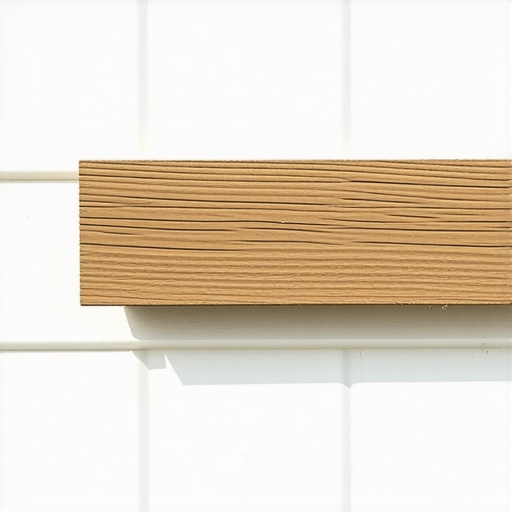
Manage the Glare with the Right Reflectance
White siding acts like a giant mirror. It reflects a massive amount of UV light directly onto your deck surface. If you choose a dark charcoal board, that reflection turns your deck into an oven. This is why many people wonder why black composite decking burns your feet even on mildly warm days. When the white siding bounces extra heat onto a dark surface, the temperature can skyrocket by an extra 20 degrees. Think of it like wearing a black t-shirt while standing next to a wall of mirrors in the desert. If you’re dead set on dark colors, look for boards with high-density cooling technology or lean toward mid-tone ‘weathered’ woods that absorb less energy.
The Framing Move That Saves Your Sightlines
When you’re looking down through the gaps of your new composite boards, you don’t want to see bright green pressure-treated lumber. It’s a total amateur move that ruins the sleek look of a white-on-gray or white-on-brown aesthetic. One trick I always use is to paint your deck joists black under composite. This creates a ‘shadow gap’ effect that makes the deck colors pop against the white house. It’s like putting a black frame around a piece of art; it hides the ‘guts’ of the structure and keeps the focus on your design. This is especially critical if you are adding a pergola design that turns your garden into a sanctuary, as the overhead shadows will naturally draw the eye downward toward those gaps.
Try the Wet Sand Test Before You Buy
Never trust a dry sample in a showroom. I once bought three boxes of ‘natural oak’ composite that looked perfect in the store, but once it rained, the boards turned into a slick, plastic-looking mess that clashed horribly with my siding’s matte finish. You need to perform the wet sand test for choosing the right composite texture. Throw some damp sand on your sample and see how it cleans up and how the color shifts when wet. If the texture is too smooth, it will look like cheap plastic next to your high-quality siding. If it’s too deep, it’ll trap dirt that makes your white house look dingy by association. Balance is everything when you’re trying to elevate your home’s curb appeal.
I’ve seen dozens of ‘perfect’ white-house-with-gray-deck projects fall apart because the homeowner prioritized aesthetics over physics. Most people think hidden fasteners are the pinnacle of luxury because they offer that seamless surface. However, in my years of experience, I’ve found that why hidden fasteners fail on wide-profile boards often comes down to the simple fact that composite moves more than you think. If you’re in a climate with big temperature swings, those clips can’t always handle the sheer force of a 12-inch board expanding. According to research from the USDA Forest Products Laboratory, wood-plastic composites experience significant linear thermal expansion, which can lead to ‘crowing’ or clip failure if the expansion gaps are ignored. You end up with a deck that looks like a series of small hills instead of a flat floor.
Why does your high-end deck feel like a trampoline?
This usually isn’t a board problem; it’s a framing oversight that many DIYers and even some pros miss. Most standard builds stick to 16-inch joist centers, but for a truly rock-solid feel, 12-inch centers are the ‘expert move’ for composite. This is specifically why your composite deck feels like a trampoline when you walk across it—the material is naturally more flexible than cedar or pressure-treated pine and demands more frequent structural support. If you’ve already finished the deck and it’s too late to add joists, you might need to look into the simple way to fix a sagging deck beam or add mid-span blocking to stiffen the frame.
Stop Your Pergola from Becoming a Giant Sail
And don’t get me started on pergolas. A common myth is that weight equals stability. I’ve seen heavy, beautiful timber structures lift right off their piers because the builder ignored the ‘uplift’ factor during a high-wind event. If you don’t understand the structural reason your pergola is leaning, you’re essentially building a giant sail attached to your home. You need to use the steel bracket move for high-wind pergolas to ensure that your white-on-white dream doesn’t end up in the neighbor’s yard after a summer storm.
The Black Railing Heat Trap
Finally, there’s the black railing trap. Against a white house, black aluminum looks incredibly sharp and provides that high-contrast ‘modern farmhouse’ vibe everyone is chasing right now. However, black finishes are aggressive heat sinks. I’ve had many homeowners ask me why their black aluminum railing gets too hot to touch—it’s because dark powder-coatings can reach surface temperatures of 160°F in direct sunlight. If you have small children or pets, that ‘modern’ look can actually become a safety hazard during a July BBQ. Have you ever fallen into this trap or made a design choice that looked great but performed poorly in the real world? Let me know in the comments.
Ditch the Standard Drill for a Dedicated Depth Jig
I used to think I could ‘feel’ when a screw was flush, but after installing five hundred boards, my hand would cramp and the results were embarrassing. Now, I never start a project without using the jig I use for consistent deck screw depth. It is a small tool that physically stops the bit at the exact same millimeter every single time, ensuring the fasteners are perfectly recessed without tearing the surface. Without it, you end up with ‘mushrooming’—that ugly little ring of plastic that bulges up around the screw head. On a white-sided house, those tiny imperfections cast small, distracting shadows that make the whole deck look like it was built in a hurry. If you want that high-end finish, precision isn’t optional; it is the core requirement.
How do I maintain my composite deck and pergola over time?
People buy composite because they want to ‘forget’ about maintenance, but that is a dangerous mindset. While you won’t be staining or sanding every two years, you still need to fight the elements. I always tell my clients to use the vinegar and water mix that cleans composite better than chemicals once every spring. It is gentle enough not to strip the UV-protective cap but strong enough to neutralize the mold spores that hide in the texture. And whatever you do, understand why you should never use a pressure washer on composite. High-pressure water can actually tear the micro-fibers on the surface, creating a permanent ‘fuzz’ that traps dirt and makes your deck look dingy within months.
The Invisible Threat Hiding Under Your Boards
Your composite boards might last twenty-five years, but your pressure-treated frame is likely on a much shorter countdown. According to the North American Deck and Railing Association (NADRA), millions of decks currently in use are past their safe life, often due to ledger failure or hidden joist rot. Every two years, you should perform the structural vulnerability assessment for checking deck joist rot. I take a flat-head screwdriver and poke the tops of the joists through the gaps in the boards. If the metal sinks in like butter, your frame is compromised, even if the boards on top look brand new. This is why following composite decking secrets longevity tips for a lasting deck is so vital; you have to protect the skeleton of the structure, not just the visible skin.
What the Future of Outdoor Living Looks Like
Looking ahead, I see a massive shift toward fully integrated smart systems. We are moving toward elevate your backyard innovative deck design ideas for 2025 where cooling technology is built into the material and pergolas feature automated sensors to close during sudden rain. I suspect we will see more bio-based resins that don’t have the heat-retention issues of current PVC-heavy options, making darker colors safer for bare feet. If you are ready to stop guessing and start building, grab a scrap piece of your siding and head to the lumber yard today—don’t buy a single board until you’ve seen the color sample in the specific light of your own backyard.
Hard Truths from My Failed 400-Square-Foot Deck
Building a deck against white siding isn’t just a construction project; it’s an exercise in light management. One of my biggest lightbulb moments was realizing that the deck isn’t just a floor—it’s a massive reflector. If you ignore how light interacts with your house, you’ll end up with a space that feels clinical rather than cozy. Here are the lessons I learned the hard way.
- The 48-Hour Sample Rule: Never commit to a color until you’ve watched how the sun moves across it for two full days. White siding changes dramatically from morning to dusk.
- Structure Is Invisible But Feels Real: I learned that the framing move that stops deck boards from bouncing is more important for long-term satisfaction than picking the perfect shade of gray.
- Manage the Visual Gaps: Using the shadow box fence move for private deck layouts can help break up the monotony of a massive white exterior wall and add necessary depth to your outdoor living space.
My Personal Arsenal for a Professional Build
I don’t believe in overcomplicating things, but these three items are non-negotiable for my personal projects. First, the jig I use for consistent deck screw depth ensures a flawless surface that won’t snag your socks or catch dirt. Second, I keep a gallon of white vinegar on hand because the vinegar and water mix that cleans composite better than chemicals is the only thing I trust to keep the boards looking fresh against crisp white siding without damaging the finish. Finally, I always keep the North American Deck and Railing Association safety manual bookmarked to ensure every beam and ledger is up to code before the first board is even laid.
Your Backyard Vision Is One Step Away
The transition from a sterile white house to a warm, inviting outdoor sanctuary happens in the details. By respecting undertones, managing heat, and reinforcing your structure, you’re not just building a deck; you’re creating a legacy for your home. Your deck design should be a reflection of your lifestyle, not just a Pinterest trend. Take that first step today—grab your samples, check your siding temperature, and start building the retreat you deserve. [image-placeholder]
What’s the one thing holding you back from starting your white siding deck project? Let me know in the comments below!