
I’ll never forget the sinking feeling in my gut when the crane lowered my brand-new 400-gallon spa onto my freshly stained deck. It didn’t look like a luxury retreat; it looked like an industrial dumpster had crashed into my peaceful sanctuary. I’d spent months obsessing over composite decking trends and picking the perfect railing systems, only to have this massive, tan-colored plastic cube ruin the entire aesthetic. It was a total design disaster. If you’re feeling that same dread—or trying to avoid it—you’re in the right place. Today, we’re going to walk through the exact strategies I used to fix that mess and turn a clunky appliance into a seamless part of stunning deck design strategies.
Ditch the Giant Plastic Box Look
The biggest mistake I made early on was thinking a hot tub was just another piece of furniture. It’s not. It’s a structural behemoth that demands its own zip code. According to the Pool & Hot Tub Alliance, a standard filled hot tub can weigh upwards of 5,000 pounds once you add water and people, which is an incredible amount of pressure on any frame. I actually skipped the proper footing calculations on my first attempt, and the resulting “deck sag” was enough to keep me awake at night. We want to avoid that “afterthought” look where the tub just sits on top like a sore thumb and instead focus on innovative deck design ideas that prioritize flow.
Is This Design Actually Worth the Extra Work?
You might be wondering if it’s easier to just throw a few potted plants around the base and call it a day. Trust me, it isn’t. Integrating the tub into your diagonal board layout doesn’t just look better; it makes the space more functional. When you hide the sides, you create better traffic flow and more room for outdoor entertaining. Have you ever felt like your hot tub was just taking up way too much prime real estate on your deck? Shoot me a message—I’d love to hear your layout frustrations.
The Hidden Benefit of the Semi-Sunken Approach
One of the most effective ways to blend the tub is the semi-sunken approach. Instead of dropping it all the way to the ground—which makes maintenance a nightmare—you drop it about 12 to 18 inches. This allows the rim of the tub to act as a natural seating area. It’s a clever built-in bench secret that also solves the visual height problem. Just make sure you leave enough room for access; I once saw a neighbor build a beautiful pergola over a sunken tub and then realize he couldn’t get the side panel off to fix a pump leak. We’re going to ensure your design is as practical as it is pretty.
Build for 5,000 Pounds or Watch Your Deck Sink
Most people treat deck joists like they’re just holding up a few chairs and a BBQ. But a hot tub is a different beast entirely. Think of it like parking a heavy SUV on your living room floor; you can’t just rely on standard spacing. You need to double up those joists and add extra support posts directly under the tub’s footprint. I once saw a DIY job where the owner used standard 16-inch spacing for a 6-person tub. Within three months, the deck had developed a visible bowl shape, and we had to perform a massive rescue operation to address the structural reason your deck feels bouncy. To avoid this, use a dedicated sub-frame for the tub area that is separate from the main deck if possible. This isolates the vibration and the immense weight from the rest of your living space.
Leave a Way to Fix the Pump Later
This is where aesthetic goals often clash with reality. You want that tub tucked tight against the boards, but every hot tub has a heart—the equipment panel. If you block that panel with permanent decking, you’re setting yourself up for a nightmare. I remember helping my cousin Dave; we built this gorgeous wrap-around tub deck that looked like a magazine cover. Two months later, a heater sensor failed. Dave actually had to use a circular saw on his brand-new, expensive boards just to get the access door open. It was heartbreaking. To prevent this, I always use the secret to installing deck boards around a hot tub: create a removable hatch or a trap door section. You can use hidden fasteners so it blends perfectly, but when the pump eventually needs service, you simply unscrew a few boards instead of destroying your hard work.
The Picture Frame Finish for a Clean Edge
To really kill that plastic box vibe, you need a transition piece. This is where the double joist trick for perfectly flush picture frame borders comes into play. By running a perimeter board in a contrasting color around the tub opening, you define the space and hide the raw edges of your main deck boards. It’s like adding a professional matte to a photograph. If you’re using composite decking secrets like matching the grain patterns, you can make the tub look like it grew out of the deck naturally. I also recommend a darker fascia color for the vertical parts of the tub surround; why contrasting fascia colors make your deck architecture pop is a lesson every builder learns eventually. It draws the eye away from the plastic shell and toward the craftsmanship of the structure.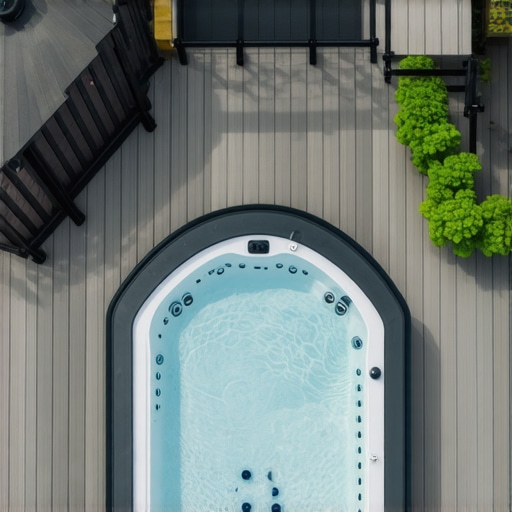
Keep Your Feet Dry and Your Joists Rot-Free
Water is the enemy of any deck, but it’s a constant companion for a hot tub. Between splashing kids and the occasional overflow, the area under your tub is going to stay damp. If you’re building close to the ground, you must master the drainage secret for decks built close to the ground. I always apply the flashing tape move that doubles the life of your joists to every single beam around the tub. Without it, the trapped moisture between the board and the joist will rot the wood in half the time. It is a five-minute task during the build that saves you a ten-thousand-dollar replacement down the road. Finally, use the secret to making composite decking look like real wood by choosing variegated boards, which happen to hide water spots and mineral deposits much better than solid, flat colors.Stop believing the maintenance-free marketing hype that comes with every box of boards. While you certainly want to maximize outdoor living with low maintenance composite decking, ‘low’ does not mean ‘no.’ One of the biggest traps I see homeowners fall into is treating their composite deck like a concrete driveway. Why you should never use a pressure washer on composite is a lesson usually learned through permanent scarring of the material; that high-pressure stream can delaminate the capped layer and force water into the core, leaving it vulnerable to internal rot. Instead of high pressure, lean into composite decking secrets like a simple soft-bristle scrub and pH-neutral cleaners to keep the warranty intact. Have you ever accidentally damaged your boards trying to get them clean? Let me know in the comments.
Why Does Your High-End Composite Still Fail the Barefoot Test?
It is a common frustration: you spend top dollar on a deck only to find it’s a frying pan by noon. This is where why wood-look composite often fails the barefoot test becomes a critical distinction. Most people assume all synthetics are the same, but the chemistry matters significantly. Why capped polymer composite stays cooler than wood-plastic blends comes down to heat dissipation in the PVC-based cores versus the wood-flour cores that trap heat like a brick. If you live in a high-sun area, skipping this nuance means your luxury retreat becomes unusable for half the day. 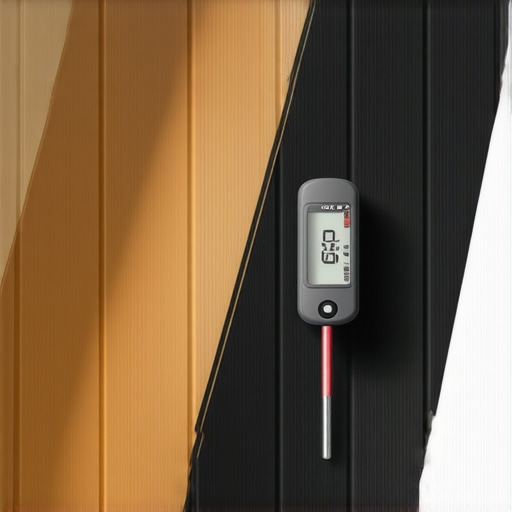
Cut the Cord to Your House
Most DIYers think bolting a structure to the house is the sturdiest move, but the ledger-free pergola: why freestanding is often better is a philosophy I swear by for long-term structural health. According to the North American Deck and Railing Association (NADRA), the ledger board is the primary point of failure in most residential deck collapses. By building a freestanding pergola, you eliminate the risk of house-wall rot caused by improper flashing and simplify your 15-minute deck inspection because you aren’t worrying about hidden ledger rot behind a heavy beam. It also allows the structure to move independently from the house, preventing the ‘tug and pull’ that often leads to cracked siding or window leaks over time.
Why Is Your ‘Lifetime’ Railing Starting to Sag?
You bought the high-end stainless steel cables, yet why your cable railing sagged over winter remains a mystery to most builders. The nuance most people miss is ‘thermal contraction.’ Metal and wood expand and contract at different rates. If you didn’t use the tensioner secret for tight cable railings, the winter deep-freeze can actually pull your structural posts out of plumb, leading to permanent slack when things warm back up. It’s not just about safety; it’s about the physics of the materials. Before you finalize your layout, perform why you need a 3d model before buying a single deck board to visualize how these tension points interact with your framing. Don’t let a small hardware oversight ruin a premium custom railing system for safety and style. Digging into these structural details now ensures your deck doesn’t just look good in the brochure, but stands firm for decades.If you have ever tried to mark a cut line on deep charcoal or midnight-black boards, you know the literal headache it causes. I never step onto a job site without a white grease pencil; it is the pencil trick for marking dark composite boards that separates the pros from the frustrated DIYers. Precision at this stage prevents the unsightly gaps that eventually lead to debris buildup and rot. When I see a structure that lacks stability, the culprit is often found in the spacing. To avoid the bouncy, cheap feel, you must understand why your composite deck feels like a trampoline and correct it by using a dedicated deck jig like the Kreg Deck Pro. This tool ensures that your hidden fasteners are driven at the perfect angle every single time, preventing the wood from splitting and the boards from shifting as the seasons change.
How do I maintain my composite deck and pergola over the long haul?
Maintenance is less about hard labor and more about using the right chemistry. I have seen homeowners ruin a twenty-thousand-dollar investment in one afternoon because they didn’t know why you should never use bleach on your composite deck. Bleach is a harsh oxidizer that can break down the UV-inhibitors in the cap layer, leading to premature fading and a chalky finish. Instead, I recommend a simple mixture of Dawn dish soap and warm water applied with a soft-bristle brush. This keeps the material supple and protects the composite decking secrets of longevity. When winter hits, resist the urge to use a metal shovel. Understanding the best way to handle snow removal on composite decks—which always involves plastic-edged tools and sweeping—will save your surface from permanent gouges that no amount of heat-gunning can fix.
Don’t Let Your Ledger Fail in Silence
The most dangerous part of any deck is the part you can’t see. According to the American Wood Council’s DCA 6 (Prescriptive Residential Wood Deck Construction Guide), the ledger connection is responsible for nearly 90% of all deck-related failures. This is why I swear by the 10-minute flashlight test for finding hidden ledger rot. Once a year, get under there and look for the white, fuzzy growth of wood-decay fungi or the orange streaks of rusting fasteners. If you spot a dip in the frame, you need to act fast with the simple way to fix a sagging deck beam by adding sistered joists or adjustable post bases. This isn’t just about aesthetics; it’s about making sure your custom railing systems for safety and style remain anchored to a solid foundation. Looking ahead, I predict we will soon see smart-load sensors integrated into residential joist systems, notifying homeowners of structural stress via their smartphones. For now, your best defense is a keen eye and a high-lumen flashlight. Go grab one right now and check your ledger board—it is the most important five minutes you will spend on your home this year.
Hard Truths from the Deck Joists
After a decade of building, the most profound thing I’ve learned is that a deck is a living organism. It breathes with the humidity and shifts with the seasons. When you introduce a hot tub, you’re adding a massive, constant variable that most homeowners underestimate. My lightbulb moment came when I realized that maintenance access isn’t just about the tub—it’s about the integrity of the structure itself. I now perform a thorough check of every joint twice a year because even the best build can settle. I’ve also learned that materials matter more than the brochure’s color palette. I once chose a cheap railing that turned brittle within two seasons; now, I tell everyone to investigate why vinyl railings yellow and how to fix the look before committing to a ‘maintenance-free’ plastic rail. Lastly, don’t rush the vision phase. Spend three nights sitting in your backyard with a coffee just watching where the shadows fall before you plant a single post.
The Gear That Lives in My Truck Bed
If you want to move from ‘weekend warrior’ to ‘master builder,’ you need a curated toolkit. First, I never start a project without consulting a comprehensive guide on how to select the perfect railing system for every deck; it prevents the mismatch of aesthetic and safety. For visual planning, I rely on 3D modeling to test out pergola design inspiration from modern to classic looks before I buy a single stick of cedar. I also recommend the NADRA safety checklists—they are the gold standard for residential builds. Finally, keep a high-quality Kreg Deck Pro jig in your drawer. It’s the only way to get those perfectly spaced, hidden fasteners that make innovative deck design ideas that elevate your homes curb appeal actually look professional in person.
Your Sanctuary is Waiting
Building a custom outdoor space is one of the few home improvements that truly changes how you live. It’s not just about square footage; it’s about creating a place where the stress of the day dissolves the moment you step outside. By integrating your hot tub and pergola with intention, you aren’t just following stunning deck design strategies—you are building a sanctuary for your family and friends. Don’t let the technical details or the weight calculations intimidate you. Take it one joist, one board, and one railing at a time. The first night you spend soaking in that tub while looking up at your handcrafted rafters, every hour of sweat will have been worth it. #IMAGE_PLACEHOLDER_FINAL# Are you leaning towards a flush-mount tub or do you prefer the accessibility of a semi-sunken design? Let me know your plans in the comments below!