
I’ll never forget the sound. It was a low, ominous creak followed by a sharp pop that echoed through my backyard like a gunshot. I had just finished filling my brand-new, 450-gallon hot tub on my existing cedar deck. I was envisioning moonlit soaks and sore-muscle relief, but as the water reached the rim, I noticed my sliding glass door suddenly wouldn’t open. The deck had settled nearly half an inch in thirty minutes. My easy weekend project was seconds away from becoming a catastrophic structural failure that could have ripped the ledger board right off my house. It was a terrifying wake-up call: a hot tub isn’t just a piece of furniture; it’s a five-ton aquatic elephant that demands a very specific kind of mathematical respect.
Your Deck is Not a Magic Carpet for 5,000 Pounds
The math of a hot tub is brutal and unforgiving. Most homeowners don’t realize that a standard backyard deck is usually built to handle a live load of about 40 to 50 pounds per square foot. When you hide a hot tub in your new deck design, you are effectively dropping something that exerts closer to 100 or 125 pounds per square foot. If you don’t crunch the numbers, you aren’t just risking a few cracks; you’re risking a total collapse. I learned this the hard way when I ignored the structural reason your deck feels bouncy and assumed my existing joists could handle the upgrade. They couldn’t. According to the International Code Council (ICC), the concentrated load of a filled hot tub requires specific framing modifications that go far beyond standard residential code. We aren’t just talking about adding a few extra screws. We are talking about load paths, tributary areas, and soil bearing capacity. If you’ve ever looked at your low-maintenance composite decking and wondered if it could hold up a small car, the answer is maybe, but the frame underneath is what actually does the heavy lifting.
Is This Structural Math Thing Just Overkill for a Small Tub?
You might be thinking, It’s just a four-person tub, surely the builder over-engineered the deck anyway? Trust me, that’s a dangerous gamble. I once made the mistake of thinking I could simply calculate footings for a hot tub on your deck using a close enough mentality. I ended up with a lopsided tub and a very expensive repair bill. Today, I’m going to show you how to avoid my early failures. We’re going to break down the exact formulas you need to ensure your deck stays level and your house stays attached. Have you ever noticed your deck boards bowing or felt a weird vibration when someone walks across it?That vibration is your deck screaming for help because the current framing is flexing under a load it was never designed to carry. If your deck is currently framed with joists spaced 16 inches apart, it is built for BBQ grills and patio sets, not a water-filled behemoth. To support a hot tub, you must tighten that grid. When I was rebuilding that cedar deck I nearly destroyed, I switched to 10-inch centers under the tub’s footprint. This wasn’t just paranoia; it is about preventing the cupping effect. I have seen why your composite decking is warping at the joists in dozens of backyards because the weight was too much for the span. By tightening the spacing, you distribute that massive load across more lumber, ensuring no single board takes the brunt of the pressure. I once helped a neighbor who thought his heavy-duty frame was fine until we did a 15-minute inspection and found the middle joists had actually started to twist under the static load. It is a frightening sight when you realize the only thing keeping five tons from falling is a few twisted pieces of pressure-treated pine. 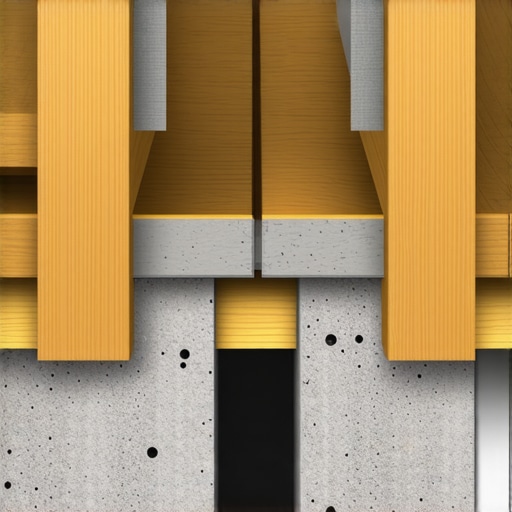
Reinforce the Rim and the Ledger with Double Joists
One of the most effective ways to beef up your substructure is using the double joist trick for perfectly flush picture-frame borders, but applying it to the structural core. By sistering joists—literally nailing two 2x10s or 2x12s together—you effectively double your load-bearing capacity in high-stress zones. I remember a project where we used this method to create a recessed area to how to hide a hot tub in your new deck design. Without those doubled-up rim joists, the weight of the water would have sheared the fasteners right off. You also need to pay attention to moisture. Because hot tubs are essentially giant splashing machines, you should use the flash and tape method for protecting deck joists. This prevents trapped water from rotting your newly reinforced frame from the inside out, which is a silent killer for structural integrity.
Build a Load Path That Reaches the Earth
Your deck frame is only as strong as what is holding it up. If you are adding five tons of water, you cannot rely on 4×4 posts. I always advocate for why 6×6 posts look better than 4x4s on any outdoor structure, but the reason isn’t just aesthetics—it is about the crush factor and the load-bearing capacity of the wood grain itself. A 6×6 has significantly more surface area to support the beams above it. You need a direct vertical line of support—a load path—from the tub, through the joists, into the beams, and down into the footings. If that path is broken or offset, you get the bouncy feeling that eventually leads to structural failure. I once saw a DIYer try to offset a post by six inches to avoid a tree root; within a year, the beam had developed a visible sag that required a complete teardown of the low-maintenance composite decking to fix the core frame. You must how to calculate footings for a hot tub on your deck based on the soil’s PSI (pounds per square inch). If your soil is sandy or soft, those footings need to be wider and deeper than you think to prevent the whole structure from sinking into the lawn.Everyone tells you that once you switch to low-maintenance composite decking, your weekend chores disappear forever. In my experience, that “maintenance-free” tag is the biggest myth in the industry. Let’s dig deeper into the reality: while you won’t be staining every year, the heat retention and expansion of synthetic boards around a 104-degree hot tub create a unique set of headaches. If you don’t account for the fact that why your composite decking is expanding more than the manual says, you will see boards buckling against the tub rim by July.
The Maintenance-Free Lie That Costs Homeowners Thousands
One specific trap I see pros and DIYers alike fall into is the obsession with aesthetics over accessibility. We all love the look of a clean surface, but why hidden fasteners can be a maintenance nightmare becomes clear the moment you need to inspect a joist or tighten a plumbing connection under the tub. If a board pops or a leak occurs, you are often stuck dismantling half the deck because those clips are locked in a specific sequence. I once spent six hours trying to replace a single damaged board because the original builder hadn’t left an access path.
Does Your Railing Meet the New Lateral Load Requirements?
The North American Deck and Railing Association (NADRA) emphasizes that the biggest point of failure isn’t actually the floor—it is the perimeter. When you have five tons of water vibrating in the center of a structure, that energy travels outward. Standard lag screws in your posts simply won’t cut it for a high-occupancy tub area. I always use the hidden bracket trick for perfectly rigid railing posts to ensure that if someone leans against the rail while climbing out of the water, the post doesn’t just fold under the pressure. 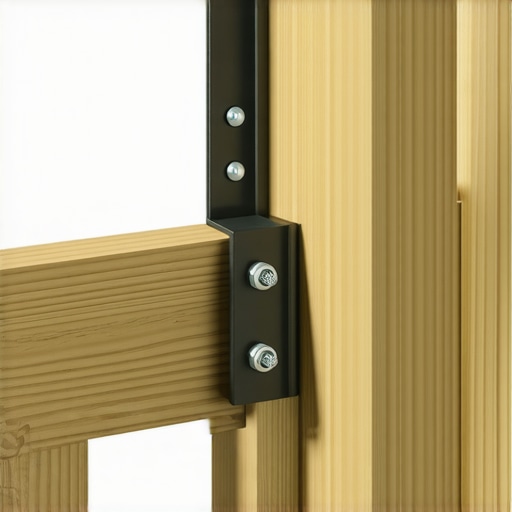
Stop Your Pergola from Shaking Like a Leaf
If you are adding a structure above, like a pergola design that turns your garden into a sanctuary, do not just bolt it to the decking boards. I have seen beautiful pergola trends ruined because the posts were only attached to the surface. You must use the notched rafter secret for a pergola that never wobbles and tie those vertical posts directly into the reinforced substructure we discussed earlier. Have you ever fallen into this trap of prioritizing the ‘look’ over the ‘bones’ of the project? Let me know in the comments.
Speaking of focusing on the bones, I’ve realized over the years that the tools in my bag are what truly separate a deck that lasts five years from one that lasts fifty. When I’m checking for plumb on a high-stress railing, I don’t just eyeball it; I rely on the simple tool for making sure your railing posts are plumb to ensure every vertical line is perfect. Precision isn’t just about looking professional; it is about ensuring the load path stays vertical and predictable. If a post is even a few degrees off, the lateral pressure from a full hot tub or a crowded party starts to create a lever effect that can pull your ledger right off the house.
The Tools That Saved My Sanity and My Structure
Beyond the basics, I’ve become obsessed with structural longevity. One of my favorite methods for preventing the internal rot that eventually kills a deck is the flashing tape move that doubles the life of your joists. It seems like a small detail, but when you are dealing with the moisture traps created by a massive hot tub, that tape is the only thing standing between your frame and a colony of fungi. For anyone looking to scale their project from a simple platform to a multi-level oasis, I cannot stress this enough: why you need a 3d model before buying a single deck board isn’t just about the pretty pictures; it’s about identifying where your beams will conflict with plumbing or electrical lines before you ever pick up a saw.
How do I maintain my heavy-duty deck structure over time?
Maintenance is where most homeowners lose the battle. You might have the best low-maintenance composite decking on the market, but the skeleton beneath is still susceptible to the elements. I perform the 15-minute deck inspection every homeowner should do at the start of every spring. I look for rusted hangers, loose bolts, and any signs of the frame shifting. You also have to be careful with how you clean. I’ve seen beautiful surfaces ruined because someone used a harsh chemical; that is exactly why you should never use bleach on your composite deck. Instead, use a gentle pH-neutral cleaner to keep the warranty intact and the boards looking fresh. According to the American Wood Council’s DCA 6 (Prescriptive Residential Wood Deck Construction Guide), the connection points are the most frequent sites of failure, so I pay special attention to the ledger and the post-to-beam connections.

As we look toward the future of outdoor living, I predict we’ll see more integration of smart structural sensors—little devices that can alert your phone if a joist starts to sag or if moisture levels in the wood reach a critical point. Until then, you have to be the sensor. Remember that why pressure-treated wood still needs maintenance under composite is the most overlooked fact in modern building. If you want to dive into more composite decking secrets and longevity tips, start by applying joist tape to your next project—it’s an easy win that pays off for decades. I challenge you to go out this weekend and check your ledger bolts; if they’re rusted or loose, fixing them now is the best investment you’ll ever make.
The Hard Truths About Weight Training Your Deck Substructure
Reflecting on that first day when my sliding door stuck, I realized that building for a hot tub isn’t about ‘good enough’; it’s about total overkill. One lightbulb moment for me was discovering the permit checklist what most diyers forget to ask—getting a professional sign-off isn’t just red tape, it’s a safety net for your liability. I also learned the hard way that why hidden fasteners can be a maintenance nightmare when you have a 500-gallon tub sitting on top of them. If a leak starts, you need an access plan that doesn’t involve a chainsaw. Another key takeaway: always over-size your hardware. Using the ledger bolt hack for brick veneer houses saved my neighbor’s house from structural shearing that would have cost tens of thousands to repair.
Where I Turn for Structural Sanity and Design Help
I don’t start any major build without a few specific resources. First, I always tell people why you need a 3d model before buying a single deck board. It allows you to visualize the load-bearing beams and ensure they don’t clash with your home’s existing infrastructure. For code specifics, the American Wood Council’s DCA 6 is my bible, but for aesthetic inspiration that doesn’t sacrifice safety, I look at innovative deck design ideas that elevate your homes curb appeal. These resources help bridge the gap between a deck that works and a deck that looks incredible. Finally, I swear by high-quality joist tape; it’s a non-negotiable for anyone following composite decking secrets and longevity tips.
Build It Once and Build It to Last
Your backyard should be a place of relaxation, not a source of structural anxiety. When you take the time to calculate the footings, tighten your joist spacing, and protect the wood beneath the surface, you are creating a legacy of outdoor living that will serve your family for decades. Don’t be afraid of the math—it is the only thing standing between you and a catastrophic failure. By applying these composite decking secrets for longevity, you can ensure your investment remains safe and beautiful for the long haul. Have you ever noticed your deck feeling a little extra bouncy during a party? Let me know in the comments below!