
I still remember the first time I caught my toe on a board that had decided to point its nose toward the sky. It was a crisp Saturday morning, and I was walking out to the grill with a plate of marinated steaks. I nearly took a header, and those steaks almost became lawn ornaments. At first, I thought it was just a loose screw, but driving a new one in only held for about a month before the board won the tug-of-war again. It is a classic homeowner headache that makes even the most beautiful composite decking look like a DIY disaster. You are not alone in this, and frankly, it is usually not even the board’s fault. It is a physics problem, plain and simple.
That Stubborn Board Is Trying to Tell You Something
When I first started building, I made the rookie mistake of thinking tighter is better. I would crank down on the fasteners with my impact driver until they were buried deep, thinking I was securing the deck for a lifetime. But wood and composite are living, breathing things—at least in a physics sense. They expand and contract with every sunrise and rainstorm. If you do not account for that movement, physics wins every single time. Today, I am going to show you exactly why those ends are lifting and how to stop it without tearing up your entire outdoor space. We will look at everything from thermal expansion to the way your pressure-treated frame might be pulling things apart behind your back.
Is fixing this just a waste of time and money?
I get the skepticism. You have probably already tried one more screw or maybe even some construction adhesive, only to see the gap widen again next season. You might be worried that the boards are poor quality or that you need a total replacement. But here is the truth: most board-popping issues are structural or installation-based, not material failure. According to the USDA Forest Products Laboratory, wood can change dimension significantly based on its moisture content, often exerting thousands of pounds of pressure that can shear a standard screw head right off. If your fasteners are not positioned correctly, they do not stand a chance. Fixing it the right way actually saves you thousands in the long run by preventing the joists underneath from rotting out due to exposed end-grain and trapped water. It is about working with the material, not against it.
Why Your Deck Ends Are Lifting
The most common culprit is something we call thermal and moisture movement. If you have noticed boards expanding into your siding, you have seen this in action. When the sun beats down on your deck, those boards want to grow in length. If they are pinned too tightly at the ends or if the joist underneath has started to twist as it dries, the board has nowhere to go but up. I once worked on a project where the homeowner did not realize that their hidden fasteners were failing on wide boards because they did not allow for this natural shift. Have you ever felt like you are playing a game of Whack-A-Mole with your deck screws, where one goes down and another pops up? It is a common frustration, but once you see the pattern, the fix becomes much clearer. We are going to look at the framing moves and fastening tricks that actually hold, including why you might need extra structural blocking to keep things stable.To get those boards back in line, we have to start with the skeleton of the deck. I once spent three days on a job in a coastal town where every single board end was curling upward. The previous builder had ‘single-joisted’ the seams. That means two board ends were sharing a single 1.5-inch wide joist. There just wasn’t enough meat for the screws to grab without splitting the wood.
Stop the Lift with Solid Blocking
If you want a permanent fix, you need to add sister joists or solid blocking at every butt joint. This is essentially the framing move that stops deck boards from bouncing and prevents the fasteners from pulling out. By adding a second piece of pressure-treated lumber alongside the existing joist, you give each board end its own dedicated landing zone. 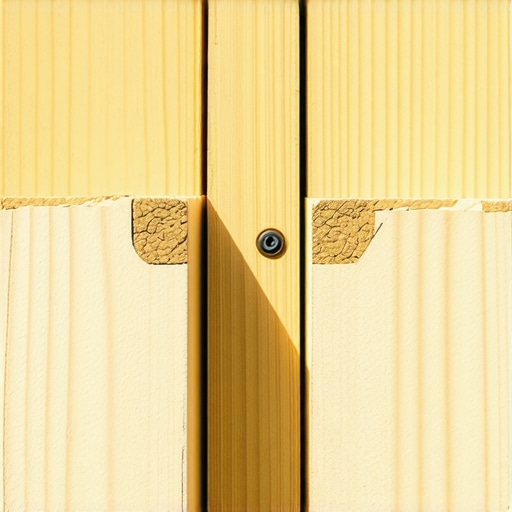
Add Support Where Boards Meet
When you are adding this blocking, make sure you are using 3-inch structural screws, not just nails. Nails will eventually pull out when the wood dries and shrinks. I remember a project where I thought I could save an hour by just toe-nailing some scraps in; six months later, the homeowner called because the boards were ‘singing’ (that annoying squeak) every time they walked by. Now, I use the same logic as the blocking trick that stops railing post wobble to ensure the frame is rigid.
Leave Room for the Boards to Breathe
Composite decking is basically a giant thermometer. On a 90-degree day, it can expand significantly in length. If you butt two boards tight against each other, they have nowhere to go but up. I always use the cardboard spacer trick for consistent board gaps, though for end-to-end gaps, you might need even more space depending on the temperature during installation. Managing this thermal movement is identical to knowing how to stop composite deck boards from expanding into your siding. If you install on a freezing morning, leave a larger gap; if it is the heat of the afternoon, keep it tighter.
Use the Right Screws for Composite Material
Standard wood screws have a bugle head that can actually pull the ‘cap’ of a composite board upward, creating a nasty mushroom effect. This lack of proper grip is often why hidden fasteners fail on wide profile boards. You need screws designed specifically for composite, which have reverse threads near the head to push the material back down into the hole. For the ultimate finish, I always rely on the jig I use for consistent deck screw depth to make sure every fastener is seated exactly the same way, preventing that uneven look across the surface. These composite decking secrets and longevity tips are what separate a five-year deck from a thirty-year deck.People often believe that once you switch to composite, you are done with maintenance forever. That is a dangerous myth. In reality, the nuance lies in the framing. If your frame is slightly out of square—and I’m talking even just an inch over a twenty-foot span—your boards will fight the joists every single day. I always use the 3-4-5 triangle move for squaring up a new deck frame to ensure everything is perfectly aligned before the first board even touches the wood.
Why is my brand-new composite deck still popping and squeaking?
Most homeowners assume a squeak means a loose screw, but it is often the sound of the board rubbing against a joist that has slightly crowned. If you didn’t plane your joists or use joist tape, that friction creates a high-pitched annoyance. According to the North American Deck and Railing Association (NADRA), structural movement is the leading cause of fastener failure in modern builds. If you ignore this, even the most stunning deck design strategies won’t save you from a noisy, shifting floor. Another ‘oops’ factor I see constantly is the use of high-pressure cleaning. You might think you’re just getting rid of dirt, but why you should never use a pressure washer on composite is a lesson learned in ruined finishes and voided warranties. Instead of a deep clean, you’re actually opening up the pores of the material, making it more susceptible to staining. Have you ever fallen into this trap? Let me know in the comments.
Hidden Fasteners Aren’t Always the Hero You Think
There is a common belief that hidden fasteners are the pinnacle of deck technology. While they are great for aesthetics, they often lack the ‘shear’ strength provided by traditional face-screwing. In areas with extreme temperature swings, these clips can actually snap or allow the boards to slide, leading to those unsightly lifting ends we discussed. This is one of the composite decking secrets and longevity tips that big manufacturers don’t always highlight. If you are building in a climate where black composite decking burns your feet, you can bet that the thermal expansion is going to be double what the manual suggests. 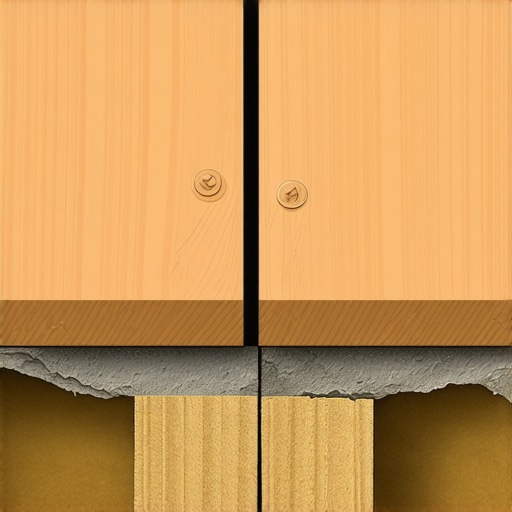
The Frame Stability Mistake Nobody Talks About
When you’re choosing your materials, it is easy to get distracted by the 7 reasons your composite decking looks like plastic and lose sight of the skeleton underneath. A deck is only as good as the posts it sits on and the railing that keeps it safe. Knowing how to select the perfect railing system for every deck involves more than just picking a color; it’s about the connection points to the frame. If those posts aren’t blocked correctly, your whole deck will flex, causing the board ends to lift over time. I’ve even seen cases where the friction from this movement leads to weird issues like why your composite deck is statistically likely to static shock you because the boards are essentially acting as a giant Van de Graaff generator against the frame. Don’t let these advanced nuances ruin your investment; build for the movement, not against it.To keep these systems from fighting your frame, you need more than just a standard drill and a box of nails. Over the years, I’ve refined a toolkit that makes the difference between a deck that looks great for a summer and one that remains a masterpiece for twenty years. My absolute go-to is the jig I use for consistent deck screw depth. If you are even a sixteenth of an inch off with your screw heads, it creates tiny shadows that make the surface look wavy under mid-day sun. I also never step onto a job site without the pencil trick for marking dark composite boards because standard graphite disappears on deep walnut or charcoal finishes. Precision at this stage prevents the structural fatigue that causes those annoying board lifts we talked about earlier.
How can I keep my deck and pergola looking new for decades?
The secret isn’t a expensive chemical sealant; it’s actually about what you don’t do. According to the American Wood Council’s DCA 6 guidelines, the integrity of your connections depends on keeping the wood dry and the fasteners free from corrosive buildup. I’ve seen homeowners destroy their investment by trying to ‘deep clean’ with high-pressure water. This is exactly why you should never use a pressure washer on composite; it etches the surface and makes it a magnet for mold. Instead, I rely on the vinegar and water mix that cleans composite better than chemicals. It’s gentle enough to protect the cap-stock but strong enough to kill the spores that hide in the grain. 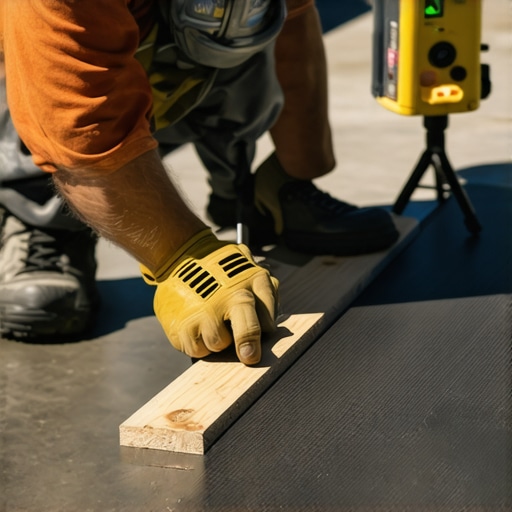
Build Faster and Straighter with the Right Tech
If you are tackling a larger project, like a combined deck and shade structure, you have to scale your precision. I stopped using string lines for height adjustments years ago. Now, I exclusively use the level and laser method for setting pergola heights alone. It ensures your pergola design inspiration from modern to classic looks actually translates to a level roofline that doesn’t look slanted against your house’s siding. These composite decking secrets and longevity tips aren’t just about the boards; they are about the synergy between your tools and your technique. I predict that in the next few years, we will see even more ‘smart’ fasteners that indicate when they’ve reached the perfect torque, but for now, your best bet is a calibrated hand and a dedicated depth-drive tool. If you want to see a massive improvement in your deck’s appearance immediately, I highly recommend trying the 3-4-5 triangle move for squaring up a new deck frame before you lay your next board. It’s the single most effective way to ensure your edges align perfectly with your custom railing systems for safety and style.
The Truth About Thermal Expansion You Wont Find on the Box
I’ve spent two decades on my knees on various decks, and if I’ve learned one thing, it’s that the smallest oversight in the frame becomes a glaring flaw on the surface. We often treat composite decking as a set-it-and-forget-it material, but it is actually a dynamic system that reacts to its environment every single day. One hard lesson I learned early on was that moisture is the enemy even for ‘plastic’ decks; if your pressure-treated frame is saturated when you install those boards, the wood will shrink and pull your fasteners right out of alignment as it dries. You have to respect the physical limits of your fasteners. I also realized that consistency is much more valuable than speed. If you rush the gapping, you are essentially building a ticking time bomb that will buckle the first time the temperature hits ninety degrees. Always prioritize a rigid, well-ventilated frame over a fast finish.
The Gear That Makes My DIY Projects Look Professional
To get the results you see in professional galleries, you need a few specialized items that go beyond a standard drill. I never step onto a job site without the jig I use for consistent deck screw depth because it ensures every single fastener is seated perfectly, preventing those tiny shadows that make a deck look wavy. When I am working with the beautiful dark walnuts or charcoals often found in modern stunning deck design strategies, I always rely on the pencil trick for marking dark composite boards. Standard graphite is invisible on those surfaces, and this simple hack saves me from making expensive ‘guess-cuts.’ For maintenance, forget the harsh bleach; the vinegar and water mix that cleans composite better than chemicals is my go-to for keeping the surface pristine without damaging the protective cap-stock. #IMAGE_PLACEHOLDER_E#
Bring Your Dream Deck Back to Life Today
You now have the technical roadmap to fix those lifting ends and prevent them from ever coming back. It can be intimidating to pull up boards or add framing blocks, but the long-term payoff for your home’s value and your own safety is worth every ounce of effort. Your outdoor sanctuary should be a place of relaxation, not a tripping hazard or a source of repair anxiety. By applying these composite decking secrets and longevity tips, you are ensuring that your investment stays level, quiet, and beautiful for the next thirty years. Don’t be afraid to get under there and reinforce that frame; your future self will thank you every time you walk across a perfectly flat surface. Have you noticed your deck boards lifting more during the peak of summer or in the middle of a wet winter? Let me know in the comments below!