
The sun was setting, the grill was sizzling, and my neighbor Sarah was laughing—until her heel snapped right through a soft spot in my cedar plank. The embarrassment was instant, but the realization was slower: I had spent three weekends staining that wood, yet it still failed under the weight of a single dinner party. That was my lightbulb moment. I realized that if I wanted a space for big family gatherings, my obsession with traditional lumber was a recipe for disaster. Today, I am going to show you why making the switch to composite isn’t just about aesthetics; it is about reclaiming your weekends and keeping your guests safe. We are going to solve the endless cycle of sanding, staining, and praying the wood holds up for one more season. Have you ever looked at your deck after a big gathering and felt like it aged five years in a single night?
I Stopped Fighting My Wood Deck and Finally Won
Early in my DIY journey, I made the classic mistake of thinking that ‘premium’ pressure-treated wood was invincible. I ignored the signs of structural fatigue and completely skipped a simple structural fatigue test that could have saved my dignity. Wood is a living, breathing material that reacts to every footstep and spill. When you have high-traffic areas, those fibers break down faster than you’d think. I eventually discovered that to maximize outdoor living with low-maintenance composite decking is the only way to ensure your space stays as beautiful as the day it was installed. According to data from the International Association of Certified Home Inspectors (InterNACHI), wood decks typically have a life expectancy of only 10 to 15 years, whereas high-quality composite alternatives can easily last 25 to 30 years without the risk of splintering, rot, or insect damage. That longevity is what transformed my backyard from a chore into a sanctuary.
Does Composite Actually Hold Up Under Heavy Foot Traffic?
People often ask if these ‘plastic’ boards can really handle the chaos of kids, pets, and heavy patio furniture. I used to be a skeptic myself until I saw the results of a scratch test on how different brands handle dog claws. The modern capped polymer technology is designed specifically to resist the abrasions that normally chew up wood surfaces. If you look at current composite decking trends for durable solutions, you will see that the focus has shifted toward high-density cores that don’t sag or bounce, even when the whole neighborhood is over for a graduation party. It is about more than just avoiding splinters; it is about the peace of mind that comes with knowing your foundation is solid.
Build a Foundation That Does Not Bounce
When you transition from wood to composite, the first thing you must realize is that composite boards are significantly more flexible than traditional lumber. Think of wood as a stiff ruler and composite as a heavy-duty rubber band. If your support structure is not dense enough, your deck will feel like a trampoline. I remember my first solo deck build where I stuck to the standard 16-inch joist spacing but skipped the mid-span blocking because I was in a rush to finish before a storm. Within a month, the boards felt spongy every time I walked over the center. I had to crawl underneath in the mud to retro-fit blocks between every joist. It was a miserable afternoon of sawdust in my eyes, but it taught me that the framing move that stops deck boards from bouncing is the absolute non-negotiable step for a high-end feel. For the best results, I now recommend 12-inch centers for composite to ensure the surface is rock-solid.
Prevent Buckling with Precise Spacing
Unlike wood, which mostly shrinks and expands across its width, composite boards expand and contract along their length. If you butt those boards tight against your house or each other, they will buckle and pop like a bag of microwave popcorn the first time the summer sun hits them. You must strictly follow the expansion gap rule that stops boards from buckling. A simple way to keep things uniform without losing your mind is the cardboard spacer trick for consistent board gaps, which allows the material to breathe while maintaining perfect lines. 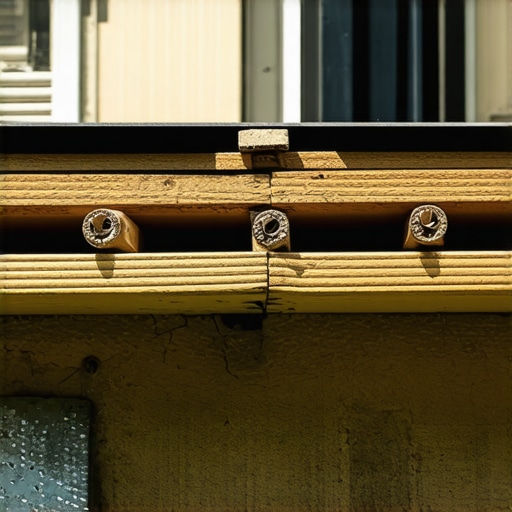 When finishing the edges, don’t just leave the raw ends exposed. I always use the double joist trick for perfectly flush picture frame borders. This creates a professional ‘picture frame’ around the perimeter that hides the inner core of the boards. While you are securing the boards, be mindful of your fasteners; avoiding the 3-inch screw mistake that ruins composite joists will prevent you from splitting the underlying wood, which is where moisture usually starts to rot the frame.
Lock Your Railing Posts in Place
A wobbly railing is more than just an eyesore; it is a safety hazard that makes a deck feel cheap. Most DIYers just lag-bolt their posts to the rim joist, but that eventually pulls the wood fibers apart. I have switched to the hidden bracket trick for perfectly rigid railing posts. By using internal tensioning hardware, you anchor the post directly into the structural frame. Combine this with the blocking trick that stops railing post wobble, and your railing will be sturdy enough to lean on without a hint of movement.
Keep Your Feet Cool in the Summer Sun
I often hear homeowners complain that their new composite decks are too hot to walk on. This usually happens because they chose a dark color or an older wood-plastic composite. If your backyard gets direct sun, you need to understand why capped polymer composite stays cooler than wood-plastic. Capped polymer materials do not contain the organic wood flour that traps heat, making the surface significantly more comfortable for bare feet during a July barbecue. Focus on high-quality capped materials to ensure your sanctuary doesn’t turn into a frying pan.Most homeowners are sold on the ‘seamless’ look of hidden fasteners, believing they are the gold standard for high-end decks. However, I’ve spent more time than I care to admit trying to replace a single damaged board in the middle of a deck using these systems. In my experience, while they look great on day one, why hidden fasteners can be a maintenance nightmare becomes clear the moment you need to access a joist or repair a deep gouge. Sometimes, a high-quality color-matched screw is simply the smarter long-term play for accessibility. Then there’s the pergola trap. Most people build them as perfectly vertical boxes, but if you want the structure to last a decade, you must understand the structural reason your pergola is leaning. It usually comes down to racking—that subtle side-to-side sway that slowly loosens your lag bolts. This is why your pergola needs knee braces, even if you think the aesthetic is too ‘traditional.’ Without that triangular support, the wind eventually wins the battle of physics. According to the American Wood Council’s Design for Code Acceptance (DCA 6), lateral load resistance is the most overlooked safety factor in residential outdoor construction, yet it is what keeps your structure from collapsing during a storm. 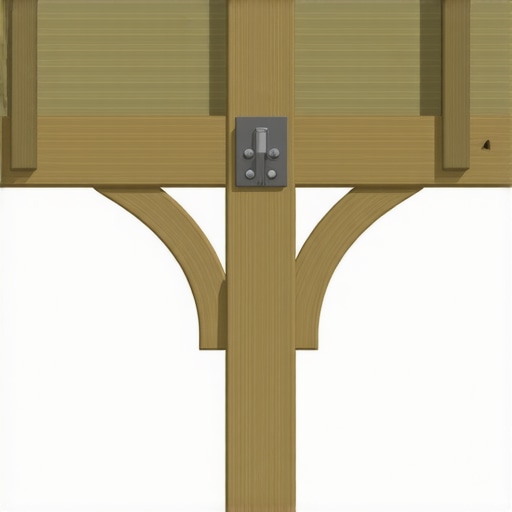
Can a Beautiful Railing Actually Be a Safety Risk?
I see people spend thousands on glass or cable but then fail on the anchoring hardware. It’s not just about the infill; it’s about the leverage exerted on the posts. Many DIYers choose vinyl for its price, but they don’t realize why vinyl railings yellow and how to fix the look after three years of intense UV exposure. If you are going for a modern look, the tension cable move for modern railing looks is superior, provided you don’t fall for the trap of over-tensioning and bowing your end posts. I once saw a deck where the cables were so tight they actually pulled the rim joist out of square, compromising the entire perimeter. Have you ever fallen into this trap where an ‘easy’ install turned into a structural headache? Let me know in the comments. We should also talk about the finishing touches. If you’ve gone with a dark theme, be careful—7 composite colors that look terrible under LED lights because of how they reflect certain spectrums of light. Always test your lighting against your board samples before the final screw goes in to ensure your composite decking secrets for longevity include visual appeal as well as structural integrity.Speaking of structural integrity, I have learned the hard way that your tools are just as important as your materials. You can buy the most expensive capped polymer in the world, but if your cuts are jagged or your screws are misaligned, the whole thing looks amateur.
Tools That Actually Make Your Lines Straight
I never step onto a job site anymore without a white wax pencil. If you have ever tried to use a standard graphite pencil on dark gray or mocha boards, you know it is like trying to write on coal with a shadow. I swear by the pencil trick for marking dark composite boards because it wipes off easily and stays visible even in high-noon glare. For the railing, don’t just eyeball your balusters. I spent three hours once fixing a leaning section because I was off by an eighth of an inch. Now, I use the drill guide hack for centered baluster holes to ensure every single spindle is perfectly vertical. It is these tiny mechanical advantages that separate a ‘backyard project’ from a professional-grade installation.
How can I maintain my composite sanctuary over time?
The biggest myth in the industry is that composite is ‘maintenance-free.’ It is low-maintenance, not ‘no-maintenance.’ I have seen gorgeous decks ruined by homeowners who think a high-powered jet of water is the solution to everything. Let me be clear: why you should never use a pressure washer on composite is because it can etch the surface and void your warranty. Instead, I stick to the vinegar and water mix that cleans composite better than chemicals. It is gentle, it is cheap, and it doesn’t kill your landscaping. #IMAGE_PLACE_HOLDER_D# Beyond cleaning, you need to be proactive about the bones of the structure. The North American Deck and Railing Association (NADRA) recommends a thorough safety check at least once a year, particularly after the winter thaw, through their ‘Check Your Deck’ program. I personally perform the 15-minute deck inspection every homeowner should do to look for hardware corrosion or ledger board movement.
Look Out for These Tech Trends in 2025
As we look toward the future, I see a massive shift toward integrated ‘smart decks.’ We are moving beyond just pretty boards and toward functional tech. If you look at innovative deck design ideas for 2025, you will see a surge in low-voltage sensors and automated shading. The trend is moving toward outdoor spaces that think for themselves. I have already started experimenting with hidden drainage systems that allow for dry storage beneath elevated decks, ensuring every square inch of the footprint is utilized. To keep your project ahead of the curve, make sure you are implementing composite decking secrets for longevity today so you do not have to rebuild tomorrow. I challenge you this weekend to grab a flashlight and go under your deck—try the 15-minute inspection I mentioned above. You might be surprised what a quick look at your joist hangers can reveal about the health of your home.
The One Thing I’d Tell My Younger DIY Self
If I could go back to that first night Sarah’s heel broke through my deck, I’d tell myself that structural integrity isn’t just a building code requirement—it is the foundation of every memory you’ll make in that space. One of the biggest shifts in my mindset was realizing that decking is a system rather than just a surface. You cannot just slap fancy boards on a rotting frame and expect it to hold. I now always double-check for the ledger board error that causes house leaks because no amount of composite beauty can fix a house with water damage. Another lightbulb moment? Trusting the physics of the material. I used to think I could outsmart expansion gaps, but the sun always wins. Following the expansion gap rule that stops boards from buckling is the difference between a deck that looks great for a year and one that looks perfect for twenty.
Finally, remember that ‘low-maintenance’ is a lifestyle choice. By choosing to maximize outdoor living with low-maintenance composite decking, you are essentially buying back your Saturdays. Every minute you aren’t sanding or staining is a minute you can spend with a burger in one hand and a cold drink in the other.
The Gear That Changed My Building Life
To get professional-grade results, you need a few core resources in your corner. I don’t start any backyard project without consulting these specific guides and tools:
- NADRA Safety Checklists: The North American Deck and Railing Association is the gold standard for safety. Their ‘Check Your Deck’ program is my go-to for ensuring every structure is safe for the long haul.
- Strategic Planning Guides: Before you buy a single board, look into stunning deck design strategies to ensure your layout actually flows with your home’s architecture.
- Precision Drilling Tools: A dedicated drill guide is non-negotiable for those vertical spindles. It ensures you never have to guess when you select the perfect railing system for your specific aesthetic.
#IMAGE_PLACEHOLDER_E#
Start Building Your Backyard Legacy Today
It is easy to get overwhelmed by the technicalities of joist spans and polymer caps, but don’t let the details paralyze you. Your backyard is more than just a collection of materials; it is an extension of your home and a stage for your life’s best moments. Whether you are adding a pergola or doing a full overhaul, the most important step is simply to begin. Use the composite decking secrets for longevity we’ve discussed to build something that lasts. You deserve a space that works as hard as you do and looks good doing it. If you ever feel stuck or need a bit of guidance on a specific layout, feel free to reach out with your questions.
Which part of your current deck setup worries you the most when you’re hosting a big family gathering? Let me know in the comments below!