
I sat there on a plastic milk crate, looking at the grey, cracked concrete of my fourth-floor balcony. It was barely wider than a yoga mat. For years, I used it for exactly two things: drying my laundry and storing a bike I never rode. Every time I looked out the sliding glass door, I felt a twinge of guilt. I had “outdoor space” in the heart of the city, and I was wasting it. Then came the “Grand Furniture Fiasco.” I bought a standard wrought-iron bistro set from a big-box store. It looked great in the showroom, but on my balcony, it was a death trap. I couldn’t walk around the chairs without bruising my shins. That was my lightbulb moment. You can’t treat an urban balcony like a sprawling suburban backyard; you have to treat it like a high-end yacht.
Stop Treating Your Balcony Like a Storage Closet
If you’re currently using your balcony to store empty Amazon boxes or a rusty grill you haven’t touched since 2019, we need to talk. Your square footage in the city is expensive. Why pay for space you aren’t living in? My biggest mistake early on was thinking that because the area was small, it didn’t deserve high-quality materials. I thought composite decking was just for mansions. I was wrong. By the time I realized the secret to making a small deck feel massive wasn’t just about furniture but about the lines on the floor, my concrete was already crumbling. Today, I’m going to show you how to reclaim that air. We’ll look at how to choose materials that don’t rot, railings that don’t block your view, and layouts that actually let you breathe.
Is it actually worth the hassle to remodel such a tiny space?
I get the skepticism. Why spend money on twelve square feet? Here’s a surprising fact: well-designed outdoor spaces in urban areas can boost your home’s resale value by as much as 12%, according to research by Postscapes. Beyond the money, there’s the sanity. Having a place to drink coffee where your knees aren’t touching a brick wall is a game-changer. Have you ever felt like your balcony was just too small to even bother with? I’d love to hear your horror stories.
The Floor Choice That Changes Everything
When I finally ripped out that old outdoor rug (which, by the way, was a mold factory), I discovered the diagonal board layout that makes small decks look huge. It’s a simple visual trick. By running your boards at a 45-degree angle, you draw the eye to the furthest corners, creating an illusion of depth. I also learned the hard way that the stainless cable trick for views that never get blocked is essential when you’re high up. Traditional chunky wood pickets make you feel like you’re in a cage. You want to see the city, not the railing. We’re going to dive into how to pick the right decking skin for your concrete slab without needing a structural engineer.
Pick the Right Skin for Your Concrete Slab
First, you need to understand that urban balconies are floating platforms subject to intense heat and moisture. I used to think any wood would do until I saw a neighbor’s cedar deck turn into a gray, splintered mess after one season. For these tight spaces, you want materials that mimic the durability of a submarine. This is where composite decking trends come into play. You aren’t just buying boards; you’re buying a decade of maintenance-free Sundays. When choosing your product, look for capped polymers. I’ve found that how to identify high-quality capped decking from the cheap stuff is the difference between a floor that stays cool and one that melts your flip-flops. Once you have the material, don’t just lay it flat. Use the diagonal board layout that makes small decks look huge. By angling the boards, you trick the brain into following a longer line, effectively stretching the perceived square footage without actually moving any walls. 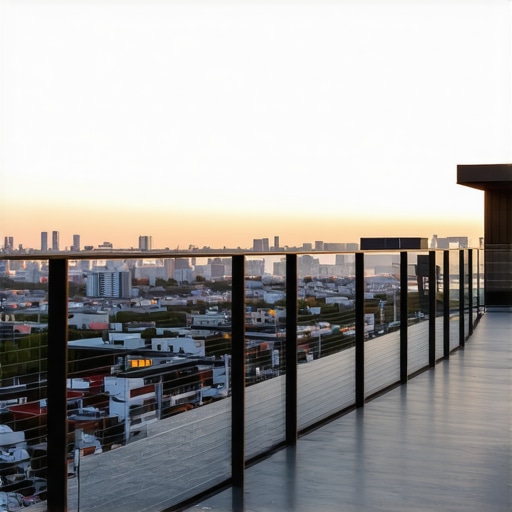
Cable Railings Clear the Visual Clutter
If you want the space to feel like a high-end lounge, you have to fix the ‘jail cell’ vibe. Most older balconies use chunky wood or thick metal bars that chop up your view into tiny, annoying vertical slices. Think of your railing like a picture frame; if the frame is thicker than the art, you’ve failed. By switching to a slim system, you can utilize the stainless cable trick for views that never get blocked. This allows the eye to travel right through the barrier to the horizon. It’s a psychological hack: when your sightline is unobstructed, the balcony feels like an extension of the sky rather than a confined box. For those worried about stability, I always recommend the hidden bracket trick for perfectly rigid railing posts. This ensures that even on a windy twentieth floor, your perimeter feels like a fortress without looking like one.
Protect Your Foundation Before the First Rain
My first attempt at laying boards was a disaster because I ignored what was happening underneath. I treated the gaps like I was installing indoor hardwood. Then August hit, the boards expanded, and my deck looked like a miniature mountain range. I had to rip the whole thing up with a crowbar and a lot of cursing. Now, I never skip the expansion gap rule that stops boards from buckling. Even more critical is protecting the sub-structure. Concrete holds moisture, and moisture is the enemy of any frame. I always run a test using the deck joist tape test to see if it actually stops rot on the specific sleepers I’m using. If you’re building a low-profile frame directly on the slab, you must also master the drainage move that saves your deck from mold. Without a clear path for water to reach the balcony’s weep holes, you’re just building a very expensive petri dish.Most people think that if they buy the priciest capped polymer boards, their balcony deck will last forever. That’s a dangerous myth. In my experience, the frame is where the battle for longevity is actually won or lost. Everyone tells you that standard 16-inch joist spacing is fine for any residential project, but if you’re planning on adding heavy ceramic planters or a small stone water feature to your urban oasis, that standard is a recipe for disaster. I’ve seen boards sag and warp because the substructure couldn’t handle the localized weight. This is where the joist spacing secret for decks with heavy ceramic planters becomes your best friend—dropping down to 12-inch or even 10-inch spacing ensures your floor stays flat and rigid for decades. According to the North American Deck and Railing Association (NADRA), over 40 million decks in the US are currently past their useful life, often due to overlooked structural fatigue in the frame rather than the surface boards. Knowing how to test your deck for structural fatigue is a skill every homeowner needs before they start adding luxury upgrades. 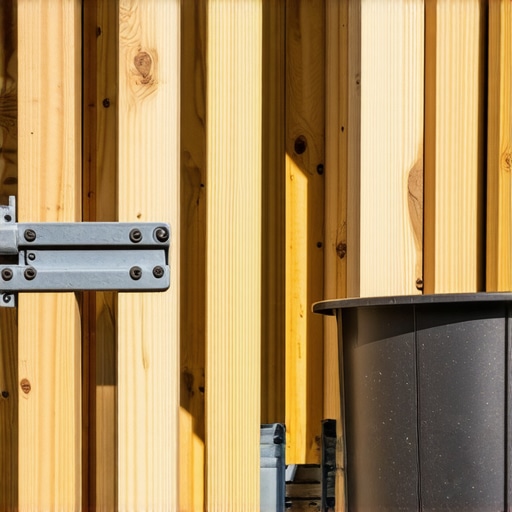
Stop Your Pergola From Shaking in the Wind
If you’re adding a pergola to your high-rise or townhouse deck, you’re essentially building a giant sail. The biggest ‘oops’ factor I see is DIYers treating a pergola like indoor furniture, only to have it rattle every time a storm rolls through. You need more than just standard brackets. I learned the hard way that the notched rafter secret for a pergola that never wobbles is the only way to achieve true lateral stability. Another nuance people ignore? The ends of your beams. We often focus on the tops, but why pergola rafter tails always rot first is a lesson in end-grain protection. If you don’t cap or seal those cuts, they act like straws, sucking moisture deep into the wood.
Is the heat from black aluminum railings really that bad?
It’s a sophisticated question that most people don’t ask until they’ve already installed their system. Black aluminum is the gold standard for style right now, but physics doesn’t care about your aesthetic. On a south-facing balcony, those rails can become branding irons. Understanding why your black aluminum railing gets too hot to touch allows you to pivot toward lighter colors or integrated wood-top ‘cocktail rails’ that stay cool. When you’re trying to how to select the perfect railing system for every deck, you have to balance the visual appeal with the actual climate of your micro-environment. If your floor feels a bit ‘givey’ when you walk, don’t ignore it. Check out the structural reason your deck feels bouncy and how to fix it before you spend another dime on furniture. Have you ever fallen into this trap of prioritizing looks over the invisible structural details? Let me know in the comments.
Don’t Waste Your Money on Specialty Cable Tools
Every time I see a DIY kit for cable railings, I see a ‘specialized tensioning tool’ that costs eighty bucks. It’s a racket. I’ve built enough of these to know that how to tension cable railings without specialized expensive tools is a skill that saves you both money and a trip to the hardware store. You just need a standard set of wrenches and a little patience. When I’m laying out the boards themselves, I stopped using chalk. On a hot day, that blue dust bakes into the grain and stays there forever. I once spent four hours trying to find a white line on charcoal grey boards; it was a nightmare. Now, I swear by the pencil trick for marking dark composite boards. It’s a simple silver lead pencil, but it glows against the capped polymer like a neon sign, making your cuts surgical.
How do I keep my composite deck from looking like a swamp?
Maintenance is where most people get lazy because they heard the word ‘maintenance-free.’ That’s a marketing lie. While you don’t have to sand or stain, you absolutely have to clean. However, the most common ‘fix’ is actually a death sentence. Technical bulletins from industry leaders like TimberTech explicitly warn that using chlorine bleach can permanently damage the capping layer of your boards, leading to UV degradation that isn’t covered by your warranty. That is why you should never use bleach on your composite deck. Similarly, you might be tempted to blast away dirt with a power washer, but why you should never use a pressure washer on composite is a lesson in surface scarring. If you get too close, you’ll rip the wood-grain texture right off the plastic. 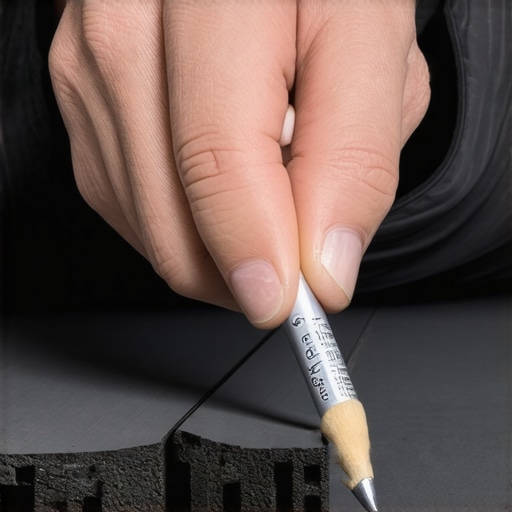
The 15-Minute Habit That Saves You Thousands
If you want to scale your outdoor living experience without things falling apart, you need to be proactive. I’ve started doing what I call the 15-minute deck inspection every homeowner should do every spring. I’m looking for more than just dirt; I’m checking for board movement and hidden moisture traps. This is when you apply composite decking secrets and longevity tips for a lasting deck before a small gap becomes a structural failure. Looking ahead, I predict we are going to see a massive shift toward integrated smart sensors within deck frames that alert you to moisture levels before rot even begins. For now, we rely on our eyes. Go grab a silver carpenter’s pencil today and try the marking trick on your next small project; once you see how much easier it is to hit your marks, you’ll never go back to chalk.
The Brutal Truths of Urban Decking I Learned the Hard Way
Building in a small space isn’t just about shrinking a large design; it’s about shifting your mindset. Here are the lightbulb moments that saved my sanity: First, precision is your only friend when every cut is visible. I stopped using messy chalk lines and started using the pencil trick for marking dark composite boards because accuracy at this scale is the difference between a luxury finish and a DIY disaster. Second, the “expensive” capped polymer isn’t a luxury—it’s an investment in your weekends. If you spend your limited outdoor time scrubbing mold instead of sipping espresso, you’ve lost. Third, visual weight is real. If your railing feels heavy, the whole balcony feels like a cage, which is why I’m a firm believer in how to select the perfect railing system for every deck to keep the horizons open. Finally, never trust a concrete slab to stay dry; always verify your work with the deck joist tape test before you seal everything up.
Gear That Makes the Job Suck Less
You don’t need a warehouse full of tools, but you do need the right ones for these specific urban challenges. I always keep a silver carpenter’s pencil for those dark boards and a simple set of wrenches for tensioning cables. Before you even buy your first board, you should learn how to test your deck for structural fatigue to ensure your foundation is actually safe. I also highly recommend looking into current composite decking trends to see how colors interact with city light; what looks good in a catalogue can look very different under a streetlamp. These resources will save you from the expensive trial-and-error phase that most DIYers suffer through.
Go Claim Your Slice of the Sky
Your balcony shouldn’t be a storage closet for things you’re too tired to throw away. It’s your private escape from the concrete jungle. Whether you’re installing a sleek floor or a custom railing, remember that you are building an experience, not just a structure. Take it one board at a time, respect the expansion gaps, and don’t be afraid to get your hands dirty. The view is always better when you’re standing on a floor you trust. Use these strategies to make your composite decking and railing project a success. Which part of your balcony is the biggest eyesore right now? Let me know in the comments below.