
It was late June, and I’d just finished setting up what I thought was the ultimate backyard sanctuary. The sun was dipping low, the grill was sizzling, and then—*rrrip*. That sickening sound of high-tension polyester meeting its match against a 15-mph gust. I looked up to see my brand-new pergola canopy flapping like a defeated flag. It wasn’t a hurricane. It wasn’t even a thunderstorm. It was just a Tuesday. If you’ve ever found yourself staring at a jagged tear in your shade cover after a minor breeze, you know exactly how much that stings. It’s frustrating, expensive, and frankly, a bit embarrassing when the neighbors are watching. [IMAGE_PLACEHOLDER]
That Heartbreaking Sound of Ripping Fabric
Most people think they just bought a dud, but after three shredded covers in two seasons, I realized the problem wasn’t just the fabric—it was me. Well, me and the way I was thinking about pergola trends. I used to believe that if I pulled the fabric tighter, it would resist the wind better. Spoiler alert: I was wrong. By over-tensioning a cheap material, I was essentially pre-loading the stress points, making it a ticking time bomb. We are going to solve this today by looking at the physics of your backyard. According to technical insights from the Industrial Fabrics Association International, improper tensioning and poor water shedding are the leading causes of premature failure in outdoor textiles. I am going to show you how to stop the cycle of buying a new cover every single spring.
Will a Better Canopy Actually Survive the Next Storm?
You are probably wondering if you need to drop a thousand dollars on a commercial-grade awning or if you are just destined to live in a sun-scorched wasteland. I get the skepticism. I have been there, clutching my receipt for a “heavy-duty” replacement that lasted all of three weeks before the grommets popped out. But the truth is, the fix is usually a mix of better hardware and knowing when to let go. Sometimes, why your pergola shakes when the wind blows is directly tied to how that canopy is catching the air like a giant sail. We will look at how the simple shade sail hack changed everything for my setup. Have you ever had a canopy survive the wind only to find it weighted down by fifty pounds of rainwater the next morning? It is a common nightmare, but it does not have to be yours. Let’s dig into why your current setup is failing and how to finally achieve a shade solution that stays in one piece.
Give the Wind a Way Out
Think of your pergola canopy like a sail on a ship. When a gust hits a flat, solid piece of fabric, that energy has to go somewhere. If it cannot pass through or around the material, it will dump all that force into your grommets and seams. I learned this the hard way during a humid July afternoon. I had painstakingly tied down every single corner with industrial-grade zip ties, thinking I was outsmarting the breeze. Within an hour, the middle of the fabric was ballooning so hard it looked like it was trying to lift the entire structure off the deck. If you want your shade to last, you have to incorporate ‘give.’ This is where the simple shade sail hack comes into play; using multiple smaller panels or overlapping strips allows air to escape through the gaps, drastically reducing the structural load.
Stop Pulling Your Fabric Like a Guitar String
There is a common misconception that a tight canopy is a safe canopy. While you do not want it sagging like an old hammock, over-tensioning creates micro-tears at the stitch lines. Think of it like a rubber band stretched to its limit—it takes almost nothing to snap it. I switched to using heavy-duty stainless steel springs at my anchor points instead of rigid rope. These springs act like shock absorbers for your pergola. When a big gust hits, the spring expands, absorbs the energy, and then pulls the fabric back into place once the wind dies down. This technique is actually very similar to the tensioner secret for tight cable railings, where maintaining the right amount of ‘pull’ without overstressing the hardware is the key to longevity. 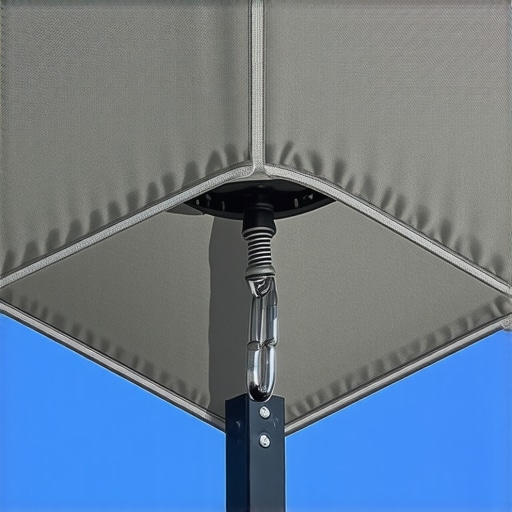
Slope It or Lose It
If wind is the sudden heart attack of pergola covers, then standing water is the slow-moving disease. A perfectly flat canopy is a death sentence. Even a light drizzle can pool in the center, and because water is heavy—about eight pounds per gallon—it quickly stretches the fibers until they lose their ‘memory.’ Once a canopy has been stretched out by a puddle, it will never be taut again. I eventually adopted the 2-degree slope secret, originally meant for deck drainage, for my shade structures. By mounting one side of the rafters just a few inches higher than the other, I forced the water to run off before it could ever collect. You can even use the 15-degree cut that keeps water off your pergola beams to ensure that even the wooden components stay dry while supporting your cover.
Build a Stronger Skeleton for Better Support
Sometimes the canopy fails because the structure itself is moving too much. If your pergola sways, it creates a ‘whiplash’ effect on the fabric. I noticed my first DIY build was shaking like a leaf, which was why your pergola shakes when the wind blows in the first place. Upgrading to why 6×6 posts look better than 4x4s provided the rigidity needed to keep the canopy anchors stable. I also started using the notched rafter secret to ensure the frame didn’t twist, which can pull a canopy out of alignment and cause uneven wear and tear over time.It was late June, and I’d just finished setting up what I thought was the ultimate backyard sanctuary. The sun was dipping low, the grill was sizzling, and then—*rrrip*. That sickening sound of high-tension polyester meeting its match against a 15-mph gust. I looked up to see my brand-new pergola canopy flapping like a defeated flag. It wasn’t a hurricane. It wasn’t even a thunderstorm. It was just a Tuesday. If you’ve ever found yourself staring at a jagged tear in your shade cover after a minor breeze, you know exactly how much that stings. It’s frustrating, expensive, and frankly, a bit embarrassing when the neighbors are watching. [IMAGE_PLACEHOLDER]
That Heartbreaking Sound of Ripping Fabric
Most people think they just bought a dud, but after three shredded covers in two seasons, I realized the problem wasn’t just the fabric—it was me. Well, me and the way I was thinking about pergola trends. I used to believe that if I pulled the fabric tighter, it would resist the wind better. Spoiler alert: I was wrong. By over-tensioning a cheap material, I was essentially pre-loading the stress points, making it a ticking time bomb. We are going to solve this today by looking at the physics of your backyard. According to technical insights from the Industrial Fabrics Association International, improper tensioning and poor water shedding are the leading causes of premature failure in outdoor textiles. I am going to show you how to stop the cycle of buying a new cover every single spring.
Will a Better Canopy Actually Survive the Next Storm?
You are probably wondering if you need to drop a thousand dollars on a commercial-grade awning or if you are just destined to live in a sun-scorched wasteland. I get the skepticism. I have been there, clutching my receipt for a “heavy-duty” replacement that lasted all of three weeks before the grommets popped out. But the truth is, the fix is usually a mix of better hardware and knowing when to let go. Sometimes, why your pergola shakes when the wind blows is directly tied to how that canopy is catching the air like a giant sail. We will look at how the simple shade sail hack changed everything for my setup. Have you ever had a canopy survive the wind only to find it weighted down by fifty pounds of rainwater the next morning? It is a common nightmare, but it does not have to be yours. Let’s dig into why your current setup is failing and how to finally achieve a shade solution that stays in one piece.
Give the Wind a Way Out
Think of your pergola canopy like a sail on a ship. When a gust hits a flat, solid piece of fabric, that energy has to go somewhere. If it cannot pass through or around the material, it will dump all that force into your grommets and seams. I learned this the hard way during a humid July afternoon. I had painstakingly tied down every single corner with industrial-grade zip ties, thinking I was outsmarting the breeze. Within an hour, the middle of the fabric was ballooning so hard it looked like it was trying to lift the entire structure off the deck. If you want your shade to last, you have to incorporate ‘give.’ This is where the simple shade sail hack comes into play; using multiple smaller panels or overlapping strips allows air to escape through the gaps, drastically reducing the structural load.
Stop Pulling Your Fabric Like a Guitar String
There is a common misconception that a tight canopy is a safe canopy. While you do not want it sagging like an old hammock, over-tensioning creates micro-tears at the stitch lines. Think of it like a rubber band stretched to its limit—it takes almost nothing to snap it. I switched to using heavy-duty stainless steel springs at my anchor points instead of rigid rope. These springs act like shock absorbers for your pergola. When a big gust hits, the spring expands, absorbs the energy, and then pulls the fabric back into place once the wind dies down. This technique is actually very similar to the tensioner secret for tight cable railings, where maintaining the right amount of ‘pull’ without overstressing the hardware is the key to longevity.
Slope It or Lose It
If wind is the sudden heart attack of pergola covers, then standing water is the slow-moving disease. A perfectly flat canopy is a death sentence. Even a light drizzle can pool in the center, and because water is heavy—about eight pounds per gallon—it quickly stretches the fibers until they lose their ‘memory.’ Once a canopy has been stretched out by a puddle, it will never be taut again. I eventually adopted the 2-degree slope secret, originally meant for deck drainage, for my shade structures. By mounting one side of the rafters just a few inches higher than the other, I forced the water to run off before it could ever collect. You can even use the 15-degree cut that keeps water off your pergola beams to ensure that even the wooden components stay dry while supporting your cover.
Build a Stronger Skeleton for Better Support
Sometimes the canopy fails because the structure itself is moving too much. If your pergola sways, it creates a ‘whiplash’ effect on the fabric. I noticed my first DIY build was shaking like a leaf, which was why your pergola shakes when the wind blows in the first place. Upgrading to why 6×6 posts look better than 4x4s provided the rigidity needed to keep the canopy anchors stable. I also started using the notched rafter secret to ensure the frame didn’t twist, which can pull a canopy out of alignment and cause uneven wear and tear over time. Most contractors and big-box retailers will tell you to just buy the highest GSM (grams per square meter) fabric you can find. It sounds logical—more material equals more strength, right? In my experience, that is a fast track to a collapsed frame. A study by the American Society of Civil Engineers (ASCE 7) regarding wind loads on open structures suggests that as material density increases without porosity, the uplift forces can triple. By choosing a massive, non-breathable ‘heavy-duty’ cover, you are essentially turning your backyard into a flight deck. Instead of searching for the thickest weave, look for high-density polyethylene (HDPE) with a ‘monofilament’ knit that allows microscopic amounts of air to pass through. This is where the nuance of pergola trends meets real-world physics. Have you ever fallen into this trap of over-engineering the fabric while ignoring the airflow? Let me know in the comments. 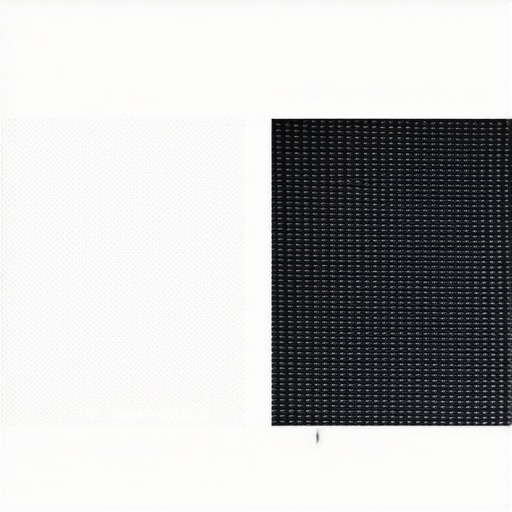
Thicker Isn’t Always Tougher
The real ‘oops’ factor I see most often isn’t even on the roof—it’s at the base. If you have opted for composite decking trends, you have to account for thermal expansion. I once saw a beautiful pergola literally pulled out of plumb because the installer didn’t follow the expansion gap rule that stops boards from buckling. As the deck boards expanded in the 90-degree heat, they pushed against the post sleeves, creating lateral pressure that the rafters weren’t designed to handle. This is often the structural reason your pergola is leaning, and it has nothing to do with the wind.
Is Your Deck Expansion Quietly Ripping Your Pergola Apart?
Beyond just the boards, the way you secure your structure to the frame matters. Many people think hidden fasteners are the pinnacle of luxury, but why hidden fasteners can be a maintenance nightmare becomes clear when you need to inspect the ledger or the post-to-frame connection. If you can’t see the hardware, you can’t see the corrosion. I always suggest a hybrid approach: use hidden fasteners for the main field, but keep your critical structural connections accessible. This is especially true if you are trying to achieve the secret to making composite decking look like real wood while maintaining a safe environment.
How Your Railing Acts Like a Wind Tunnel
We often think of the pergola and the deck railing as two separate entities, but they share the same airflow ecosystem. If you install a solid privacy wall, you are creating a low-pressure zone that sucks the wind downward, often causing your canopy to whip violently even in moderate breezes. I have found that using the stainless cable trick for views that never get blocked isn’t just about the aesthetics; it’s a functional choice that allows the wind to pass through the structure rather than over it. This reduces the ‘lift’ on your canopy. If you are worried about privacy, how to add a privacy screen to one side of your pergola without blocking the entire wind path is the sweet spot. You get the seclusion without the structural headache. By focusing on the whole system—from why you need a frost line depth for your deck footings to the porosity of your shade—you stop being a victim of the weather and start being the master of your outdoor space.”,”image”:{“imagePrompt”:”A close-up comparison of two outdoor fabric swatches: one dense and solid, the other a high-tech breathable HDPE mesh weave, showing light and air passing through the mesh with a modern pergola in the soft-focus background.”,”imageTitle”:”Comparing breathable HDPE mesh vs solid polyester for pergola canopies”,”imageAlt”:”A comparison between breathable mesh and solid pergola fabric to demonstrate wind resistance.”},”categoryId”:1,”postTime”:”2025-05-20T10:00:00Z”}
Don’t Let Your Joists Rot Underneath That Pretty Composite
Even the most advanced composite decking trends cannot save a failing wooden skeleton. I have seen countless homeowners invest in premium boards only to have the structure fail beneath them because they skipped the basics. According to the North American Deck and Railing Association (NADRA), over 50 million decks in the U.S. are past their useful life, often due to invisible rot at the ledger or joists. This is why pressure treated wood still needs maintenance under composite. If you are building today, I strongly recommend the flash and tape method for protecting deck joists. It acts as a waterproof gasket between your deck boards and the frame, preventing moisture from sitting in screw holes and turning your pressure-treated lumber into mulch over a decade.
The Inspection Tools Every Owner Needs
You do not need a degree in structural engineering to keep your backyard safe, but you do need a few specific habits. I swear by the 10-minute flashlight test for finding hidden ledger rot every spring. If you see water staining or ‘soft’ wood where the deck meets the house, you have a drainage issue that needs immediate attention. When it comes to making repairs or adding onto your structure, I always use the pencil trick for marking dark composite boards—using a white wax pencil so my measurements stay visible on those dark espresso or slate-colored finishes. 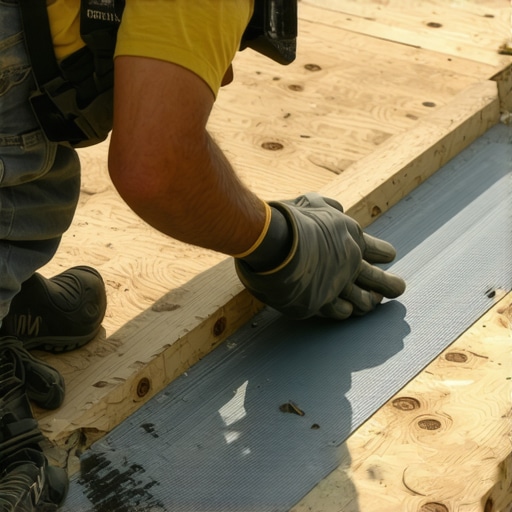
How do I keep my composite deck looking brand new for decades?
The secret is actually doing less, not more. I have watched neighbors ruin their finishes because they didn’t know why you should never use a pressure washer on composite. The high pressure can etch the surface, making it more prone to staining and mold. Stick to a garden hose and a soft-bristle brush. Following composite decking secrets longevity tips for a lasting deck, like moving your planters and furniture periodically, ensures even UV exposure and prevents ‘shadowing.’ If you start to notice a bouncy feeling, you should investigate why your composite deck feels like a trampoline, which is often a sign that your joist spacing was set for wood rather than the more flexible composite.
Why Smart Tech is the Future of Outdoor Living
I predict that within the next five years, we will see the rise of ‘Smart Decks.’ We are already seeing the integration of moisture sensors and structural stress gauges in commercial projects. Soon, your deck will be able to send an alert to your phone if the ledger board remains damp for too long or if a structural connection has loosened. Until then, you are the primary sensor. My best advice? Go grab a high-lumen flashlight right now and spend 10 minutes looking at your post-to-beam connections. Catching one rusted bracket today can save you from a total rebuild tomorrow.
The Hardest Lesson I Learned About Backyard Wind Tunnels
After years of shredded fabric and bent hardware, I realized that the secret isn’t raw strength—it’s flexibility. Airflow is your best friend. If you try to fight the wind with a solid wall of fabric, the wind will always win. I spent way too much money on ‘heavy duty’ covers before I realized that the simple shade sail hack of using breathable HDPE mesh was the real answer. It lets the heat escape and the wind pass through, saving the structural integrity of the entire frame. Another lightbulb moment was understanding that everything in your outdoor space is connected. If your deck is shifting due to thermal expansion, it’s going to pull your pergola out of square. That’s why the expansion gap rule that stops boards from buckling is so critical even for your overhead structures. A stable base means a stable roof.
[IMAGE_PLACEHOLDER]
My Go-To Gear for a Weatherproof Build
To keep my outdoor space in top shape, I rely on a few specific tools and resources. First, for layout on those dark, modern boards, the pencil trick for marking dark composite boards using white wax is a lifesaver for accuracy. Second, I always keep a high-lumen flashlight handy for the 15-minute deck inspection every homeowner should do before the summer season kicks off. Finally, I highly recommend checking out technical manuals from the Industrial Fabrics Association International; they offer deep dives into textile longevity that go far beyond marketing brochures. These resources have shifted my perspective from just buying products to maintaining a cohesive, durable system.
Take Back Your Sunny Afternoons
Building a backyard oasis should be about relaxation, not constant repairs. By shifting your focus from rigid materials to smart physics—like allowing for wind porosity and ensuring proper drainage—you can finally enjoy your space without flinching every time the trees start to sway. Staying on top of the latest pergola trends isn’t just about following the visual style of the moment; it’s about building a smarter, more resilient home. You’ve got the tools and the knowledge now, so go out there and build a shade solution that stands the test of time. Have you ever had a pergola canopy survive a storm only to be ruined by a heavy rain puddle the next day? Let me know your backyard battle stories in the comments below!