
I’ll never forget that afternoon in Santorini, sipping an espresso while the sun bounced off those blindingly white walls and deep blue shutters. I came home determined to recreate that exact feeling in my own backyard. But man, did I fail at first. I thought a few cans of white outdoor paint and some loose gravel would do the trick. A season later? The paint was flaking, the gravel was a muddy mess, and it looked more like a neglected parking lot than a coastal villa. The mistake I made was trying to force traditional materials to do a job they weren’t built for in a humid climate. Today, I want to show you how to skip my blunders and use the right mix of white composite and natural stone to build a space that actually lasts.
Stop Chasing the Grecian Look with High-Maintenance Materials
The real secret I learned the hard way is that you can’t fake the Mediterranean vibe with materials that rot or fade. You need that crisp, permanent white that only high-quality composite can provide. When I first started, I actually considered cheap vinyl, but then I saw why vinyl railings yellow and realized my dream would look like aged plastic in three years. Now, I swear by white composite decking paired with rugged stone. It’s about the contrast between the clean, modern lines of the deck and the earthy feel of a stone retaining wall. If you are struggling with the aesthetic, check out how to choose the right deck color for a white house to ensure your whites don’t clash. Modern composite decking trends offer textures that mimic painted wood without the peeling nightmare. [IMAGE_PLACEHOLDER]
Will a White Deck Just Blind Me Every Time the Sun Comes Out?
It’s a fair concern. I was terrified I’d need sunglasses just to step outside. But here’s the thing: modern capped polymer doesn’t just reflect heat; it manages light differently than glossy paint. According to a study by the International Journal of Sustainable Built Environment, high-albedo surfaces like white decking can significantly reduce the ‘urban heat island’ effect in your yard, keeping the area much cooler than dark wood. When you maximize outdoor living with low-maintenance composite decking, you’re actually creating a space that stays usable during the peak of July heat. Have you ever started a project only to realize your color choice was making your backyard feel like a furnace? I’ve been there, and switching to a high-quality white composite was the only thing that saved my bare feet. Using stone as a border or for a built-in kitchen area adds that weight and permanence that defines the Mediterranean style. Let’s get into the specific steps to make these two materials play nice together.
Build a Frame That Wont Sag or Rot
Before you even lay a single white board, you have to realize that composite material is significantly heavier than traditional cedar or pine. Think of your deck frame as the foundation of a house; if it’s weak, the aesthetic on top won’t matter when things start to shift. I remember a project in coastal Florida where the homeowner insisted on 16-inch joist spacing for a high-end capped polymer deck. Within two seasons, the deck felt like walking on a trampoline because the boards were slightly bowing under the weight. To avoid that ‘bouncy’ feel, I always recommend the structural reason your deck feels bouncy and how to fix it, which usually involves tightening your joist spacing to 12 inches on center. Additionally, because composite holds heat and traps moisture against the wood underneath, you must use the flashing tape move that doubles the life of your joists. It acts as a waterproof barrier that prevents the ‘black rot’ that often kills deck frames long before the surface boards ever wear out.
Hide Industrial Concrete Footers with Natural Stone
The biggest aesthetic killer for a Mediterranean-style deck is seeing raw, grey concrete piers sticking out of the ground. It completely breaks the illusion of a luxury villa. I once spent a weekend trying to paint concrete to match the stone, and let me tell you, it looked like a high school theater set. The real pro move is to use stone veneer. You can easily learn how to hide ugly concrete piers with stone veneer to create a seamless transition from the white deck to the earth. This creates that ‘built-in’ look where the structure feels like it emerged from a rocky hillside. If you are planning a more expansive area, consider the joist spacing secret for decks with heavy ceramic planters to ensure your frame can handle the massive stone or terracotta pots that truly define this style. 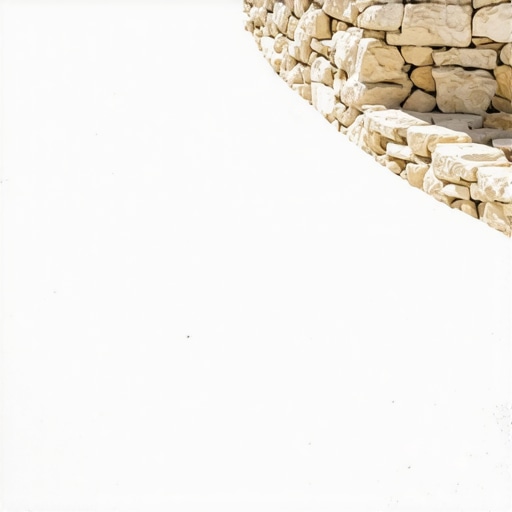
Stop Your Boards from Buckling in the Summer Heat
White composite is brilliant for reflecting light, but it still moves. One of the most common calls I get is from DIYers whose beautiful white boards are ‘crowning’ or pushing against each other at the ends. This almost always happens because they ignored the expansion gap rule that stops boards from buckling. In a sunny, open-concept Mediterranean layout, your boards will expand and contract more than you think. Using a simple spacer—sometimes as thin as a carpenter’s pencil—can be the difference between a flat surface and a warped mess. I once had to rip up an entire 400-square-foot deck because the boards were installed tight against the house wall with zero breathing room; when the July sun hit, the whole deck literally lifted off the joists.
Pick a Railing That Lets the Sea Breeze In
To finish the look, you need a railing that provides safety without acting as a visual wall. In the Mediterranean, the goal is always the view. Heavy, chunky white pickets can often feel too ‘suburban’ for this specific style. Instead, I suggest you look into how to select the perfect railing system for every deck to find something slim and unobtrusive. Personally, I love the stainless cable trick for views that never get blocked. It provides a modern, nautical edge that pairs perfectly with the crisp white of the deck and the rugged texture of a stone retaining wall. When you combine these industrial-strength materials with the soft, white aesthetic, you’re not just building a platform; you’re building an environment that handles the elements while looking effortlessly cool.
Don’t Let Hidden Fasteners Ruin Your Precision Finish
Everyone will tell you that a luxury Mediterranean deck requires hidden fasteners to maintain that smooth, floor-like appearance. In theory, it’s the gold standard. In my experience, however, why hidden fasteners can be a maintenance nightmare is a topic most builders avoid until the first heatwave hits. Because white composite reflects so much light, the temperature differential between the top surface and the core can cause the boards to move more aggressively than darker wood. According to research published in the Journal of Materials in Civil Engineering, the thermal expansion coefficient of wood-plastic composites is significantly higher than traditional timber, meaning those gaps aren’t just for drainage—they are a survival requirement. If you use cheap plastic clips instead of stainless steel ones, the expansion force can literally shear the heads off the screws, leaving you with boards that pop up like piano keys. If you want a lasting result, check out these composite decking secrets and longevity tips for a lasting deck. 
Stop Assuming All Capped Decking Handles Heat the Same
There is a massive misconception that ‘white is white’ when it comes to temperature. I’ve seen homeowners buy the cheapest white composite available, thinking they’ve hacked the system, only to find it feels like walking on a hot griddle. You need to understand why capped polymer composite stays cooler than wood-plastic blends. Polymer-based products don’t have the organic wood fibers that trap and hold heat. When you are refining your stunning deck design strategies, the chemistry of the board matters as much as the color. I once consulted on a project where the homeowner used a wood-filled composite in a high-sun area, and even in bright white, it hit 140 degrees by noon. Capped polymer, on the other hand, stayed a comfortable 110. It’s the difference between needing flip-flops and enjoying your morning coffee barefoot.
Why is Your Deck Making Noise in the Middle of the Night?
If you hear clicking or popping sounds coming from your deck at sunset, you’ve likely fallen into the ‘friction trap.’ This happens when boards are installed too tightly or without proper lubricants on the joist hangers. As the air cools, the boards shrink and rub against the fasteners. This is often the first sign of why your composite deck feels like a trampoline or lacks structural rigidity. The biggest ‘oops’ factor I see, however, isn’t even on the deck surface—it’s the ledger board. If you ignore the ledger board error that causes house leaks, you are literally rotting your home from the inside out to support a pretty outdoor space. Use the 10-minute flashlight test for finding hidden ledger rot at least once a year to make sure your Mediterranean dream doesn’t turn into a structural nightmare. Have you ever fallen into the trap of choosing looks over expansion gaps? Let me know in the comments!
The Professional Gear That Actually Makes a Difference
Building a high-end Mediterranean deck isn’t just about the sweat; it’s about the precision tools that separate a DIY look from a luxury finish. I learned early on that you can’t eyeball a layout when you’re dealing with expensive white composite. Before I even pick up a saw, I rely on digital planning. I’ve found that why you need a 3d model before buying a single deck board is the most important lesson in scaling a project. A 3D model allows you to see how the white boards will interact with your house’s shadows before you make a single cut. When it comes to the actual install, I never go without the simple tool for making sure your railing posts are plumb, because on a white deck, even a one-degree tilt looks like a leaning tower. I also suggest mastering the pencil trick for marking dark composite boards, which surprisingly works wonders for white boards too when you need to avoid leaving permanent lead marks on that pristine surface.
How do I keep my white deck looking brand new for years?
Maintenance is the one area where most people accidentally kill their deck. My golden rule is simple: put the pressure washer away. I’ve seen homeowners permanently etch their boards by trying to blast off a little pollen. Instead, you need to understand why you should never use a pressure washer on composite and opt for a soft-bristle brush and a mild dish soap. And please, why you should never use bleach on your composite deck is a topic I wish I could scream from the rooftops. Bleach can break down the UV inhibitors in the capped polymer, leading to the very yellowing you’re trying to avoid. To keep things structurally sound, I recommend doing the 15-minute deck inspection every homeowner should do every spring. Check the connections, look for board movement, and ensure your drainage is clear. According to the American Society for Testing and Materials (ASTM) D7032 standard, wood-plastic composites are specifically tested for flexural properties and decay resistance, but these ratings assume you aren’t dousing the boards in harsh chemicals every month. If you follow these composite decking secrets and longevity tips for a lasting deck, your white boards will stay as bright as the day they were delivered.

Where Outdoor Design is Heading Next
If you’re looking to scale your outdoor space or add value, keep an eye on the integration of ‘smart’ cooling materials. We are moving toward a future where composite boards will have even higher albedo ratings and integrated thermal breaks. I predict that in the next five years, we’ll see ‘self-cleaning’ surface tech becoming the standard for white decking, using hydrophobic coatings similar to what we see in high-end automotive paint. If you want to stay ahead of the curve, focus on innovative deck design ideas for 2025 that prioritize temperature management and low-maintenance luxury. The goal is to build a space that works for you, not a space that requires a weekend of labor every time it rains. I strongly encourage you to try the 10-minute flashlight test mentioned earlier tonight; it’s the single best way to ensure the foundation of your Mediterranean dream is actually as solid as it looks. Don’t wait for a board to sag to start caring about what’s underneath.
The Hardest Lessons Learned in the Heat of the Sun
Building with white composite is a different beast than traditional wood. One of my biggest lightbulb moments was realizing that white composite decking isn’t just about the look; it’s about the chemistry. While I love the Mediterranean aesthetic, I quickly learned that why ipe wood is the only real competitor to high-end composite when you are looking for that ultimate luxury feel, though the maintenance requirements are worlds apart. Another hard truth: if you don’t account for drainage, even the most expensive stone in the world won’t save your foundation. I always implement the 2 degree slope secret for dry under deck storage even on low-profile builds to ensure water never pools against the house frame. Finally, remember that your whites need to harmonize; I spent way too much time staring at swatches before I figured out how to match your railing to your house siding to avoid that jarring clinical look that can ruin a soft coastal vibe.
The Toolkit That Saves Your Sanity
I don’t start any major build without a few specific resources that I trust implicitly. First, I always check the latest pergola design inspiration from modern to classic looks to see how vertical structures can frame a white deck without overwhelming it. For technical peace of mind, I rely on the ASTM D7032 standards for composite performance—it takes the guesswork out of span ratings for specific brands. Locally, I swear by a digital level; on a bright white deck, every deviation is magnified by the shadows. I also keep a stash of composite decking secrets and longevity tips for a lasting deck bookmarked to remind myself that the best outdoor spaces are built right the first time, not the ones that require constant spring repairs.
Your Mediterranean Escape is Within Reach
Building a space that mirrors the cliffs of Santorini doesn’t require a plane ticket or a bottomless budget; it just requires the right materials and a commitment to the details. When you combine the permanence of stone with the modern resilience of white composite, you’re creating more than a deck—you’re creating a lifestyle. Don’t be intimidated by the technicality of the build. Use these professional strategies to take it one joist at a time. The first time you walk out barefoot on a cool white surface while the sun sets, every hour of labor will feel worth it. [IMAGE_PLACEHOLDER] Have you ever struggled with getting your board gaps perfectly even across a large area? Let me know in the comments!